Brazilian regulators seem to have taken action because around 90% of all cryptocurrency movement in the country involves stablecoins.
A Rule With A Narrow But Significant Reach
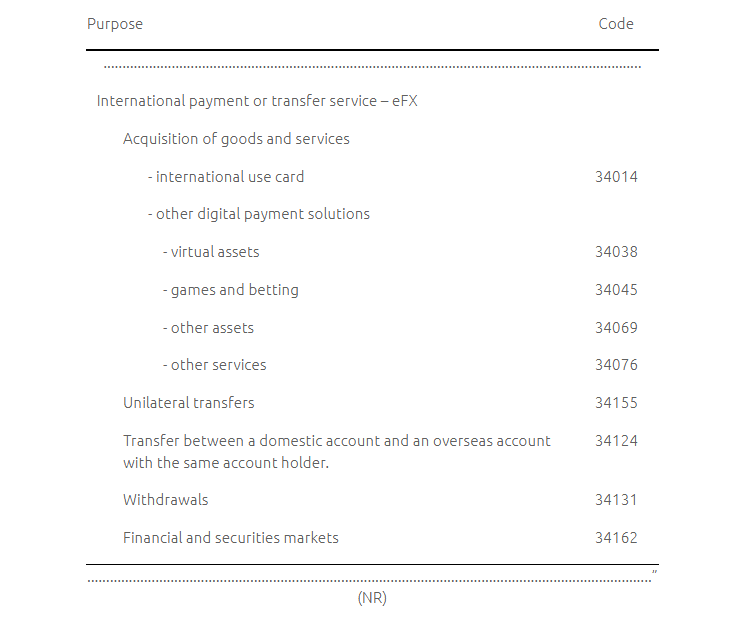
Brazil’s Central Bank announced a new rule on Thursday prohibiting the use of virtual assets (like cryptocurrencies) to settle payments within the country’s electronic foreign exchange system. This system is the official framework for managing international money transfers and cross-border payments.
The new rule requires eFX providers and their international partners to only complete transactions using official foreign exchange methods or Brazilian real accounts held by non-residents. Cryptocurrency is no longer an accepted form of payment.
This rule also applies to companies currently operating with temporary electronic foreign exchange (eFX) status – those not yet officially approved. These companies can continue offering eFX services if they obtain authorization from the central bank by May 31, 2027. However, they are still prohibited from using virtual assets for any payments or receiving money.
Brazil Central Bank Updates eFX Rules, Bans Crypto for Cross-Border Transfers
As a crypto investor, I’m keeping a close eye on Brazil. Their central bank just released a new rule, Resolution BCB No. 561, that changes how international payments work. The big takeaway for me? It specifically blocks the use of cryptocurrencies for these kinds of transactions. Basically, they’re saying no crypto for sending money internationally through these services.
— Wu Blockchain (@WuBlockchain) May 1, 2026
Officials want to be clear: this isn’t a complete ban on cryptocurrency in Brazil. People can still buy and sell digital assets as usual. The Central Bank is only regulating how these assets are transferred across borders through the specific payment system it oversees.
Stablecoin Surge Raised Red Flags
Brazil’s central bank governor, Gabriel Galipolo, recently voiced concerns about the growing use of cryptocurrency in the country. He noted a significant increase in crypto adoption over the past few years, with stablecoins making up around 90% of all crypto transactions. He highlighted potential issues with tax compliance, money laundering risks, and uncertainty about what backs these digital assets.
The central bank had already begun to increase its regulations. Last November, it outlined new licensing rules for companies dealing with virtual assets, especially those involved in foreign exchange. This week’s restrictions on electronic foreign exchange transactions are a continuation of those earlier steps.
BRAZIL CENTRAL BANK CRACKS DOWN ON CRYPTO USAGE
Brazil’s central bank has issued a new rule (Resolution No. 561) that prohibits the use of cryptocurrencies for any international payments processed through regulated systems.
The new eFX rules mandate that international transfers must be processed…
— BSCN (@BSCNews) May 1, 2026
Brazil isn’t just worried about money moving across borders. According to a report to Congress, the country’s central bank indicated that stablecoins created outside of its regulatory oversight could be prohibited altogether or subjected to significant restrictions within Brazil.

Stablecoins pegged to traditional currencies and issued without proper regulatory supervision could lead to unfair practices and make it harder to manage the money supply. Stablecoins using foreign currencies create additional concerns regarding legal boundaries, the flow of money across borders, and potential disruptions to how payments are made.
What Comes Next For Crypto Providers
Companies that currently use digital assets to handle international payments will need to change how they do business. They have until May 2027 to get official approval if they’re in a transitional period, but they can’t delay addressing the rules around cryptocurrency. The ban on using crypto is already in effect.
Read More
- Off Campus Season 1 Soundtrack Guide
- Netflix’s Little House On The Prairie Reboot: Release Date, Cast & Everything We Know
- Gold Rate Forecast
- Infinity Nikki Candlelight Reverie Challenge and Rewards Guide
- Brent Oil Forecast
- Silver Rate Forecast
- Prime Video’s New R-Rated Spy Thriller Is Officially No.1 On Streaming Despite Poor Reviews
- KPop Demon Hunters Meets Avatar: The Last Airbender In Netflix’s 3-Part Fantasy Series
- The Hunting Wives Star Teases “Wild” Major Character Death in Season 2
- 24 Jump Street in the works with Jonah Hill and Channing Tatum set to return
2026-05-02 15:43