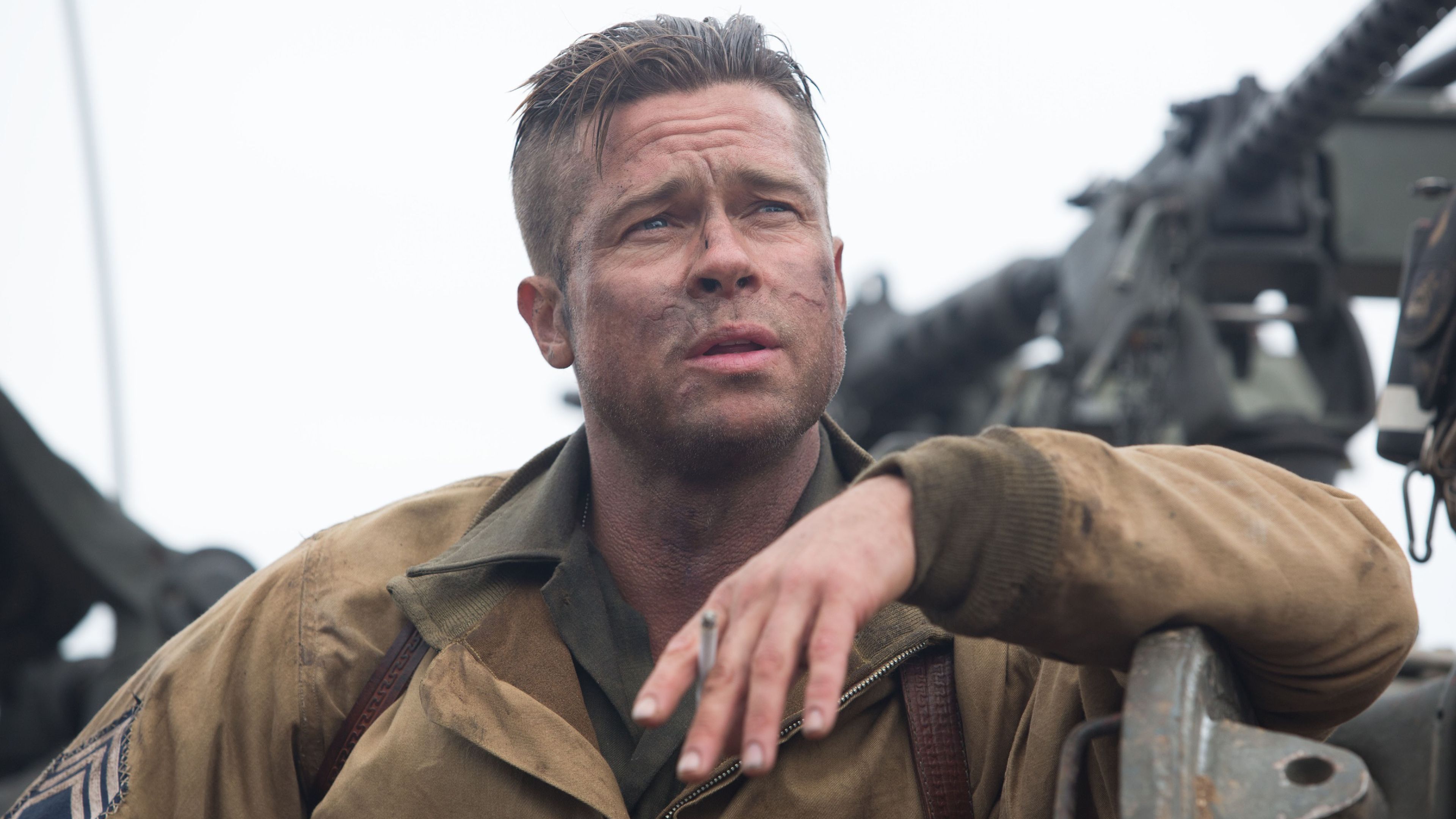
I’ve seen a lot of World War II movies, but few have felt as intense and real as Fury. David Ayer’s 2014 film really puts you inside a Sherman tank with Brad Pitt and his crew – Jon Bernthal, Michael Peña, and Shia LaBeouf – as they battle their way across Nazi-occupied Europe. It’s a truly claustrophobic and gritty experience, like you’re right there with them in the mud and chaos.
One of the main reasons Fury was so successful was its compelling and original story. The film received positive reviews, with a 75% score from critics and an 84% audience score on Rotten Tomatoes, and earned $211 million worldwide (according to Box Office Mojo). Although many World War II movies have been made since, few have captured the gritty and realistic depiction of tank warfare that made Fury stand out.
Things shifted in early January when the German film The Tank (also called Der Tiger) became the most popular movie on Amazon Prime Video, according to Flixpatrol. Instead of simply imitating Fury, it feels like a successor to it, offering another gripping and personal look at World War II from inside a tank – one that’s just as intense and disturbing.
What Is The Tank About?
A German Tank Crew Faces A War That Slowly Turns Inward
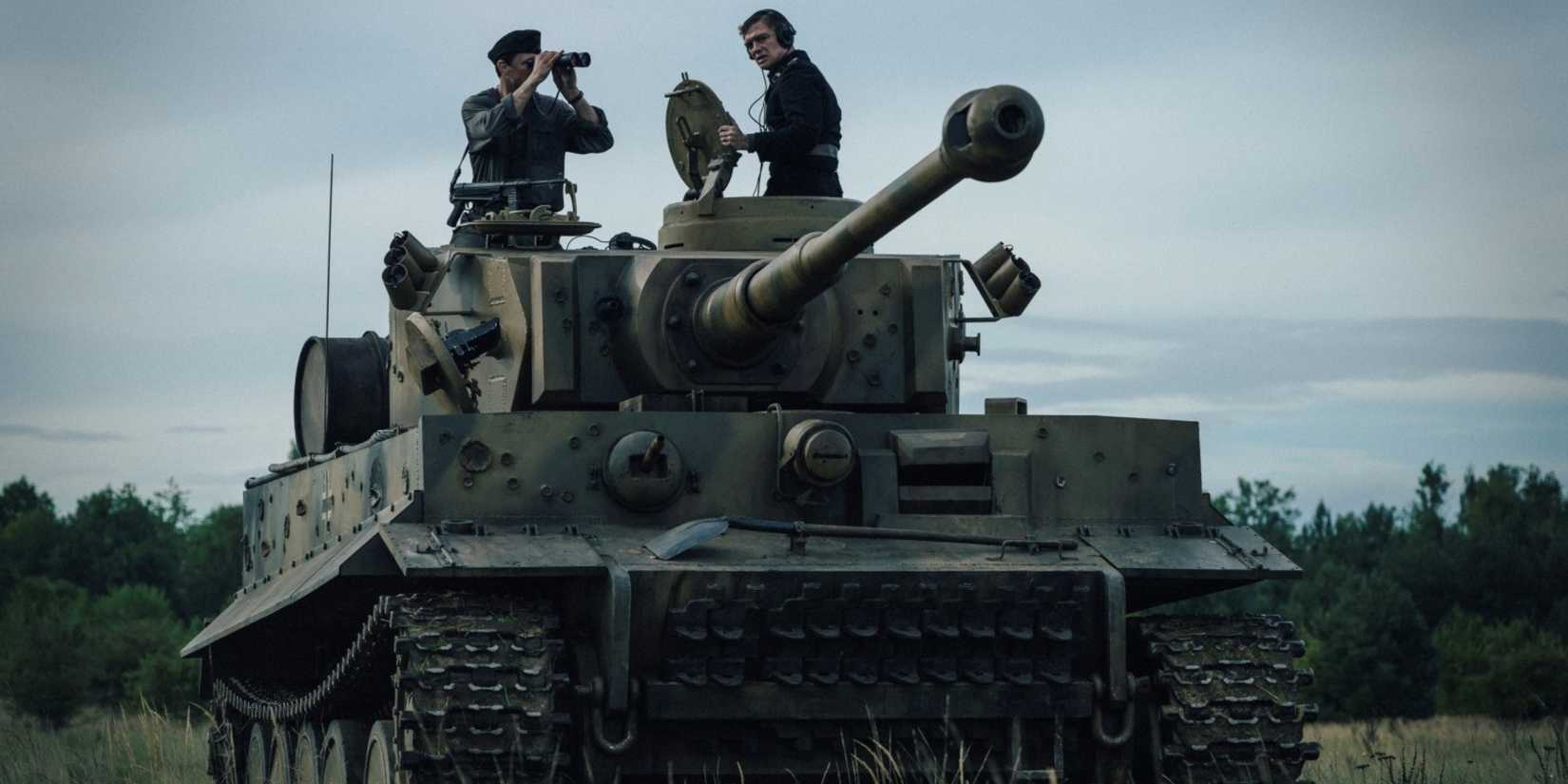
Set in the last months of World War II, The Tank tells the story of a German Tiger tank crew stranded far behind enemy lines on the Eastern Front. Though the war is clearly lost, they continue to drive through a devastated landscape, following orders that become more confusing and pointless as the situation worsens.
Similar to the movie Fury, the characters are at the heart of The Tank‘s story, creating a personal and intense experience. Unlike many WWII films that showcase large-scale battles, this movie focuses on the close-quarters struggle for survival within the tank itself, where the crew is united by their shared predicament rather than any political cause. The tension comes from what happens inside the vehicle, not from external battles.
So, the guys are sent out to pull Lieutenant von Hardenburg (Tilman Strauss) out of No Man’s Land, which sounds straightforward enough. But as they get further in, things start to get seriously messed up – they’re losing their bearings, and it’s not just the enemy they’re fighting. It slowly hits them that even if they do succeed, it probably won’t really change anything for them in the long run. It’s a really bleak realization, honestly, and it messes with their heads more than any gunfire.
What sets The Tank apart from many classic World War II movies is its focus on the psychological toll of war, rather than large-scale action. While there are battles and artillery fire, the film’s true power comes from the mounting exhaustion, fear, and anxiety experienced by the crew. Inside the tank, tensions rise as the soldiers struggle with hunger, guilt, drug addiction, and the physical and mental strain of combat.
Instead of portraying its characters as simply good or evil, The Tank shows them as people stuck in a failing system. The tank crew understands the war is unwinnable, but leaving the tank feels as risky as staying put. The Tiger tank itself isn’t a sign of strength, but a metal coffin slowly closing as the men inside come to terms with the fact that escape might be impossible.
The Tank Is A Spiritual Successor To Fury
Both Movies Turn Tank Warfare Into An Intimate Study Of Brotherhood And Survival

Although The Tank and Fury tell different stories, they share a clear connection. Both films offer a close-up look at the lives of tank crews – a rarely seen perspective on World War II. Fury follows the American Sherman tank crew led by Don “Wardaddy” Collier (Brad Pitt) as they fight their way through Germany, while The Tank puts the audience inside a German Tiger tank, showing the war from the perspective of the losing side.
Both films portray the tank as more than just a fighting machine; it’s a mobile home, a confining space, and a shared destiny for the crew inside. These soldiers are isolated from the larger war, experiencing it through the sounds of the tank – shaking metal, shouted orders, and brief glimpses of action. This close, confined viewpoint is what makes both Fury and The Tank feel so deeply personal.
The strong connection between the crew members is a key part of the story. In Fury, the relationship between Wardaddy and his crew – Boyd “Bible” Swan, Grady “Coon-Ass” Travis, and Trini “Gordo” Garcia – is at the heart of the film’s emotional impact. Their loyalty to each other becomes their main source of strength in the face of the war’s horrors, adding a realistic and moving layer to both Fury and other World War II films.
Like the situation it depicts, The Tank shows a group relying on each other to survive, but in a much more troubled and vulnerable way. The German crew’s bond is constantly strained by fear and a loss of values. As the purpose of their mission becomes unclear, their trust erodes, and they begin to suspect one another instead of supporting each other.
Both Fury and The Tank powerfully depict the terrifying reality of tank combat. Unlike soldiers on foot or in planes, tank crews have nowhere to go when their vehicle is hit. A single, successful strike can instantly turn a tank into a fiery trap, and this constant threat of inescapable danger permeates both films.
Both The Tank and Fury share a similar, bleak tone. Neither movie celebrates war; instead, they focus on how it dehumanizes soldiers, turning them into cogs in a machine. The intense pressure and hardship experienced by tank crews are universal, regardless of which side they fight on – American or German.
Don’t Expect A Regular War Movie Going Into The Tank
The Real Battle Is Inside The Minds Of The Crew

While Fury combined compelling character development with intense action similar to Band of Brothers and Saving Private Ryan, The Tank delves much deeper into the characters’ psychological states. This Amazon Prime film doesn’t focus on a specific enemy or increasing number of battles. Instead, it creates suspense by emphasizing uncertainty, loneliness, and the gradual breakdown of mental stability.
The further the crew ventured into enemy lands, the more disconnected from reality things became. They seldom encountered friendly troops, and when they did, it felt strangely unreal. The men began to wonder if they were being pursued, deceived, or if their own leaders had left them to fend for themselves.
This change in emphasis turns The Tank into more of a psychological thriller than a typical war film. The real enemy isn’t the Russian army, but the devastating mental impact of fighting a hopeless battle. The tank itself feels like a haunted place, brimming with guilt, fear, and a sense of looming dread.
Being part of this crew, I’ve seen how the stress really gets to everyone, but in different ways. Some people double down on following the rules, while others just try to pretend everything is okay. Sadly, a few start to fall apart completely. It’s like living in a pressure cooker – every little annoyance or disagreement becomes a huge fight because we’re all so close together. And honestly, there’s nowhere to run, not from each other and definitely not from the things we’ve all done.
The central struggle within the story of The Tank propels the plot. As the crew attempts to finish their mission, they increasingly face the unsettling truth that it might be pointless. They’re trapped – winning isn’t an option, going back means certain death, and even giving up doesn’t feel like a safe choice.
As the movie nears its end, the feeling of being pursued changes. The soldiers aren’t just scared of the enemy, but of their own deteriorating morality. Ultimately, The Tank uses the classic WWII setting to explore a deeply personal story about how people can lose their way.
If you enjoyed Fury, you’ll likely find The Tank equally captivating. While Fury explored the lives of tank crews, The Tank delves into that same concept with a much more disturbing and thought-provoking edge.
Read More
- United Airlines can now kick passengers off flights and ban them for not using headphones
- Crimson Desert: Disconnected Truth Puzzle Guide
- How to Get to the Undercoast in Esoteric Ebb
- All Golden Ball Locations in Yakuza Kiwami 3 & Dark Ties
- Katanire’s Yae Miko Cosplay: Genshin Impact Masterpiece
- All 9 Coalition Heroes In Invincible Season 4 & Their Powers
- All Itzaland Animal Locations in Infinity Nikki
- HBO’s Harry Potter Is Already Breaking My Heart
- Zendaya’s 4 Big 2026 Movies Could Beat Brie Larson’s Box 2019 Office Record
- Neon Genesis Evangelion’s 26-episode run Made the 1990s the Best Anime Decade
2026-01-11 17:30