Like so many readers, I’ve always wondered what it would be like for one of my favorite authors to get that call – the one where a publisher or movie studio wants to turn their book into a film. It seems like even when authors aren’t thrilled with the changes made for the screen, they’re still incredibly proud their story was chosen. It really feels like the best possible sign that their work is truly valued and considered high quality.
It’s always exciting when a book becomes a movie or show, but some stories have been adapted for the screen many times over. Sadly, most of the original authors aren’t around to witness how popular their work remains in Hollywood. However, there’s a clear reason these books keep getting revisited: they explore universal themes, feature memorable characters, and contain other enduring qualities.
As a lifelong movie fan, I can tell you that some stories are just everywhere – adapted into films all over the world. Because of this, it’s honestly impossible to give an exact count of how many times they’ve been made into movies. So, the numbers you’ll see are more like estimates, ranges really, since it’s tough to keep track of everything, especially foreign films and those made for television.
‘Crime and Punishment’ by Fyodor Dostoevsky
20–30 Film Adaptations
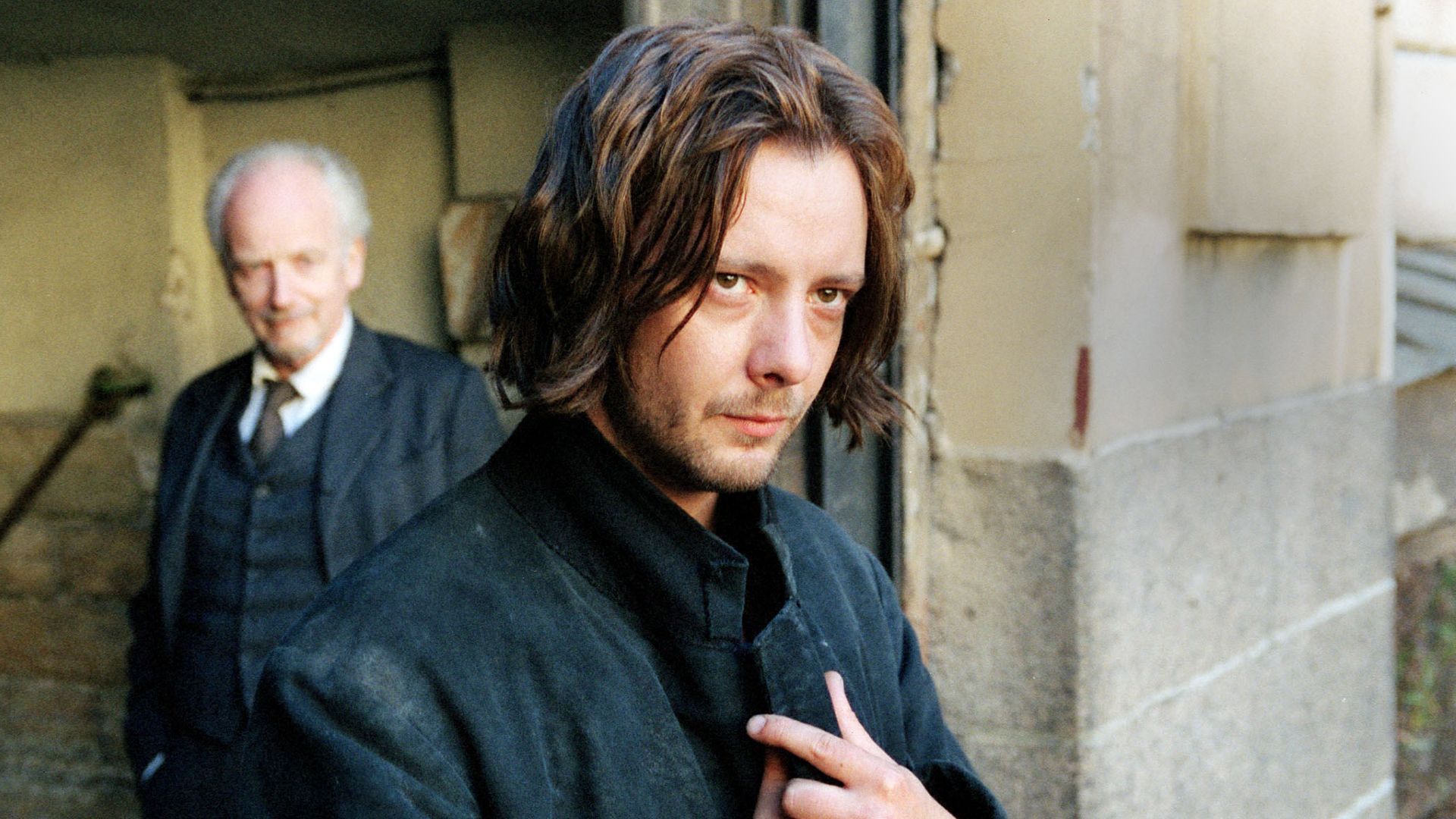
Fyodor Dostoevsky, a Russian author, wrote Crime and Punishment partly based on his own life. He was exiled to Siberia after being arrested – along with others – for supporting Vissarion Belinsky, a critic who opposed the Tsar.
I’ve always been captivated by Dostoevsky’s ability to delve into the human psyche. He wrote this incredible story about Raskolnikov, a struggling student in St. Petersburg, who makes the desperate decision to kill a pawnbroker and rob her. He convinces himself that with money, he could do so much good, but the act haunts him, filling him with terrible paranoia and regret. It’s a truly powerful and unsettling tale.
Dostoevsky’s Crime and Punishment is a powerful novel that explores challenging ideas like the meaning of life, what’s considered right and wrong, and the importance of self-interest and reason. It argues against the idea that good intentions justify harmful actions, showing instead that every choice has repercussions. The book deeply explores the psychological toll of guilt and features a compelling dynamic between the protagonist and the determined detective, Porfiry Petrovich, creating a classic pursuit narrative. This thrilling cat-and-mouse game is a major reason why the story continues to resonate with audiences and attract filmmakers.
Best Adaptations:
- Crime and Punishment – 1935 – dir. by Josef von Sternberg
- Crime and Punishment – 1970 – dir. by Lev Kulidzhanov
- Crime and Punishment – 1998 – dir. by Joseph Sargent
‘Jane Eyre’ by Charlotte Brontë
25–35 Film Adaptations
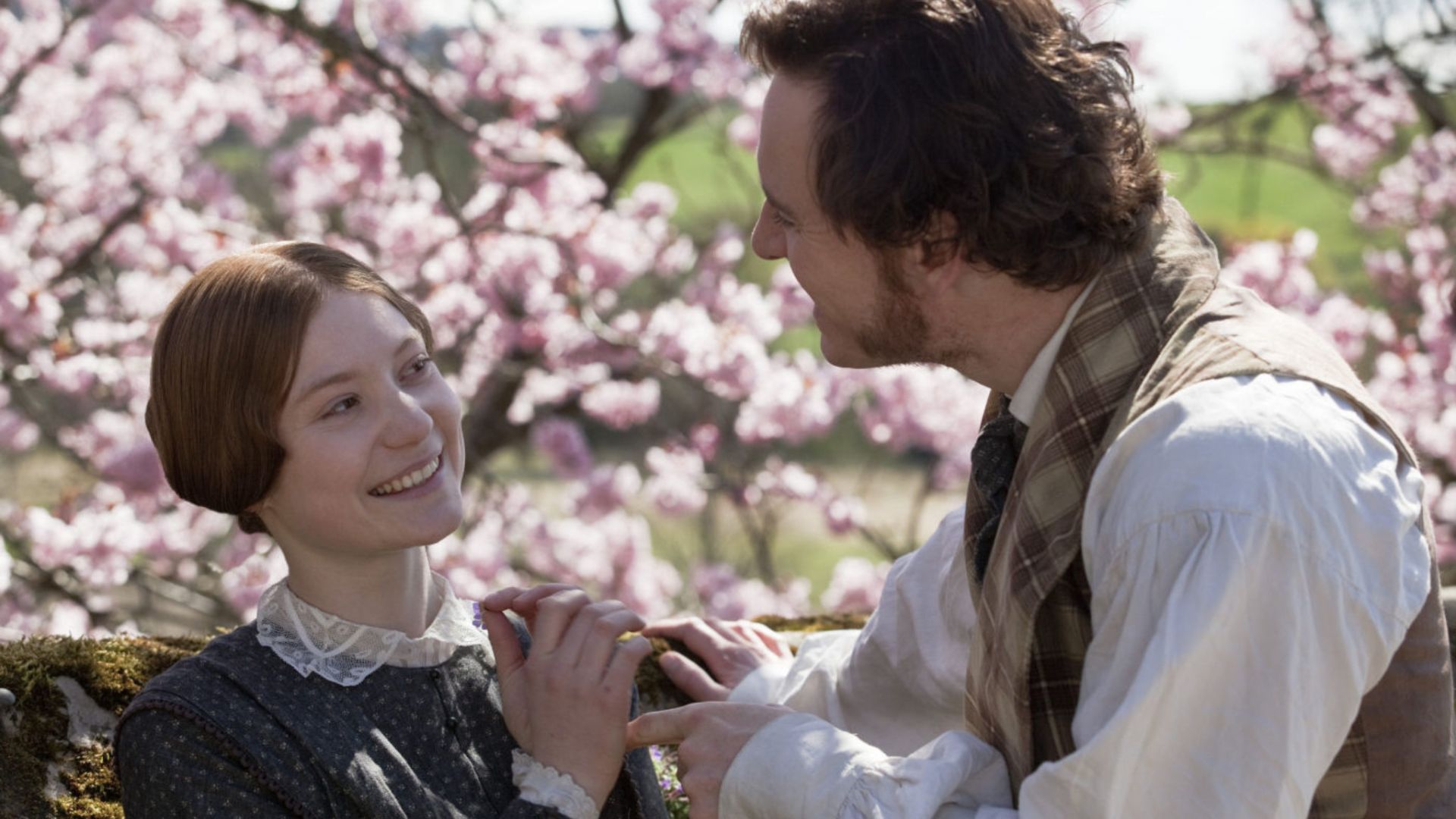
Published under the pen name Currer Bell by author Charlotte Brontë, Jane Eyre is a coming-of-age story that follows Jane, an orphan, from her youth through her time working as a governess for Mr. Rochester. While employed by the wealthy Mr. Rochester, she falls in love with him, but is devastated to learn he is already married and concealing his wife, who has a mental illness, in the attic.
A Common Setback in Relationships
Charlotte Brontë’s Jane Eyre continues to resonate with modern readers because it explores important themes like equality, social justice, and identity. The story’s central conflict – discovering a loved one isn’t who they seemed – is a timeless trope frequently used in popular romance films. Notable movie adaptations include the 1943 version with Orson Welles and Joan Fontaine, and the 2011 film featuring Mia Wasikowska, Michael Fassbender, and Judi Dench.
Best Adaptations:
- Jane Eyre – 1943 – dir. by Robert Stevenson
- Jane Eyre – 1996 – dir. by Franco Zeffirelli
- Jane Eyre – 2011 – dir. by Cary Fukunaga
‘The Count of Monte Cristo’ by Alexandre Dumas
30–40 Film Adaptations
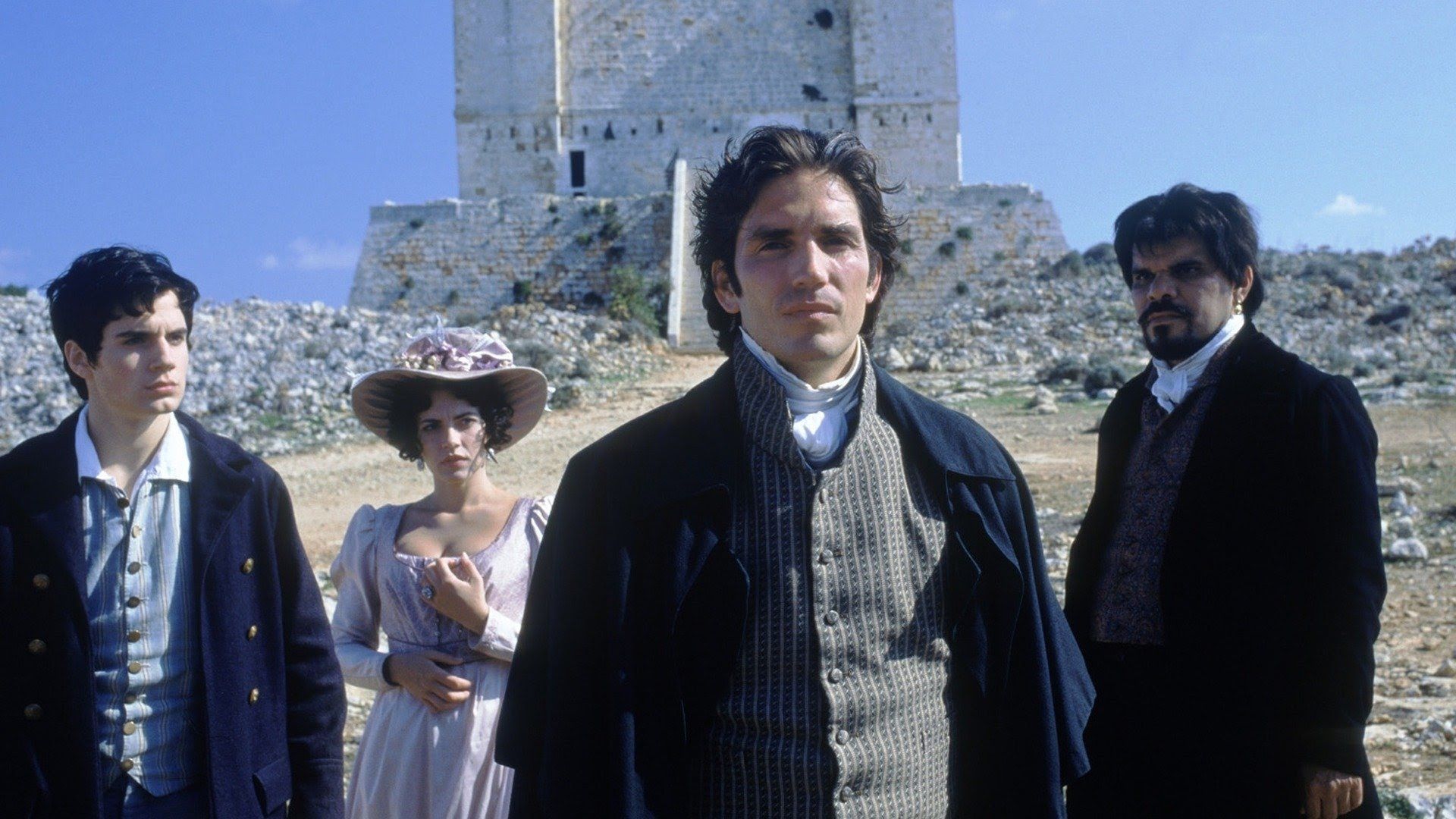
The Count of Monte Cristo takes place in France after Napoleon’s defeat. It tells the story of Edmond Dantès, a sailor falsely accused of helping the exiled emperor. He’s sentenced to life in the harsh prison of Château d’If. After fourteen years, he manages a daring escape, disguising himself as a corpse. Dantès then discovers the location of a hidden treasure on the island of Monte Cristo, which he claims. Using his newfound wealth, he reinvents himself as the powerful Count of Monte Cristo and returns to Paris seeking revenge against those who wronged him.
The story’s enduring themes – like hope, compassion, fairness, revenge, drive, and forgiveness – have always made it attractive to filmmakers. The rich, 19th-century backdrop is also perfect, giving costume and set designers plenty of creative freedom. Beyond that, the main character, Dante, is a fantastic choice for a movie. He’s both smart and skilled at disguising himself, taking on many different identities throughout the book – including Lord Wilmore, Abbe Busoni, Chief Clark, and even Sinbad the Sailor, in addition to being The Count of Monte Cristo.
Best Adaptations:
- The Count of Monte Cristo – 1934 – dir. by Rowland V. Lee
- The Count of Monte Cristo – 1975 – dir. by David Greene
- The Count of Monte Cristo – 2002 – dir. by Kevin Reynolds
‘Treasure Island’ by Robert Louis Stevenson
30–40 Film Adaptations
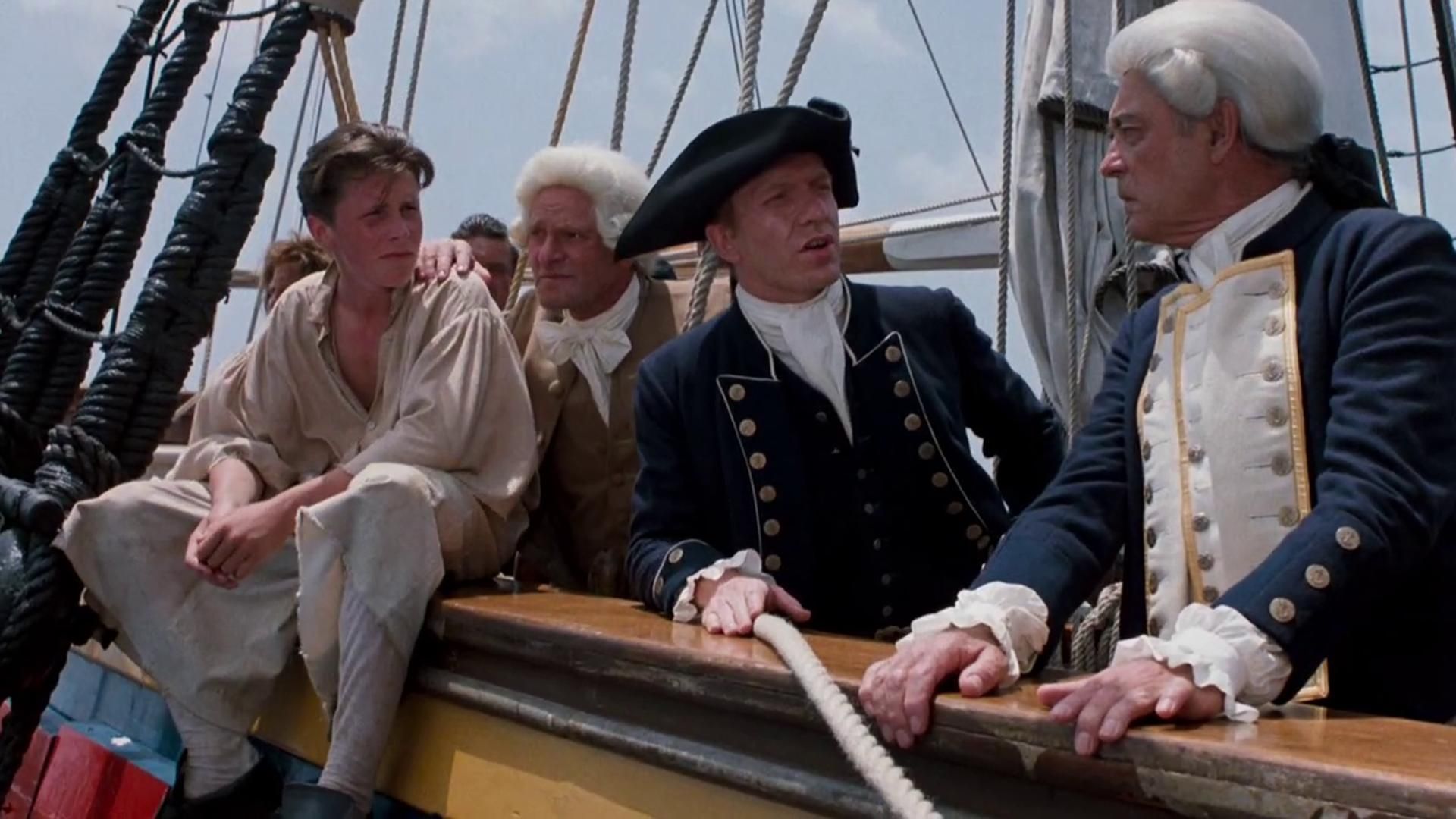
Treasure Island tells the story of young Jim Hawkins and his adventures with pirates searching for buried treasure. It first appeared as a series of stories in the children’s magazine Young Folks, originally titled Treasure Island or the Mutiny of the Hispaniola, and was written under the name “Captain George North.” Later, it was published as a complete book by Robert Louis Stevenson.
The book’s enduring appeal to filmmakers stems from its focus on universal human desires and memorable characters like Jim and Long John Silver. It explores how far people will go to achieve wealth and transform their lives, while also warning about the consequences of wrongdoing. Ultimately, it’s a thrilling pirate adventure that offers enjoyment for everyone, even those who aren’t typically drawn to the genre – as evidenced by adaptations like the Muppets’ version.
Best Adaptations:
- Treasure Island – 1950 – dir. by Byron Haskin
- Treasure Island – 1972 – dir. by John Hough
- Treasure Island – 1990 – dir. by Fraser Clarke Heston
‘The Three Musketeers’ by Alexandre Dumas
35–45 Film Adaptations
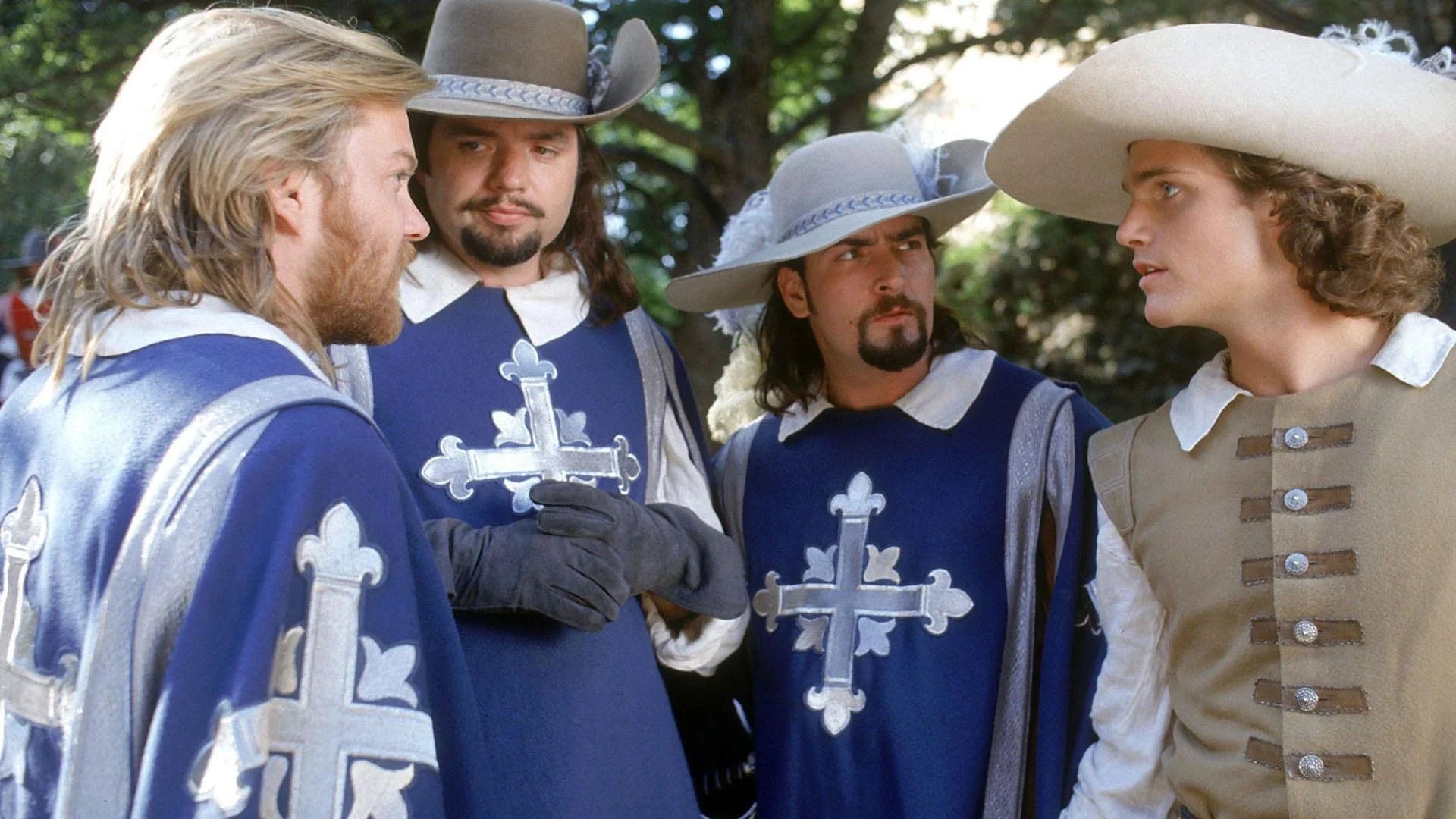
Published in the early 1600s, The Three Musketeers tells the story of d’Artagnan, a young man who travels to Paris hoping to become a king’s guard. Though he doesn’t immediately get the position he wants, he quickly befriends three of the most skilled and respected musketeers: Athos, Aramis, and Porthos, changing his luck for the better. The character d’Artagnan was inspired by a real historical figure, Charles de Batz-Castelmore d’Artagnan, who served as captain of the king’s musketeers.
If a book’s genre is popular, it often gets adapted into multiple movies or shows. For example, The Three Musketeers was made into many films during the early days of cinema and Hollywood’s peak, as swashbuckling adventures were in high demand. Directors kept returning to the story, leading to a new adaptation almost every year. However, the book’s appeal goes beyond just its genre. Its exciting adventures, strong themes of loyalty and friendship, and snappy writing also make it perfect for the screen.
Best Adaptations:
- The Three Musketeers – 1948 – dir. by George Sidney
- The Three Musketeers – 1973 – dir. by Richard Lester
- The Three Musketeers – 1993 – dir. by Stephen Herek
‘Alice’s Adventures in Wonderland’ by Lewis Carroll
35–50 Film Adaptations
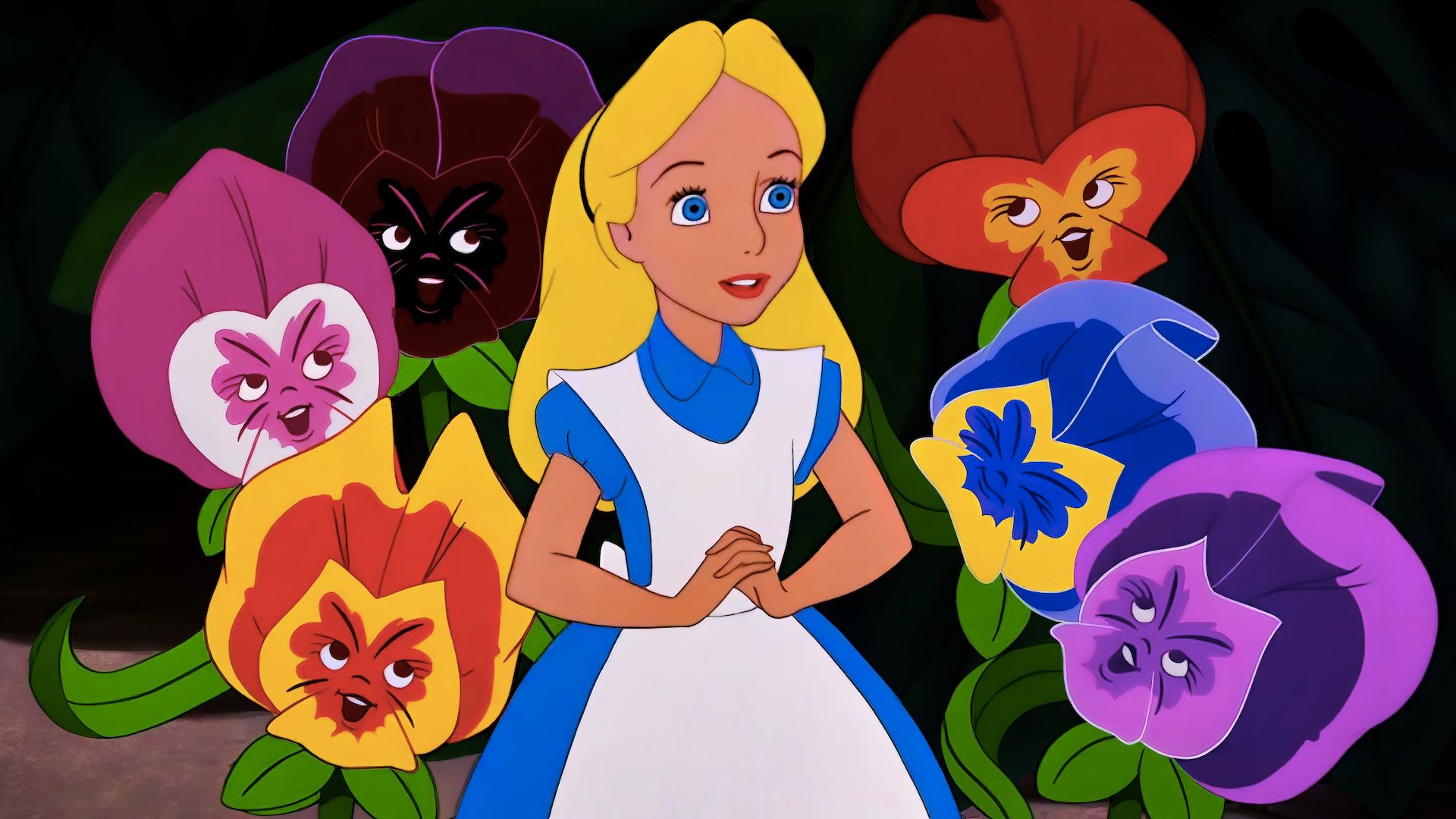
Lewis Carroll, a math professor at Oxford University, originally wrote Alice’s Adventures in Wonderland simply as a creative experiment. However, it became hugely successful. The story follows Alice, a young girl who falls down a rabbit hole and into a fantastical dream. There, she experiences a series of strange and unpredictable adventures, constantly changing size and encountering memorable characters like the Mad Hatter, the March Hare, the Duchess, the Cheshire Cat, the Red Queen, and the Mock Turtle.
This book is famous for making the ‘literary nonsense’ genre popular, giving writers and filmmakers the freedom to explore strange and imaginative ideas without criticism. The colorful and illogical world of Alice’s Adventures in Wonderland has inspired directors to create stunning visuals and expand upon the story in creative ways.
Best Adaptations:
- Alice in Wonderland – 1951 – dir. by Clyde Geronimi, Wilfred Jackson, Hamilton Luske
- Alice’s Adventures in Wonderland – 1972 – dir. by William Sterling
- Alice – 1988 – dir. by Jan Švankmajer
‘A Christmas Carol’ by Charles Dickens
40–60 Film Adaptations
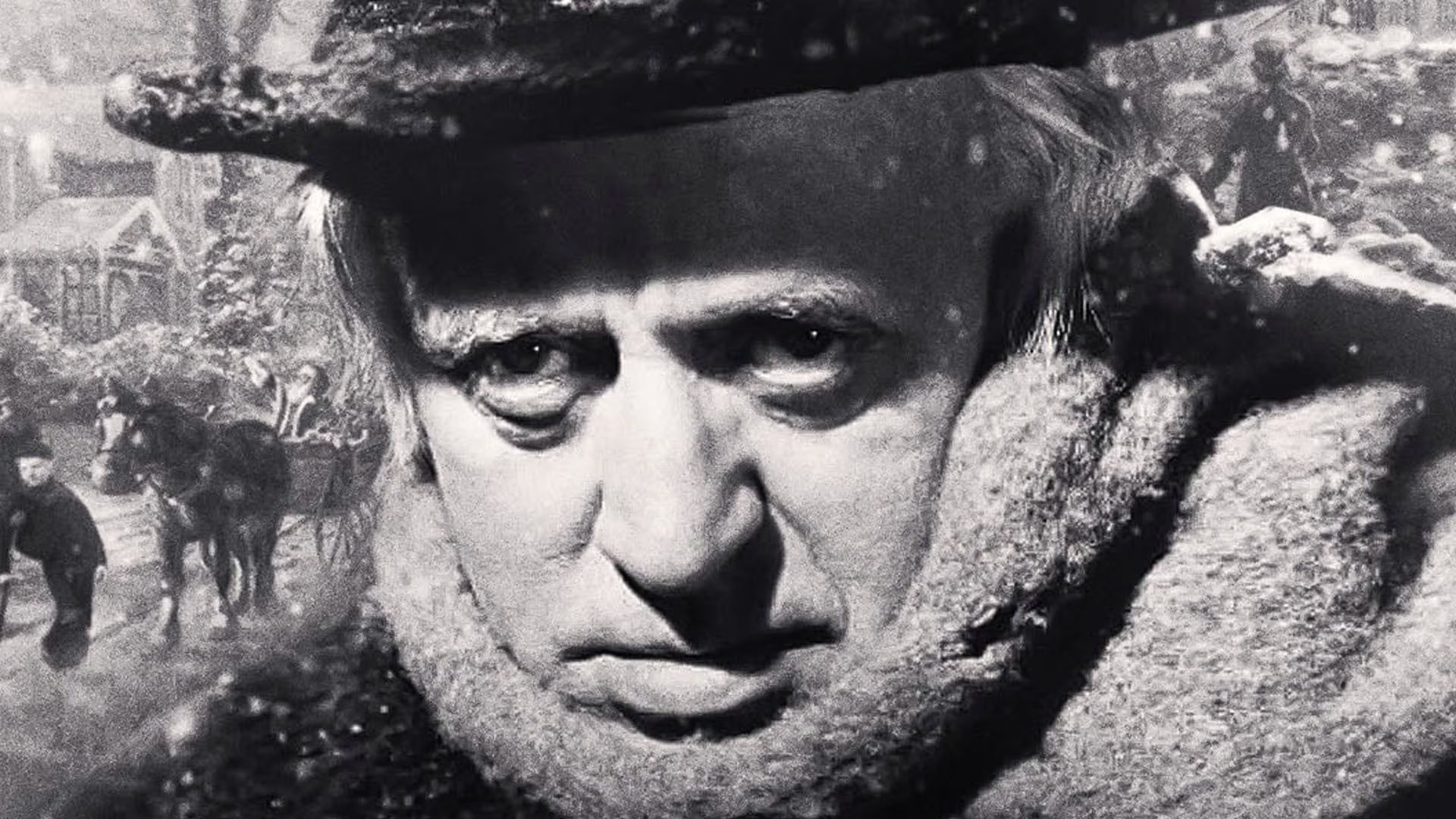
Charles Dickens is celebrated as the most important novelist of the Victorian period, and while he wrote many popular books, A Christmas Carol is considered his most defining work. It was the first in a series of Christmas stories he published each year, and it follows the transformation of Ebenezer Scrooge, a miserly old man. After being visited by the ghost of his former partner, Jacob Marley, Scrooge becomes kind and generous.
Directors are always looking for heartwarming stories with a good message, especially around the holidays. That’s why Christmas movies remain popular, and studios often revisit Charles Dickens’ classic tale instead of trying something completely new.
Best Adaptations:
- Scrooge – 1951 – dir. by Brian Desmond Hurst
- A Christmas Carol – 1984 – dir. by Clive Donner
- A Christmas Carol – 2009 – dir. by Robert Zemeckis
‘Tarzan of the Apes’ by Edgar Rice Burroughs
60–80 Film Adaptations
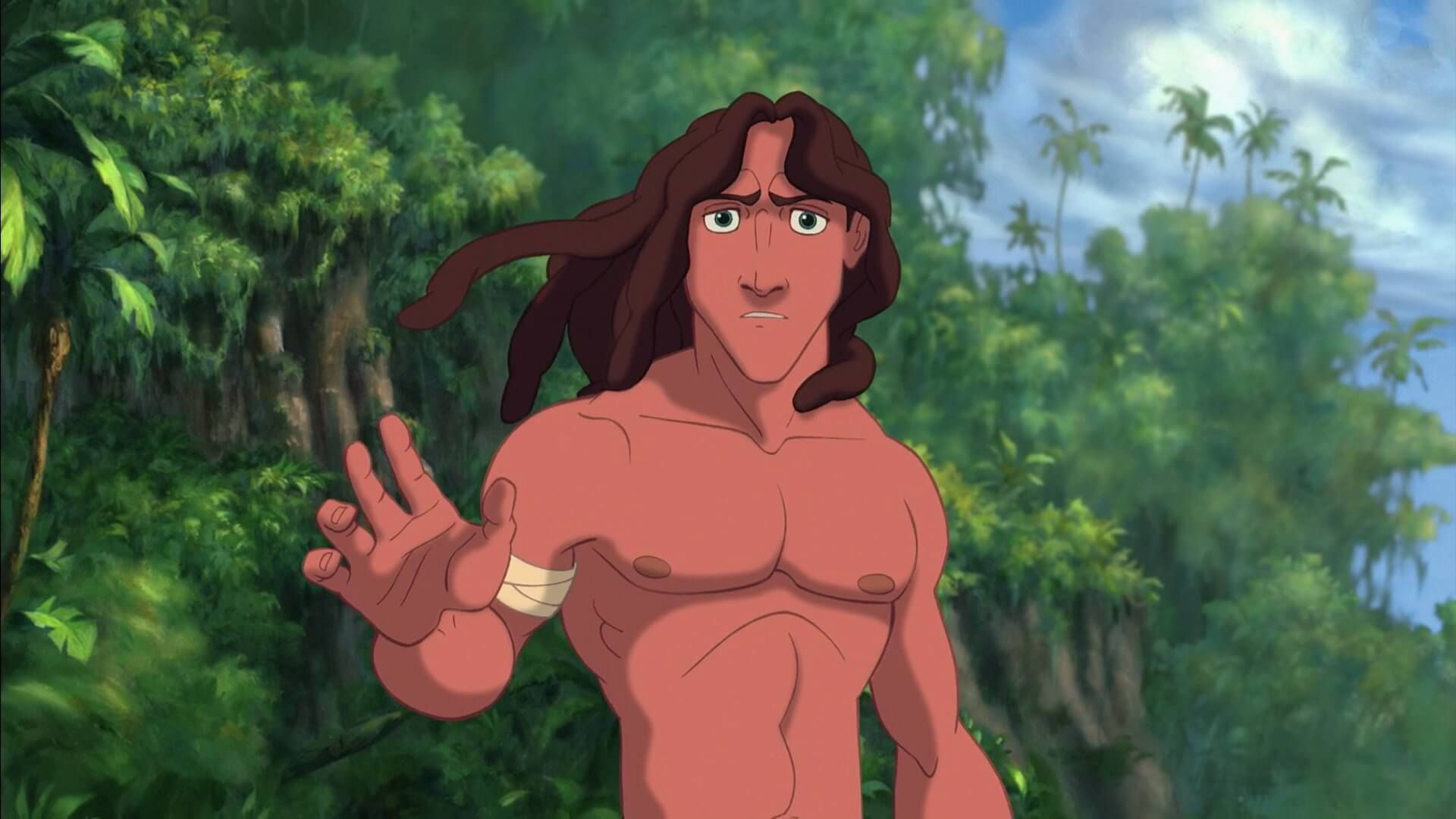
I recently revisited the classic tale of Tarzan, and it’s still a surprisingly compelling story. It begins with Lord and Lady Greystoke, stranded in the African wilderness, where they tragically perish shortly after the birth of their son, John Clayton. This little boy isn’t raised by humans, though. He’s found and adopted by Kala, a great ape who’s lost her own baby. She raises him as her own, and he grows into the legendary Tarzan, a powerful warrior of the jungle. It’s easy to see why Edgar Rice Burroughs’ Tarzan of the Apes became such a phenomenon – it clearly captured the public’s imagination, leading him to write a whopping 24 sequels!
For over a century, filmmakers have been drawn to Edgar Rice Burroughs’ Tarzan of the Apes because of its compelling look at the minds of both humans and apes, exciting action scenes, and beautiful landscapes. The story’s themes – like finding your place in the world, what it means to be civilized, family, and simply surviving – connect with audiences of all kinds. While there’s always discussion about the best Tarzan movie, the Disney adaptation consistently ranks among the top choices, while many others are quickly forgotten.
Best Adaptations:
- Tarzan the Ape Man – 1932 – dir. by W.S. Van Dyke
- Tarzan, the Ape Man – 1981 – dir. by John Derek
- Tarzan – 1999 – dir. by Kevin Lima
‘Frankenstein; or, The Modern Prometheus’ by Mary Shelley
60–80 Film Adaptations
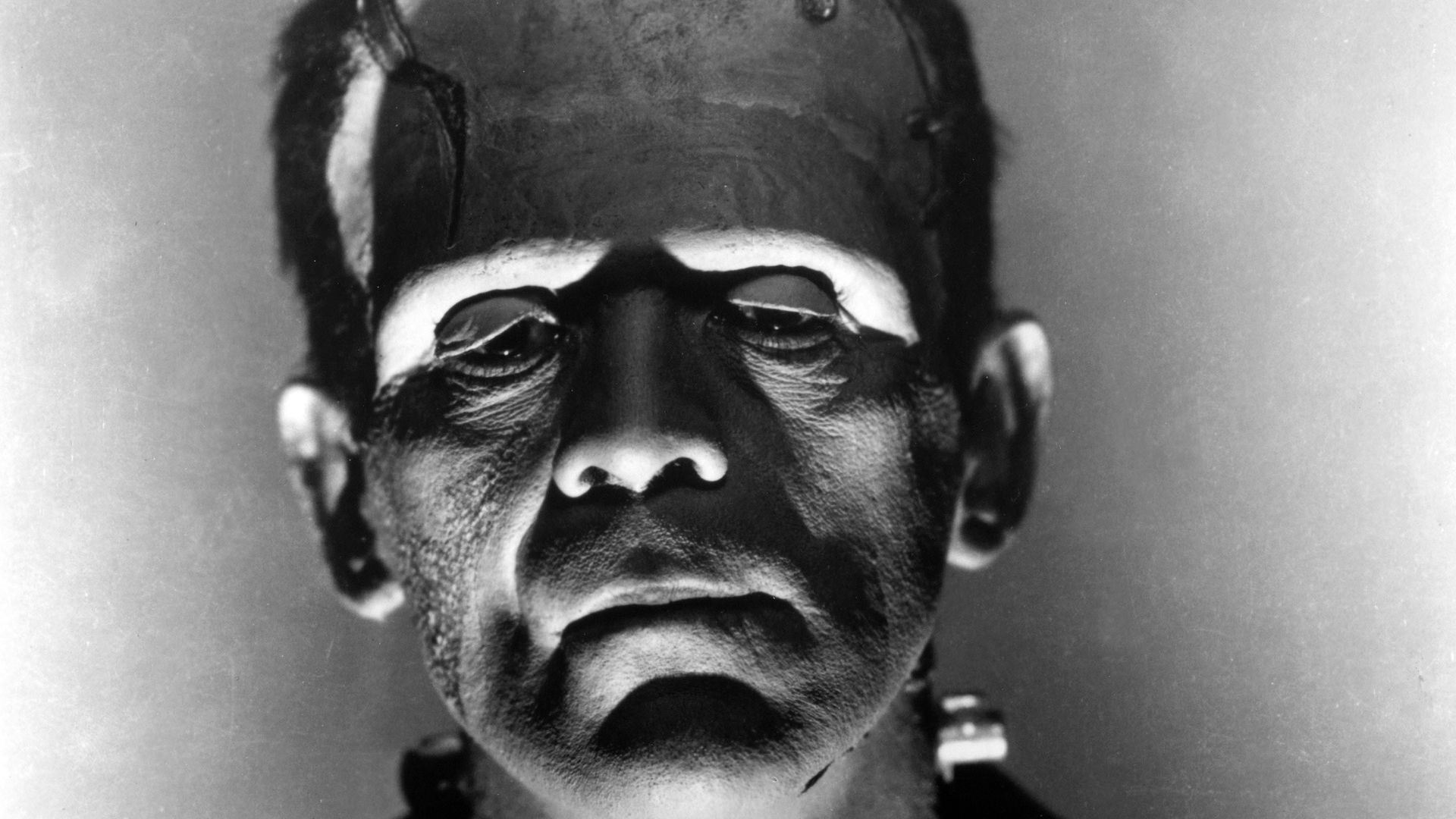
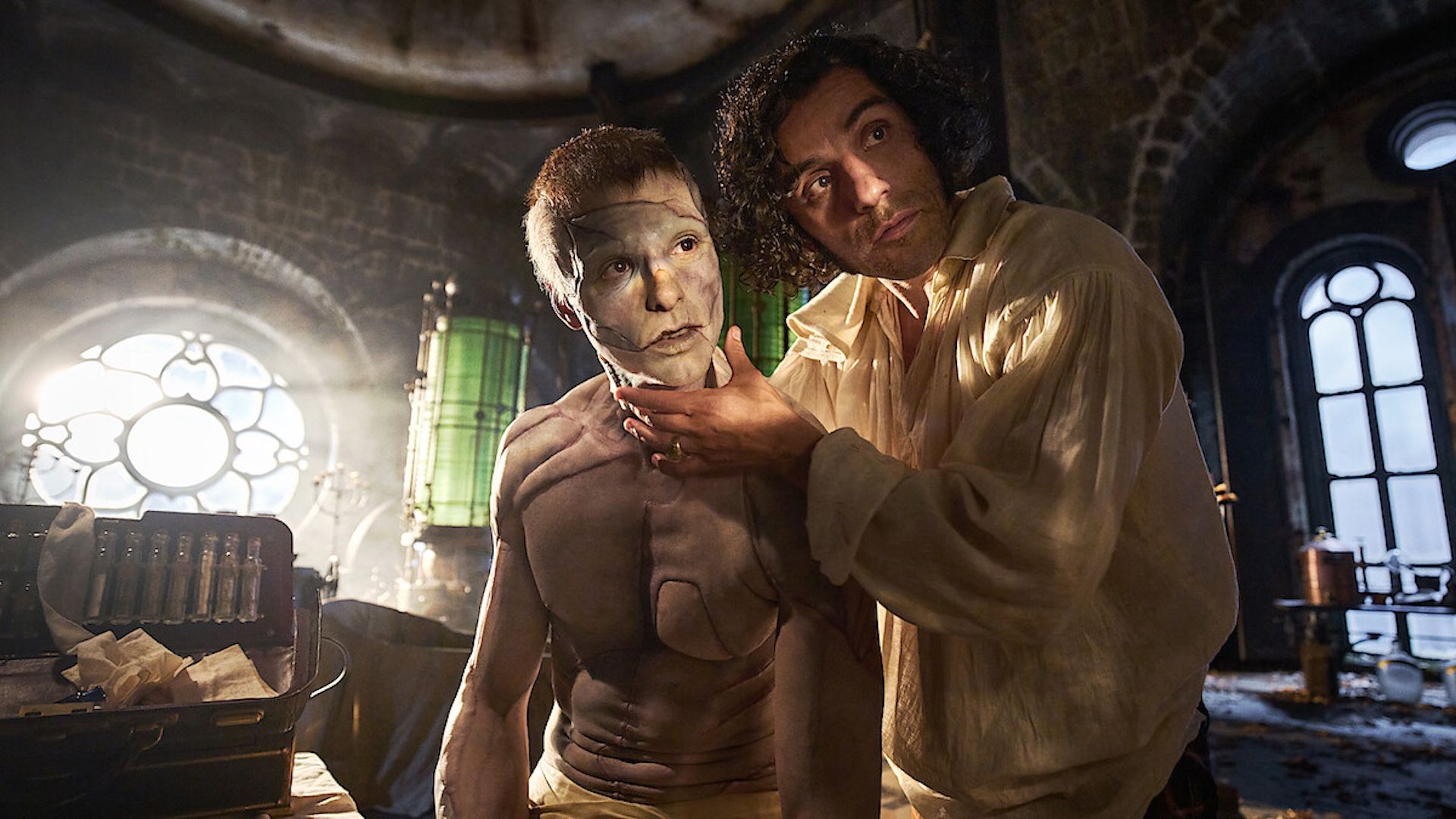
Mary Shelley wrote Frankenstein when she was just 18 years old in 1818, and she probably didn’t realize how famous her creation would become. The novel blends science fiction and spooky horror, telling the story of Victor Frankenstein, a Swiss scientist who builds a creature out of dead body parts. Ultimately, the monster rebels against Victor, killing him before taking its own life.
For over two hundred years, the story of Frankenstein has stayed relevant, largely because it warns us about the dangers of unchecked scientific ambition. As new discoveries are made, Shelley’s novel reminds us to be cautious about trying to overcome natural limits, like death. Movie studios quickly realized the power of the name “Frankenstein” to attract audiences, and have continued to make films based on it ever since, a trend that shows no signs of stopping.
Best Adaptations:
- Frankenstein – 1931 – dir. by James Whale
- Frankenstein – 1973 – dir. by Paul Morrell
- Frankenstein – 2025 – dir. by Guillermo del Toro
‘Dracula’ by Bram Stoker
60–90 Film Adaptations
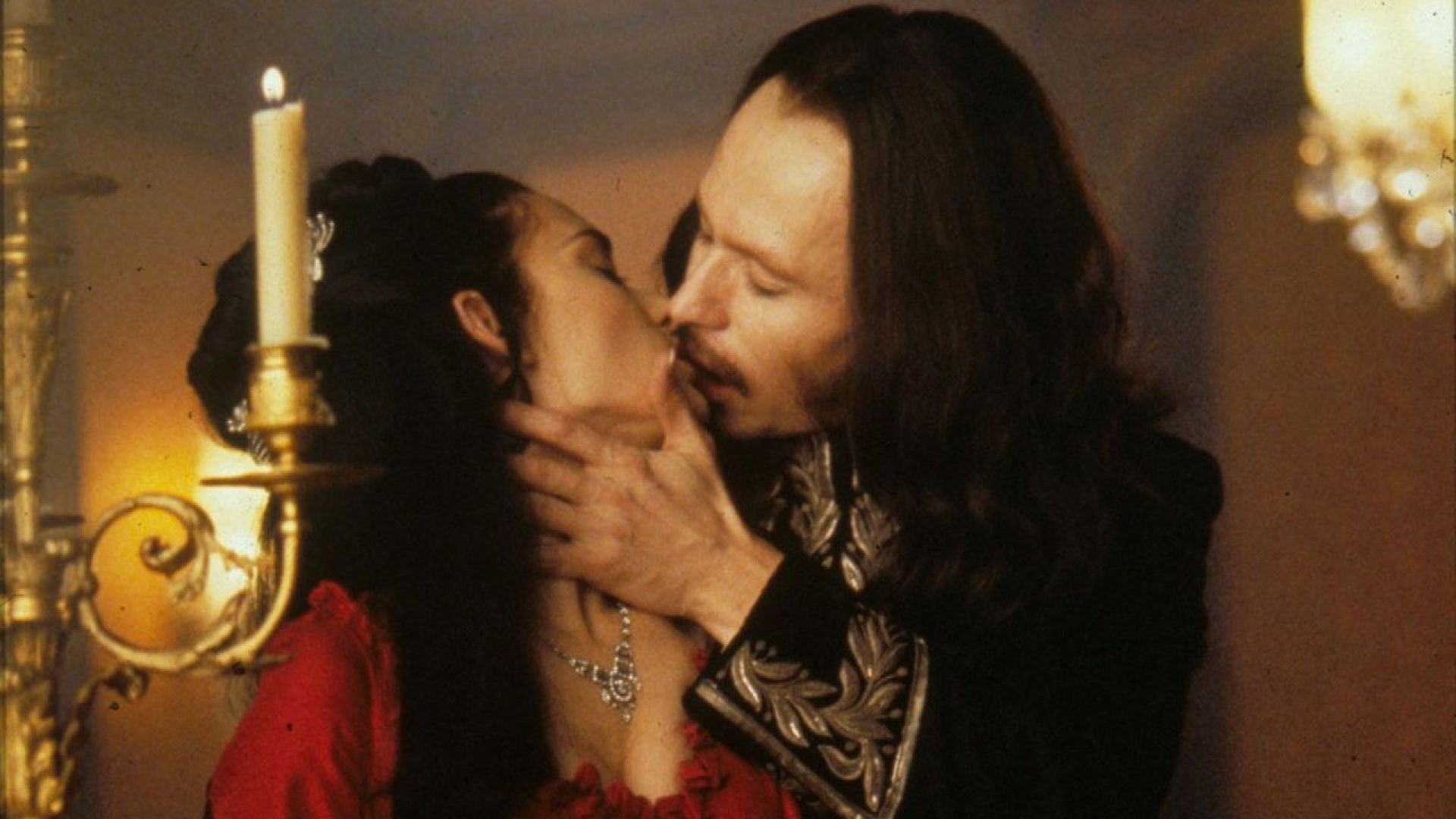
Bram Stoker’s Dracula tells the story of a lawyer who travels to Transylvania for work and finds himself a guest in Count Dracula’s castle. After realizing Dracula is a vampire, the lawyer escapes. Dracula then moves to England, bringing trouble to the peaceful coastal town of Whitby. A team, spearheaded by the vampire hunter Abraham Van Helsing, unites to stop him.
While many excellent vampire films have been made, adaptations of Dracula consistently generate the most excitement. Count Dracula stands out because he’s more than just a scary creature; he embodies charisma, allure, and fear, making audiences connect with him on a deeper level. He’s been depicted as both a cold-blooded killer and a central figure in suspenseful, romantic horror stories.
Best Adaptations:
- Dracula – 1931 – dir. by Tod Browning
- Horror of Dracula – 1958 – dir. by Terence Fisher
- Bram Stoker’s Dracula – 1992 – dir. by Francis Ford Coppola
Read More
- United Airlines can now kick passengers off flights and ban them for not using headphones
- Crimson Desert: Disconnected Truth Puzzle Guide
- All 9 Coalition Heroes In Invincible Season 4 & Their Powers
- How to Get to the Undercoast in Esoteric Ebb
- Mewgenics vinyl limited editions now available to pre-order
- All Golden Ball Locations in Yakuza Kiwami 3 & Dark Ties
- Grey’s Anatomy Season 23 Confirmed for 2026-2027 Broadcast Season
- Warframe Voruna Prime access begins on April 8 for all platforms, new deluxe cosmetic Warframe skins revealed
- All Itzaland Animal Locations in Infinity Nikki
- Zendaya’s 4 Big 2026 Movies Could Beat Brie Larson’s Box 2019 Office Record
2026-04-04 18:39