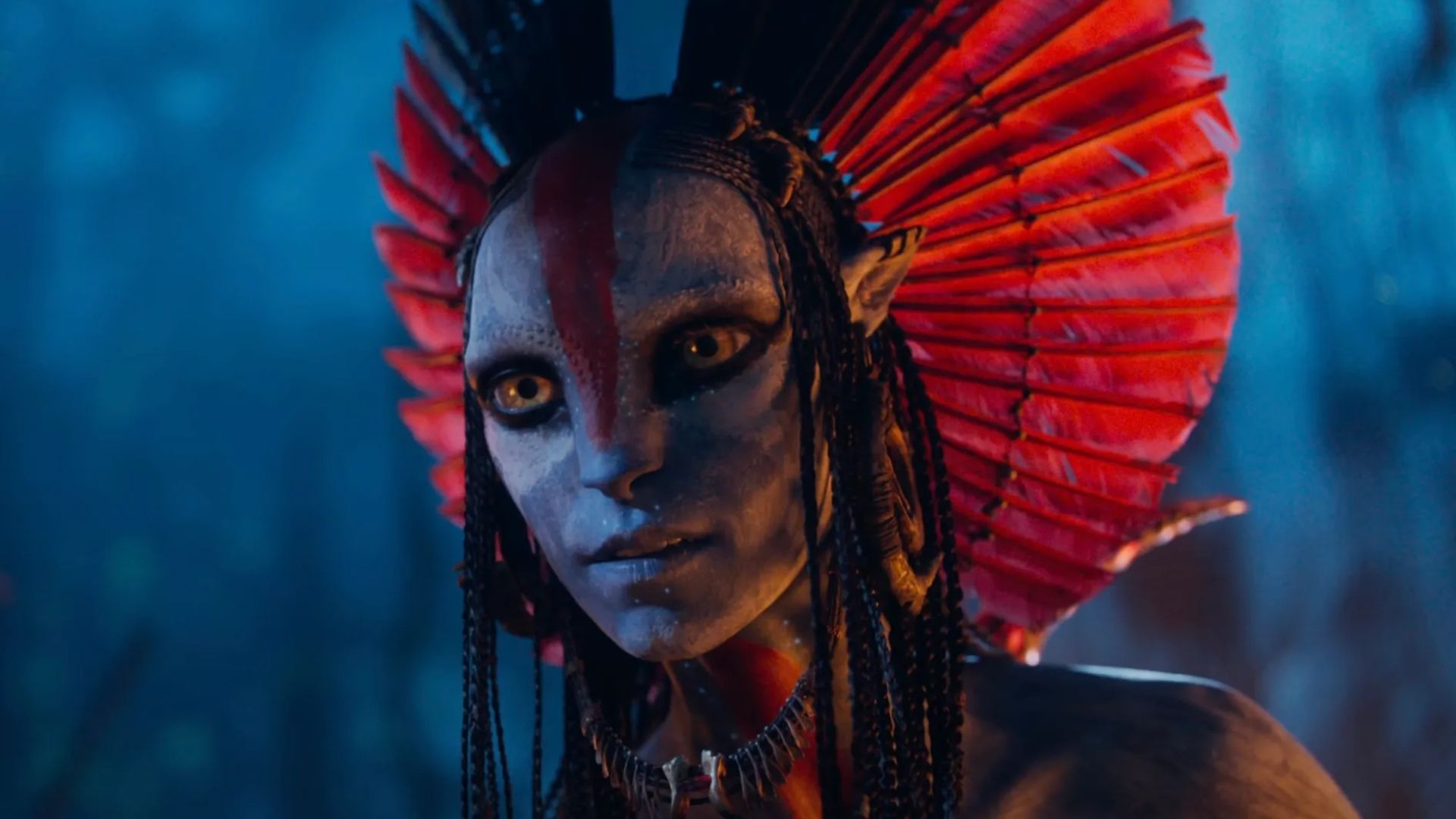
With the release of Avatar: Fire and Ash nearing, director James Cameron has been busy both promoting the film and responding to criticism. Known for his innovative use of technology in filmmaking, Cameron has consistently pushed the boundaries of what’s possible on screen. While Avatar is his most expansive project, some have argued it prioritizes visual effects over compelling stories and characters. In a recent interview, Cameron discussed his use of performance capture, admitting he now wishes he had been more open about the process to better support his actors.
Renowned director James Cameron, known for films like Titanic and Aliens, recently discussed the growing use of generative AI with SAG-AFTRA’s Duncan Crabtree-Ireland. In the podcast, Cameron expressed his worries about the technology, stating that it’s important to distinguish between traditional computer-assisted filmmaking and true generative AI. He explained that the film industry has long relied on computers and performance capture, but these shouldn’t be confused with the new possibilities – and potential problems – of AI that creates content on its own.
We’re all understandably worried about actors being replaced, or their voices and images being used without permission.
When talking about the Avatar movies, Cameron acknowledges a shift in approach with the upcoming Avatar: Fire and Ash. Unlike the first two films, where he kept many of the filmmaking techniques hidden, he’s chosen to be more open about the process with Avatar 3, emphasizing that he wants the actors to be at the heart of the storytelling.
Looking back at the first two Avatar films, I kept the filmmaking process very secretive, wanting to create a sense of wonder and let the characters feel real. I now realize that wasn’t fair to my incredible actors. So, I’m making a point of being much more open about how much the actors drive the performances – I truly believe that’s the heart of great film acting.
The Performances in ‘Avatar’ Have Not Been Considered in the Awards Race
As a huge movie fan, I remember when the first Avatar really made a splash during awards season back in 2010. It racked up nine Academy Award nominations and actually took home three wins – for Cinematography, Production Design, and Visual Effects. Then, with Avatar: The Way of Water in 2023, it happened again! It got four nominations and, unsurprisingly, won Best Visual Effects once more. Both films were also in the running for the biggest prize of all – Best Picture – which just shows how impactful they are.
Despite strong performances, these actors were consistently overlooked in the Academy Awards’ main acting categories. The Academy seems to prioritize visual spectacle over the nuances of performance capture, focusing on what the director achieves visually. However, the director does emphasize the skill involved in performance capture and argues it deserves recognition alongside traditional acting.
Performance capture is a powerful tool for actors to build characters, but it’s best suited for certain roles. It’s not ideal for things like dinosaurs – instead, it really shines when bringing humanoid characters to life, the kind that would traditionally require extensive makeup.
We focus on capturing a believable and nuanced performance from an actor – those genuine, heartfelt moments that feel real. Unlike traditional filming, where you need multiple takes to get all the necessary shots, we don’t need to worry about ‘coverage.’ This allows us to capture the true essence of the performance without repeated takes, and that’s what makes performance capture so powerful.
Read More
- United Airlines can now kick passengers off flights and ban them for not using headphones
- How to Complete Bloom of Tranquility Challenge in Infinity Nikki
- Gold Rate Forecast
- How to Solve the Glenbright Manor Puzzle in Crimson Desert
- 8 Actors Who Could Play Blackbeard In One Piece Live-Action Season 3
- All Itzaland Animal Locations in Infinity Nikki
- All Golden Ball Locations in Yakuza Kiwami 3 & Dark Ties
- A Dark Scream Theory Rewrites the Only Movie to Break the 2-Killer Rule
- All 10 Potential New Avengers Leaders in Doomsday, Ranked by Their Power
- DC Comics’ Absolute Two-Face and Absolute Penguin Confirmed
2025-12-10 20:48