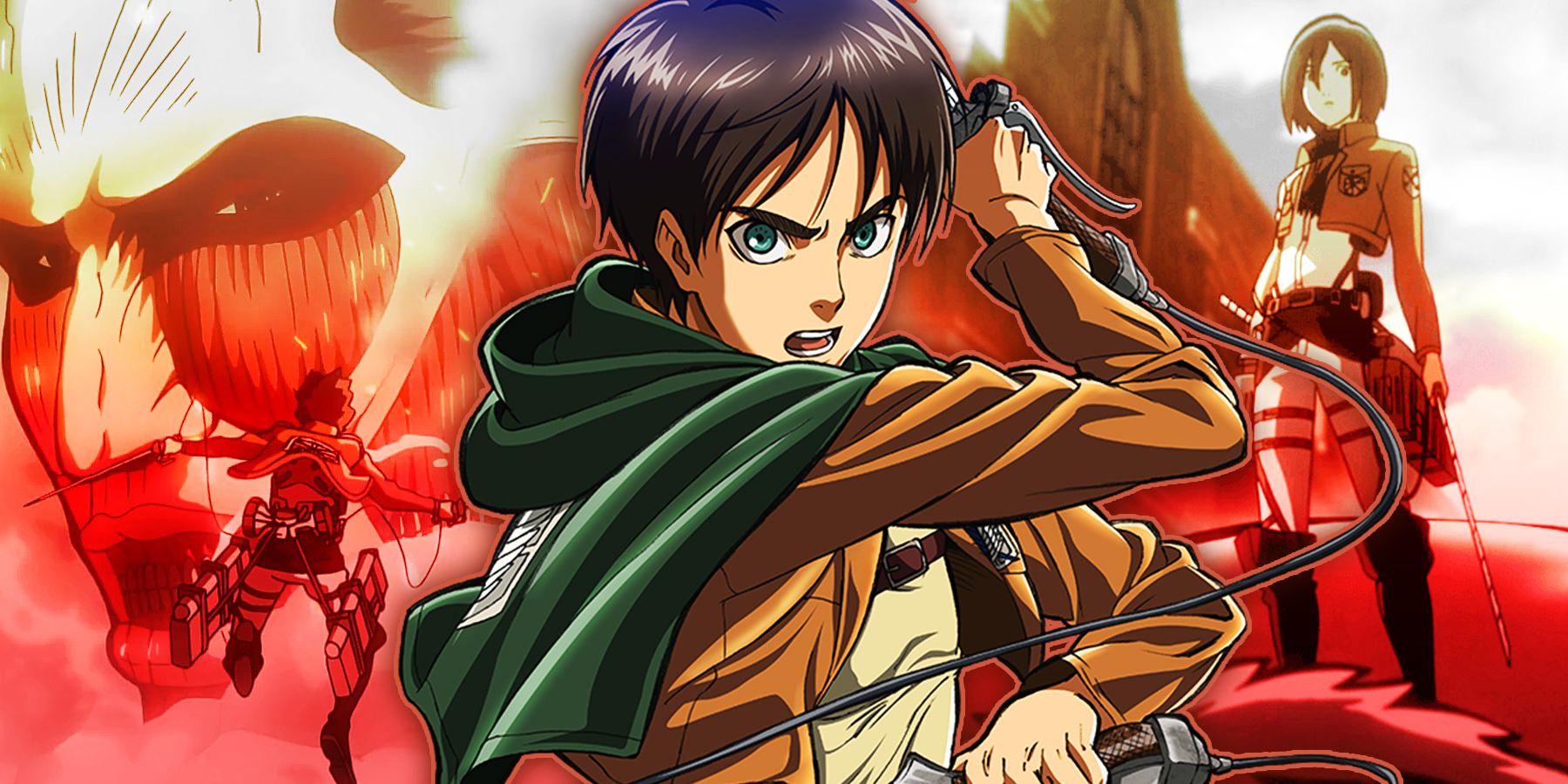
Anime is now incredibly popular worldwide, but its start wasn’t easy. Surprisingly, the publisher who created it initially doubted it would succeed.
I was so fascinated to hear about a panel from the IMART festival in Japan! Kodansha representatives were talking about how risky adapting Attack on Titan actually was. Apparently, internally, they genuinely thought the anime might fail! They were worried it was too dark and lacked those typical ‘moe’ elements – you know, the really cute, endearing qualities – that a lot of anime rely on to become popular. It’s amazing how wrong they were, honestly!
Attack on Titan’s Lack of Cuteness Cast Doubts on the Anime’s Success
Back in 2013, as the first season of Attack on Titan was preparing to launch, the anime world was dominated by the “moe” style – shows featuring adorable characters designed to appeal to fans and sell merchandise, especially figures, to a dedicated audience. Attack on Titan represented a significant departure from this trend.
Back then, streaming wasn’t what it is now, and selling anime overseas wasn’t a huge thing yet. This meant the Attack on Titan anime was a really big risk financially – the team couldn’t count on selling it internationally or through digital platforms. It didn’t have that typical ‘cute’ appeal that often guarantees success, so it was a gamble! Thankfully, Masatoshi Tsunoda, who handled rights at Kodansha, really believed in the project and gave it the support it needed to actually happen.
Yusuke Tsunoda, speaking at the panel, explained that when Kodansha invests in an anime, it’s a long-term commitment to the creator. He felt the company had a professional and ethical responsibility to finish the adaptation, even if early financial forecasts were discouraging. Kodansha decided to proceed with the project, confident that the series had the potential to attract viewers and ultimately become profitable.
Akira & Fairy Tail Served as a Blueprint for Attack on Titan Anime’s Success
When arguing for the success of Attack on Titan, Tsunoda pointed out that classics like Akira also initially faced losses before becoming hugely popular and profitable over time. Similarly, Fairy Tail proved to be a key model for Kodansha’s current business strategy. By fully adapting Hiro Mashima’s manga into a complete anime series, the publisher realized the potential value and large fanbase that could be built by fully animating a work.
These experiences led Kodansha to prioritize long-term support for anime adaptations, instead of focusing solely on immediate profits. This meant they wouldn’t cancel a series after just one season. When faced with challenges like production delays or gaps between seasons, Kodansha actively found ways to keep fans engaged – through things like live-action shows and special events – ensuring the series remained popular and relevant.
I remember when things got tough for Kodansha with Attack on Titan. It felt like a real challenge for them. But instead of giving up, they doubled down and committed to finishing the series, which I really admired.
I watched as years of hard work culminated in a truly groundbreaking series. Attack on Titan didn’t just raise the bar for storytelling in anime and manga, it also paved the way for more complex and mature themes in the genre. It was incredible to see it become the most popular TV show globally in 2021 – the first time a non-English language series had ever achieved that! Beyond the Guinness World Record, the manga has sold over 140 million copies, and the anime has repeatedly been recognized as Anime of the Year at the Crunchyroll Anime Awards.
Read More
- United Airlines can now kick passengers off flights and ban them for not using headphones
- Crimson Desert: Disconnected Truth Puzzle Guide
- All 9 Coalition Heroes In Invincible Season 4 & Their Powers
- Mewgenics vinyl limited editions now available to pre-order
- Grey’s Anatomy Season 23 Confirmed for 2026-2027 Broadcast Season
- Does Mark survive Invincible vs Conquest 2? Comics reveal fate after S4E5
- Viral Letterboxd keychain lets cinephiles show off their favorite movies on the go
- How to Get to the Undercoast in Esoteric Ebb
- All Golden Ball Locations in Yakuza Kiwami 3 & Dark Ties
- Dakota County’s plan to end hunger involves locking mayors in escape rooms
2026-03-16 04:18