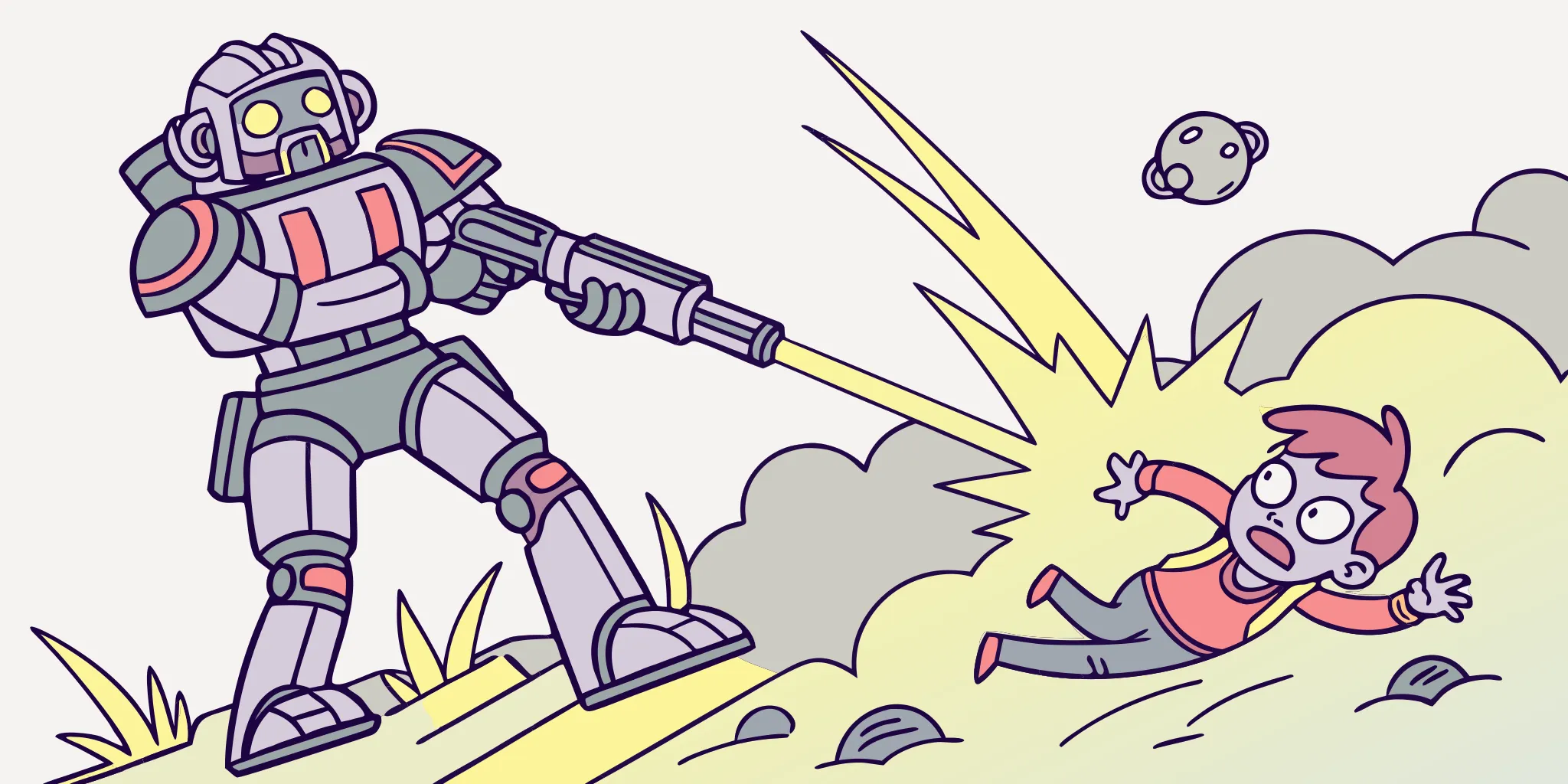
Let’s face it: for every amazing, heroic sacrifice you make in ARC Raiders, there are probably several attempts that go hilariously wrong. You might rush in to help, only to fall off a cliff or stumble into a trap. These funny mishaps are just as common as the big wins, and they often become the stories your team shares and laughs about for ages. Knowing the difference between a smart move and a mistake is important, but being able to laugh at those mistakes is what really makes the game enjoyable and keeps you playing.
Key Takeaways
- Treat Your Life as a Strategic Resource: Instead of just trying to survive, learn to identify moments where trading your life for a bigger team advantage—like securing an objective or creating a diversion—is the winning move.
- Make Every Sacrifice Count with Clear Communication: A hero play is wasted if your team can’t follow up. Use quick, direct callouts to ensure your squad capitalizes on the opening you create, turning a 1-for-1 trade into a decisive victory.
- Build a Team-First Mentality Before the Fight: Game-winning plays are built on trust. Prepare your squad by discussing tactics, choosing complementary augments, and celebrating bold attempts to create a culture where everyone plays for the team.
What Makes a Self-Sacrifice Play So Good in ARC Raiders?
Everyone who plays team-based shooters has faced that critical moment: things go wrong in a fight, and you have to instantly decide whether to protect yourself or make a play for your team. In ARC Raiders, sacrificing yourself isn’t just a desperate act; it’s often a smart, strategic move that can win the game. These kinds of plays are so impressive they get shared everywhere, turning a likely defeat into an amazing victory. That blend of intense strategy and unpredictable action is what makes playing with a squad so exciting. Knowing when to put yourself at risk for the good of the team is what truly distinguishes skilled players.
The Strategy Behind Taking One for the Team
A well-timed sacrifice in a strategic situation is all about long-term thinking. It means recognizing that you can give up something – even your own progress – to gain a bigger advantage, like completing an important goal, helping a teammate get back in the fight, or creating an opportunity for your team to advance. This isn’t reckless; it’s a carefully considered move that can change the course of the game. Often, the most effective sacrifices involve using an enemy’s own attack against them, resulting in a satisfying turn of events when they least expect it. A clever sacrifice puts the enemy on the defensive, diverting their focus and resources, allowing your team to take advantage of the resulting confusion.
Trading Your Life for the Win
Sometimes, the biggest wins come from truly heroic teamwork – sacrificing yourself to give your team the advantage. We’ve all seen those amazing moments where one player’s selfless act leads to victory, creating lasting memories and strengthening the bond between teammates. In ARC Raiders, these kinds of plays often pay off immediately, which is incredibly satisfying. It’s a risky move, but when it works, it feels fantastic – and can even be a little funny!
Why Go Down Swinging?
In ARC Raiders, some of the most exciting moments aren’t just about staying alive – they’re about fighting to the very end, even when defeat seems certain. This means turning a difficult fight into a win for your team, or at least creating a memorable story. It’s a deliberate decision to sacrifice yourself for a greater benefit, but it’s not about rushing in blindly. It’s about spotting an opportunity others miss and having the courage to act on it. A smart sacrifice can stop an enemy advance, secure an important goal, or give your team the opening they need to win. It takes skill and teamwork to make this work. When you prioritize the team’s success over your own score, it builds trust and boosts morale. These are the plays people remember and share, establishing you as a reliable teammate who’s willing to make tough choices. It’s understanding that contributing to the team’s win is more important than your individual performance, and sometimes the best contribution is creating a distraction or taking down a key enemy with you. This is what separates good players from truly great teammates.
How to Read the Battlefield
Successfully navigating a battle isn’t just about seeing opponents; it’s about grasping how the fight is unfolding, guessing what the enemy will do next, and always knowing where your teammates are. When you truly understand the chaos, you can spot brief opportunities to make a game-changing play. That’s when good team communication is most valuable. Clear and quick updates from your squadmates connect the dots, giving you a complete understanding of the situation. With everyone sharing the same information, you can predict enemy actions and time your key moves for maximum impact.
Calculating Risk vs. Reward on the Fly
ARC Raiders throws you into fast-paced action where quick thinking is crucial. You’ll constantly be weighing risks and rewards, and every decision has immediate consequences. Rushing to help a fallen teammate might turn the tide of battle, or it could lead to both of you being defeated. Success depends on rapidly evaluating the situation: is the sacrifice worth it to take out a key enemy? Can your team follow up on the opportunity you create? Every heroic attempt is a gamble, and the difference between a brilliant move and a comical failure is razor-thin.
How Does Communication Turn Chaos into a Win?
Imagine this: enemy robots are attacking from all sides, lasers are flying everywhere, and your protective shield just broke. It’s total mayhem! In those moments, the difference between a successful team fight and a funny failure often comes down to how well you communicate. Clear communication is the key to turning a chaotic scramble into a coordinated and effective victory. But it’s not just about giving simple, robotic updates – it’s about more than that.
You know, the best teams I’ve played with aren’t just good at the game, they think like a team. It’s like, I just know where my teammates are going, what they’re planning, without even needing to ask. We crack jokes when things get intense, which somehow gets everyone refocused. When we’re really in sync, it doesn’t feel like we’re three people playing together, but one solid unit. That’s when we can pull off those crazy, coordinated plays – you know, the ones where someone makes a perfect sacrifice to win it all. Honestly, it all comes down to just talking to each other – getting on the mic and communicating!
Making Clear Callouts Under Fire
Okay, so when things get crazy in a firefight, clear communication is key. Seriously, just shouting “He’s over there!” is a quick way to get everyone wiped. The best callouts are super specific – like, “ARC Striker, on the roof, right side.” That gives my team exactly what they need to react instantly. But it’s not just what you say, it’s how you say it. If I stay calm, it helps everyone else chill out too. And honestly, a little humor can be a game-changer. A quick, funny comment can cut through all the panic and keep us focused on winning, instead of just freaking out about the explosions.
Building Trust with Your Squad
Effective communication isn’t just about giving instructions during intense moments—it’s about building strong relationships that help you win as a team. If you want a teammate to make a risky play for the win, they need to trust that the rest of the team will follow through. That trust doesn’t happen without talking and connecting. It’s built through lighthearted conversation, shared jokes, and encouragement, even after setbacks. These moments help everyone relax and communicate more freely, which creates a better team environment. When you truly connect with your teammates, you’ll find you work together seamlessly.
Keeping Morale High When It Matters Most
All teams face challenges – whether it’s unexpected interference, a failed strategy, or simply being outperformed. These moments can quickly damage team spirit, and it’s easy to fall into a cycle of negativity that leads to losing. That’s where good communication becomes crucial. Instead of letting frustration take over, a supportive teammate will offer encouragement. A quick phrase like “Let’s move on, we can do this!” or a lighthearted comment can help everyone regain focus. These positive interactions strengthen team bonds, improve how well everyone works together, and remind everyone that you’re all in this together.
What’s the Difference Between a Smart Sacrifice and a Wasted Life?
We’ve all faced those intense moments in team games: a teammate is under fire, enemies are swarming, and you have to decide instantly whether to rush in and help, or play it safe. In ARC Raiders, these split-second decisions are what the game is all about. Whether you’re a hero or make a costly mistake often depends on careful planning, not just bravery. A well-timed sacrifice can completely change a battle, allowing your team to recover and fight back. But a pointless one just means you’re starting over from the beginning.
I absolutely love the thrill of extraction shooters, and it’s those high-pressure moments that really stick with you. Seriously, whether a plan comes together flawlessly or totally falls apart, it always makes for an epic story my team and I will be retelling for ages! What I’ve learned is it’s all about judging the situation and knowing when to make a last stand, even if it means going down fighting. It’s a risky move, for sure, but it takes real skill – you need to know the map, what your teammates can do, and your own strengths. So, let’s break down the two biggest things that can turn a risky play into a win, or just a waste of time: timing and where you position yourself.
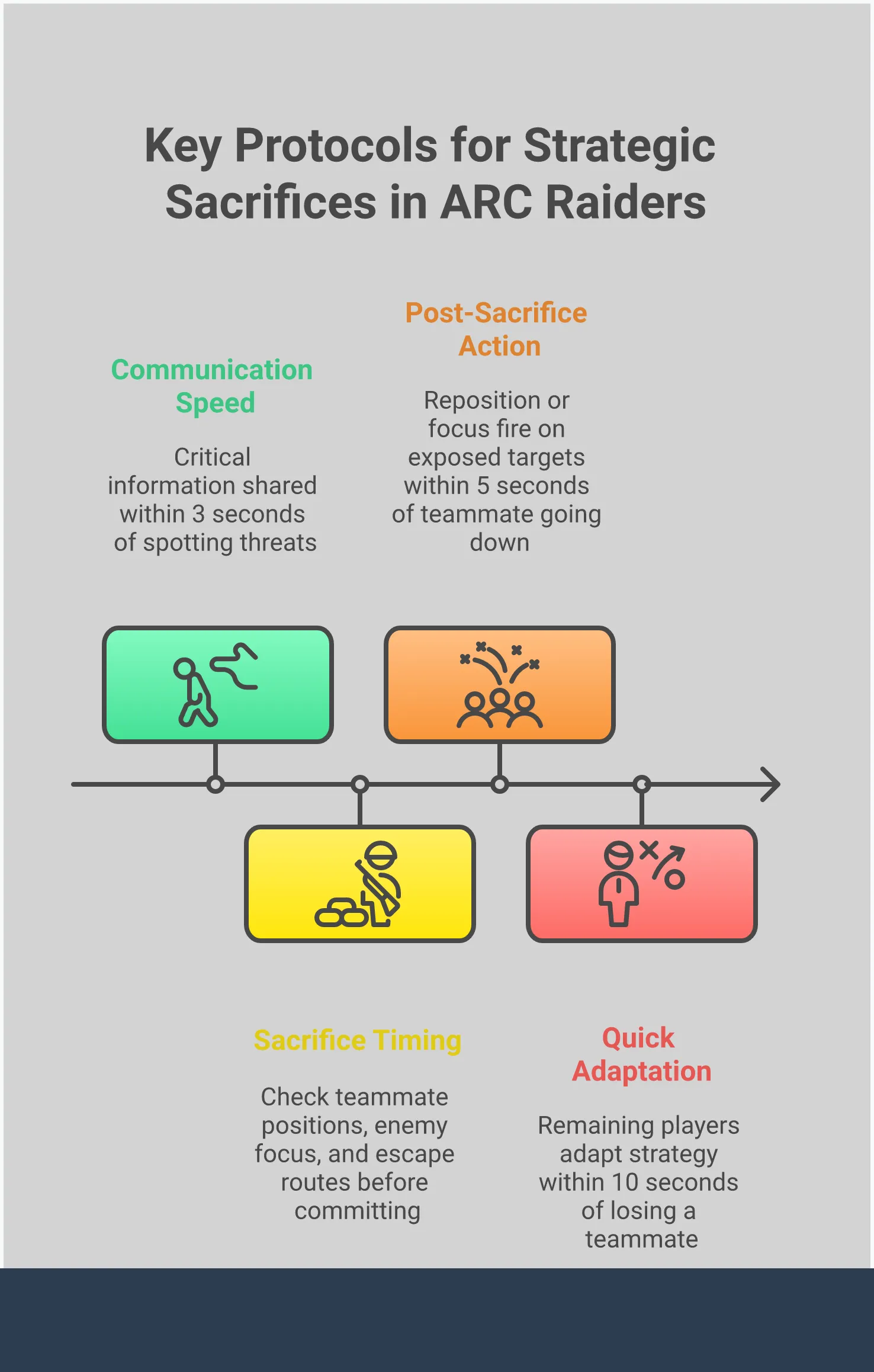
Timing Your Heroic Moment
In ARC Raiders, split-second timing is crucial. Knowing when to put yourself at risk is key – hesitate, and you could cost your team the win. A perfectly timed move can distract enemies, giving a teammate the chance to heal or escape. But act too soon or too late, and your sacrifice will be for nothing. This highlights a tricky balance: a good sacrifice creates an opening for your team, while a pointless one just adds to the losses. It’s about making a play, not just delaying defeat.
Positioning Yourself for Maximum Impact
Good timing isn’t enough – where you are when you act matters just as much. To make a real impact, you need to be in a position that draws enemy fire and creates opportunities for your team. This could involve going around to distract them, or defending a tight space to give your teammates time. A truly great sacrifice highlights how important it is to combine good timing with smart positioning. When your team sees you’re well-placed to help, it builds confidence and encourages everyone to follow the plan.
How Do Augments Affect Your Survival Plan?
Whether you decide to take the lead or support your team often depends on the gear you choose. The right upgrades can make a risky play safe, giving you the resilience to succeed. These upgrades are the core of your strategy, influencing how you fight, retreat, and help your teammates when things get tough. Think of them as your personal set of tools for turning a chaotic situation into a victory. Good upgrades give you the confidence to react quickly, knowing you have the equipment to support your actions. Whether you’re protecting a teammate or getting into position for a final attack, your upgrades keep you alive long enough to make an impact. They affect everything from how much damage you can withstand to how quickly you can escape danger, making them essential for survival. Before attempting a risky, game-changing play, make sure you have the right gear to give you a chance. Without it, rushing into battle is likely to end quickly.
Recovering Armor in a Pinch
If you’re taking heavy damage and your shields are failing, your equipment is what will help you survive. Upgrading to better gear, like the Combat Mk. 2 or Mk. 3, gives you stronger shields, which can be crucial for getting back into a fight instead of needing to be revived. These upgrades aren’t just about having better numbers; they’re tools that actively help you stay alive. With the right defensive gear, you can withstand a powerful attack, find a safe spot, and recharge your armor before your enemies can eliminate you. This ability to bounce back is what keeps you fighting and helps your team win.
Using Abilities to Stay in the Fight
Surviving isn’t just about having good defenses; it’s about avoiding damage altogether. Improving your stamina and speed lets you quickly move and dodge attacks. Being able to sprint to safety or outmaneuver enemies gives you an edge, helping you escape dangerous situations and keep your loot. Effective movement creates opportunities for both you and your team, turning a desperate retreat into a smart tactical play.
Choosing Augments That Help Your Team
It’s easy to want to create a character who can do everything, but the most successful players focus on teamwork. The upgrades you choose greatly affect how well your whole squad performs. These upgrades determine things like how much you can carry, how many quick items you have, and your shield strength – basically, they define your role in the group. Choosing a support upgrade, like one that improves looting, might not seem as exciting as a combat-focused build, but it can provide your team with better supplies, making everyone more powerful overall. A team where everyone’s upgrades work well together is much more likely to win than a group of players just looking out for themselves.
What’s the Plan After a Teammate Goes Down?
For a brief moment, the radio falls silent. A teammate has gone down. This is when truly skilled squads shine. It’s natural to feel overwhelmed and focus on being outnumbered, but the best response is to quickly identify the opportunity their loss has created. Whether intentional or not, a teammate’s sacrifice shifts the dynamics of the fight. They’ve taken damage, attracted enemy attention, and potentially disrupted the opposing team’s strategy.
The biggest loss isn’t a player going down – it’s failing to capitalize on the situation. The moments that follow are a true test of how well your team can adjust and talk to each other when things get intense. Focus on the bigger picture, not just the player who’s been taken out of the game. Make their effort worthwhile by turning a difficult moment into a chance to win. This is where fast reactions and confident decisions can turn a loss into a victory.
How to Capitalize on the Opening They Made
If a teammate falls in battle, it’s time to strike back with even more force. Their sacrifice creates an opening, and it’s up to you to take advantage of it. If they drew fire from a powerful enemy, target its vulnerability. If they uncovered a hidden enemy group, use that information to attack from the side and overpower them. The most important thing is to react quickly.
When enemies are distracted, take the chance to move to a better spot, recover health, or concentrate your attacks on those who’ve been caught off guard. Good teams talk to each other to plan this response. Let your teammates know what you see and who to focus on. A successful diversion is only useful if you capitalize on it, so use it to help your whole team survive.
Supporting Your Squad’s Toughest Calls
Being outnumbered is tough, but staying mentally strong is just as crucial. How your team responds to a player being eliminated – whether it was a smart move or not – shows how well you can bounce back. Getting discouraged can destroy a team faster than the opposing players. Focus on positive and encouraging communication. Even a quick, “Nice effort, let’s keep going,” can help everyone stay focused and motivated.
A little bit of humor can often ease tension and help a team refocus. It’s important to keep trust and open communication. If something goes wrong, avoid placing blame. A strong team supports each other, even when things are difficult, and that’s what allows them to enjoy success together.
When Do Hero Plays Become Hilarious Fails?
Everyone has experienced that feeling – spotting a chance to be the hero and make an amazing play. But in games like ARC Raiders, the difference between success and a hilarious mistake can be incredibly small. The game is full of both incredible victories and memorable failures, and it’s funny because even when things go wrong, those are often the moments you remember and laugh about. This unpredictability is what makes the game so engaging – one wrong move can turn a brilliant strategy into a comical blunder, and that’s part of the fun.
When Good Intentions Go Spectacularly Wrong
It usually begins with a good strategy – maybe you plan to outmaneuver the enemy, create cover, or rush the target. But then something unpredictable happens. A lucky grenade, a well-timed ability from an opponent, or just plain misfortune can turn a bold attack into a complete disaster. These are the moments when you get a taste of karma, where your own aggressive actions come back to haunt you. One player perfectly described this when they pointed out the irony of someone defending a kill as simply being “part of the game,” only to be eliminated themselves moments later for the same reason. It’s a humbling – and often amusing – reminder that in ARC Raiders, every move has a consequence.
Finding the Humor in a Miscalculated Play
Everyone makes mistakes while gaming, and honestly, that’s part of what makes it enjoyable. Whether it’s a friendly fire mishap or a clumsy fall, we’ve all been there. What’s great is how the community usually responds – with laughter and encouragement like, “No worries, it happens!” This positive attitude turns frustrating moments into shared experiences. Watching funny fails – especially when someone gets instantly punished for taking a risk – is a common and beloved part of gaming culture, reminding us to not take things too seriously. If you can’t laugh at your own epic fails, are you really enjoying the game?
The Epic Comeback After an Epic Fail
Just because a risky move doesn’t work out doesn’t mean the game is over. Some of the best moments in ARC Raiders actually happen after a big mistake. When one teammate falters, it creates an opportunity for others to shine and turn things around. You might see a player make a heroic sacrifice, changing the course of a battle and giving their team the chance to win. These situations show that working together and not giving up can turn a disaster into a victory. It’s a great reminder that even if you mess up, your team will be there to support you and create their own heroic moment.
How Can You Prep Your Squad for These Moments?
Truly amazing acts of teamwork don’t just happen – they’re built by squads that work well together, talk to each other, and completely trust one another. If you want to turn a difficult situation into a big win, it begins with preparation well before the action starts. Reaching that level of coordination takes practice, but that’s what makes a good team great. It means everyone understands their part and is prepared to play it, even if it means making a selfless sacrifice.
Practice Your Team Communication
Good teamwork starts with clear and simple communication. When things get intense, there’s no time for lengthy explanations – you need to quickly and accurately share information about enemy locations, what your team needs, and your plans. But don’t forget to have fun! A little humor can ease tension after a tough moment and help build strong connections. When your squad can laugh together, it’s easier to discuss challenges and trust each other’s decisions, especially when the stakes are high.
Set Rules for When to Make a Sacrifice
A truly heroic play only works if it actually helps your team win. Simply running into danger without a plan just puts your team at a disadvantage. Everyone on your squad needs to agree on when it makes sense to risk a life. Is it to distract a powerful enemy so a teammate can be brought back to life? Or to buy time while the team finishes a goal? Discuss these situations before the game starts. Having these clear guidelines ensures that when someone makes a risky play, the team knows exactly what to do with the opportunity it creates. This builds trust and makes everyone confident that any sacrifice will have a meaningful impact.
Build a Culture of Team-First Plays
Truly effective teamwork comes from putting the team’s success ahead of individual achievements. To build this kind of culture, focus on recognizing the effort behind every play, even if it doesn’t work out perfectly. When a teammate tries something risky for the good of the group, be sure to acknowledge their attempt. This encourages players to be bold and take chances. By celebrating these moments and supporting each other, teams build strong relationships that lead to better cooperation during gameplay. Ultimately, a team that plays for each other is a team that wins together.
Related Articles
- Deus Ex LFG: Connect with Other Augs in LFG Feature on Z League App
Frequently Asked Questions
Generally, staying alive seems like the best option, right? But not always. Consider your life as something you can offer in exchange for a better outcome. If giving your life means achieving a crucial goal, saving teammates, or setting up a total victory for your team, it can be a worthwhile trade. Simply surviving isn’t the point – winning is. A smart sacrifice is a deliberate choice to give up something less valuable to gain something more important.
Wondering if your teammates will have your back if you make a risky play? Pay attention to how they communicate before things get critical. A reliable squad talks constantly, shares supplies, and keeps a positive attitude. If your team is quiet or mostly complains, trying to make a selfless play is a big risk. Real trust isn’t built in the heat of the moment – it’s built through consistent, clear communication throughout the entire match.
When you’re about to take a risk, quickly and clearly tell your team what you’re doing and what you need them to do. Forget long explanations – you need instant reactions! For example, saying “I’m going in to distract them, cover the person on the roof” lets everyone know the plan and their role. The key is giving just enough information for a fast, coordinated response.
It’s common for ambitious plays to backfire. To improve your timing, focus on awareness rather than trying to be perfectly precise. Before acting, quickly check your teammates’ positions and what the enemy team is doing. The best time to strike is when your opponents are distracted or have pushed too far, and your team is ready to capitalize on the situation.
If your team gets frustrated after a risky move doesn’t work, it’s up to you to lighten the mood. The best way to handle a failure is to acknowledge it with a bit of humor. A simple, “That didn’t go as planned! My mistake, everyone,” can quickly ease tension. This shows you don’t take things too seriously and reminds everyone that risks are a natural part of the game. A positive attitude can be contagious and prevent frustration from impacting your next match.
Read More
- United Airlines can now kick passengers off flights and ban them for not using headphones
- Gold Rate Forecast
- All Golden Ball Locations in Yakuza Kiwami 3 & Dark Ties
- How to Solve the Glenbright Manor Puzzle in Crimson Desert
- How to Get to the Undercoast in Esoteric Ebb
- 8 Actors Who Could Play Blackbeard In One Piece Live-Action Season 3
- How to Complete Bloom of Tranquility Challenge in Infinity Nikki
- Netflix’s 4-Part Crime Thriller Is One Of Its Very Best
- Best Zombie Movies (October 2025)
- All MLB The Show 26 Quirks & What They Do
2026-01-21 16:49