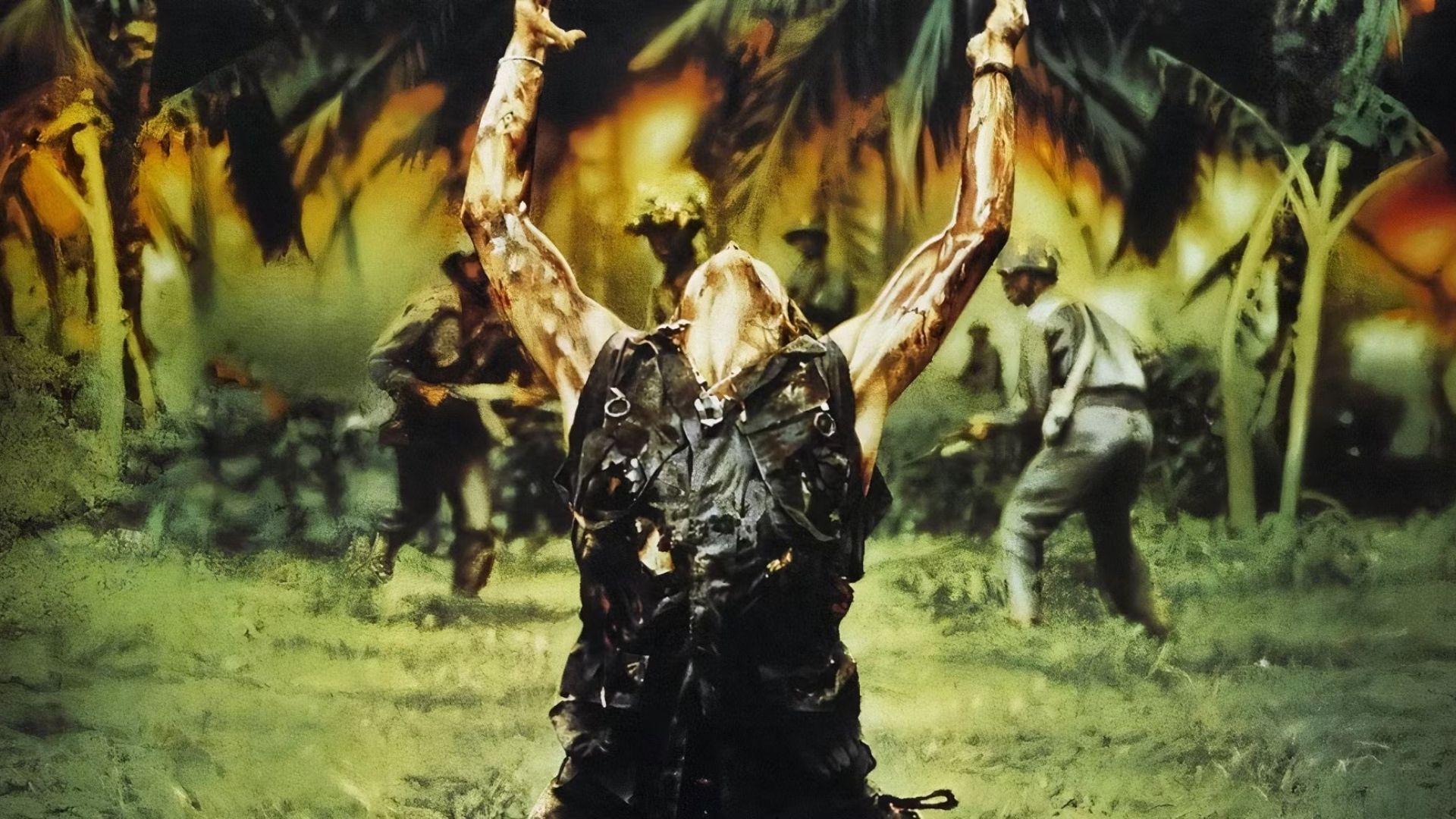
As a film buff, I always find it fascinating to hear directors talk about their work and other films. Oliver Stone, the director of Platoon (which, by the way, won an Oscar!), recently shared his thoughts on Apocalypse Now and The Deer Hunter. He feels those movies, while iconic, lean into a kind of grand, almost legendary storytelling that’s different from what he actually experienced as a soldier in Vietnam. He seems to suggest they’re more ‘mythological’ in scope than realistic to his personal time in the war.
Released in 1986, Platoon tells the story of a young American soldier fighting in the Vietnam War, caught between two sergeants who disagree strongly about right and wrong, and how the war should be fought. The film draws heavily from director Oliver Stone’s personal experiences as an infantryman in Vietnam from 1967 to 1968, which deeply influenced his work as a filmmaker.
The director recently discussed his film Platoon with Variety to mark its 40th anniversary. He shared that while he respected films like Apocalypse Now and The Deer Hunter, he felt they didn’t always accurately portray the Vietnam War as he experienced it during his time as a soldier. Here’s what he had to say:
I found the film “Coming Home” to be impactful, though it presented the story through the eyes of the veteran’s wife, which didn’t align with my own experiences. While I appreciated “Apocalypse Now” as a film, its fantastical, almost mythical storyline felt very different from what I witnessed as a soldier – it focused on covert operations and a bizarre river journey. Similarly, Michael Cimino’s “The Deer Hunter” didn’t resonate with my personal experiences during the war.
Unlike most war movies made in Hollywood,
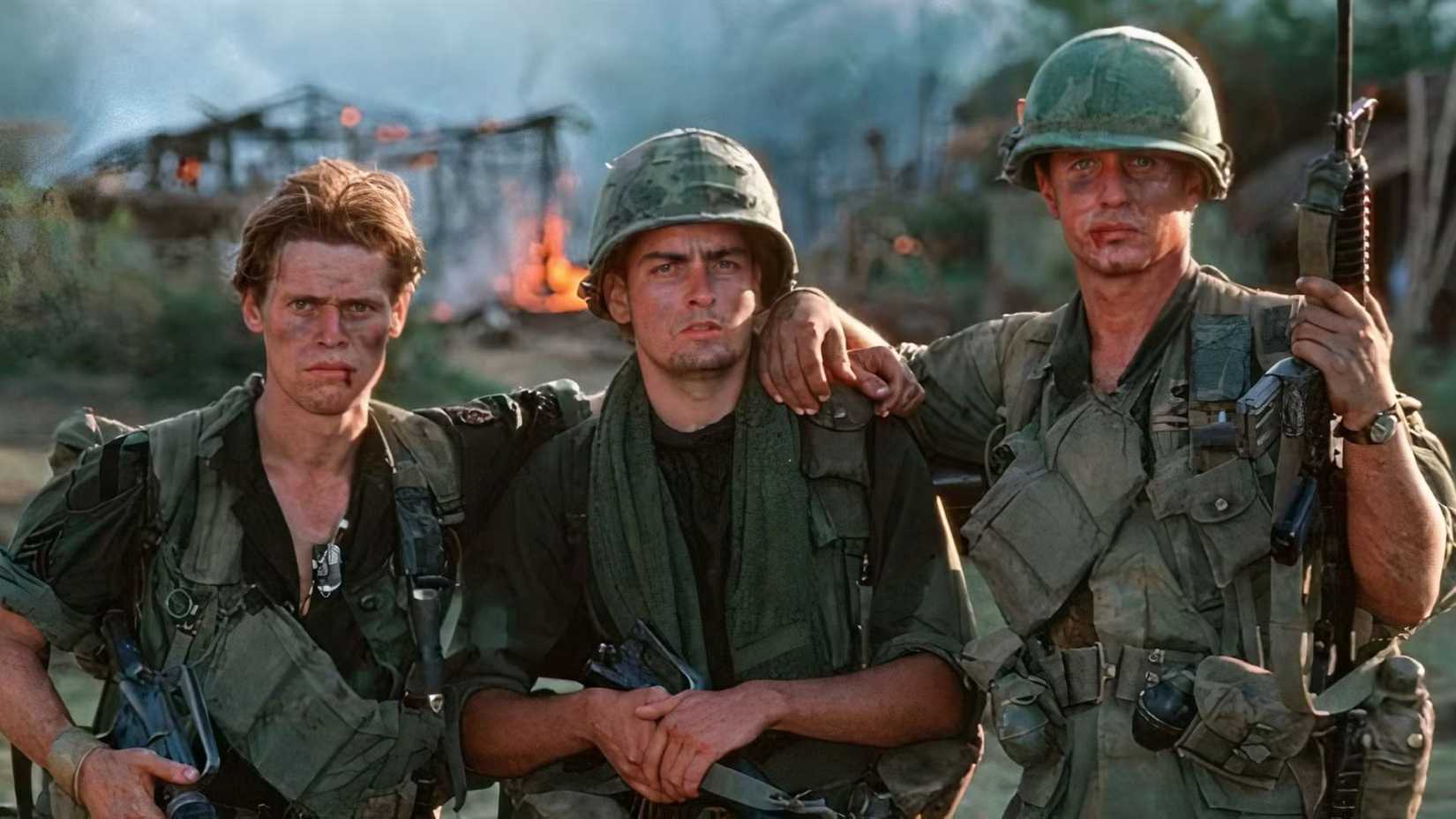
Both films referenced by Stone came out in the late 1970s and quickly became well-known depictions of the war. Francis Ford Coppola’s Apocalypse Now is a retelling of Joseph Conrad’s Heart of Darkness, set during the Vietnam War. The film follows an American captain on a covert mission to eliminate a rogue colonel hiding in the jungle.
I’ve always been captivated by both Apocalypse Now and The Deer Hunter, but for very different reasons. Apocalypse Now is just… breathtakingly surreal, and that helicopter attack set to Wagner’s “Ride of the Valkyries” is iconic. But The Deer Hunter really gets to me – it’s a heartbreaking story about how the Vietnam War completely shattered the lives of these ordinary guys, and the way it showed them struggling to readjust when they came home was just devastating. It absolutely deserved its Best Picture Oscar, in my opinion.
Stone felt previous Vietnam War movies focused too much on symbolism and drama, and not enough on what it was actually like for soldiers fighting the war. This inspired him to make Platoon, a film aiming to show the war realistically, through the experiences of young soldiers facing difficult moral choices.
The director further developed these ideas in two later films, completing his trilogy about the Vietnam War. Born on the Fourth of July and Heaven & Earth each examine a different side of the war’s effects, ranging from the realities of fighting to the lasting emotional and societal damage it caused.
Even after many years, movies about the Vietnam War still greatly influence how people view the conflict. Films such as Apocalypse Now, The Deer Hunter, and Platoon are still considered some of the most important war movies ever made, each presenting a unique look at a very controversial period in American history.
Although Stone acknowledges some Vietnam War movies prioritize storytelling over strict accuracy, his remarks emphasize the wide range of cinematic approaches to the conflict – everything from dreamlike, intense dramas to intimate, realistic portrayals based on personal accounts.
Read More
- United Airlines can now kick passengers off flights and ban them for not using headphones
- Crimson Desert: Disconnected Truth Puzzle Guide
- All 9 Coalition Heroes In Invincible Season 4 & Their Powers
- Mewgenics vinyl limited editions now available to pre-order
- Grey’s Anatomy Season 23 Confirmed for 2026-2027 Broadcast Season
- How to Get to the Undercoast in Esoteric Ebb
- The Boys Season 5 Spoilers: Every Major Character Death If the Show Follows the Comics
- NASA astronaut reveals horrifying tentacled alien is actually just a potato
- The Original Resident Evil is Finally Available on Steam
- Fire Emblem: Path of Radiance Trial Maps Unlock Guide
2026-03-15 23:58