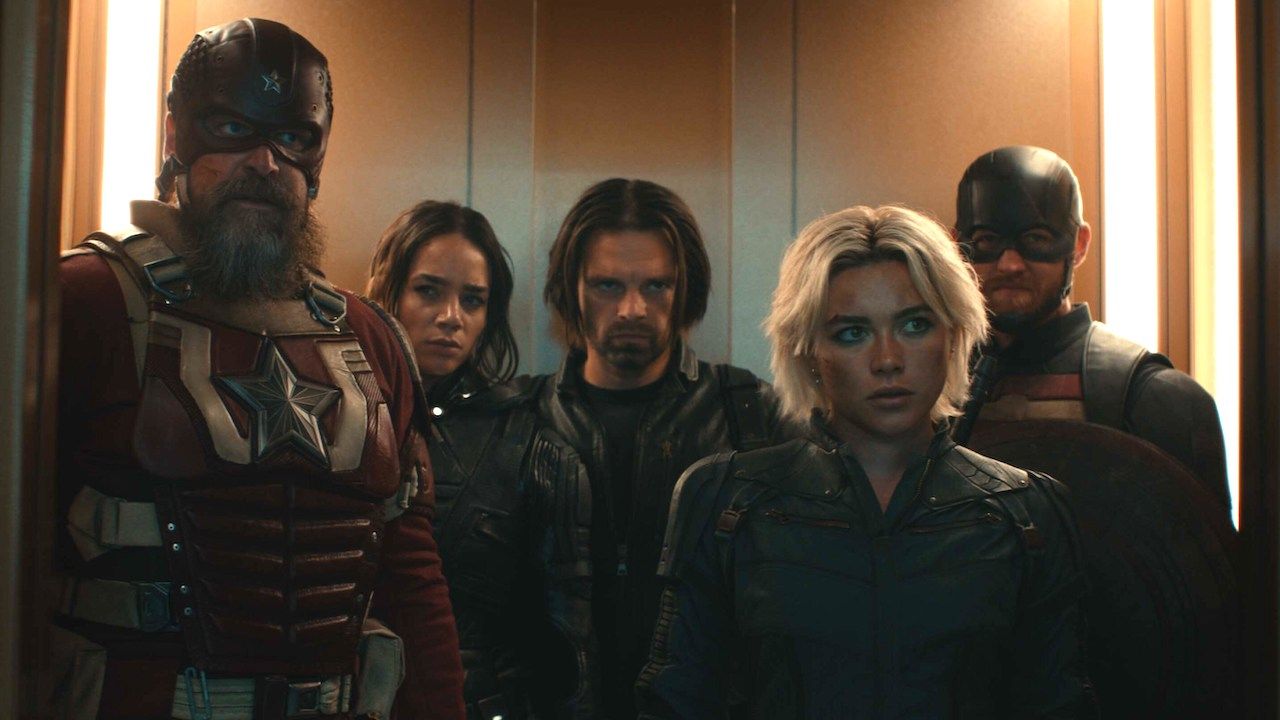
The Marvel Cinematic Universe used to build excitement by making every movie feel important to a bigger story. It felt like you had to see everything to understand the next big team-up event. But recently, keeping track of all the connections has started to feel like a chore. Now, as Marvel enters a critical period, one expert believes the studio needs to change things up significantly, and it’s hard to argue with that.
A recent article in The Wrap explored whether the upcoming 2026 movie lineup will help or hurt the Marvel Cinematic Universe. Analyst Dave Gonzales argued in the piece that Marvel’s insistence on tightly connecting all its films is a continuing problem. He suggests Marvel might be better served by abandoning this approach altogether.
Let the DC Universe handle those issues. James Gunn can tackle that challenge, as he seems up for it. Meanwhile, let’s focus on what makes each Marvel character compelling for both us and the audience. There’s so much potential within the Marvel Universe to explore interesting new directions.
Gonzales points out a common complaint among fans since the start of the Multiverse Saga: many Marvel projects haven’t felt like complete stories on their own. Instead, they’ve seemed like setups for future events. It’s no longer just about enjoying a movie; viewers are now expected to follow complicated timelines, alternate versions of characters, and hidden clues that might not become relevant for a long time, if at all.
It’s funny, because the focus on interconnected stories is actually what helped the early Marvel Cinematic Universe succeed. However, those connections used to be subtle additions, not the central focus. You could enjoy movies like Iron Man, Thor, or Captain America without needing to track a complicated web of connections, and the shared universe felt like a fun extra.
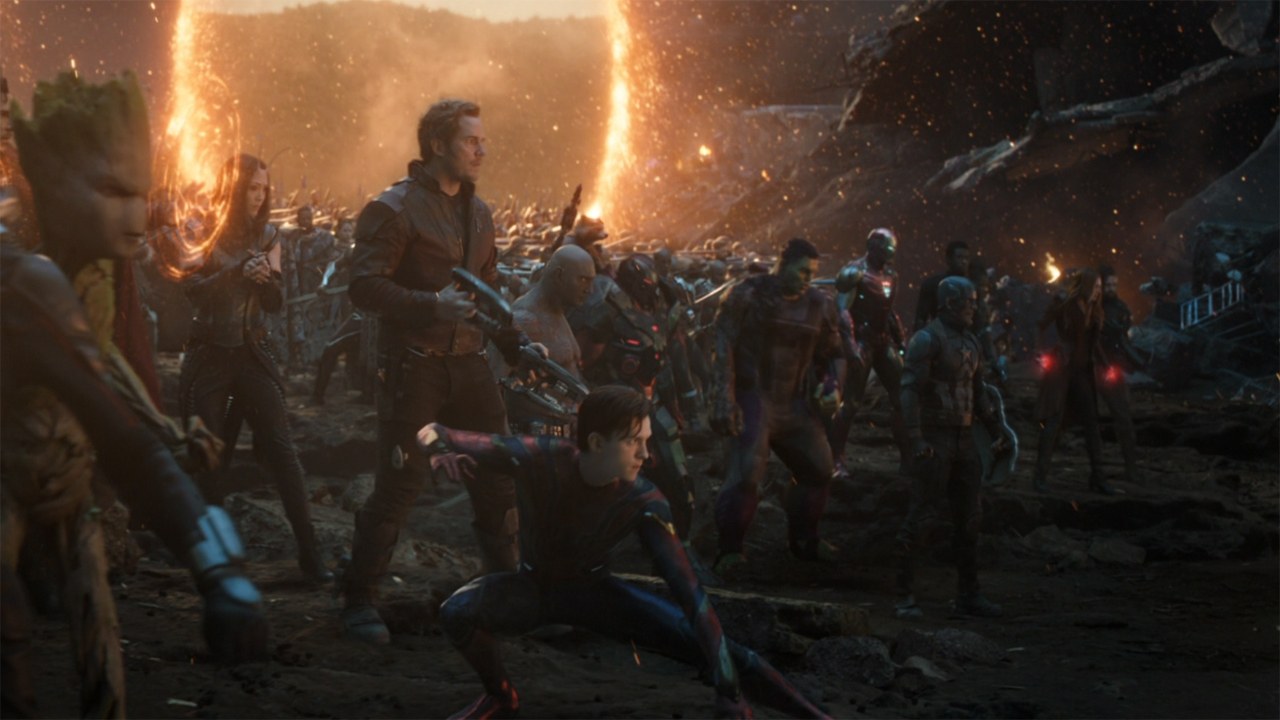
Even Kevin Feige, the head of Marvel Studios, has admitted they put out too many shows and movies too fast, particularly on Disney+. They were hoping to attract subscribers, but instead, it overwhelmed audiences and made it hard for casual viewers to keep up. When everything feels connected to multiple other stories, it leaves no single story the space it needs to develop properly.
Gonzales isn’t saying Marvel should ditch its shared universe, but rather that it needs to stop making every movie feel like just one piece of a larger, ongoing story. He suggests allowing films like Doctor Strange to stand alone as unique experiences, and letting smaller-scale hero stories happen without tying them into massive, universe-altering events. The key, he argues, is for the studio to focus on giving individual characters strong, engaging stories again – prioritize the characters themselves.
James Gunn’s new DC Universe appears open to the idea of interconnected stories and characters, which is a different approach than Marvel took. If Gunn likes managing that complexity, that’s great. Marvel doesn’t need to try to copy that strategy; they already pioneered it, demonstrated how it works, and can now concentrate on developing even more ambitious projects that strengthen their own brand.
To regain fan interest and energy, Marvel might benefit from reducing how much its movies and shows are connected. This wouldn’t be a step backward, but a fresh start for the franchise. However, the next few Marvel releases are still heavily connected, as the upcoming Spider-Man: Brand New Day will lead directly into the next big team-up event, Avengers: Doomsday.
Read More
- United Airlines can now kick passengers off flights and ban them for not using headphones
- Crimson Desert: Disconnected Truth Puzzle Guide
- How to Get to the Undercoast in Esoteric Ebb
- Katanire’s Yae Miko Cosplay: Genshin Impact Masterpiece
- All Golden Ball Locations in Yakuza Kiwami 3 & Dark Ties
- All Itzaland Animal Locations in Infinity Nikki
- Zendaya’s 4 Big 2026 Movies Could Beat Brie Larson’s Box 2019 Office Record
- Gold Rate Forecast
- Nippon Ichi will release Curse Warrior for Switch, PS4, and PS5 on March 26 in Japan
- HBO’s Harry Potter Is Already Breaking My Heart
2026-01-05 00:09