It’s been difficult to truly capture the feel of cyberpunk on TV, but Netflix succeeded remarkably well with the first season of ‘Altered Carbon‘ in 2018. Great cyberpunk stories include certain key elements, and the best ones weave them into the plot seamlessly without being excessive.
Even within the science fiction genre, stories need a degree of realism to truly resonate, and Altered Carbon definitely makes a strong impression. It boldly explores future technology and, more importantly, how that technology would likely only serve the wealthy, fearlessly revealing the darker side of human nature. The series paints a disturbingly believable picture of a future that doesn’t feel too far off, making it a truly compelling dystopian work from beginning to end.
Blade Runner Set a Precedent in Cyberpunk and Altered Carbon Delivers
Conspiracy is a common theme in cyberpunk stories, and when the genre moved from books to movies and TV, a new standard was set. For years, most cyberpunk films and shows have been measured against Ridley Scott’s adaptation of Philip K. Dick’s Do Androids Dream of Electric Sheep? – known as Blade Runner. Few have managed to create the same lasting impression on viewers.
Many cyberpunk stories aim to evoke a feeling of nostalgia for a past that never was, and few succeed as well as Altered Carbon. While noir isn’t essential to a good cyberpunk tale, many fans believe it significantly enhances the experience, and Altered Carbon delivers that atmosphere with skill.
Many stories feature hidden conspiracies. These often involve shadowy corporations secretly cloning people and selling them, governments covering up the existence of advanced android soldiers, or wealthy individuals stealing life force to stay young. The purpose of these conspiracies is to create compelling mysteries for the characters—and the audience—to unravel and expose. Films like Blade Runner and series like Altered Carbon are particularly good at this, successfully creating a sense of unease and paranoia that viewers expect from a well-crafted conspiracy.
Altered Carbon Forces Humanity to Look Itself In the Eye
More than 300 years from now, humans have achieved a form of immortality by studying alien technology. They’ve developed “cortical stacks” – devices that store a person’s memories and consciousness – which can be transferred to a new body, even after death. This new body could be a cloned version of themselves or the body of another person; essentially, the body is just a vessel for their consciousness.
Imagine a future where people could live forever, but only the wealthy could afford it. This creates a stark divide: the rich enjoying endless life in luxury, while everyone else struggles and dies. It’s a system where the sacrifices of ordinary people allow the powerful to thrive, leaving the rest to simply survive.
I was really struck by Altered Carbon. Even with all the futuristic tech and action, it felt incredibly real. It showed me a world where people are just trying to survive, working endlessly for so little, and clinging to the idea that things might get better. But what’s so powerful – and disturbing – is how the show doesn’t offer that escape. It actively takes away even the smallest bit of hope, and you’re left watching those dreams get completely destroyed. It really stays with you.
Cyberpunk Series Like Altered Carbon Don’t Shy Away from Harsh Realities
Medieval morality plays weren’t just entertainment; they aimed to teach important life lessons. They warned against bad habits and encouraged good ones, emphasizing that resisting temptation is a constant struggle. While falling into wrongdoing is inevitable, finding your way back can lead to understanding. As stories changed over time, so did the way we explore what it means to be human, and cyberpunk fiction now pushes us to confront the darkest sides of our nature.
Takeshi Kovacs had a horrific childhood. When he was twelve, he witnessed his father murder his mother, and later, when his father turned violent towards his sister, Reileen, Takeshi was forced to kill him to save her. Anyone can only withstand so much trauma, especially a child, and Takeshi reached his breaking point. However, this was just the beginning of his difficult journey.
Facing punishment for his actions, he’s offered a deal: go to prison or become a highly trained government operative. He’s assured his sister will be safe, but she’s actually sold to the Yakuza and turned into a skilled operative within the criminal world. The siblings eventually find each other and escape, seeking refuge with the Envoys, a rebel group led by Quellcrist Falconer, where they hope to find redemption.
After a member of his team betrays them, Tak escapes, but witnesses the devastating explosion of the plane carrying his sister and the woman he loves. Losing everything he held dear, he dedicates himself back to military training, determined to use his skills against the government he blames for his loss. This ultimately leads to his capture and a two-hundred-year imprisonment in ice, where the current story begins.
Revived from a long, frozen sleep at the bidding of a powerful billionaire, Tak finds himself inhabiting the body of police officer Elias Ryker and tasked with solving a murder – the very man who offered him a new life. As Tak delves into the investigation, navigating a city sharply divided by wealth and poverty, he becomes entangled in Ryker’s personal life and uncovers a surprising connection: the two cases he’s working on ultimately lead back to the same source.
Altered Carbon Succeeds On Every Level, But Only In Its First Season
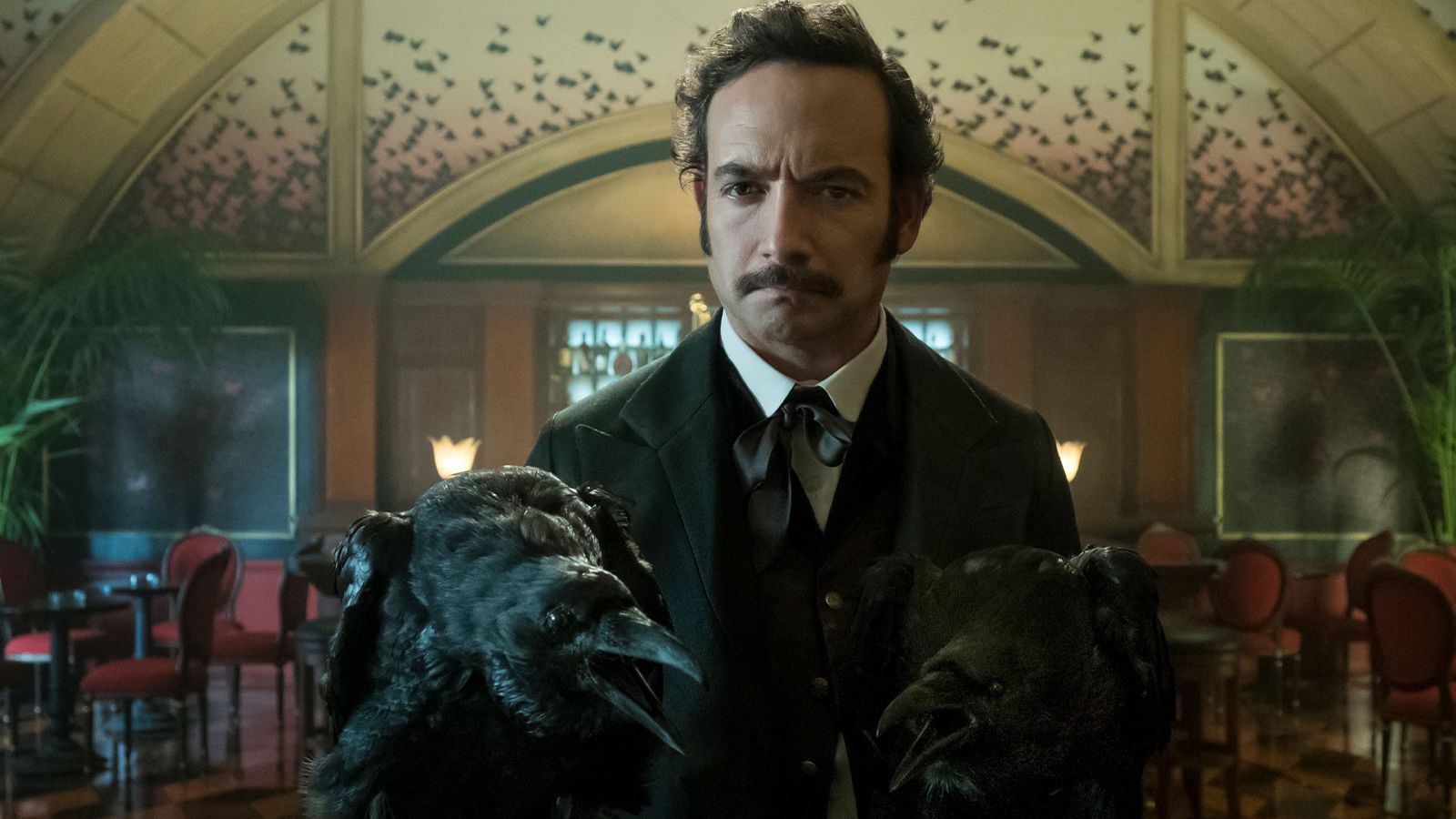
What truly makes the first season of Altered Carbon stand out isn’t the lead character, but the rich supporting cast. Characters like the AI hotel manager Edgar Poe, Ryker’s partner Officer Kristin Ortega, the villain Mr. Leung, and his powerful backer all feel integral to the story. Each character serves a clear purpose and works together effectively, driving the plot towards its ultimate revelations.
The second season of Altered Carbon didn’t quite capture the magic of the first. Changes, including the exit of Joel Kinnaman and inconsistencies with the character of Takeshi Kovacs, ultimately disappointed viewers. The unique qualities that made the show feel like the long-awaited cyberpunk adaptation were lost in the transition to a new season.
Since its cancellation six years ago, fans have been asking if anything can match the exciting and realistic world-building that made Altered Carbon so popular. While Netflix should be praised for initially creating the show, it also deserves criticism for its disappointing follow-through, with a story that didn’t live up to the potential of the original material.
Read More
- United Airlines can now kick passengers off flights and ban them for not using headphones
- Crimson Desert: Disconnected Truth Puzzle Guide
- How to Get to the Undercoast in Esoteric Ebb
- All 9 Coalition Heroes In Invincible Season 4 & Their Powers
- All Golden Ball Locations in Yakuza Kiwami 3 & Dark Ties
- All Itzaland Animal Locations in Infinity Nikki
- Katanire’s Yae Miko Cosplay: Genshin Impact Masterpiece
- Warframe Voruna Prime access begins on April 8 for all platforms, new deluxe cosmetic Warframe skins revealed
- Zendaya’s 4 Big 2026 Movies Could Beat Brie Larson’s Box 2019 Office Record
- Dakota County’s plan to end hunger involves locking mayors in escape rooms
2026-01-10 03:11