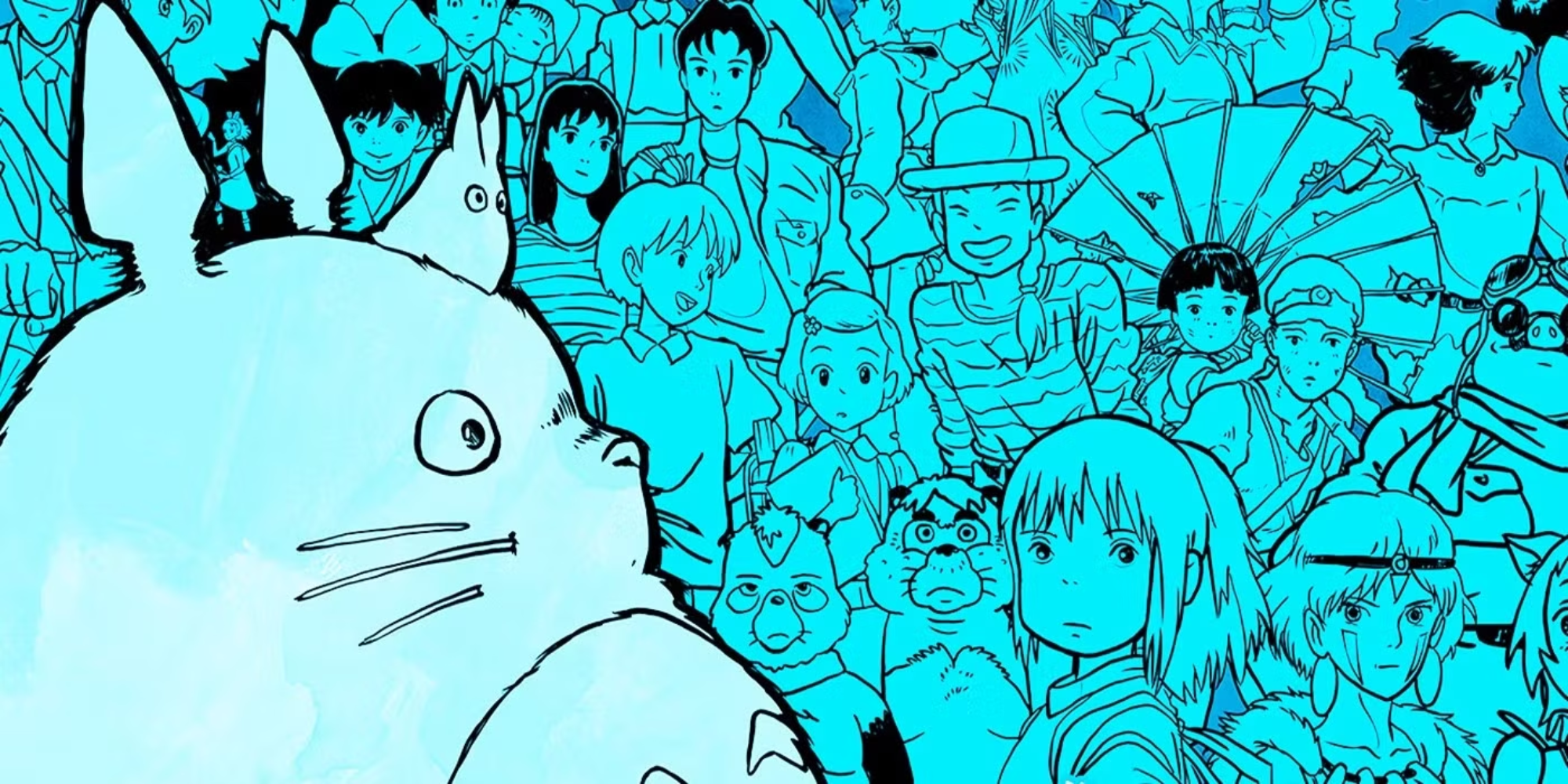
For almost forty years, Studio Ghibli has been a major force in anime, captivating audiences worldwide. Founded in 1985 by acclaimed directors Hayao Miyazaki and Isao Takahata, the studio is known for its stunning animation, heartfelt stories, and imaginative worlds that have resonated with viewers for generations. Though often compared to Disney due to its broad appeal and memorable characters, Ghibli’s films explore complex themes—such as war, environmental issues, isolation, and the challenges of aging—with impressive honesty and depth, going beyond typical fantasy adventures.
Studio Ghibli is known for creating films that beautifully blend artistic vision with heartfelt stories, ranging from intimate coming-of-age tales to grand historical adventures. Movies like Spirited Away and Princess Mononoke have been especially important in bringing anime to a wider audience and earning it critical acclaim internationally. Over their 20+ films, Ghibli has consistently innovated its storytelling and animation techniques, all while preserving the unique, hand-drawn style that has made them a cherished animation studio.
Nausicaä of the Valley of the Wind (1984)

Hayao Miyazaki wrote and directed Nausicaä, which came out right before the founding of Studio Ghibli in 1985. However, Ghibli did distribute the film, so it’s often considered one of their works. The story follows Nausicaä, a princess who wants to find a way for people and creatures to live together peacefully after a global catastrophe. When a dangerous weapon from the past resurfaces near her home, Nausicaä must prevent warring factions from seizing it, as doing so could lead to another devastating event.
Laputa: Castle in the Sky (1986)

Hayao Miyazaki wrote and directed Castle in the Sky, which was also the first film created by Studio Ghibli. The story follows Sheeta, a young girl with a powerful, sought-after crystal, and Pazu, a boy determined to find the legendary floating island of Laputa, just like his father dreamed of. Together, they race against rivals to reach Laputa and use the crystal to unlock its secrets.
Grave of the Fireflies (1988)
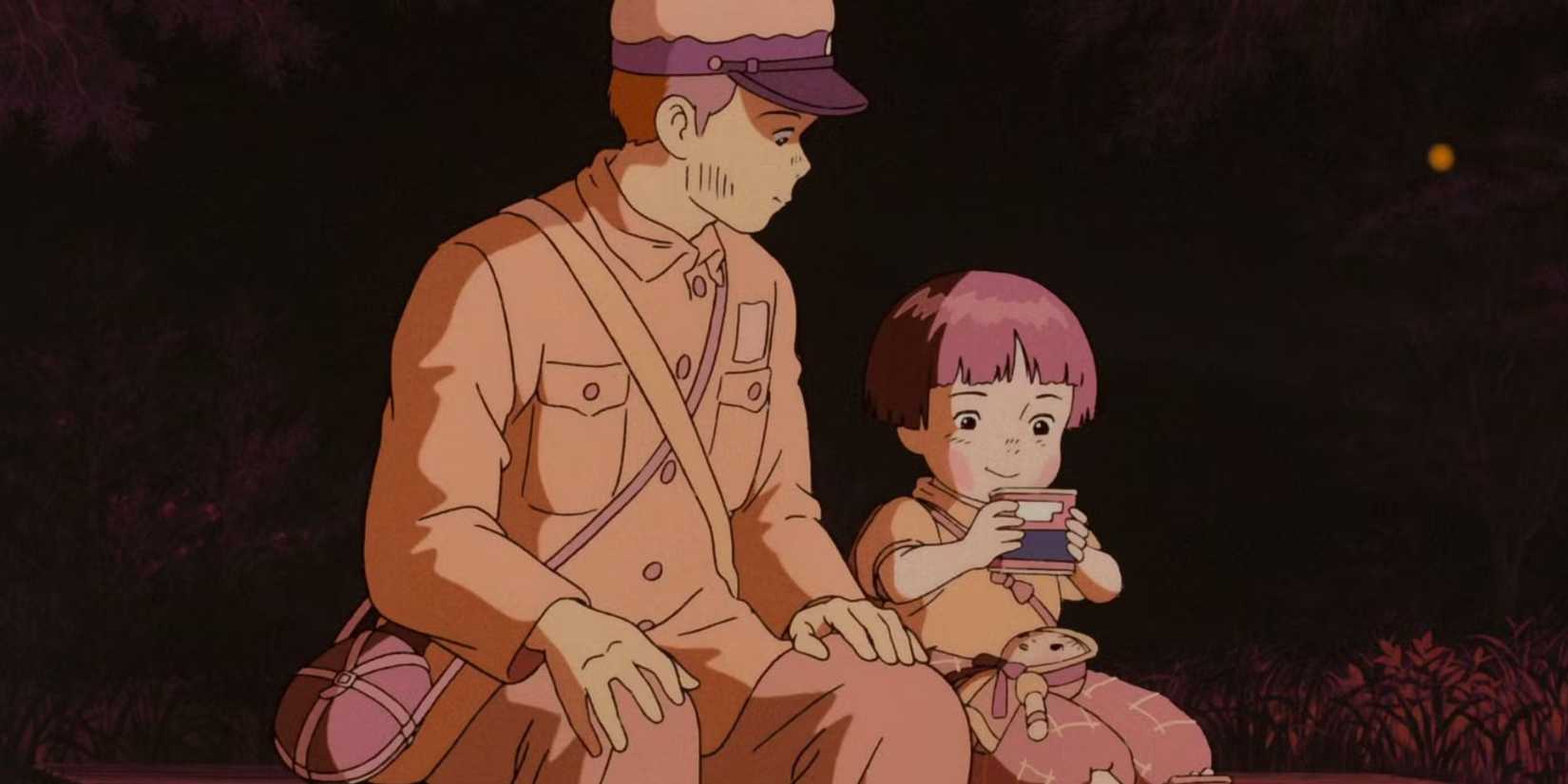
Isao Takahata’s Grave of the Fireflies is a powerful but often overlooked film from Studio Ghibli. It stands out from the studio’s other works, which may explain why it’s not as well-known, but it’s a film of exceptional quality. Considered by many to be one of the most heartbreaking movies ever made, it follows the story of two orphaned siblings trying to survive in Japan during World War II.
After losing all their possessions, the couple supports each other through a series of hardships as the war nears its end. The film features a gentle, painterly visual style – with subtle details instead of harsh lines – which beautifully complements the story’s emotional weight and difficult themes.
My Neighbor Totoro (1988)
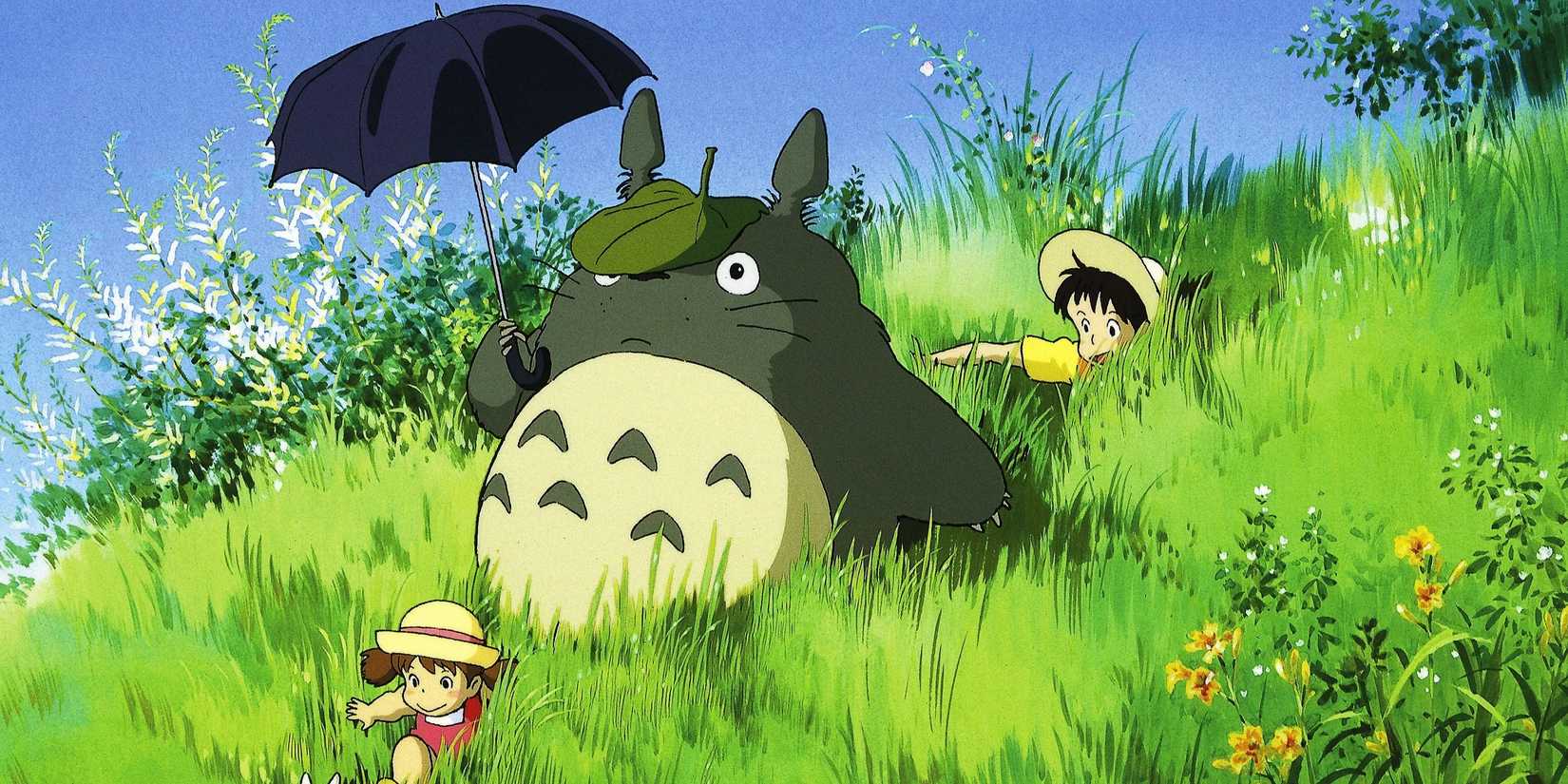
Following his previous work, Miyazaki directed My Neighbor Totoro, a beloved film about two sisters who befriend a magical forest spirit named Totoro. Totoro quickly became incredibly popular and remains one of Studio Ghibli’s most famous movies – Totoro even became the studio’s mascot! The film’s gentle tone and fantastical story paved the way for many of Ghibli’s future projects, making it an essential watch for anime fans, if only to understand its lasting impact.
Kiki’s Delivery Service (1989)

Hayao Miyazaki’s Kiki’s Delivery Service tells the story of Kiki, a young witch who sets out on her own with just a broomstick and her cat. She finds a new town and starts a delivery service using her flying skills, quickly becoming a popular and helpful figure. The film is a charming coming-of-age story that explores the challenges and joys of becoming independent and living on your own for the first time.
Only Yesterday(1991)
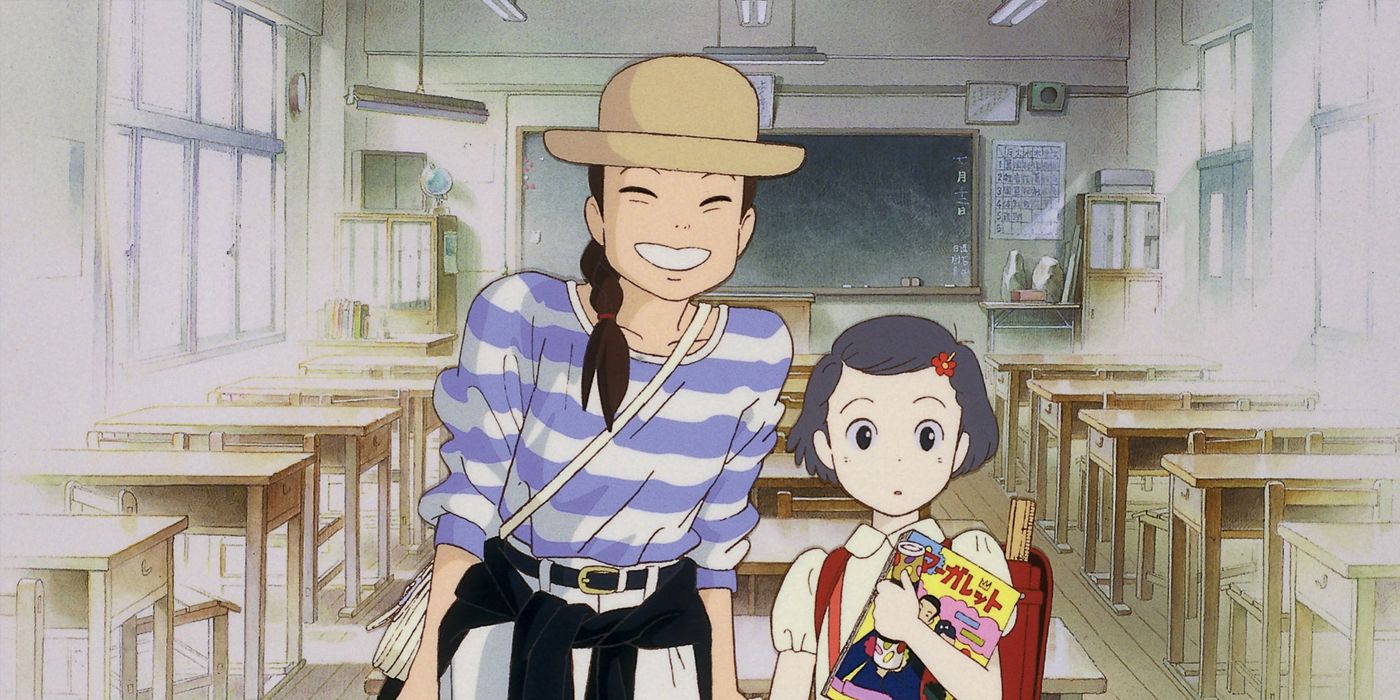
Isao Takahata’s second film, Only Yesterday, is a hidden gem in the Ghibli collection, often overlooked despite consistently excellent reviews. Surprisingly, it wasn’t translated into English until 2016, meaning Western audiences had to wait a long time to discover this beloved Ghibli movie.
The film Only Yesterday tells the story of Taeko Okajima, a woman who leaves the city for a visit to the countryside. It’s a mature story that explores themes of work, romance, and the bittersweet feeling of looking back on the past.
Porco Rosso(1992)
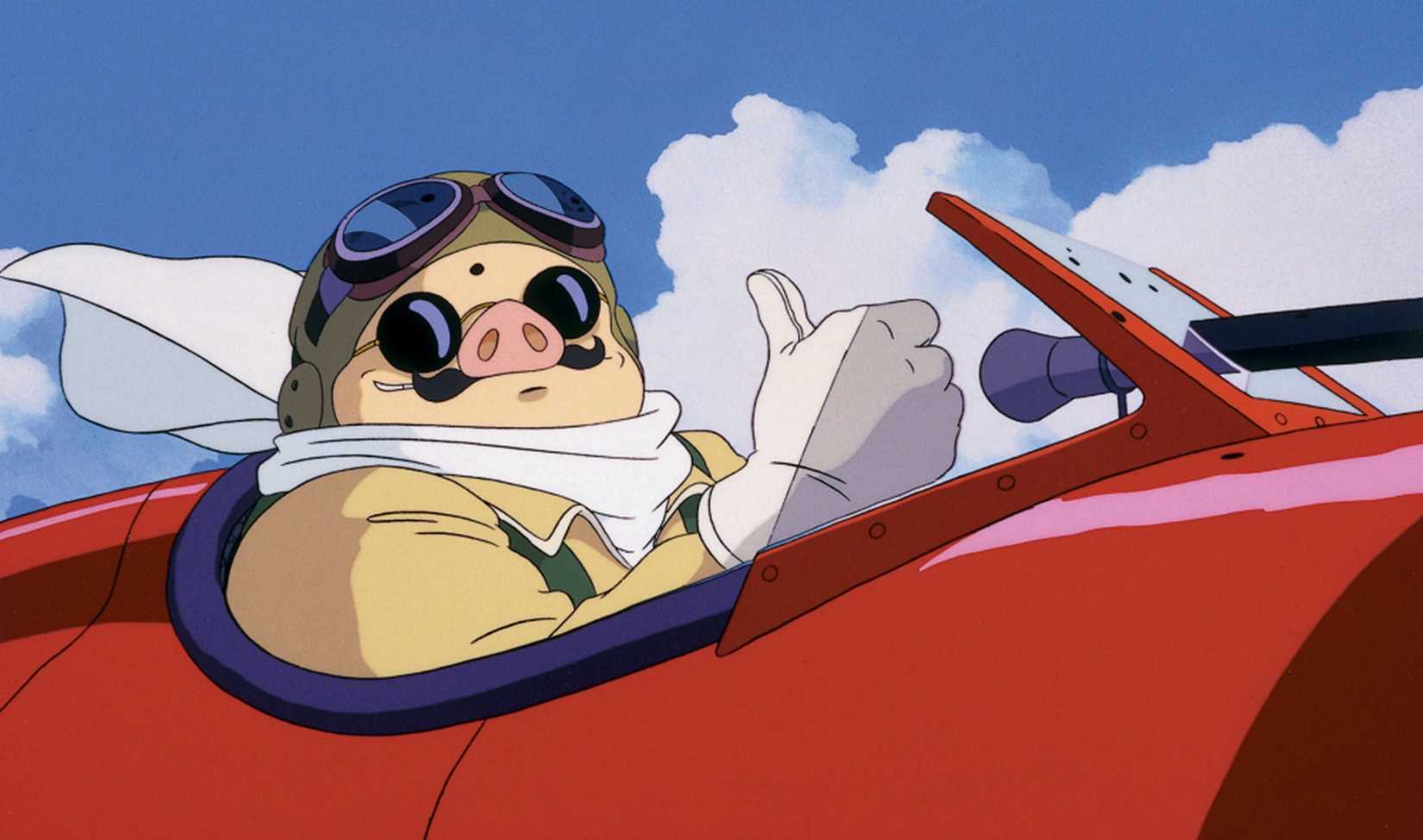
Next on the list is Miyazaki’s Porco Rosso, a uniquely charming film. It tells the story of an Italian fighter pilot from after World War I who battles air pirates, stealing from planes, all while under a curse that’s turned him into a pig! Many fans consider it one of Ghibli’s most overlooked gems, and it’s beautifully detailed, especially in its depiction of early airplanes. There’s been talk of a sequel for years, but it doesn’t seem likely to happen.
Ocean Waves(1993)
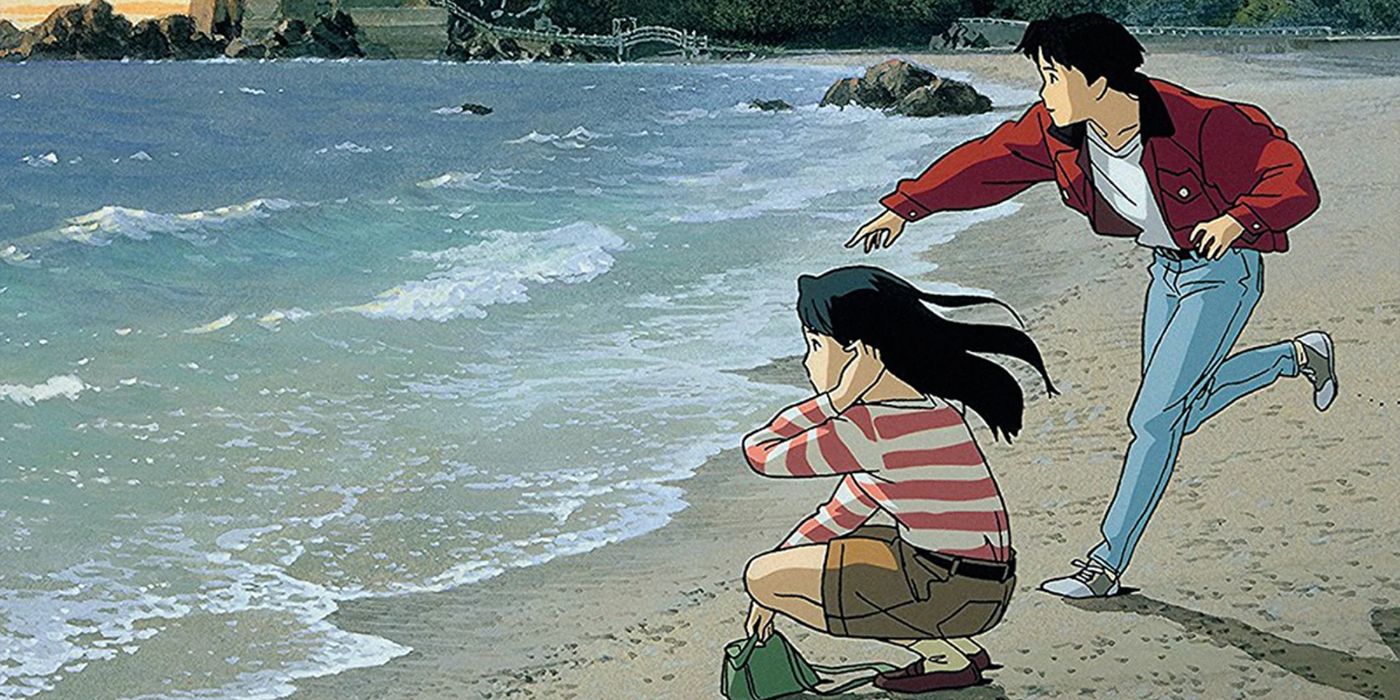
Ocean Waves is a romantic drama focused on the experiences of young people, and it was originally intended as a training project for newer animators at Studio Ghibli. Because it was made for television rather than cinemas, it’s different from many of the studio’s other films. The story centers on a love triangle between a group of friends and a new student, and all the complications that come with it. Similar to Only Yesterday, Ocean Waves wasn’t available in English until 2016, but it didn’t receive much critical acclaim or commercial success.
Pom Poko (1994)
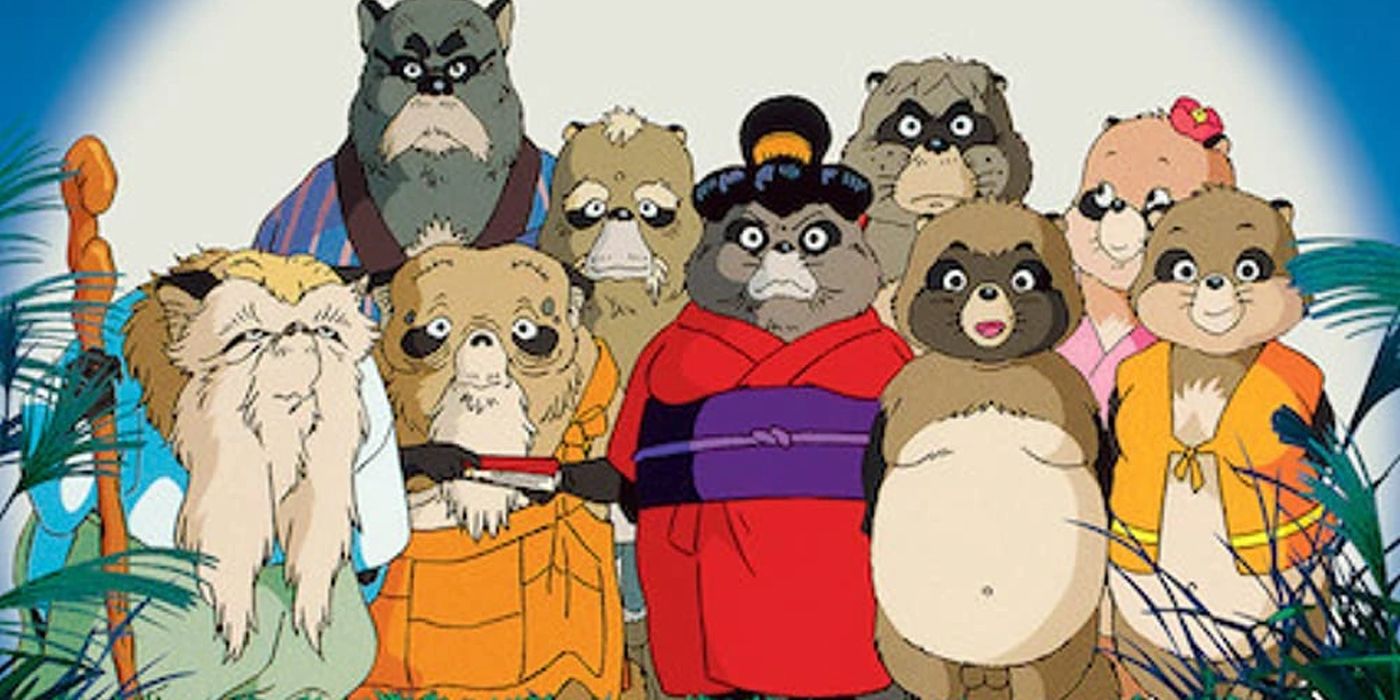
Isao Takahata’s Pom Poko is a fantasy film and his third work with Studio Ghibli, centered around strong environmental themes. It tells the story of Tanuki – Japanese raccoon dogs – who were once believed to possess magical abilities. When a construction project threatens their forest home, the Tanuki use their powers to try and stop it. The film hasn’t gained as much international recognition partly because traditional Japanese art often depicts Tanuki with distinctive features that could have resulted in an inappropriate rating for younger viewers.
Whisper of the Heart (1995)

Although Hayao Miyazaki wrote the screenplay, Yoshifumi Kondo directed this film – his sole project for Ghibli before his death. The story is a sweet romance between a young girl named Shizuku and a boy called Seiji. A major theme is the creative process of writing, as Shizuku develops her own story throughout the film. Interestingly, the song “Take Me Home, Country Roads” by John Denver is central to the plot, which created challenges when translating and releasing the film internationally due to licensing difficulties.
Read More
- Off Campus Season 1 Soundtrack Guide
- Chainsaw Man Volume 24’s Cover Art Reveals a Brand-New Denji
- DoorDash responds after customer uses AI to make food look bad and get a refund
- Euphoria Season 3’s New R-Rated Sydney Sweeney Scene Proves The Show Is Trolling Us
- Hideo Kojima says Metal Gear Solid 2 became the future he hoped would not happen
- Dragon Quest II HD-2D Remake: Where to get the Magic Key
- Umamusume has been transformed into a D&D game with new race
- All Golden Ball Locations in Yakuza Kiwami 3 & Dark Ties
- HSR Banner Schedule (Honkai Star Rail)
- Gold Rate Forecast
2026-05-08 03:14