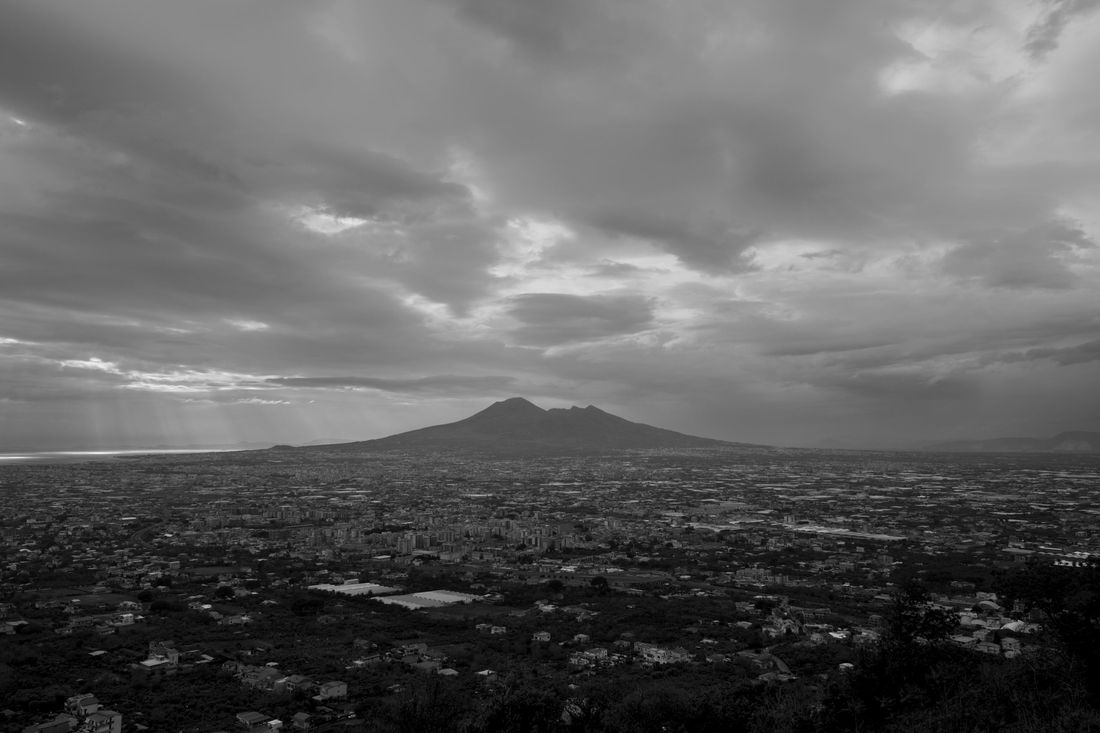
Naples, Italy, a city constantly overshadowed by the looming presence of Mt. Vesuvius, feels like a place perpetually on the brink of disaster. This sense of impending doom is powerfully captured in Gianfranco Rosi’s captivating documentary, Pompei: Below the Clouds. The film, which won a prize at the Venice Film Festival last year, is now being released in theaters before becoming available to stream on Mubi starting March 27th. Rosi doesn’t focus solely on the ancient destruction of Pompeii, but connects it to the ongoing crises of today, and the possibility of renewal that can follow devastation. Filmed in striking black and white and filled with images of decay, Below the Clouds is surprisingly optimistic.
Rosi’s documentaries aren’t conventional. He typically focuses on particular locations, and his films emphasize detailed visuals of things and activities alongside the people within them. His acclaimed 2016 film, Fire at Sea, exemplifies this approach. It centers on the small Italian island of Lampedusa, showing the lives of its inhabitants alongside the stories of African refugees arriving on its shores. The film’s impact comes not only from its important subject matter, but also from the way Rosi contrasts the island’s peaceful atmosphere with the distressing realities of the political and humanitarian crisis unfolding there.
The book, Below the Clouds, opens with Pliny the Younger’s firsthand account of the Pompeii and Herculaneum disaster, but it also weaves in scenes of modern-day Naples. The city glows at night, but is also prone to earthquakes and fires. We hear from people calling emergency services, some even trying to gauge the strength of recent tremors. First responders – police, firefighters, and others – are constantly busy. For centuries, this area has been looted, and inspectors now explore a network of tunnels created by grave robbers and smugglers. These tunnels are surprisingly sophisticated, with some even equipped with electricity and lights.
Even today, the ancient world continues to reveal remarkable finds. We see a Japanese archaeological team carefully uncovering new artifacts at the ruins of Herculaneum. A powerful scene from Roberto Rossellini’s film Voyage to Italy depicts the excavation of casts made from the bodies of those who perished in the disaster centuries ago. This footage is shown on the screen of an abandoned cinema – a symbol of a different kind of destruction. The filmmaker frequently returns to images of this cinema and other films about the region, like the silent Last Days of Pompeii, hinting that his own work might be another layer in this continuous process of uncovering the past.
Naples sparks deep thought, and director Rosi’s thoughtful approach encourages us to look beyond what’s directly shown on screen. His striking, shadowy images make his subjects resemble classic sculptures, almost as if they’re part of the ancient city itself. The film feels sculpted rather than simply filmed; it doesn’t tell a story, but instead seeks to find meaning in everyday life. Rosi sometimes guides his subjects, as with two Syrian sailors discussing the destruction they’ve seen in Ukraine – their conversation feels a bit staged. However, these moments don’t feel jarring because the film is so beautifully crafted, and its observations serve a larger purpose – a search for depth and beauty. This isn’t a simple, unbiased documentary; it’s more like a painting by Caravaggio brought to life on film.
The experiences of these sailors suggest that the feeling of impending disaster isn’t limited to one place, like Naples. When they hear about Syrian sailors killed in a Russian attack on Odessa, they seem strangely calm. Their ship has returned from Ukraine with a huge cargo of grain—captured on film, it looks like the volcano Vesuvius—and it’s a reminder that even amidst chaos, the systems that keep the world running continue to function. The film shows machinery working tirelessly, with no people around, leading to the unsettling thought that even if humans disappeared, these machines might keep operating, continuing trade for a world that no longer exists.
Rosi’s film truly brings Titti to life – he’s an elderly teacher who runs an after-school study group from his antique shop. Children of all ages gather in his book-filled space to do their homework, with Titti gently guiding and encouraging them in subjects like English, math, and history. One student even learns to cook using online videos. Titti shares his knowledge with each child, patiently explaining things and offering support. These curious and energetic kids, full of potential, offer a hopeful contrast to the difficulties of the world around them. Watching Below the Clouds allows us to connect with both its anxieties and its optimism.
Read More
- United Airlines can now kick passengers off flights and ban them for not using headphones
- How to Complete Bloom of Tranquility Challenge in Infinity Nikki
- Gold Rate Forecast
- How to Solve the Glenbright Manor Puzzle in Crimson Desert
- Katanire’s Yae Miko Cosplay: Genshin Impact Masterpiece
- All Golden Ball Locations in Yakuza Kiwami 3 & Dark Ties
- All Itzaland Animal Locations in Infinity Nikki
- A Dark Scream Theory Rewrites the Only Movie to Break the 2-Killer Rule
- 8 Actors Who Could Play Blackbeard In One Piece Live-Action Season 3
- All 10 Potential New Avengers Leaders in Doomsday, Ranked by Their Power
2026-03-06 21:56