With so many popular TV shows being recommended, it’s hard to know where to begin. Many shows considered ‘must-see’ aren’t for everyone – things like Seinfeld, Succession, and Arrested Development have very particular styles. But what shows truly deserve the hype and appeal to a wide range of viewers, regardless of their preferences?
Certain TV shows stand out because of their exceptional writing. They go beyond typical storylines to portray realistic, flawed characters navigating the complexities of life, as seen in series like Mad Men and The Sopranos. Others offer powerful insights into society, potentially altering your perspective, such as The Wire. And some, like Breaking Bad, are simply masterfully crafted stories brought to life by incredible performances.
Mad Men
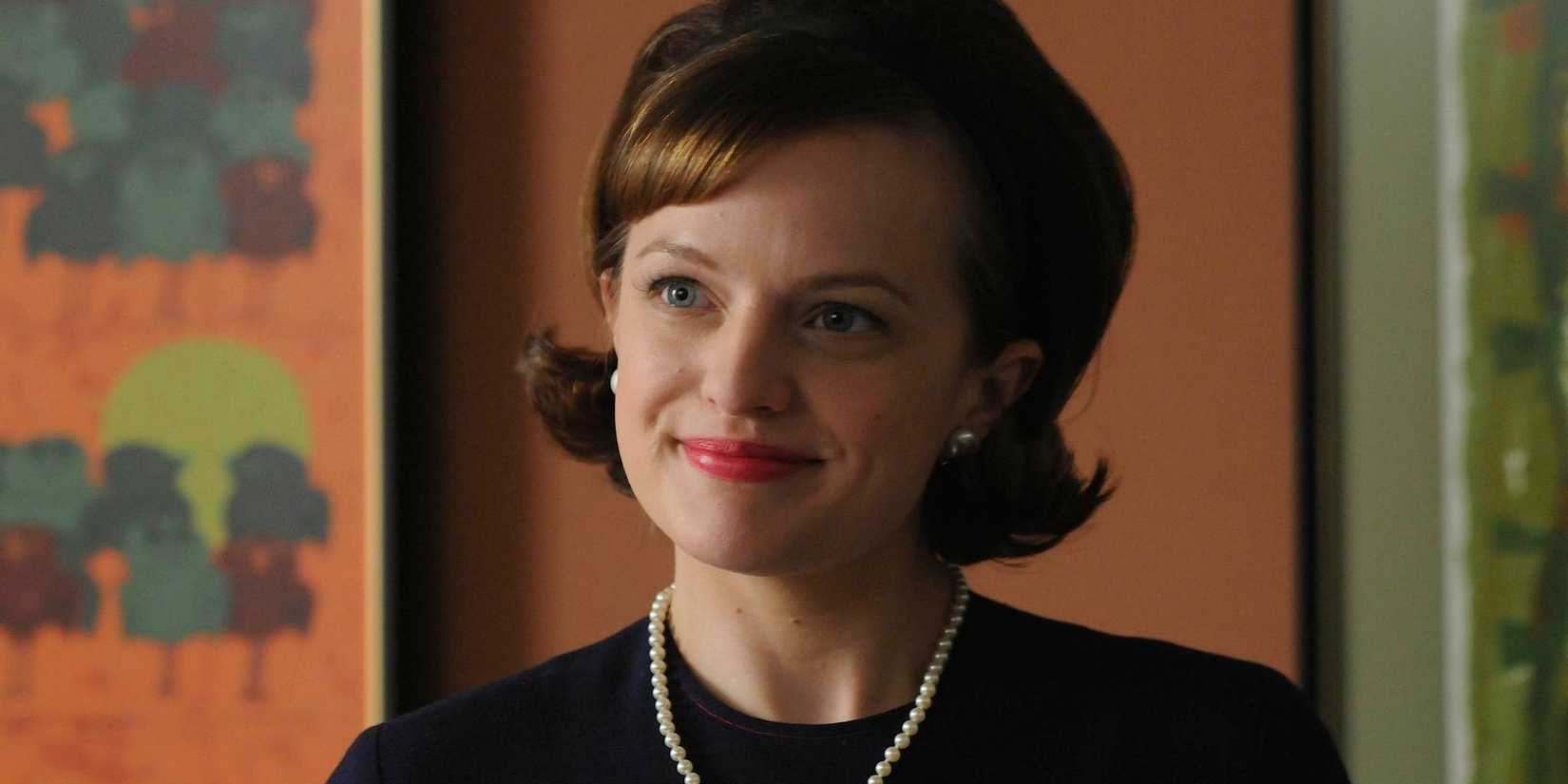
On paper, Mad Men might not sound particularly riveting: a prestige drama exploring the office politics and messy personal lives of a New York ad agency in the 1960s. But some of the best writers and actors in the business turned Mad Men into one of the most engaging shows on television.
Mad Men is a show that brilliantly captures the 1960s, offering a critical look at both the culture of the time and the world of advertising. But it’s also a compelling character study, delving into the lives of flawed and complicated people. The show is known for its nuanced writing, which explores the ways characters deceive themselves and struggle with their own identities.
Chernobyl
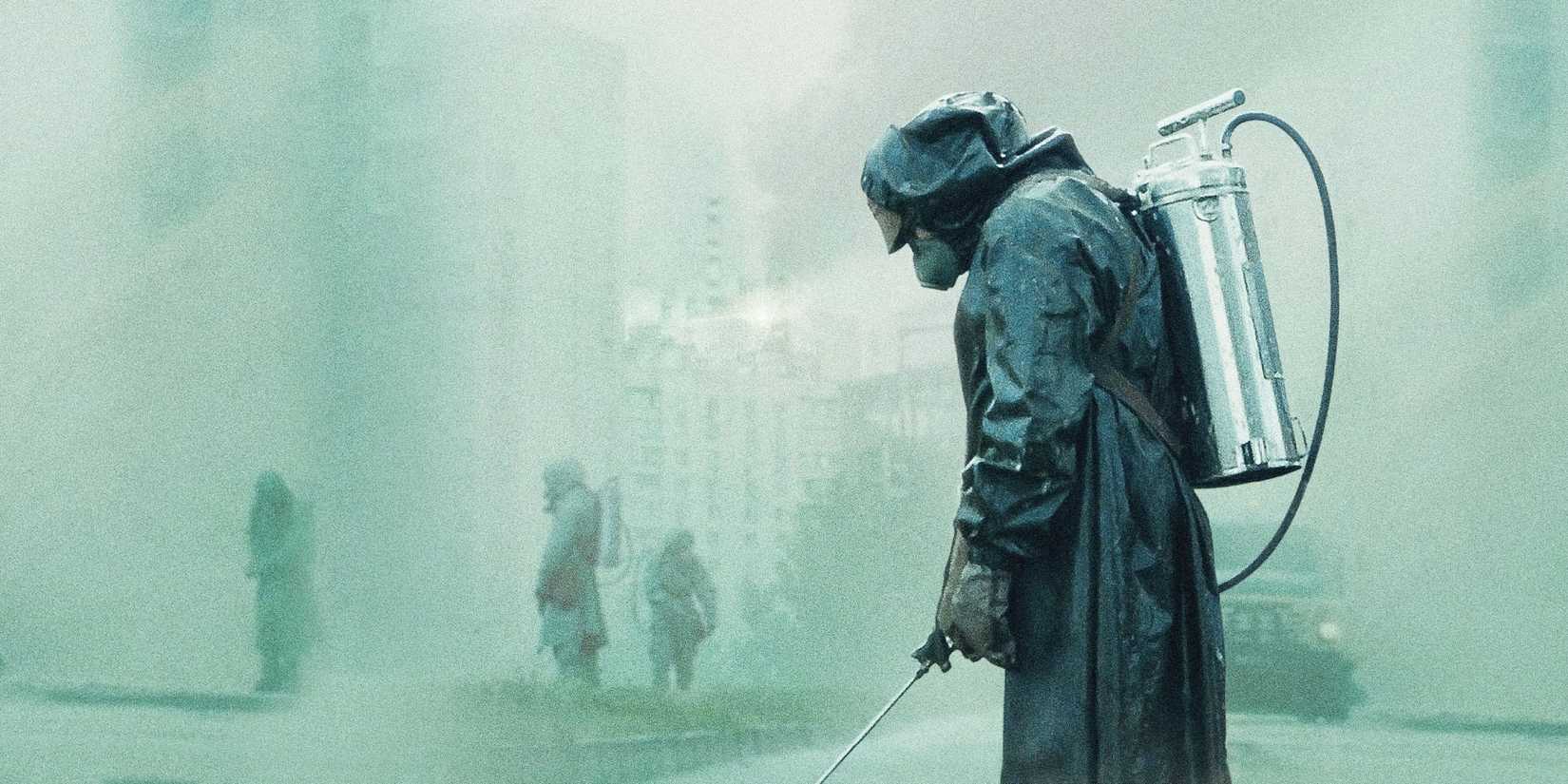
I was honestly blown away by what Craig Mazin did with Chernobyl. After working on comedies like the Hangover sequels and Scary Movies, he completely switched gears and created something incredibly powerful. It’s a deeply researched and intense dramatization of the Chernobyl disaster, and it’s just as terrifying as any horror show because it’s based on the real, awful effects of radiation poisoning.
Not only is Chernobyl an appropriately horrifying retelling of the nuclear explosion and its devastating aftermath; it’s also a searing critique of the government’s attempted coverup. It’s one of the scariest shows ever made, but it’s also a love letter to the whistleblowers of the world, who risk life and limb to expose the truth.
Six Feet Under
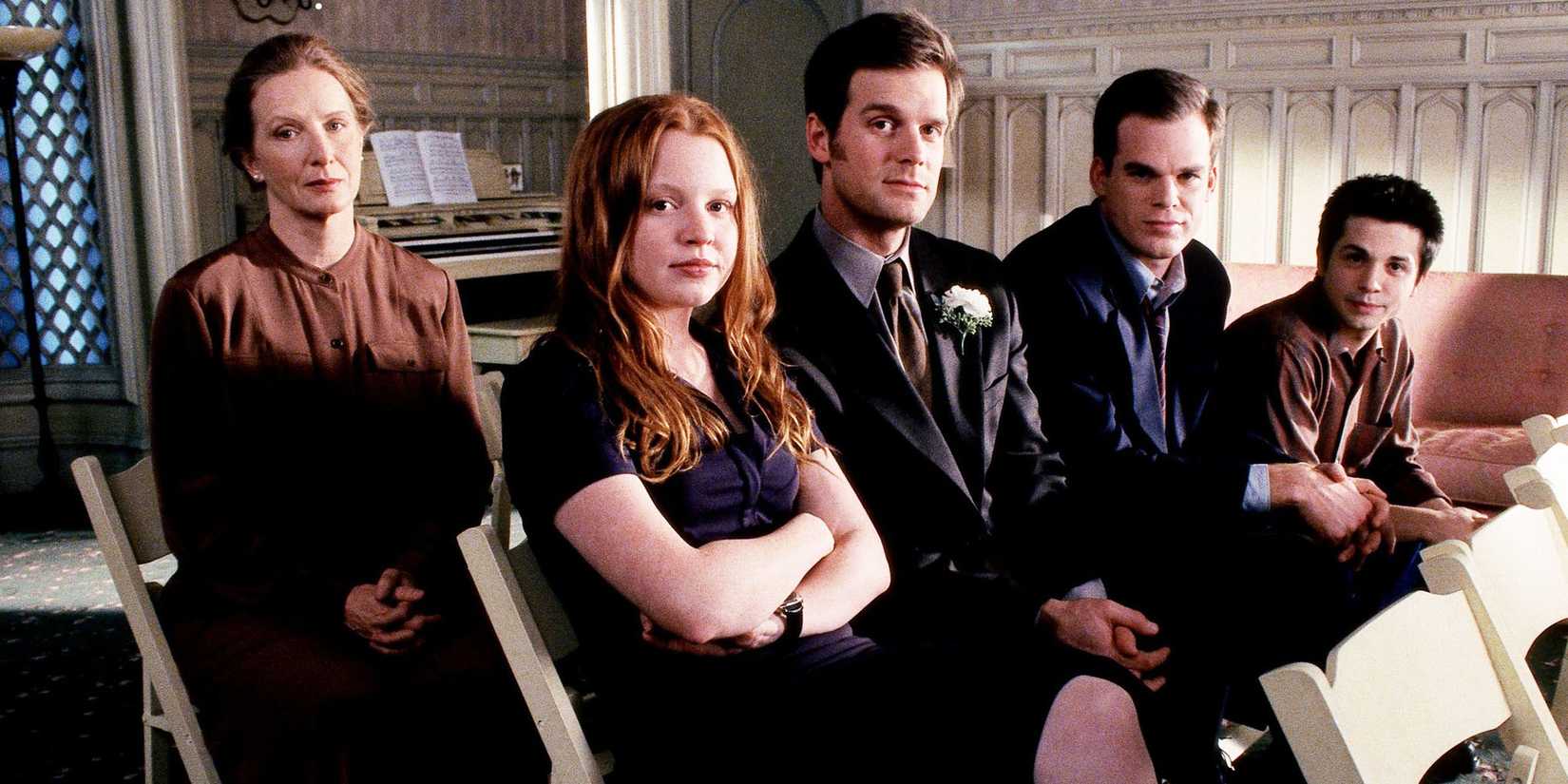
Alan Ball, the writer behind the award-winning film American Beauty, created Six Feet Under, a darkly funny and critically acclaimed TV drama that’s become a landmark of 21st-century television. The show centers on the Fisher family, who are forced to cope with the sudden death of their father and work together to maintain his funeral home.
Each episode centers around a death—the show always starts with a new client passing away—and explores the difficult topic of mortality in a darkly fascinating way. However, it’s surprisingly hopeful, ultimately celebrating the beauty and value of life even amidst all the sadness.
Breaking Bad

Before Vince Gilligan came up with a wild idea about a mild-mannered chemistry teacher becoming a meth kingpin to pay for his cancer treatments, TV was all about maintaining a status quo. A bunch of characters stayed in one place for an indefinite amount of time, so the network could hopefully get to 100 episodes and score a lucrative syndication deal.
Gilligan noticed that long-form storytelling wasn’t being fully appreciated. He had the time to really show a character’s development over a long period. As seen in the hit show Breaking Bad, Gilligan and Bryan Cranston masterfully transformed a mild-mannered teacher into a ruthless criminal, and it was captivating to watch happen.
Twin Peaks
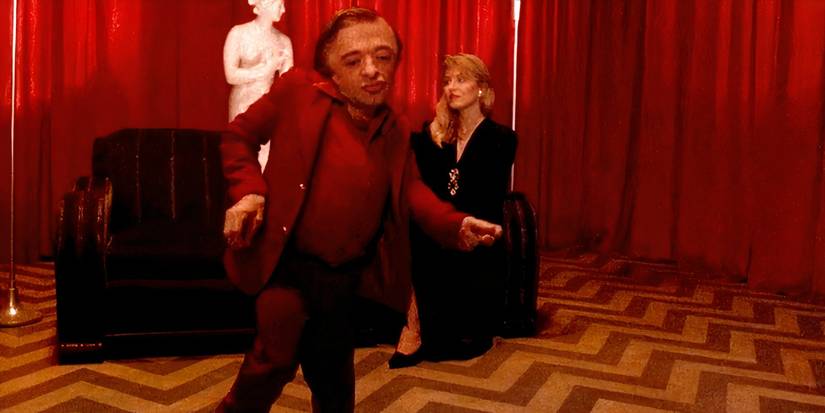
David Lynch brought his particular brand of gonzo terror to the small screen in Twin Peaks. Co-created with Mark Frost, Twin Peaks sets up a typical small-town soap opera, populated with colorful characters, then slowly introduces creepy Lynchian elements like a giant and a backwards-talking dancer and a portal to a hellish alternate dimension on the outskirts of town.
Twin Peaks is a truly original television show. It combines the dramatic storylines of a traditional soap opera with the unsettling, dreamlike quality of films like Eraserhead and Blue Velvet, and remains captivating and mysterious even now.
The Sopranos
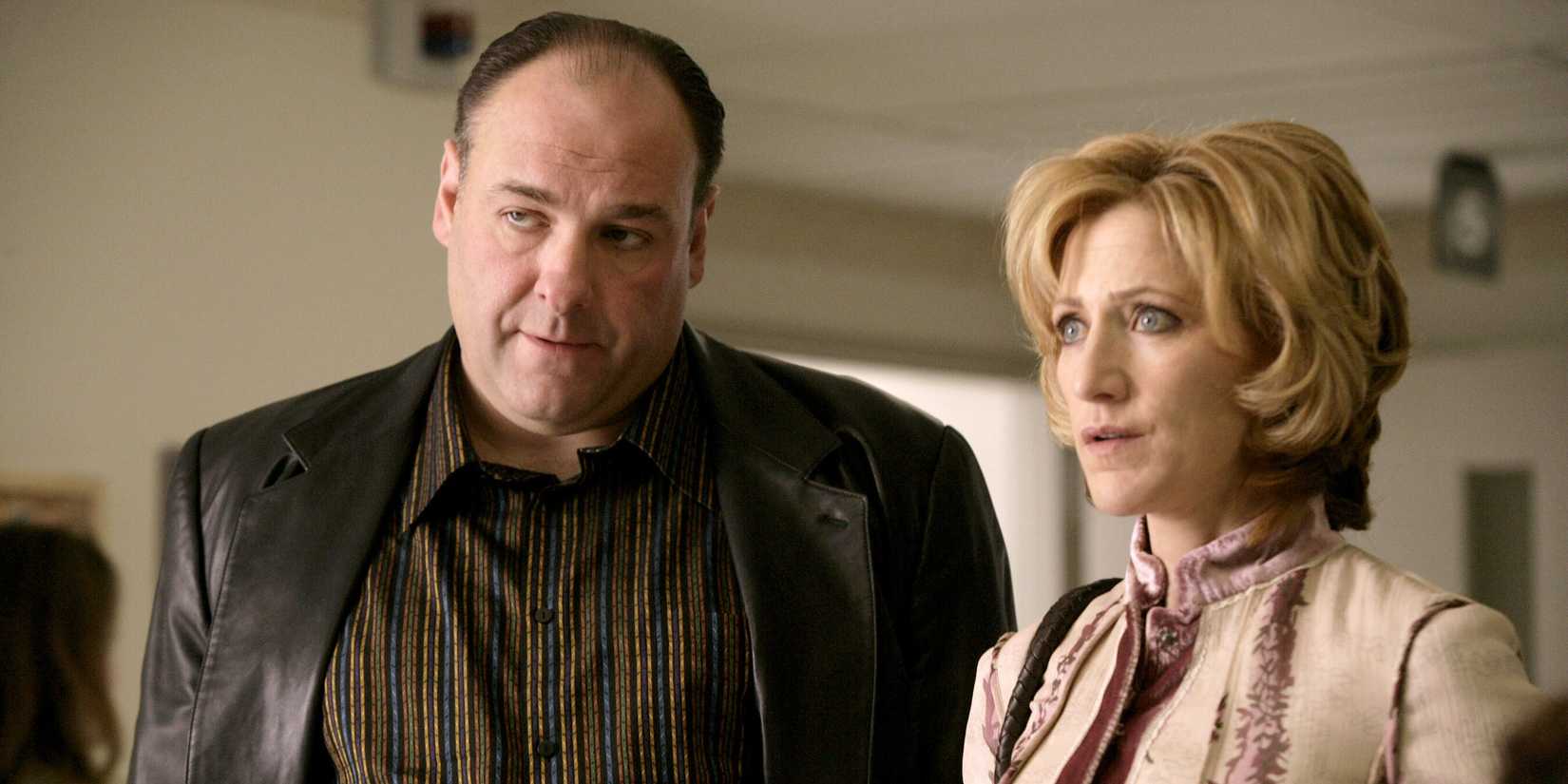
David Chase is widely credited with launching the modern era of high-quality television with The Sopranos. He challenged the traditional belief that main characters needed to be likable, demonstrating that audiences would connect with complex, even flawed, characters—like a ruthless killer—if the storytelling was compelling.
The Sopranos brought a real sense of authenticity to the gangster genre. It brings all the pulpy tropes of mob movies into the universally relatable world of a bickering, dysfunctional Italian-American family.
Band Of Brothers
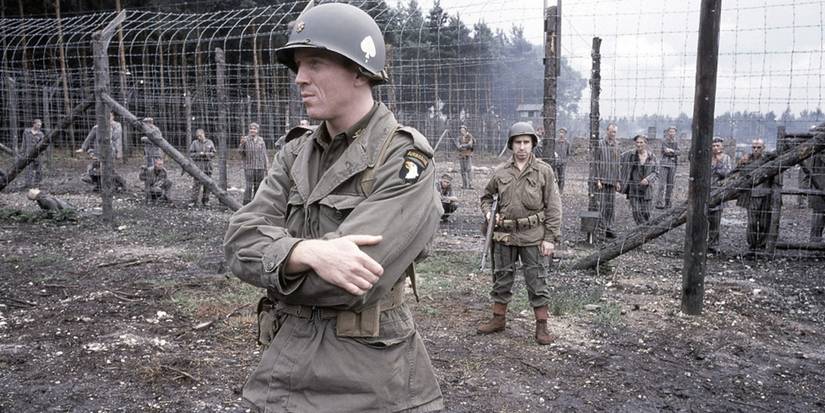
Following their work on Saving Private Ryan, Tom Hanks and Steven Spielberg teamed up again to create what many consider another classic war film—a massive 10-hour series called Band of Brothers. It feels like an extended version of Saving Private Ryan, allowing for a much more expansive story than a typical movie length would allow.
With its big-budget production values and film-like camerawork, Band of Brothers proved that television didn’t have to be less visually impressive than movies. Band of Brothers feels just as cinematic as Saving Private Ryan, but the cast and the filmmakers had another seven or eight hours to dig into the camaraderie between the soldiers.
Better Call Saul
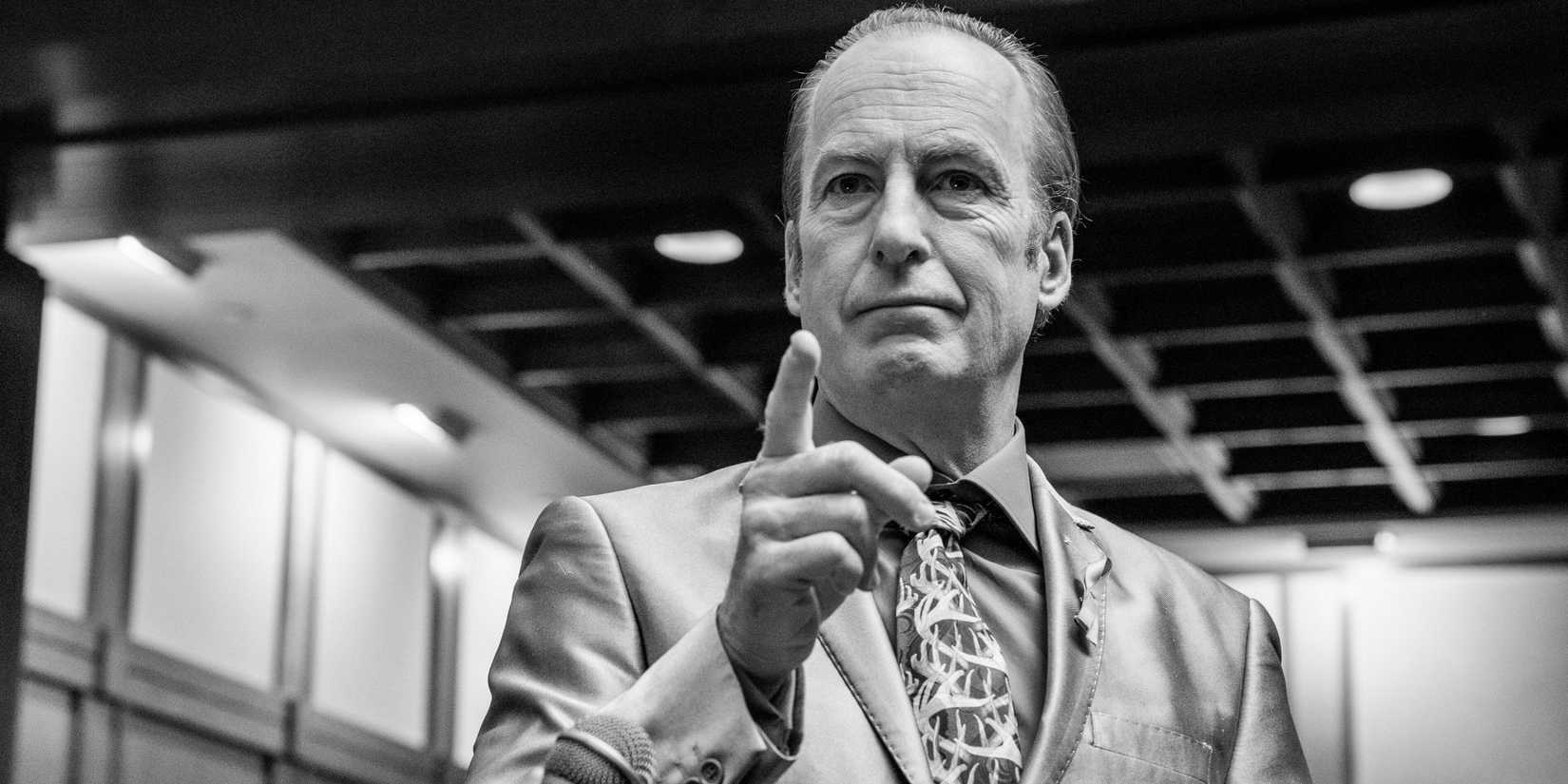
After you’ve watched Breaking Bad, you need to check out its spinoff, Better Call Saul. Better Call Saul is a rare spinoff that actually surpasses its predecessor. It’s another probing character study of a morally gray antihero, but it digs even deeper into the human condition. It’s subtler and more patient than Breaking Bad, and the dramatic rewards are even greater.
Better Call Saul gets off to a pretty slow start in its first couple of seasons, but you have to stick with it. Eventually, it becomes every bit the white-knuckle rollercoaster ride that Breaking Bad was, and delivers some of the most shocking twists you’ve ever seen.
The Twilight Zone
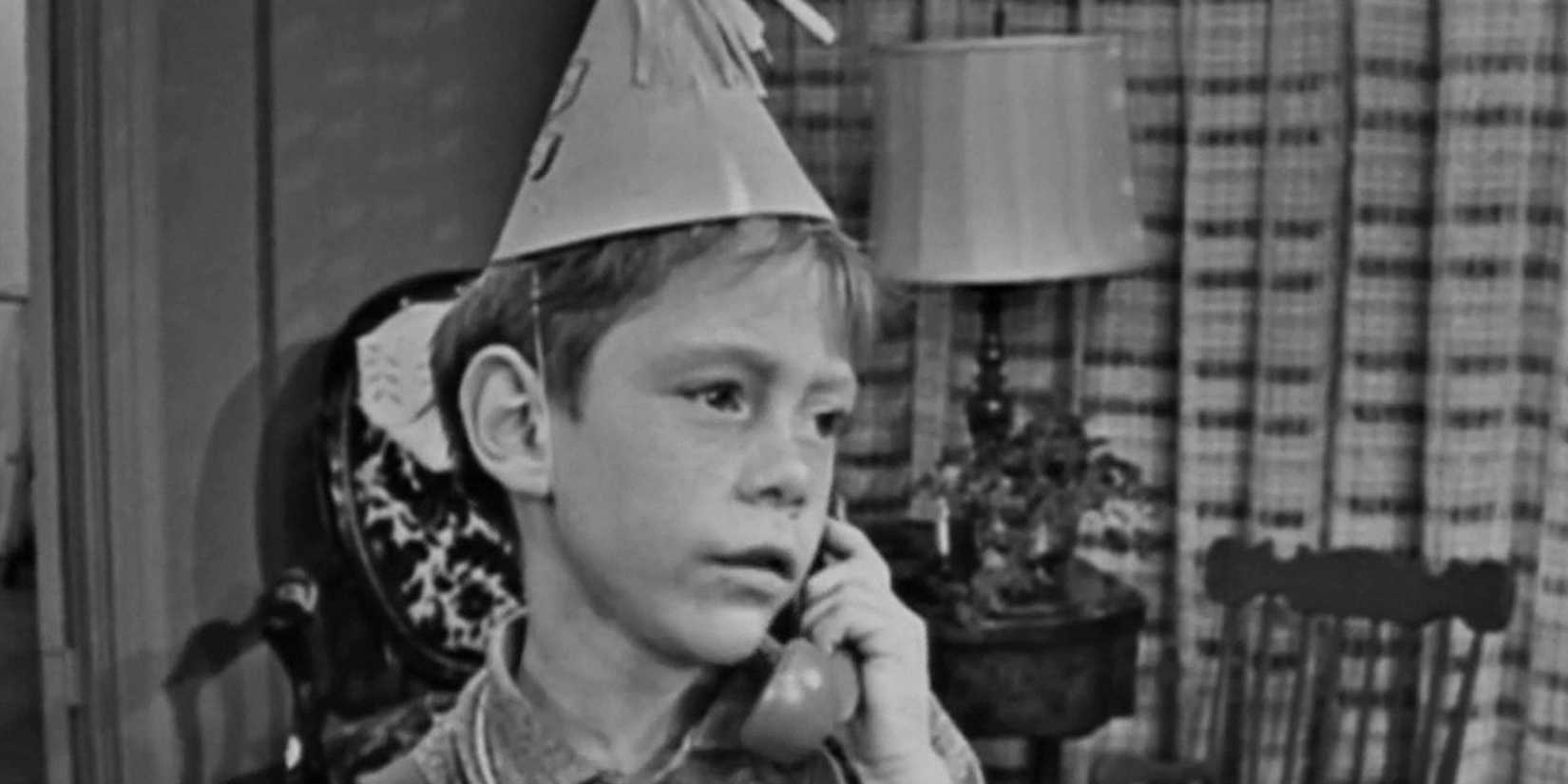
Rod Serling’s classic series, The Twilight Zone, first aired 67 years ago and remains impactful today. Serling skillfully used science fiction and horror as a way to explore important social and political issues of his time, but he did so in a general way. This approach makes the show’s allegories enduring, because they aren’t tied to specific events. While the details of current debates change, the underlying problems stay the same.
Rod Serling’s Twilight Zone episode featuring suspicious neighbors hunting for an alien was originally seen as a commentary on the fear and suspicion of the Red Scare and anti-communist feelings. Today, it feels relevant to the intense political divisions and ‘us vs. them’ mentality seen during the Trump presidency.
The Wire
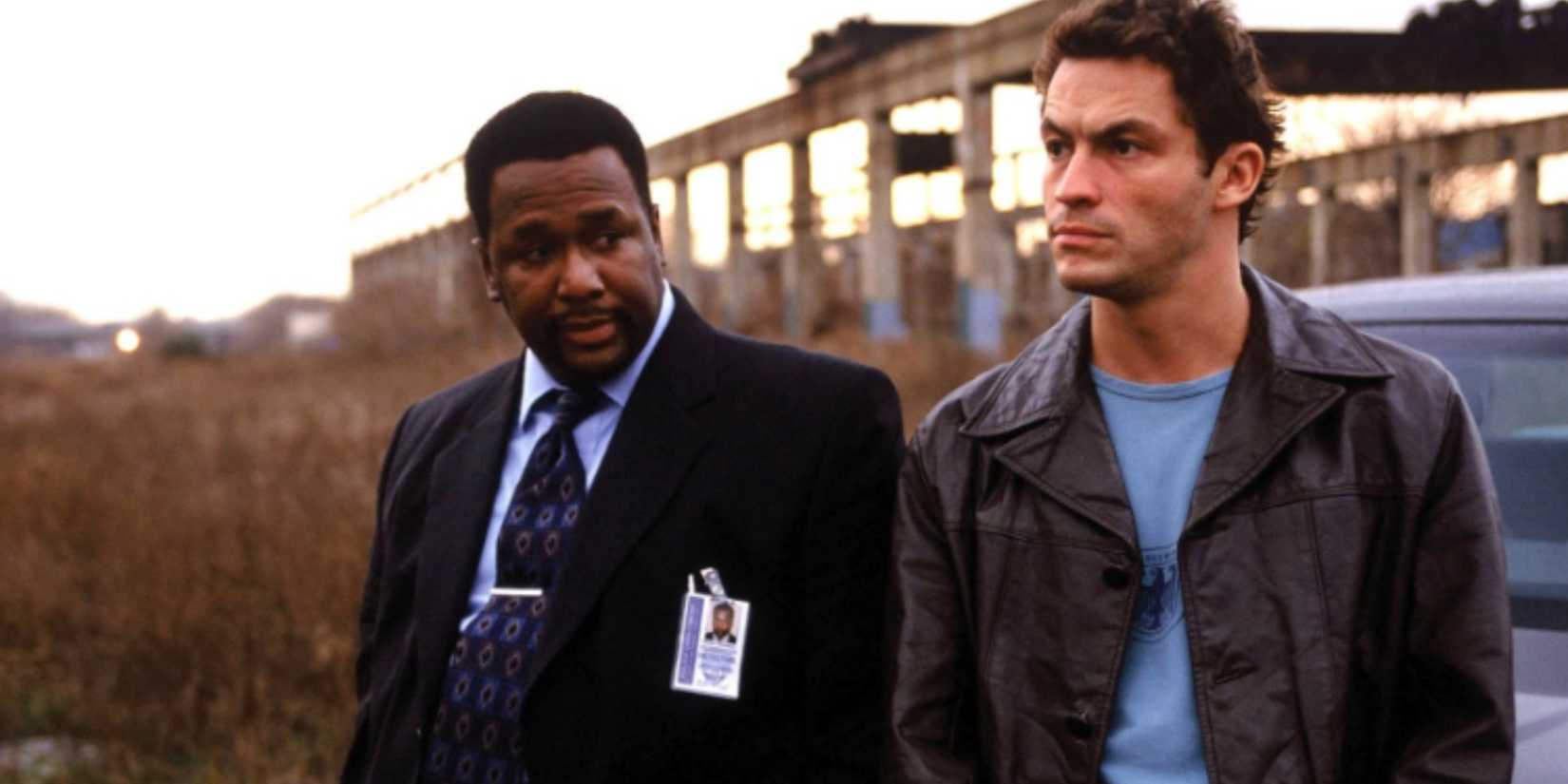
The single greatest achievement in the history of American television is David Simon’s groundbreaking crime drama The Wire. Simon turned his years of experience as a reporter in Baltimore into the most realistic cop show ever made, and an almost documentary-like examination of all the broken institutions keeping the city mired in crime and corruption.
This isn’t just a fascinating look at a legal case; it’s one of the best TV dramas ever created. The show features a large cast of incredibly well-developed and realistic characters, each with their own flaws and strengths, and they’re all played by exceptionally talented actors.
Read More
- Off Campus Season 1 Soundtrack Guide
- DoorDash responds after customer uses AI to make food look bad and get a refund
- Jon Bernthal Explains Why Marvel Let Him Make The Darkest Punisher Story Ever
- Gold Rate Forecast
- All Golden Ball Locations in Yakuza Kiwami 3 & Dark Ties
- Ethereum Eyes Break Above $2,420 as Rally Hangs in the Balance
- 10 Most Universally Beloved Sci-Fi Movie Villains, Ranked
- Shocking AI Crypto Heist: $175K Vanish and Reappear-You Won’t Believe Why!
- 8 Movie Trilogies That Are More Rewatchable Than The Lord of the Rings
- XRP’s New Credit Hub: A Tale of Tokens and Trust
2026-05-22 16:25