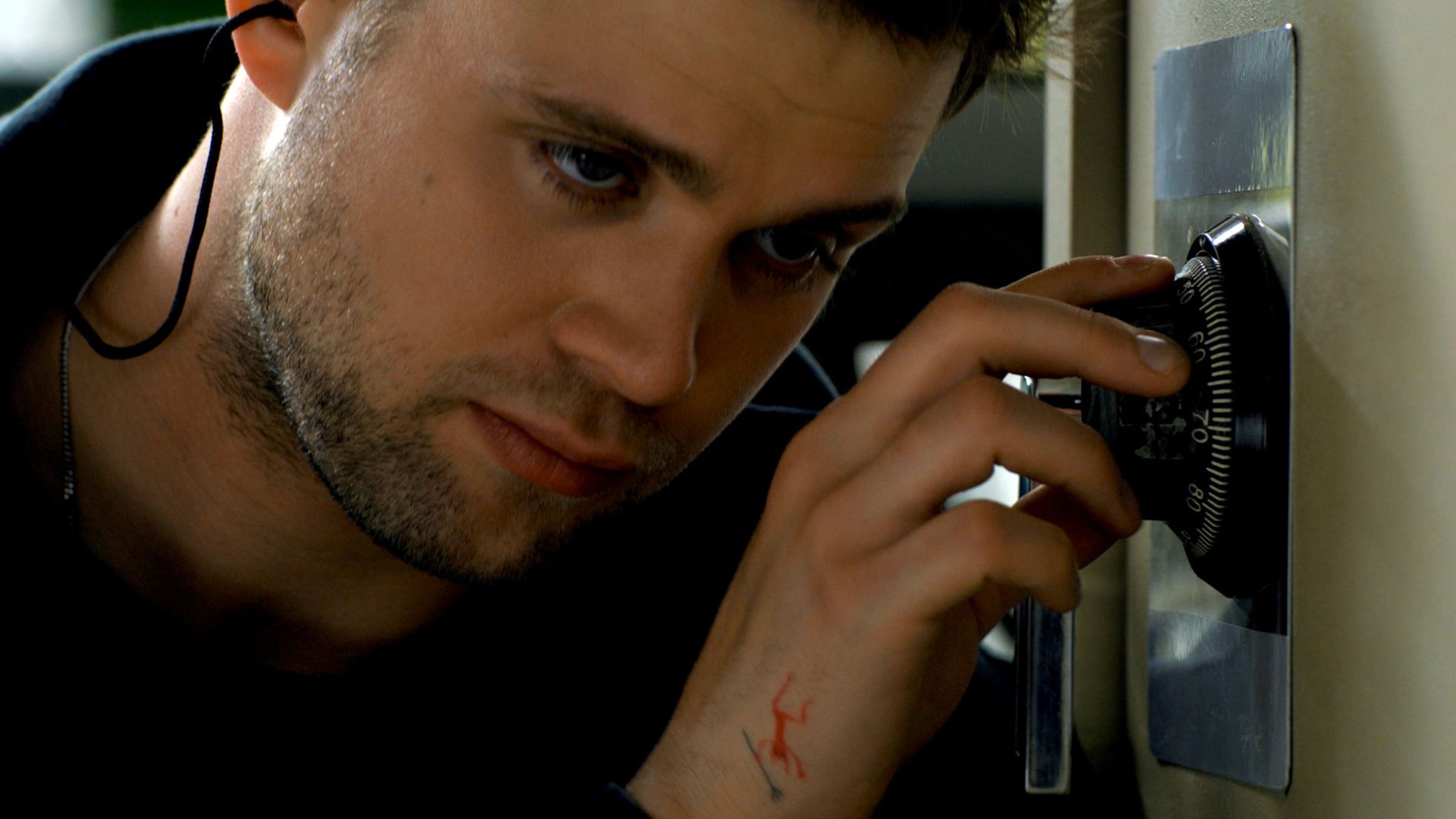
Be warned: the following reveals key details about the ending of the film Tuner. Tuner is a powerful drama that uses music to explore Niki’s difficulties with human connection and his battle with sadness. The story centers on Niki White, a talented pianist who develops hyperacusis, a condition that makes his hearing extremely sensitive, preventing him from playing or being around loud sounds.
His unique abilities also make him an expert at cracking safes, which the thief Uri quickly exploits. The rest of the movie focuses on Niki’s internal struggles and the slow reveal of his hidden frustrations. This culminates in a touching and vulnerable moment for the character, giving the thriller a surprisingly emotional and bittersweet ending.
In Tuner, Niki grapples with a difficult personal situation, his relationships, and a sense of loss that makes it hard to find joy in life. The story is a fascinating look at his inner world, and it’s unique because it prioritizes Niki’s growth over typical thriller elements.
Niki’s Final Heist In Tuner Is The Most Important

The ending of Tuner is both moving and tinged with sadness, reinforcing the film’s theme about the consequences of our choices. After a short period of successful heists, a difficult robbery causes Niki to struggle, and things get even worse when he realizes the bracelet he stole for Ruthie actually belonged to the composer she hopes to work for.
This leads to Niki’s last attempt at a heist: a risky plan to steal the composer’s watch from Uri, hoping it will stop the composer from filing charges. However, the robbery quickly fails. Throughout the film, Niki remains a sympathetic character, and this final act—born out of desperation—results in a brutal beating and partial hearing loss at the hands of an enraged Uri.
Knowing the watch was a final keepsake of composers who perished in the Holocaust, he decided to leave it with Niki to discover at the hospital. This highlights a key theme of the film: even seemingly dangerous characters can experience quiet remorse or moments of compassion.
Although Uri is clearly the villain and doesn’t face consequences for his violent actions, like attacking Niki, this choice suggests a hidden depth to his character. Similarly, in Tuner, moments of understanding come from all the characters, emphasizing the flawed and relatable humanity that drives the story.
What Niki’s Performance In Tuner’s Ending Is All About

The story reaches its most emotional point after Tuner leaves the hospital. When he returns the watch to the composer, Niki is let off by the police, and the composer reveals he always believed Niki wasn’t connected to Ruthie’s involvement in his crimes. Now employed by the composer, Niki and Ruthie have a subdued and thoughtful reunion.
Niki regrets his past mistakes, and Ruthie feels sorry for him. Because of an injury he sustained, Niki now has partial hearing loss, but this surprisingly allows him to play the piano louder. He finally gets to share his musical talent with Ruthie, something the story hinted at throughout the film.
Niki experiences a powerful sense of liberation, having been held back throughout the film by his struggle to make music due to his condition. It’s not about how well he plays, but the joy and freedom he finds in playing again, revealing a potential and talent that Ruthie never witnessed.
This moment finally lets Niki show who he really is. Throughout the movie, he’s hidden his musical ability and struggled with the sadness and resentment of what he’s lost. But this gives way to a powerful, yet subtle, performance. It’s the perfect ending to Niki’s story and a fitting conclusion to the entire film.
The True Meaning Of Tuner

Tuner is a strong character study, and while it involves a heist, that plotline mainly serves to challenge the main characters and their personal journeys. The film succeeds because it centers on Niki, who feels lost and directionless after losing his connection to music.
As a total film buff, one of the things that really struck me about Niki was how heartbreaking his situation is. He’s incredibly gifted musically – perfect pitch and a real talent – but his physical health prevents him from fully experiencing music the way he deserves. It’s not just a disappointment; he actually expressed how this lack, this feeling of being cheated out of something essential, deeply affects his self-worth. You see it in his arguments with Ruthie – it’s like it’s constantly gnawing at him, chipping away at who he is.
The piano reminds him of a painful loss, which is why he avoids playing it for most of the movie. Because of this, Niki seems emotionally distant and doesn’t play music, despite how much joy it usually brings him. But by the end, after facing his errors, he begins to change.
That’s why it’s important for Niki to continue playing the piano. Even though his recent hearing loss might make it difficult, it’s a way for him to share the music he feels inside and show Ruthie that he appreciates her lifelong passion for the art form.
Tuner tells the story of a talented young man who struggles with disappointment when his abilities are limited. He only rediscovers his potential by letting go of pride, insecurity, and fear. During his final performance, Niki is finally able to truly express himself. This growth, symbolized by him playing the piano, makes the ending of Tuner particularly moving and impactful.
Read More
- Off Campus Season 1 Soundtrack Guide
- DoorDash responds after customer uses AI to make food look bad and get a refund
- Gold Rate Forecast
- All Golden Ball Locations in Yakuza Kiwami 3 & Dark Ties
- Ethereum Eyes Break Above $2,420 as Rally Hangs in the Balance
- 10 Most Universally Beloved Sci-Fi Movie Villains, Ranked
- Jon Bernthal Explains Why Marvel Let Him Make The Darkest Punisher Story Ever
- Shocking AI Crypto Heist: $175K Vanish and Reappear-You Won’t Believe Why!
- 8 Movie Trilogies That Are More Rewatchable Than The Lord of the Rings
- XRP’s New Credit Hub: A Tale of Tokens and Trust
2026-05-22 01:32