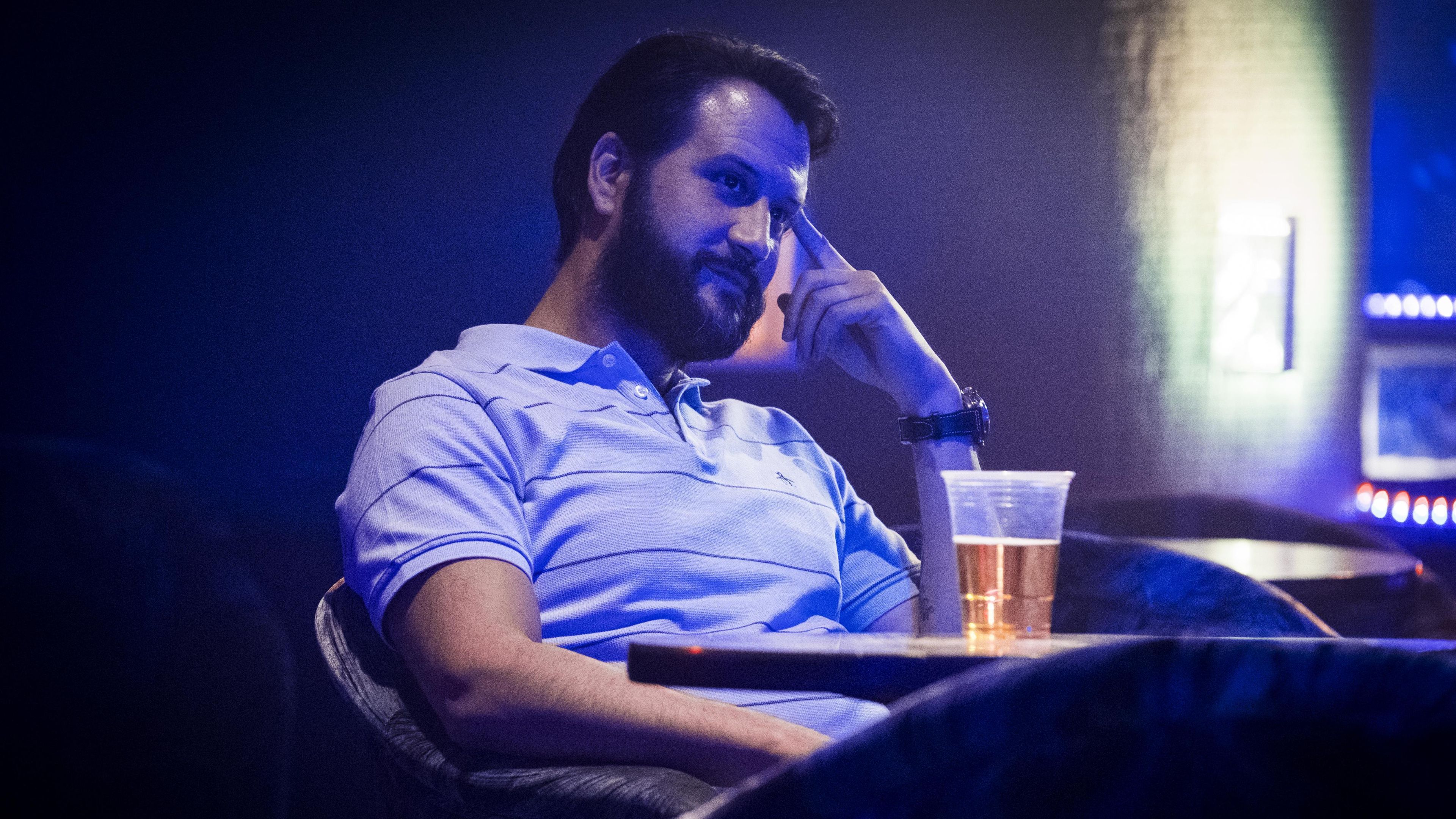
AMC’s crime thriller spinoff proved that spinoff series could be truly excellent. Television has seen spinoffs for decades – even back to The Honeymooners originating from The Jackie Gleason Show – and there are likely even older examples of networks creating new shows based on existing ones.
Most of the time, spin-offs are either prequels that set up the original story, or sequels that continue it with the same characters, often in a new setting. However, Better Call Saul does things differently.
As a huge fan of Breaking Bad, I was completely blown away by Better Call Saul. It quickly became just as good, and I think a lot of that comes down to how Vince Gilligan approached the story. What’s really clever is that it’s both a prequel – showing us what happened before Breaking Bad – but also a sequel, continuing storylines and revealing what happened after the original series ended. It’s a really unique structure that totally works.
The new show picks up directly after the events of Breaking Bad, but those connections are only a minor focus for most of the series. Instead of following Walter White as some might assume, the story centers on Saul Goodman (Bob Odenkirk), exploring a surprisingly complex past for a character who initially seemed like a supporting player.
Better Call Saul Was Smart To Only Loosely Connect To Breaking Bad
Vince Gilligan made a smart decision by keeping Better Call Saul mostly separate from Breaking Bad. While the show includes black-and-white flashbacks of Jimmy McGill, a.k.a. Saul, running from the authorities after the events of Breaking Bad—particularly at the start of each season and in the latter half of season six—the story mainly focuses on his life as a lawyer before he encountered Walt.
This freedom lets Better Call Saul create its own distinct narrative while remaining connected to the world of Breaking Bad. It doesn’t have to constantly revisit every single detail from the original series. For example, we don’t need to see exactly how Walter White’s partnership with Gray Matter ended, or Jesse Pinkman learning carpentry.
Another show continuing the story would have felt like a simple sequel to Breaking Bad, and sequels rarely measure up to the original. By keeping his shows separate, Vince Gilligan let Better Call Saul evolve naturally with its own unique characters. This also allowed him to subtly connect the two shows with hints and references to characters like Lalo (Tony Dalton).
Better Call Saul Effectively Closed The Book On The Breaking Bad Franchise
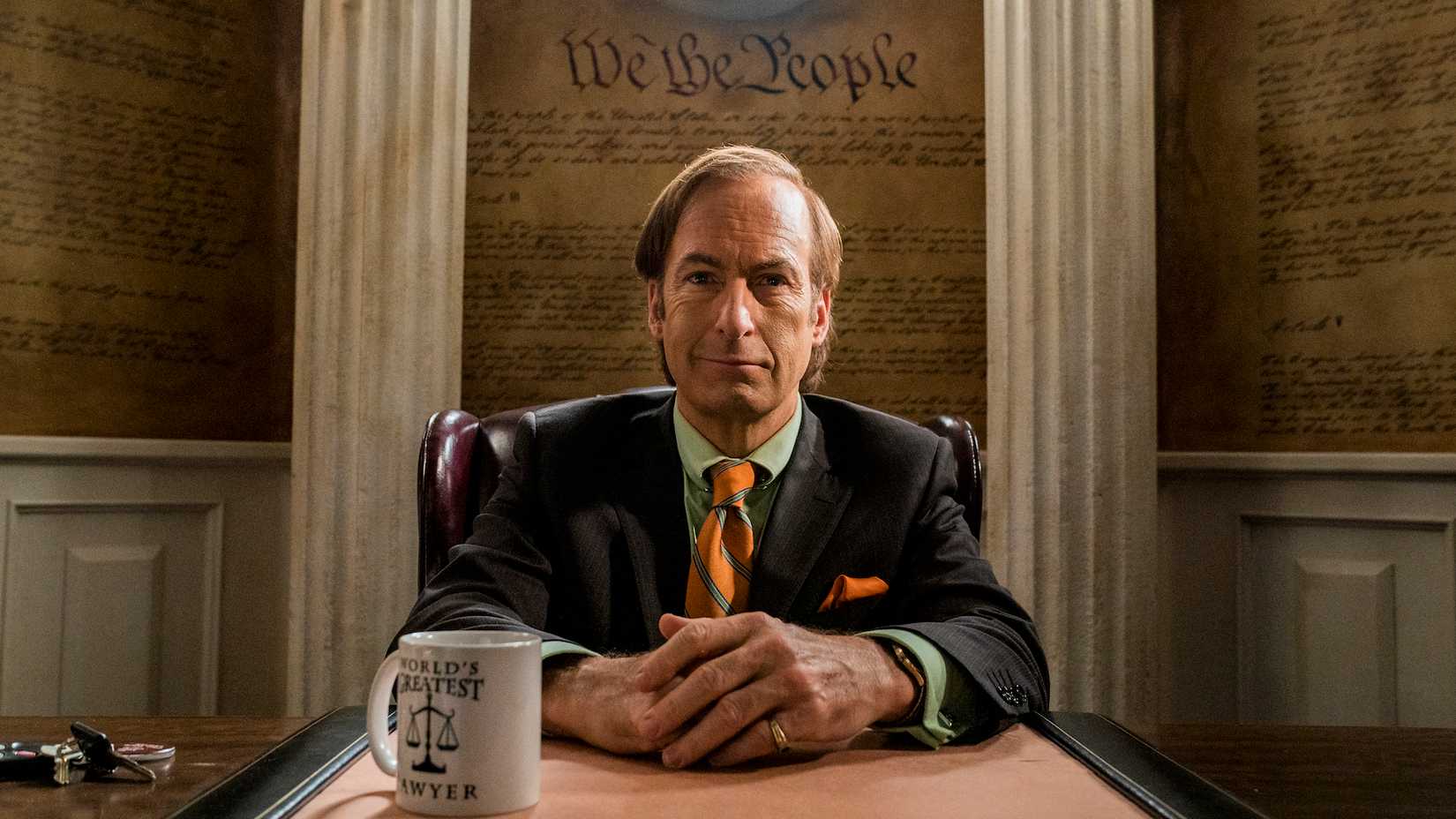
The finale of Breaking Bad is widely considered one of the greatest TV endings ever, making the conclusion of Better Call Saul even more remarkable. While Breaking Bad provided a satisfying end to the complex relationship between Jesse and Walt, Better Call Saul expertly ties up the overarching themes of both shows.
By thoroughly detailing the crimes committed throughout both Breaking Bad and Better Call Saul and their impact on victims, the series Better Call Saul demonstrates its significance and brings a definitive end to the entire story.
Better Call Saul successfully fills in the gaps in the stories of key characters like Gus, the Salamancas, and Mike. It also briefly but effectively clarifies the reasons behind the actions of Walter, Jesse, and Jimmy. Ultimately, it delivers a satisfying conclusion that feels perfect for the entire series – it’s all the ending we needed.
Read More
- Netflix’s Little House On The Prairie Reboot: Release Date, Cast & Everything We Know
- Off Campus Season 1 Soundtrack Guide
- Infinity Nikki Candlelight Reverie Challenge and Rewards Guide
- Gold Rate Forecast
- Prime Video’s New R-Rated Spy Thriller Is Officially No.1 On Streaming Despite Poor Reviews
- Silver Rate Forecast
- Brent Oil Forecast
- EUR ZAR PREDICTION
- KPop Demon Hunters Meets Avatar: The Last Airbender In Netflix’s 3-Part Fantasy Series
- All Golden Ball Locations in Yakuza Kiwami 3 & Dark Ties
2026-04-11 17:10