For years, many stories have featured male characters who only reveal their feelings when faced with a crisis. These ‘cool’ heroes often require a lot of pursuit from the female lead, with drawn-out plots and unnecessary drama, only to end up in relationships that feel awkward and emotionally distant. This trope became so prevalent that viewers began to expect it.
Lately, we’ve seen a growing trend of male anime characters who break away from the typical tough-guy mold, and fans are loving it. This popularity has encouraged creators to develop more characters who are caring, dependable, and genuinely appealing.
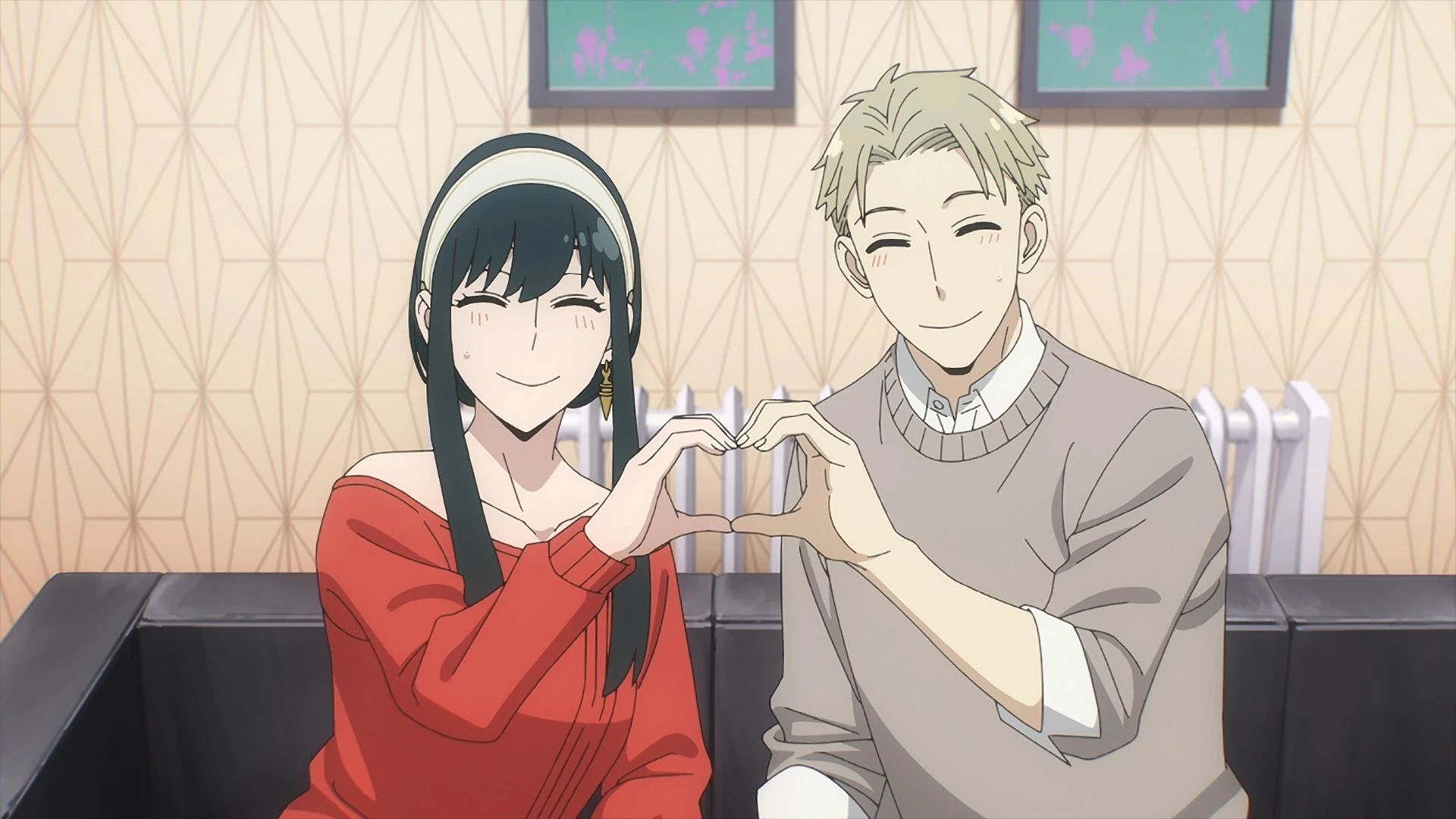
Spy x Family’s Loid Forger Takes His Mission as a Husband 100% Seriously
Loid Forger is a spy haunted by his past, and he believes he has a very specific future planned. Spy x Family introduces him as someone who keeps his personal and professional life completely separate. He sees emotions and close relationships as weaknesses, but throughout the series, we see him slowly letting those barriers down, one small, everyday moment at a time.
It’s heartbreaking to watch Loid develop feelings for the family he initially intended to be temporary. He’s under immense pressure – a single mistake could have terrible consequences. Despite this, he unintentionally makes his ‘fake’ family feel genuinely loved and connected. Spy x Family beautifully illustrates how love often shows itself through actions before we even realize it, and Loid embodies the subtle, unspoken side of affection.
Tanjiro Kamado’s Emotions Are a Form of Strength in Demon Slayer
Tanjiro Kamado from Demon Slayer is remarkably kind, but he doesn’t let that kindness make him vulnerable. He feels sympathy for demons even as he defeats them, and while he’s forgiving towards those who hurt him, he’ll fiercely defend his sister, Nezuko. He supports others, like Kanao, in finding their strength without seeking attention for himself.
The character Tanjiro in Demon Slayer is defined by his deep compassion, a trait that remains constant no matter what challenges he faces. Because of this, he doesn’t become unkind or distant when relationships become strained.
Snow White with the Red Hair Actively Dismantles a Romantic Power Imbalance
Zen Wistalia, a prince from Snow White with the Red Hair, takes his duties seriously. The story acknowledges the pressures his position places on his relationship with Shirayuki, and Zen doesn’t shy away from them. He actively supports Shirayuki’s work as the court herbalist, and when she expresses concerns about their different social standings, he validates her feelings instead of dismissing them.
Typically, powerful fictional love interests act impulsively, but Zen is different. He avoids dramatic displays of affection, recognizing that Shirayuki’s well-being is more important than satisfying his own desires. This makes their connection feel authentic and truly deserved. Snow White with the Red Hair suggests that Zen’s considerate behavior isn’t a special act, but rather what’s fundamentally needed for a healthy relationship.
My Love Story!! Showcases a Softer Type of Masculinity
I absolutely adore how My Love Story!! flipped the script! Usually, a guy who looks like Takeo Gouda would be the intimidating bully ruining the romance, but this show brilliantly made him the sweetheart you’re rooting for! And it doesn’t just make him the love interest, it explores all the wonderful, unique ways his genuine kindness and sincerity make him truly special. It’s just so refreshing and heartwarming!
Takeo is straightforward in relationships. He isn’t afraid to ask for help, directly addresses problems with his partner, and listens to their advice. The anime My Love Story!! portrays this vulnerability and consistent effort as truly romantic, suggesting that someone who tries their best is a better partner than someone who is simply attractive but emotionally distant.
Himmel the Hero Died Without Ever Caring If Frieren Loved Him back
Despite not being physically present for much of Frieren: Beyond Journey’s End, Himmel leaves a stronger impression than the main male characters. The anime portrays him as a man who loved freely and unconditionally, offering his affection to Frieren without ever pressuring her to reciprocate. He loved deeply, but never made her feel bad for not understanding how to receive his love.
The anime Frieren: Beyond Journey’s End shows that Himmel’s true heroism wasn’t just defeating the Demon King. His most important legacy was teaching Frieren, an immortal elf, the value of human connection, even knowing it would eventually lead to sorrow. He shared this lesson selflessly, without expecting anything back, and left a profound impact on Frieren, who spends years learning to cherish his memory. Frieren identifies this as love, and Himmel’s example of patience and dedication is unmatched by anyone else.
Rurouni Kenshin’s Story Values Accountability Over Victimhood
Kenshin Himura, perhaps more than any other anime character, could easily justify walking away from responsibility, but Rurouni Kenshin consistently prevents him from doing so. His promise not to kill isn’t about simply avoiding violence; it’s a constant, deliberate effort to reject the person he became through fighting. This ongoing, often difficult commitment is the most compelling and well-developed aspect of his character throughout the series.
Kenshin takes care of everyday tasks like cooking and cleaning, and also protects others. The show, Rurouni Kenshin, emphasizes that he does these things out of genuine kindness, not because he feels bad about his past or feels obligated. He’s not trying to make up for anything; he simply wants to create a meaningful life. This difference is really important, and the series understands that.
Gabimaru’s Love for His Wife Is the Only Truth Left in Hell’s Paradise
In Hell’s Paradise, we meet Gabimaru, a character raised to suppress all emotion. The story subtly shows that despite this training, something within him remained. This didn’t make him weak, but instead helped him rediscover his own value. Throughout his journey on Shinsenkyo island, Gabimaru’s actions are driven by a desire to reclaim his true self, not to chase a perfect past. He’s not motivated by fame or honor, but by a specific person he cares about.
I’m really struck by how Hell’s Paradise portrays Gabimaru’s relationship. It’s so refreshing because his wife isn’t just some plot device or an idealized figure meant to motivate him. He knows she’s imperfect, and loves her anyway—that’s what makes their connection feel so real and earned. It feels like the series is saying that true love doesn’t make you superhuman, but grounds you, reminding you of what it means to be human. It’s a powerful message, honestly.
Miyamura’s Willingness to Be Vulnerable Transforms Horimiya’s Trajectory
Many romance anime build to a moment where characters reveal their vulnerabilities, usually after they’ve already fallen in love and struggled to stay together. But in Horimiya, the main character, Miyamura, is different. He openly shares his insecurities and quickly asks his love interest to define their relationship, avoiding a lot of the usual back-and-forth.
Horimiya believes that being emotionally honest with yourself is the foundation of any good relationship. The series shows Miyamura needing to accept himself before he can truly love someone, and it dedicates time to portraying that journey. When his relationship finally deepens, viewers have seen him genuinely grow and deserve that happiness.
The Way of the Househusband Makes a Loving Man Out of a Former Yakuza Boss
Tatsu is incredibly dedicated, whether he’s involved in criminal activities or focused on his family. In The Way of the Househusband, he could have continued his life of crime, but he chose to prioritize his wife, Miku’s, happiness. He left his dangerous past behind to ensure her safety and well-being, making being a devoted husband his full-time job.
Unlike most anime, The Way of the Househusband focuses on the everyday, often unseen, side of taking care of someone. Tatsu fully embraces tasks like cooking, cleaning, and shopping, and isn’t ashamed of them. His commitment to making Miku comfortable is shown as something deserving of the same admiration as his past accomplishments.
Wotakoi: Love Is Hard for Otaku Knows That Simple Kindness Is Key to Falling in Love
Hirotaka Nifuji expresses his affection in a unique way, and the series Wotakoi: Love Is Hard for Otaku doesn’t try to make him conform to typical romantic gestures. Instead, he pays incredibly close attention to everything Narumi says – her likes, dislikes, and even passing thoughts – and uses those details to show how much he cares.
Hirotaka’s journey in Wotakoi isn’t about finding feelings, but learning how to show them. He always cared for Narumi, but struggled to communicate it. The series portrays this as personal growth – Hirotaka doesn’t become someone else, he simply becomes a more expressive and improved version of himself.
Found an error? Send it so it can be corrected.
Read More
- Netflix’s Little House On The Prairie Reboot: Release Date, Cast & Everything We Know
- Off Campus Season 1 Soundtrack Guide
- Silver Rate Forecast
- Prime Video’s New R-Rated Spy Thriller Is Officially No.1 On Streaming Despite Poor Reviews
- Gold Rate Forecast
- Brent Oil Forecast
- EUR ZAR PREDICTION
- Infinity Nikki Candlelight Reverie Challenge and Rewards Guide
- KPop Demon Hunters Meets Avatar: The Last Airbender In Netflix’s 3-Part Fantasy Series
- 币安人生 PREDICTION. 币安人生 cryptocurrency
2026-04-11 01:12