Isekai anime is often known for including fan service, but this can actually detract from its strengths – namely, creating imaginative and detailed worlds with real emotional depth and interesting ideas. While the premise of being transported to another world has huge potential, many isekai shows that focus heavily on fan service lack a strong story or well-developed world.
I’ve noticed not all isekai series are the same. Some don’t chase quick popularity; instead, they build really engaging stories with depth and a sense of magic that stays with you. These are the ones that show what the genre can really do – it’s all about strong writing, not just flashy moments.
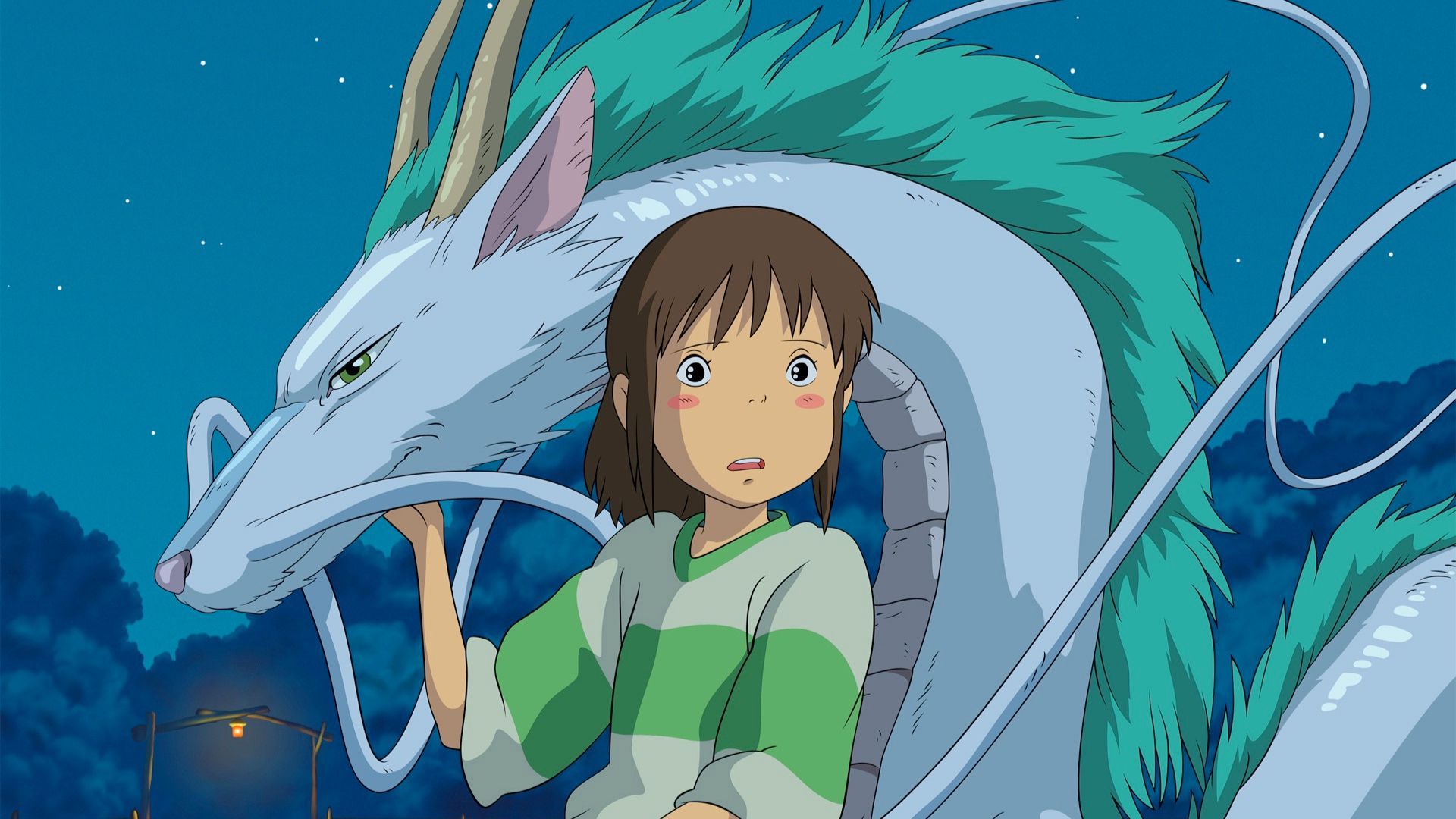
Spirited Away Remains the Gold Standard of Isekai Storytelling
Unlike many isekai stories, Spirited Away truly focuses on genuine emotions. As one of the world’s most celebrated animation studios, Studio Ghibli delivers a particularly compelling take on the genre. Miyazaki uses Chihiro’s journey – her change from a timid child to a resourceful worker – to show how developing a strong sense of self and growing as a person helps us overcome obstacles, a message that feels relevant even outside the film’s fantastical setting.
Throughout her time at the bathhouse, Chihiro learns that simply being brave isn’t enough to get by—she has to grow and change. Every character she meets, from the strict Yubaba to the kind Haku, helps illustrate this point, rather than just being there for fun. This consistent theme, along with Miyazaki’s commitment to keeping the story complex for all ages, is what makes Spirited Away a prime example of how stories about being transported to another world can achieve truly artistic merit.
InuYasha Built Its Legacy on Character Development Instead of Shock Value
Many long-running anime rely on constant action to keep viewers engaged, but InuYasha stood out because of the realistic and gradual development of the relationship between Kagome and InuYasha, set against the backdrop of Japan’s turbulent Sengoku period. Unlike most anime where characters are transported to another world (isekai), InuYasha honestly portrays the difficulties of being caught between different time periods and makes their connection feel genuinely important. Kagome’s unique role as both an outsider and a source of stability gives the series a consistent emotional core that many similar long-running shows lack.
Watching InuYasha, I was struck by how well it blended funny moments with genuinely sad ones, all while the dangers kept getting bigger. What really stood out was how the show dealt with its villains, especially Naraku. They weren’t just defeated and forgotten; the characters actually felt the lasting effects of the battles, both physically and emotionally. It showed me that a show can be popular worldwide without simplifying its characters, something a lot of the fantasy series that came after it seemed to miss.
The Saga of Tanya the Evil Treats War as a Moral Problem
The Saga of Tanya the Evil focuses less on the outcomes of war and more on how war impacts beliefs. Tanya’s frightening effectiveness stems from her unwavering, logical approach; she embodies the values of a competitive, results-driven system, having been reborn into a world that rewards those same traits. Unlike most heroes who are motivated by empathy and a desire for positive change, Tanya is defined by a complete lack of these qualities, offering a unique and unsettling perspective within the genre.
The show highlights how institutions can create a disconnect from morality, and portrays Tanya’s achievements as a criticism of the systems that shaped her. The dynamic between Tanya and Being X grounds these moral ideas in reality, preventing them from feeling too theoretical. This combination of complex characters and significant moral questions is what makes the series compelling.
Log Horizon Understands That Rebuilding Society Is More Interesting Than Escaping It
Unlike many stories where characters try to escape from a video game world, Log Horizon explores what happens when someone decides to build a life there. The main character, Shiroe, focuses on creating political relationships and a functioning economy within the game Elder Tale, treating it like a real, complicated society. The show takes a chance by dedicating entire story arcs to things like treaty talks and guild finances, but this approach makes every change in power feel realistic and well-deserved.
Shiroe earned the nickname “villain in glasses” because the show brilliantly demonstrates that intelligence can be a powerful force with serious moral implications. This makes Log Horizon unique among similar shows, as the main character’s greatest strength is understanding others, and his actions based on that understanding have real and lasting consequences.
Ascendance of a Bookworm Finds Drama in Obsession and Ingenuity
The core of Ascendance of a Bookworm‘s compelling story is Myne’s determined effort to make books by hand in a world where printing doesn’t exist. This creates real tension because Myne is physically weak and comes from a low social class, making each small improvement feel important and highlighting her vulnerability. The show smartly avoids letting Myne’s memories from her previous life give her an easy advantage; every success comes at a cost.
Unlike most stories in its genre that focus on fighting, Ascendance of a Bookworm portrays a love of learning as the heroic quality. Myne’s dedication to books isn’t just a personal interest; it helps her survive and gradually changes the world around her. This makes her journey unique compared to typical ‘isekai’ stories where characters gain power, and establishes her as a standout character.
Grimgar of Fantasy and Ash Refuses to Let Death Be Consequence-Free
Unlike many ‘isekai’ anime that focus on wish fulfillment and instant power, Grimgar realistically portrays the struggles of ordinary people suddenly thrust into a dangerous world. The characters’ initial mistakes aren’t brushed off as jokes or quickly fixed; they have lasting consequences, impacting their relationships and emotional well-being. The early loss of Manato establishes a somber tone, highlighting that being transported to another world isn’t always glamorous or empowering, as often depicted in action-packed anime.
The anime’s use of subtle colors and slow rhythm emphasizes its main idea. Grimgar portrays the lasting effects of battle as something that alters people, often negatively, which is a departure from typical ‘transported to another world’ stories.
How a Realist Hero Rebuilt the Kingdom Takes Governance Seriously as a Genre
The main appeal of How a Realist Hero Rebuilt the Kingdom lies in its unique approach to saving a failing kingdom: focusing on practical solutions like improving farming, finding skilled people, and establishing sound economic policies. Instead of relying on magic or fighting, the series portrays effective administration as true heroism, drawing heavily from ideas about how governments actually work. Kazuya Souma often references real-world political theories, giving the show a thoughtful depth that sets it apart from typical fantasy stories where kingdoms are just background scenery.
While the show isn’t perfect, it stands out because it portrays leadership as a skill someone develops, not something they’re simply born with – a perspective you don’t often see in this type of fantasy. Souma’s success isn’t based on raw power, but on his ability to listen to others, assign tasks effectively, and think strategically. This makes for a more unique and compelling power fantasy.
The Faraway Paladin Takes the Question of Faith More Seriously Than Most Fantasy Anime
The unique way Will was raised – by three undead guardians – deeply shapes his journey of self-discovery in The Faraway Paladin. The story doesn’t just use faith as background detail; it’s the main source of conflict, shown through the difference between the values Will learns and the harsh realities of the world. His guardians, Blood, Mary, and Gus, aren’t really like parents – they represent different ways of thinking that Will must try to understand and combine as he navigates his life.
What sets The Faraway Paladin apart from other isekai stories is its genuine portrayal of faith, rather than simply using religion as a visual element. The show makes Will’s inner conflicts feel real by exploring them deeply before focusing on his progress as a fighter. This creates an isekai where becoming a paladin carries real weight, because we understand the sacrifices required by his beliefs.
Campfire Cooking in Another World with My Absurd Skill Proves Warmth Is a Valid Goal
The idea of an online supermarket in another world is a silly concept, and the anime Campfire Cooking in Another World with My Absurd Skill fully embraces that silliness. What makes the show fun is the contrast between everyday foods like instant ramen and the way people in this fantasy world react to them with great enthusiasm. It’s wonderfully absurd and endearing that Fenrir becomes completely loyal to Mukouda simply because of the delicious food.
I’ve been watching this show, and what strikes me is how deliberately slow-paced it is – a real contrast to most shows of this type that rely on constant action. The main character doesn’t gather friends through battles or quests, but by simply sharing good food, which is a surprisingly clever way of showing how real communities are built. Campfire Cooking proves that a fantasy world doesn’t need a huge, dramatic plot to be worthwhile. It’s a reminder that sometimes, a simple story, told with genuine heart and consistency, is reward enough.
Dead Mount Death Play Brings Genuine Moral Complexity to Its Urban Setting
The story of a powerful necromancer reborn into modern Tokyo – possessing a young boy’s body and becoming involved with the criminal underworld – is a bolder idea than many ‘reverse isekai’ stories. Dead Mount Death Play cleverly uses this setup to create a complex mystery. The necromancer, Polka, views the city as an outsider, and his lack of conventional morality, combined with genuine curiosity, allows him to see through the secrets of those around him. The urban setting of Tokyo is crucial, highlighting the clash between Polka’s old-world beliefs and the modern corruption of the city.
The show builds its appeal by not making Polka a typical hero. He has values that often clash with what viewers expect, which makes his actions surprising and feel true to his personality, not random. Dead Mount Death Play is unusual for its genre because the protagonist never fully adjusts to his new world, and that constant sense of being an outsider is what makes it so captivating.
Found an error? Send it so it can be corrected.
Read More
- Netflix’s Little House On The Prairie Reboot: Release Date, Cast & Everything We Know
- Off Campus Season 1 Soundtrack Guide
- YouTuber arrested after viral AI bodycam videos spark real police complaints
- Silver Rate Forecast
- Prime Video’s New R-Rated Spy Thriller Is Officially No.1 On Streaming Despite Poor Reviews
- Gold Rate Forecast
- Brent Oil Forecast
- Peaky Blinders: The Immortal Man’s Tommy Shelby Is a Better Father Than Michael Corleone
- EUR ZAR PREDICTION
- Bulgakov’s Take: Koreans Bet the Farm on Chips, Crypto, and Chaos
2026-04-06 01:16