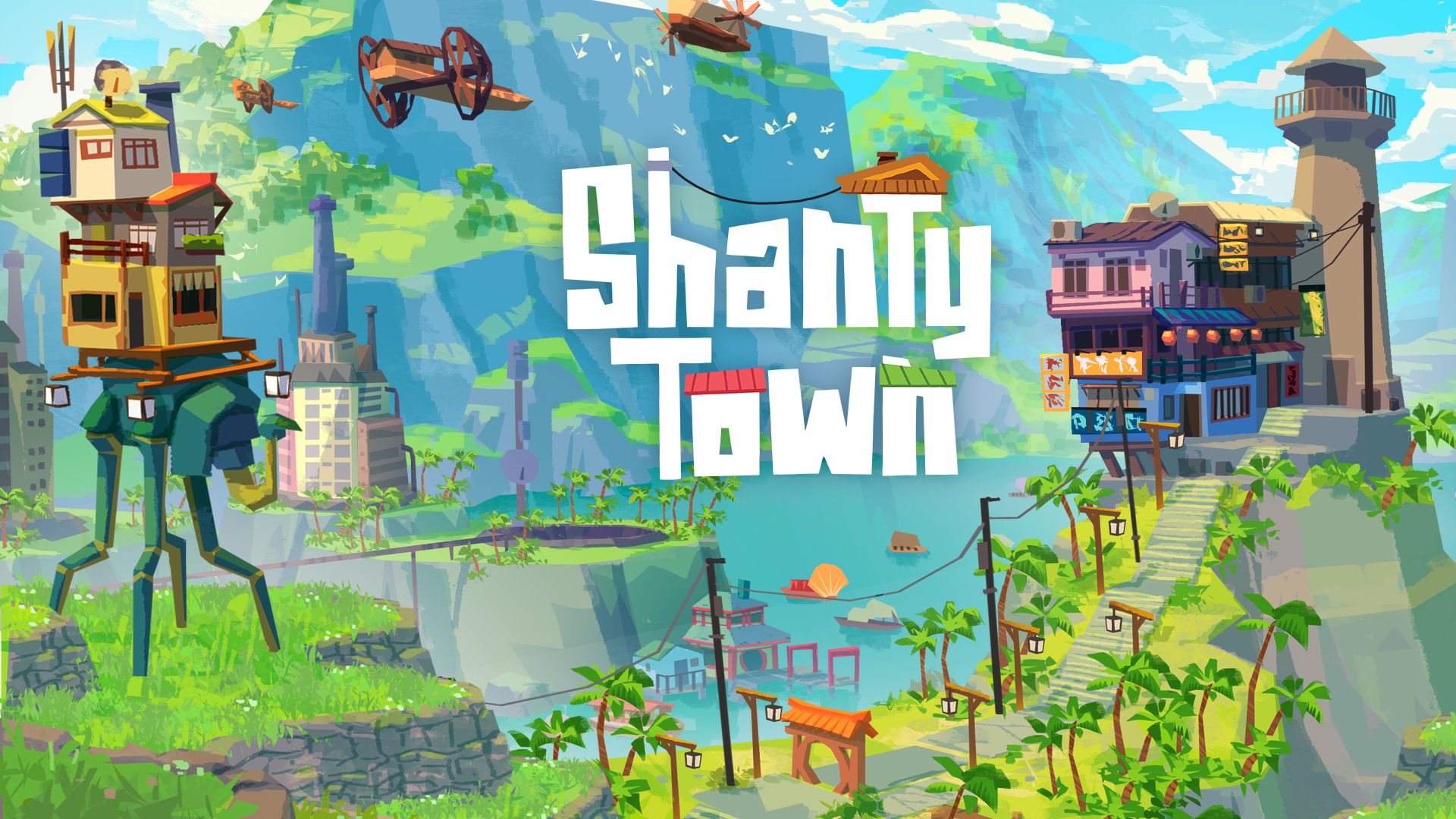
I’d been looking forward to playing Shanty Town for about a year, and finally getting the chance felt amazing. The game exceeded all my expectations! It’s a relaxing town builder, and while that might not sound groundbreaking, it’s surprisingly creative and engaging.
I had a chance to chat with the game’s creator while playing, and he shared what inspired the game and explained some of its more subtle details. It’s a relaxing game that breaks from the usual mold – it has levels, but there’s no pressure to hurry or complete things quickly.
I recently got a chance to check out this game, and honestly, it’s a blast – super fun and really easy to pick up. I didn’t have a ton of time with it, but the good news is you won’t have to wait long to try it yourself! In this preview, I’m going to share what I talked about with the developer, Erik Rempen, and some of the cool ideas behind how he designed the game to make it stand out.
What is Shanty Town?
Shanty Town is a relaxing game about building a little community and making a place people can call home. You’ll explore different areas – some big, some small – and design your community however you like. Each area has simple goals to achieve, making it easy to play and enjoy.
You have a lot of control over how things look in the game – you can customize colors and styles to match your vision, or just create something wonderfully wild. It’s designed to be relaxing, so you can play and design at your own speed.
After completing all the goals in an area, you can either continue building or take a snapshot and move to a new location. Eventually, you’ll run out of building materials and have to progress, but a creative mode lets you build endlessly. It’s good to have a reason to explore new areas instead of staying in one spot.
To achieve your goals, you’ll build houses and shops and then furnish them with everything residents need. When you do, there’s a fun animation showing them transform from basic structures into fully functional homes or stores.
Building Up, Not Out
Shanty towns, characterized by closely packed, vertically-built structures, served as inspiration for this game. This design choice allows players creative freedom in how they build and organize their settlements.
While technically you could stack all the buildings on top of each other, it wouldn’t look very good. The lower levels offer plenty of room to customize your layout, and you can even stack amenities on top of the buildings without worrying about stability.
The game was really funny – I was trying to play fast while chatting and accidentally built a building right on top of an aquarium! Surprisingly, the game didn’t even care and just kept going, almost like it was asking what I wanted to do next.
I especially enjoyed how lighthearted the game was. It’s great to play something where you can engage as much or as little as you want, without the pressure of winning. The levels are simple to understand, and players have a lot of freedom to build their communities however they like.
An Interesting World from Top to Bottom
Erik also created a game called Kainga, which shares the same universe as Shanty Town, offering a deeper experience for players interested in the game’s lore. Furthermore, the different locations you explore are all interconnected, creating a seamless world.
Subscribe to our newsletter for more on Shanty Town
Once you finish exploring one part of the city, you get a quick view of the next area, and you can often see where you’ve been or where you’re going in the distance. This helped make the world feel connected and like your actions mattered. Plus, the details were really well done – things like the public transportation signs were accurate and consistent, so if you paid attention, you could actually use them to get around.
It’s great to have a hobby or activity you can enjoy at your own pace, without the pressure of competition or needing to succeed.
While this level of detail doesn’t drastically change how the game plays, it’s fantastic for players who enjoy getting lost in the game’s world. You don’t usually find this kind of care in larger, more mainstream games, but smaller indie titles often excel at creating that immersive experience with thoughtful details.
Okay, I’m seriously excited about this game! It’s launching on April 16th, and from what I’ve heard, it’s exactly what cozy game fans like me have been waiting for. They’re even including a creative mode where you can just build whatever you imagine, which sounds amazing. I can already picture myself spending hours just relaxing and building, or maybe trying to create something really cool and share it. I think this is going to be my new go-to for unwinding!
Read More
- Netflix’s Little House On The Prairie Reboot: Release Date, Cast & Everything We Know
- Off Campus Season 1 Soundtrack Guide
- YouTuber arrested after viral AI bodycam videos spark real police complaints
- Silver Rate Forecast
- Prime Video’s New R-Rated Spy Thriller Is Officially No.1 On Streaming Despite Poor Reviews
- Brent Oil Forecast
- Bulgakov’s Take: Koreans Bet the Farm on Chips, Crypto, and Chaos
- EUR ZAR PREDICTION
- Peaky Blinders: The Immortal Man’s Tommy Shelby Is a Better Father Than Michael Corleone
- Gold Rate Forecast
2026-04-04 22:09