The first season of The Testaments sets the stage for the downfall of Gilead, as detailed in Margaret Atwood’s 2019 novel and a continuation of The Handmaid’s Tale. While the ultimate outcome hinted at in the book will likely happen, this season focuses on building towards it rather than rushing into the revolution. This is both a strength and a weakness. It means the season unfolds slowly, prioritizing background and character development over immediate action. However, it also suggests the series is designed to run for several seasons, promising a detailed and intense exploration of Gilead’s collapse. This isn’t a short, self-contained story; viewers shouldn’t expect a quick resolution.
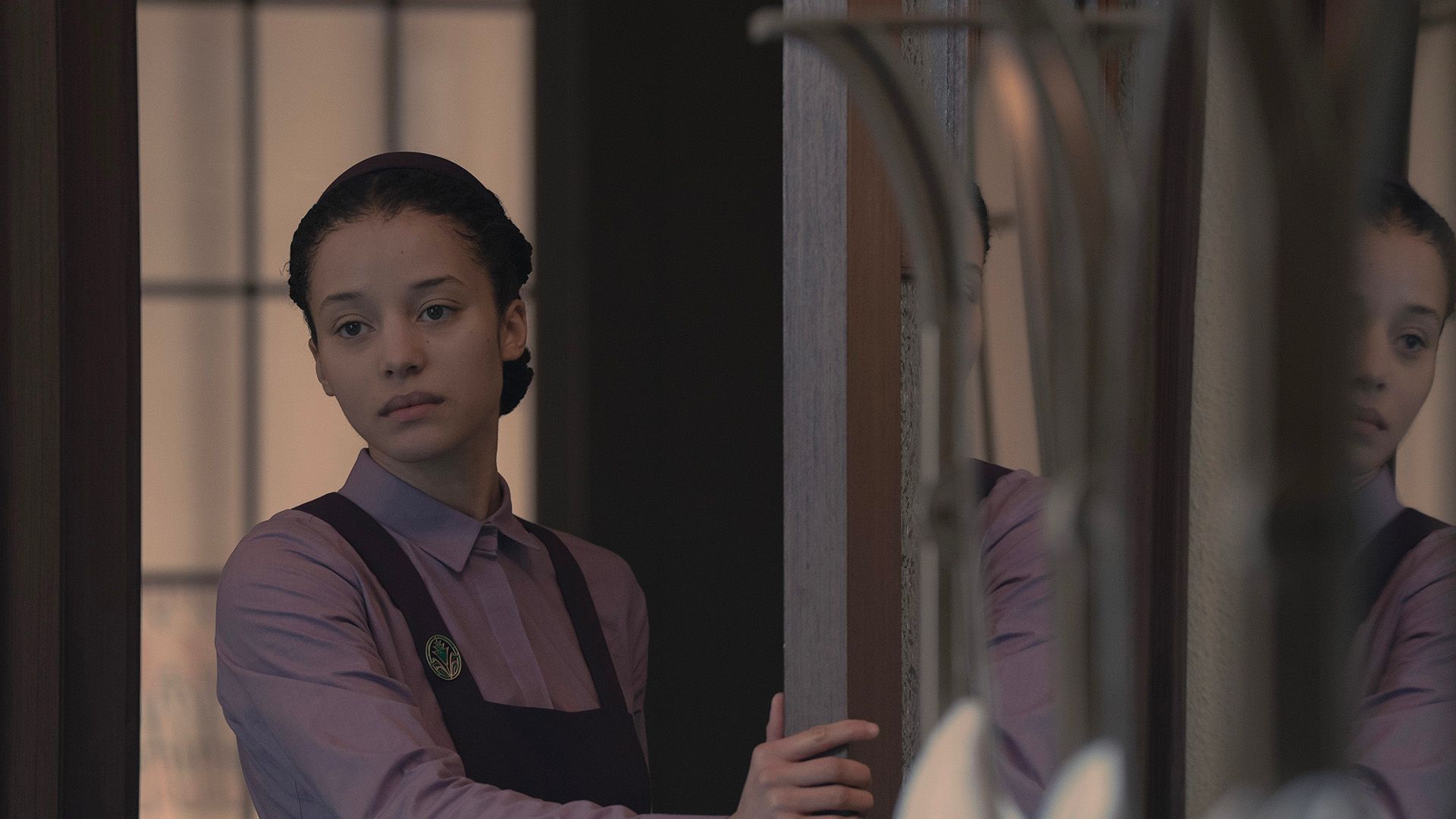
The story revolves around Agnes, portrayed by Chase Infiniti, who is actually June’s daughter Hannah. It’s set four or five years after the events of The Handmaid’s Tale finale – much closer in time than the 15-year gap in the book. This was a deliberate choice to allow for believable character development and to tell the story through the perspective of the older Agnes, showing us what happened as it unfolded rather than just remembering it later. Agnes is still trapped within the oppressive world of Gilead, and she has no knowledge of her true family or any memory of life before the one she currently knows.
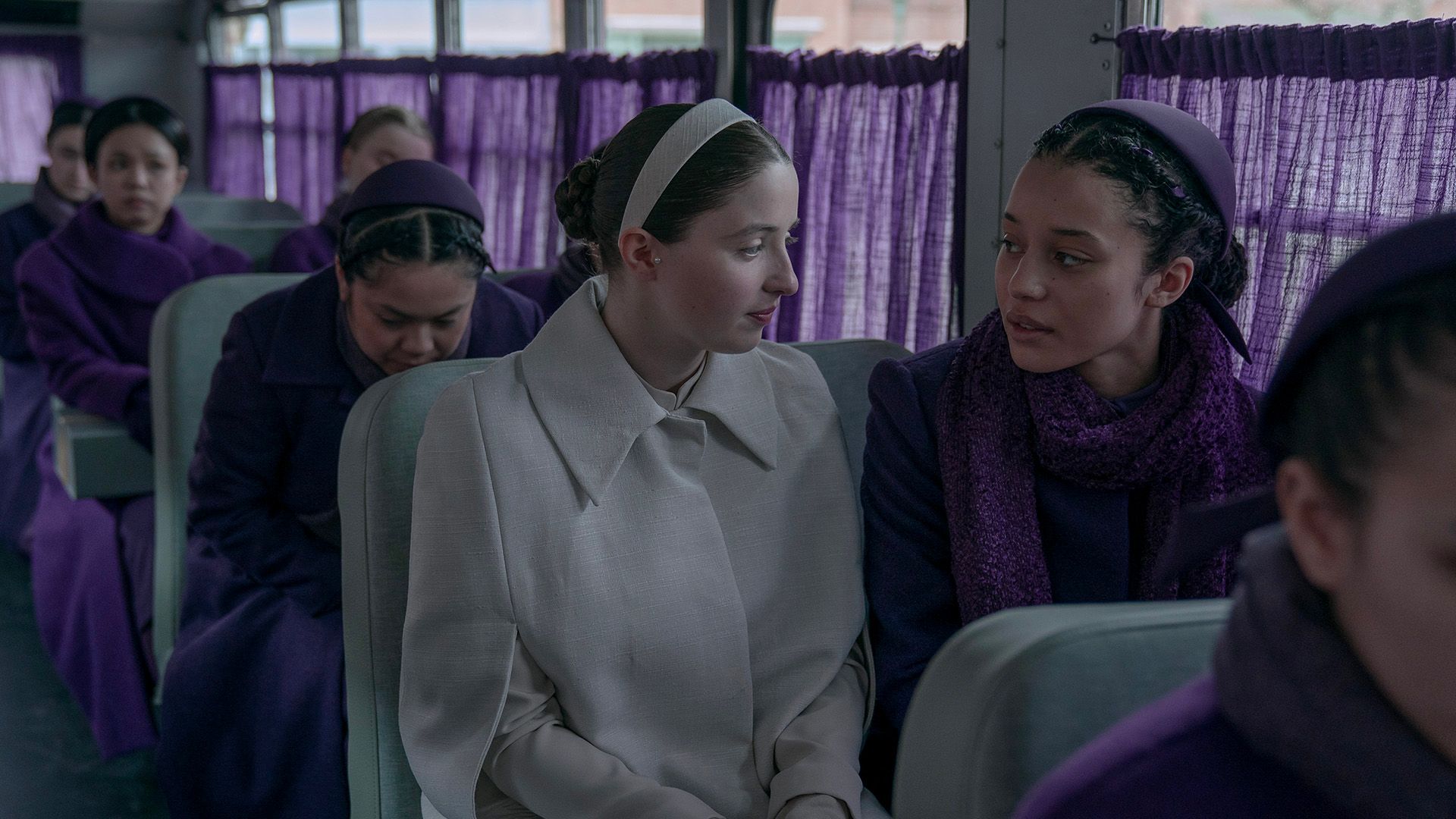
The story follows Agnes and her friends as they grow up in the world of Gilead, and they’re soon joined by Daisy, a new arrival with a hidden connection to the regime. This shift in focus to these young women makes The Testaments a unique coming-of-age story. Their lives are far from typical teenage experiences – they’re destined to either marry Commanders and accept a life of subservience, or face even harsher fates. Despite the strict and oppressive environment, the familiar dynamics of teenage life – friendships, cliques, and awkward moments – still exist, offering a surprisingly relatable perspective, similar to shows like Wednesday.
The acting is excellent, with Infiniti delivering a performance as mesmerizing as Elisabeth Moss, and Halliday convincingly portraying an outsider. Several other actors also shine, notably Mattea Conforti as Becka, Amy Seimetz as Paula, and Mabel Le as Aunt Vidala. Each of these women fully embodies her character, effectively communicating the unique perspective and importance of their role in the narrative.
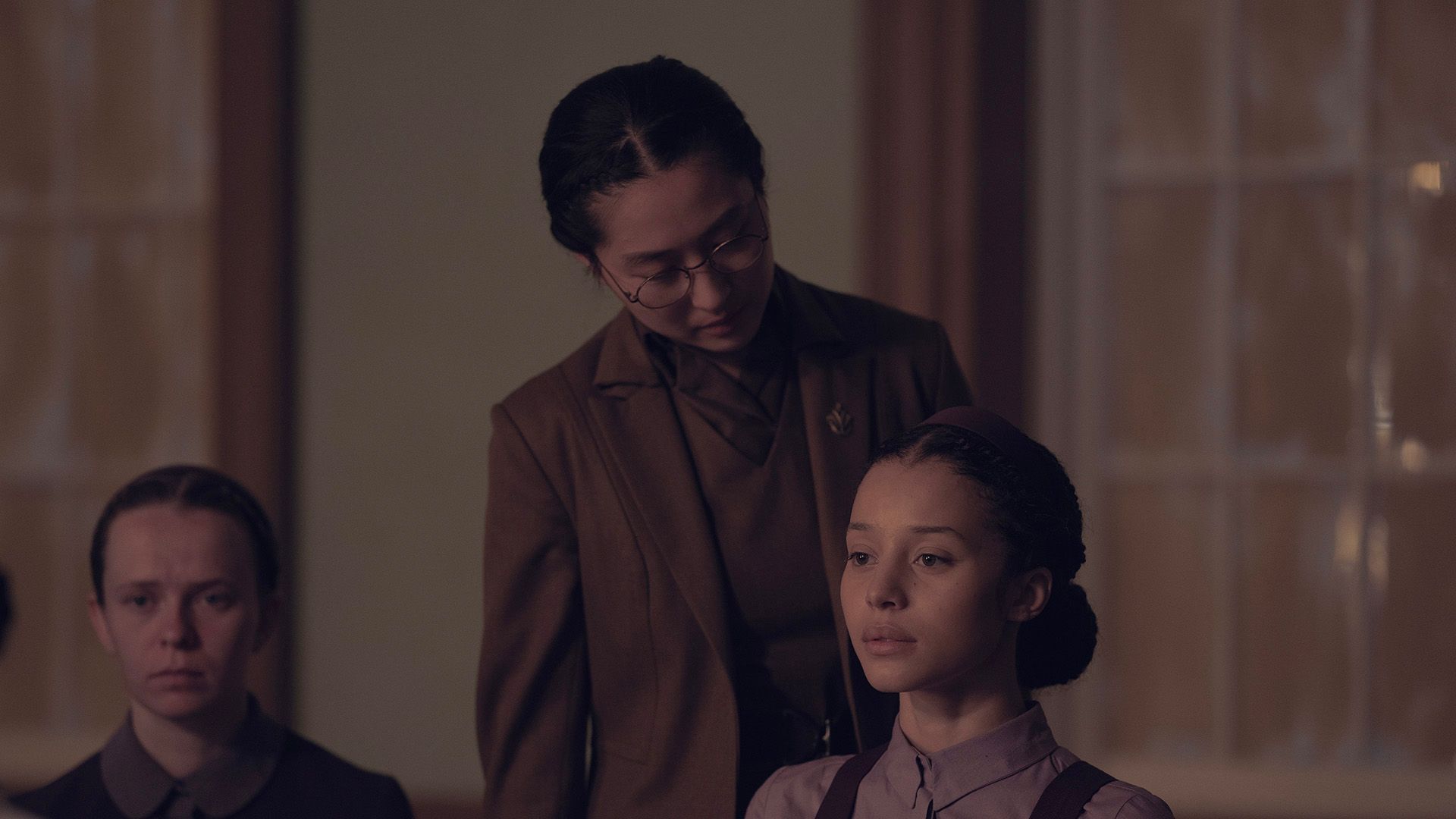
Rebellion and questioning of the established order in this story are more understated than in The Handmaid’s Tale. This makes sense because June, the main character in that show, was already an adult when she was forced to live in Gilead and understood how unjust it was. These young women, however, haven’t known any other way of life – this is normal for them. This is highlighted by their lack of knowledge about everyday things like strapless dresses, racism, or even basic male anatomy like chest hair.
I was completely drawn in by how Agnes tells the story, and how we also hear from other characters – it felt just like reading their personal accounts, almost as if they were writing books themselves. Knowing, from the way the story unfolds, that The Testaments takes place after Gilead has fallen was fascinating. But like we learned with The Handmaid’s Tale, dismantling a system like that isn’t quick or easy. That’s why the first part of the story feels like it unfolds slowly, but in a way that really gets under your skin and makes a lasting impression.
Watching this new show often feels like revisiting the themes of The Handmaid’s Tale, but through the eyes of a younger, less experienced audience – similar to how The Boys and Gen V relate to each other, though it’s not quite as unsettling. Many of the characters echo those from the original series, sharing traits and personalities. I see hints of Commander Waterford, Dr. Malek, Janine, and Commander Blaine in different characters, though their qualities are blended across several people rather than simply copied. And you definitely see echoes of June’s spirit in many of them too. This suggests that even if this new generation doesn’t realize it, teenage girls are actually very perceptive and intelligent.
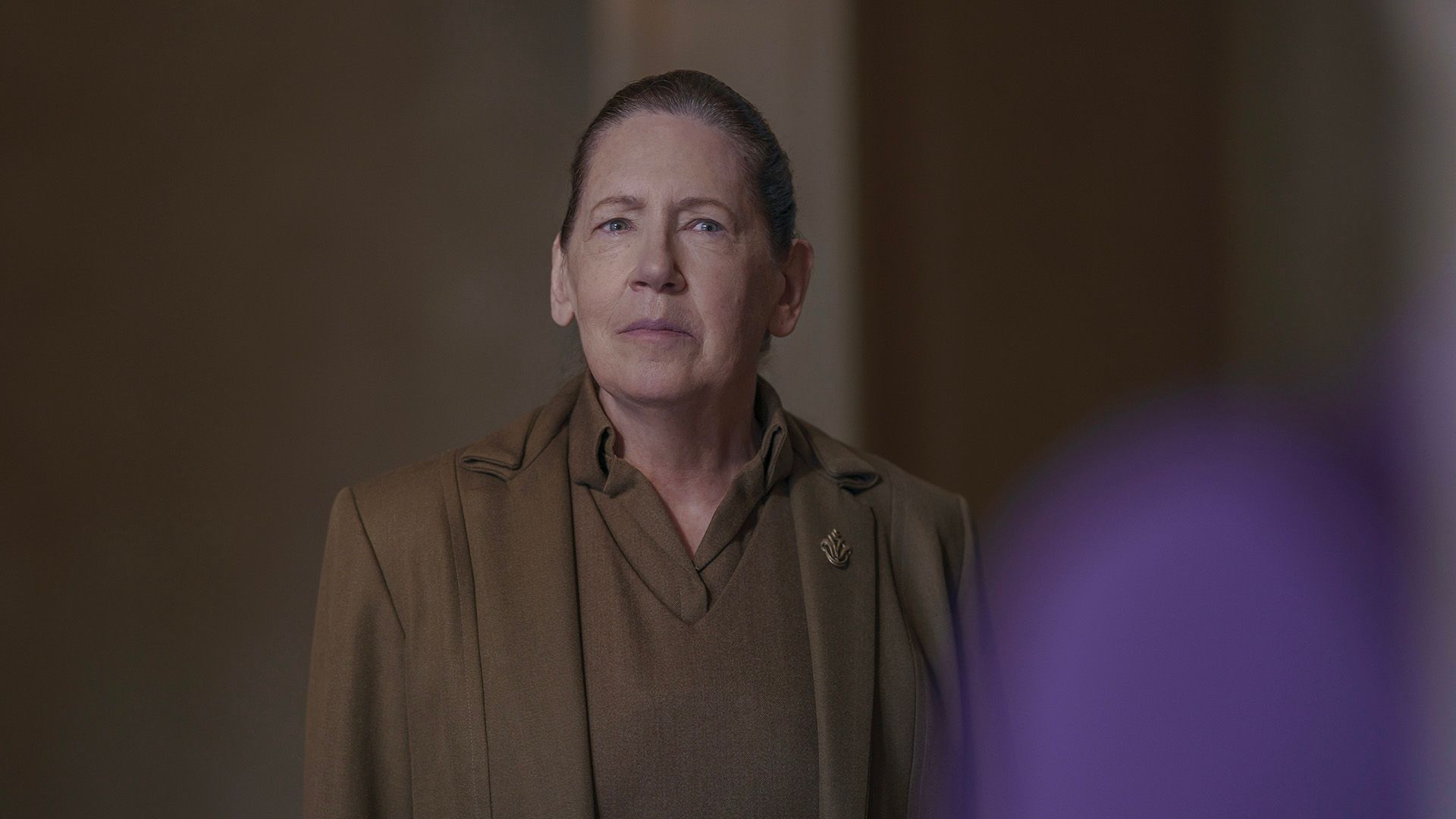
Aunt Lydia, played by Ann Dowd, remains a consistent presence, and as fans of the book and the original series know, she ultimately plays a key role in bringing down the regime. While her past is explored in more detail, some details differ from what was previously shown. It’s clear she understands the risks involved, but she’s cautious and won’t act unless she’s certain of success. Her plan is carefully considered and unfolds slowly, leading viewers to occasionally wonder if she’s secretly working against the system all along.
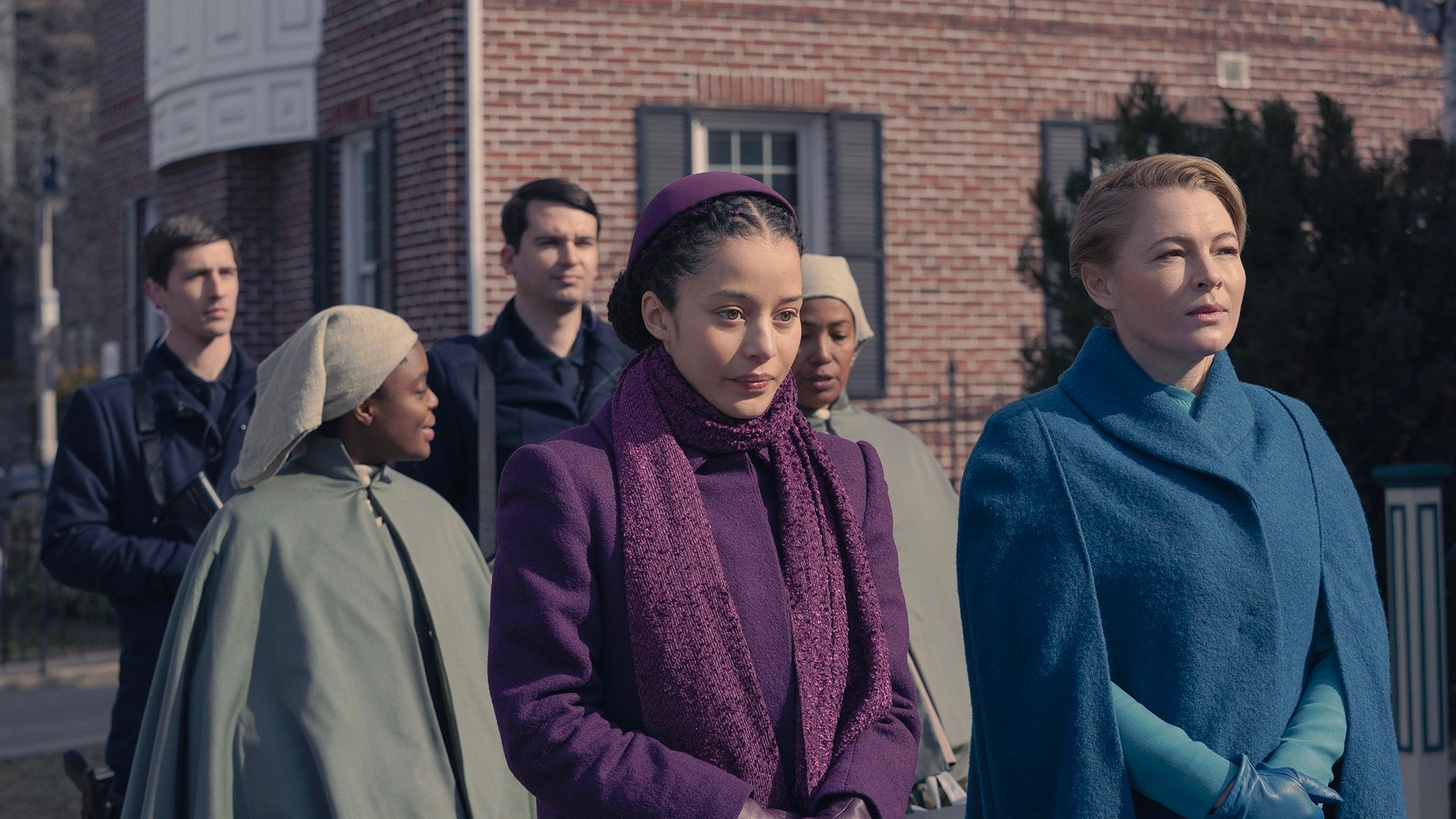
The novel maintains the same unsettling feel as The Handmaid’s Tale, with Agnes and other characters pointing out the ridiculousness of their situation as it unfolds. Agnes reflects in a voiceover, questioning her own value: “I was treated like a precious flower, but sometimes I felt like a prized pig.” This reveals a growing self-awareness, even as the story shows us the characters’ earlier, brainwashed selves.
Several storylines in The Handmaid’s Tale reappear, including young women challenging the system, hints of hidden desires, both subtle and obvious instances of abuse, the tendency to blame victims, and powerful women who perpetuate the oppression – sometimes simply to protect themselves. Ultimately, it feels like the same story, but told with a focus on a younger generation.
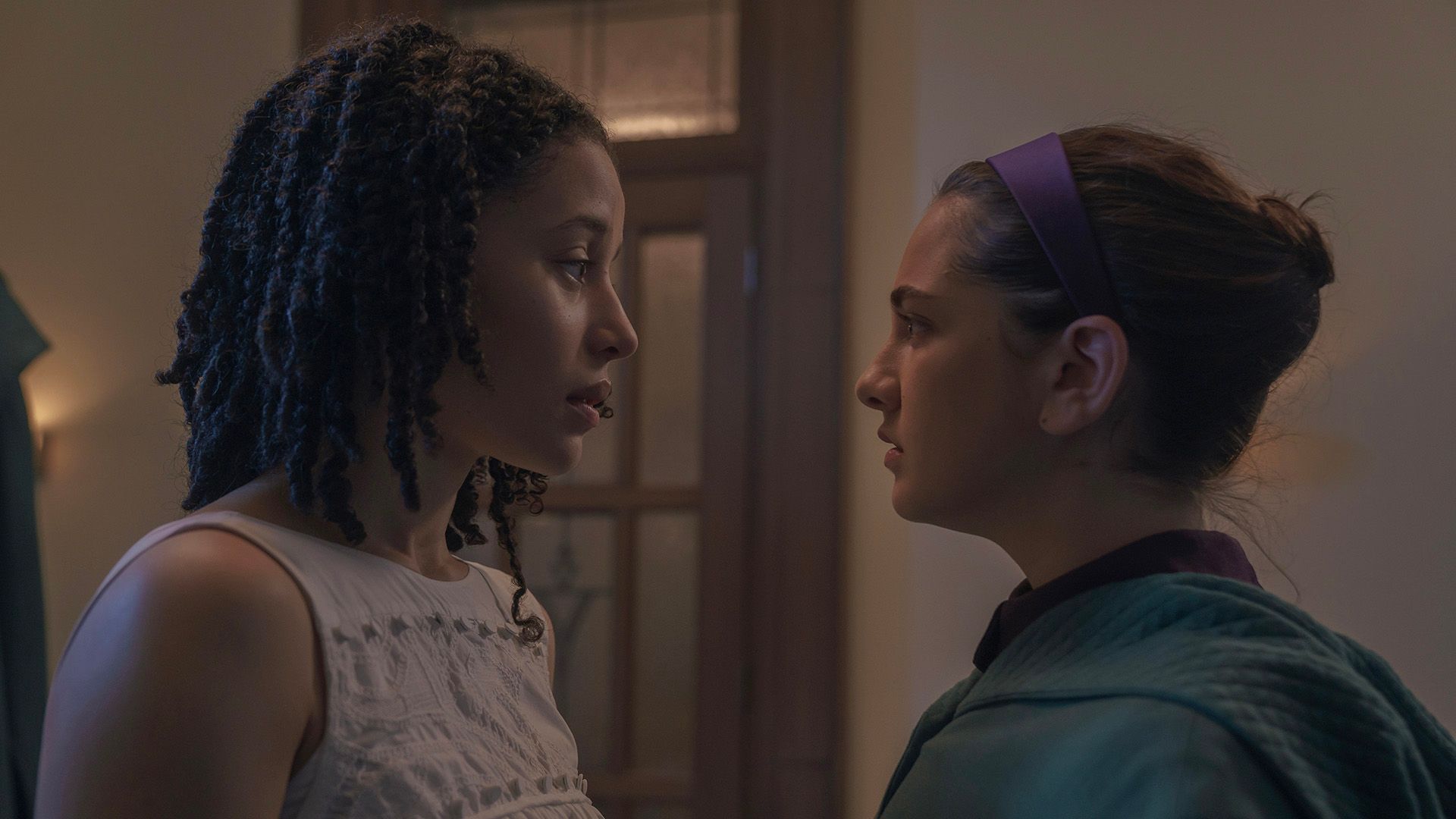
I found that this season wasn’t quite as immediately shocking as the first season of The Handmaid’s Tale. There are still moments that really get to you and remind you of the awful things happening, but a lot of the focus is on building the world and characters, and setting things up for what’s coming next season. I definitely cringed a few times, but it felt more subtle and nuanced than the first season’s direct, unsettling impact.
“The Testaments” is a powerful and relevant series that’s well worth watching. While it doesn’t have quite the same sharp edge as “The Handmaid’s Tale,” that seems intentional – it effectively shows how oppression can become hidden within everyday life. The show presents two contrasting perspectives: those who are simply trying to survive and have become numb to the horrors around them, and those who don’t even realize the injustice of their situation. Then there are the characters who wholeheartedly embrace Gilead’s beliefs, convinced they are doing what’s right, even though their actions are often hypocritical – and they are particularly infuriating to watch.
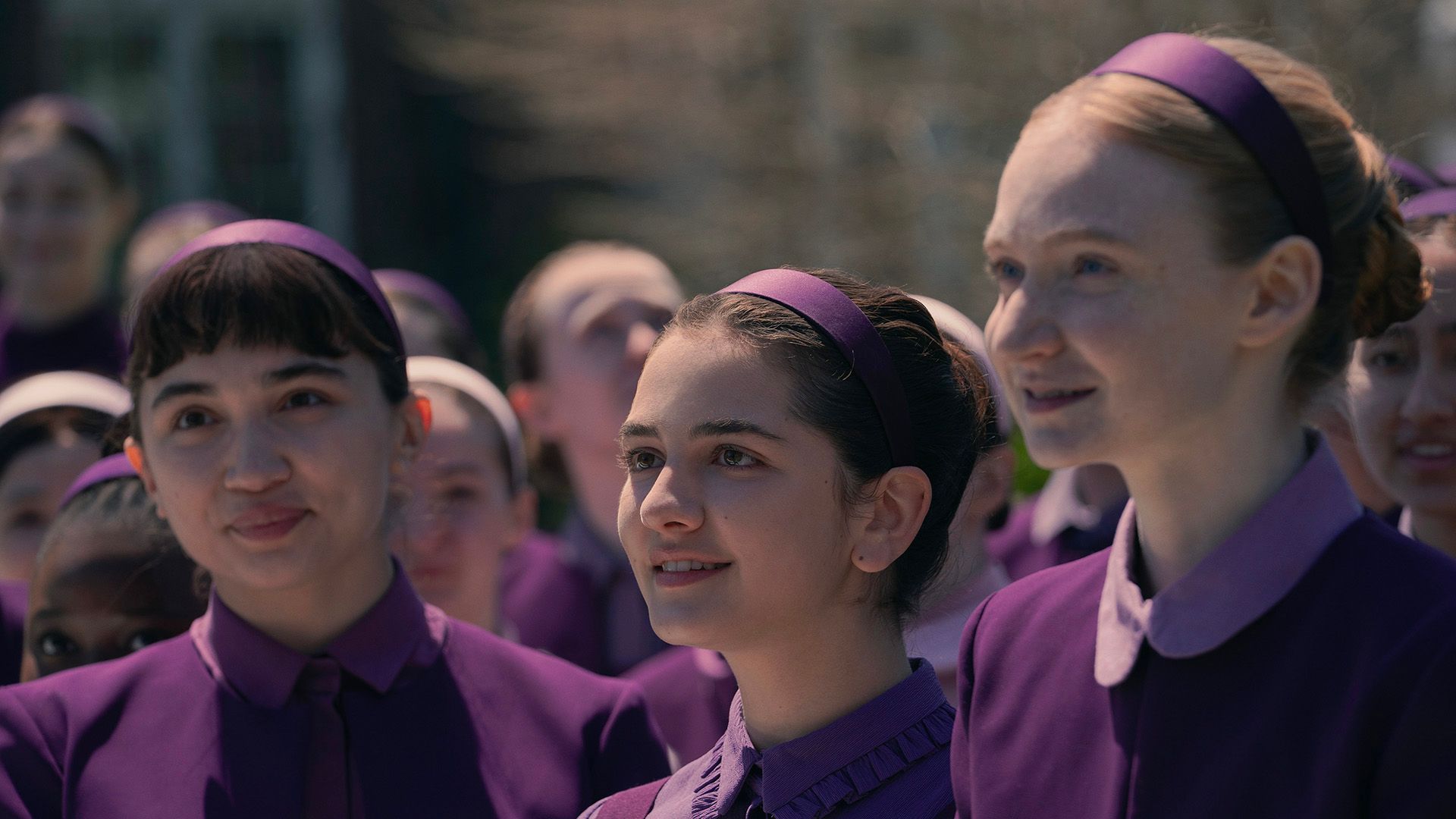
Viewers who enjoy The Handmaid’s Tale might feel the show dedicates too much time to re-establishing a world we’ve already seen. While The Testaments continues the story, the way the first season is structured means you could easily start watching it without any prior knowledge of The Handmaid’s Tale.
If the show continues for several seasons, it could have an even greater cultural and political effect than The Handmaid’s Tale, particularly in how it portrays young women realizing the injustice around them and then taking action, rather than already being aware of it. The Testaments isn’t fully reaching that potential yet, but it’s heading in that direction, and it will be a significant moment when it does.
Read More
- Netflix’s Little House On The Prairie Reboot: Release Date, Cast & Everything We Know
- Off Campus Season 1 Soundtrack Guide
- Silver Rate Forecast
- Prime Video’s New R-Rated Spy Thriller Is Officially No.1 On Streaming Despite Poor Reviews
- Gold Rate Forecast
- Brent Oil Forecast
- EUR ZAR PREDICTION
- EUR USD PREDICTION
- 币安人生 PREDICTION. 币安人生 cryptocurrency
- Amazon Primes new GenAI cartoon looks like K-Pop Demon Hunters with aliens
2026-04-02 19:29