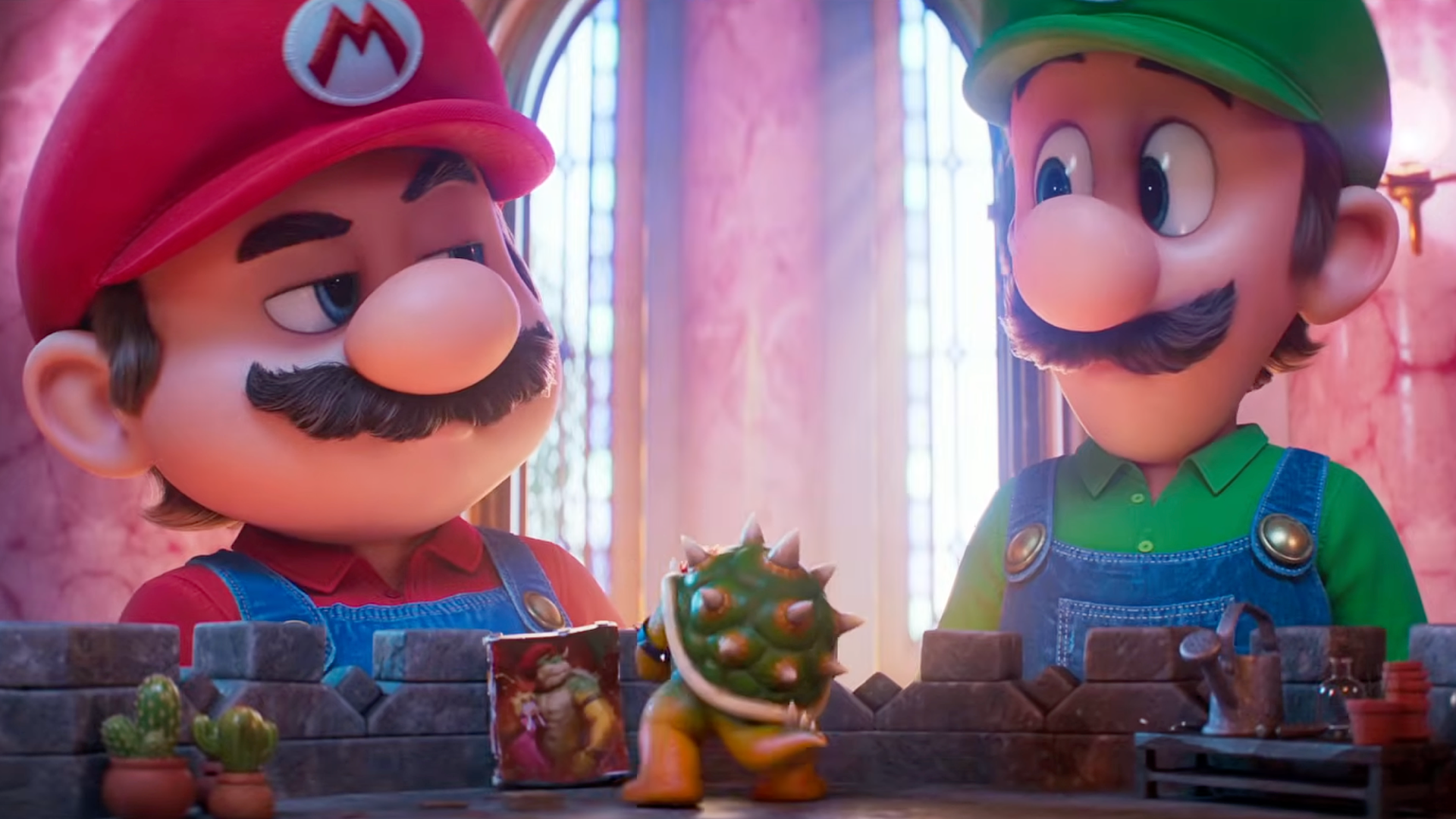
Although The Super Mario Galaxy Movie is expected to be a commercial success, its poor reviews could hinder Nintendo’s plans for a larger film series, especially at its start. The film received a 44% rating on Rotten Tomatoes, which is lower than the 59% score of The Super Mario Bros. Movie. It appears Universal Pictures, Illumination, and Nintendo haven’t addressed the issues critics had with the first movie, and may have even emphasized those same elements.
As a movie critic, I’ve just seen The Super Mario Galaxy Movie, and while it continues the story from the hugely successful The Super Mario Bros. Movie, it feels like something more is brewing. This isn’t just a sequel; it’s clearly laying the groundwork for a much bigger Nintendo Cinematic Universe. We already got a taste with Seth Rogen’s Donkey Kong, who’s getting his own film, and now Galaxy throws in even more characters like Fox McCloud (voiced brilliantly by Glen Powell), Donald Glover as Yoshi, and Brie Larson as Rosalina. There are even quick appearances from Pikmin and R.O.B.! While a full-blown Super Smash Bros. Movie still seems like a distant dream, the generally negative reception to The Super Mario Galaxy is a bit worrying. It suggests that future Nintendo films might not be able to rely on name recognition alone to succeed.
Nintendo Repeats a Classic Shared Universe Misstep
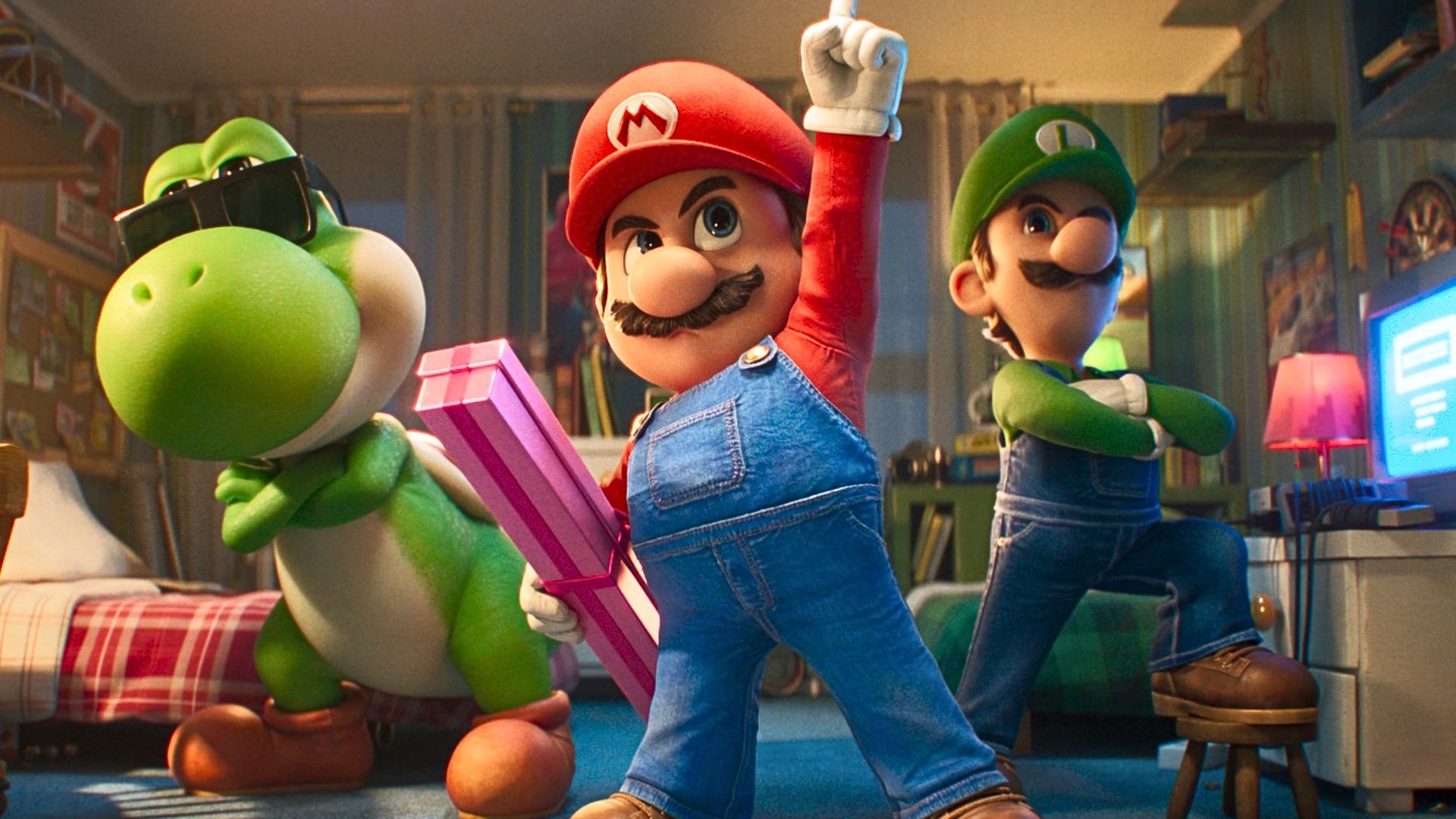
Following the fairly simple adventure of The Super Mario Bros. Movie, the sequel was expected to explore the characters in more depth and tell a more intricate story – as much as a kids’ movie can. However, it seems the filmmakers prioritized setting up future installments with hints of new characters and plotlines. Reviewers and early viewers agree that while The Super Mario Galaxy Movie is visually stunning, the story itself feels rushed and underdeveloped. The movie quickly jumps between action sequences packed with references to classic Mario games and the broader Nintendo universe. It appears Illumination and Nintendo were more focused on what could come next than on crafting a strong narrative for this particular film.
It’s common for second movies in a shared universe to focus heavily on setting up future stories with hints and teasers. Iron Man 2 quickly introduced characters like S.H.I.E.L.D. and Black Widow to pave the way for The Avengers. The Amazing Spider-Man 2 felt less like a direct sequel and more like an attempt to launch a larger universe with characters like Venom and the Sinister Six, though those plans never materialized. But Batman v Superman: Dawn of Justice is the most noticeable example – the main story pauses right before the big fight so Wonder Woman can show off clips introducing Aquaman, The Flash, and Cyborg, hinting at their individual movies and their future team-up in Justice League.
These movies all received a lot of criticism. Despite being the highest-rated of the group with a 72% score on Rotten Tomatoes, Iron Man 2 is often considered one of the weakest Marvel Cinematic Universe films. By the time Iron Man 2 was released, other films like Thor, Captain America: The First Avenger, and The Avengers were already in production or being developed, giving Marvel the ability to learn and adapt. Because of the feedback on Iron Man 2, Marvel focused on making each individual film strong, while subtly hinting at future storylines without overshadowing the current movie’s plot – a strategy they continued through roughly Phase 5.
The other two superhero franchises didn’t fare as well. The Amazing Spider-Man 2 underperformed at the box office, leading Sony to abandon its plans for sequels and team up with Marvel Studios to include Spider-Man in the MCU. The DC Extended Universe struggled after Batman v. Superman: Dawn of Justice, and Warner Bros.’ attempts to fix things with revised versions of Suicide Squad and Justice League were unsuccessful with both critics and viewers. While films like Wonder Woman, Aquaman, and Shazam! had some success, they couldn’t save the franchise, which was eventually rebooted under James Gunn’s new DCU. Now, the question is whether Nintendo can avoid the same fate as other planned shared universes, like Universal’s Dark Universe, which was derailed after its first film, The Mummy, was poorly received.
The Lesson That Nintendo Needs to Learn
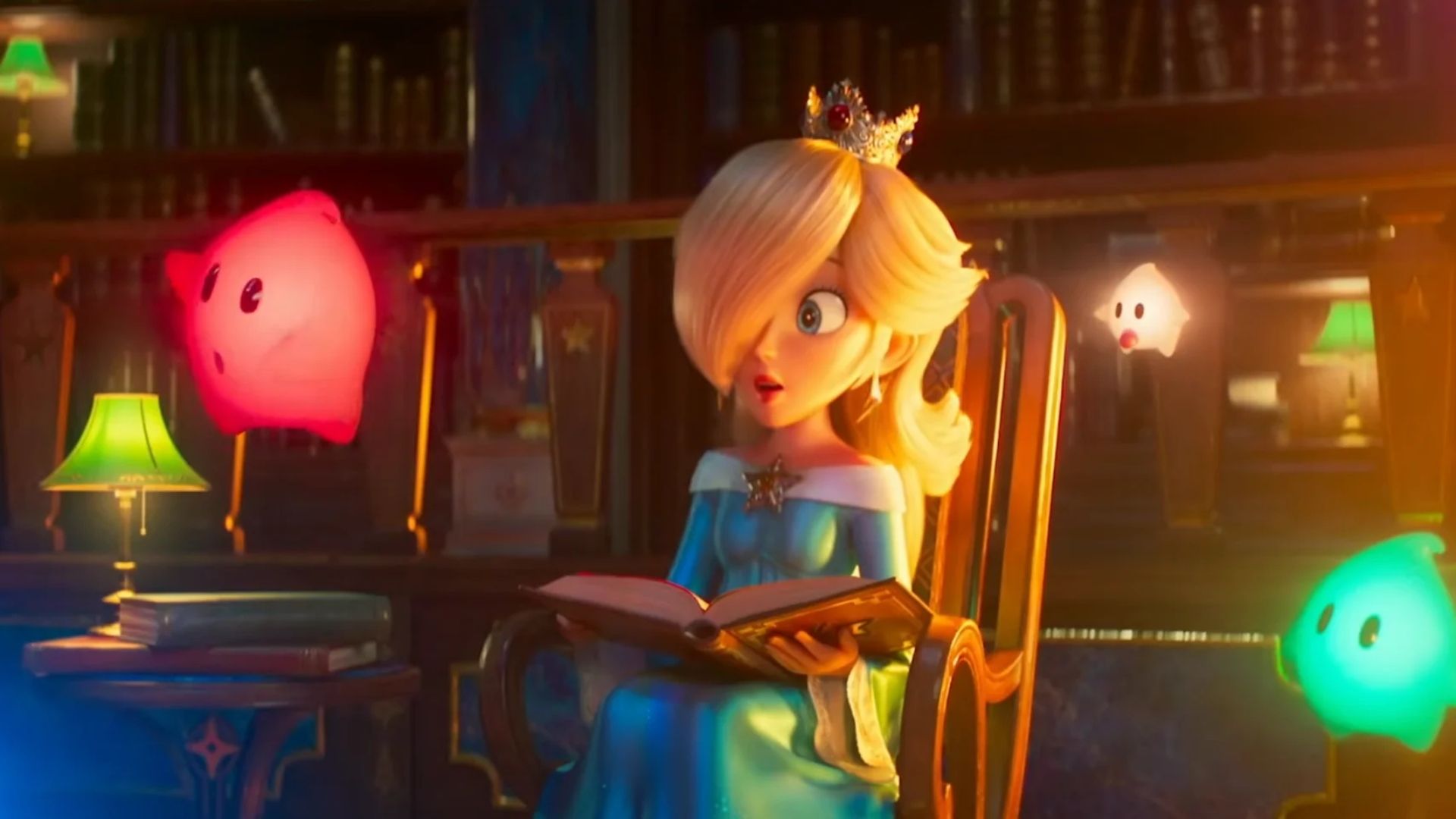
As a movie reviewer, I’m keeping a close eye on the future of the Nintendo and Universal partnership, and honestly, it all comes down to box office numbers. Kids’ animated films are notoriously hard to fail, and The Super Mario Bros. Movie proved that with a massive $1.3 billion worldwide. While a sequel likely won’t reach quite that level – I’m hearing some negative buzz from fans who were just curious the first time around – it’s still expected to do very well. However, if The Super Mario Galaxy Movie flops like films such as The Amazing Spider-Man 2 or Batman v. Superman, that’s when real alarm bells will start ringing. A truly disappointing sequel could damage the entire Nintendo brand, and nobody wants to see that.
Currently, movies based on The Super Mario Bros., and other Nintendo properties, don’t seem to be striving for significant improvement in quality. The Super Mario Galaxy Movie demonstrates that relying on hidden references and nostalgic nods can only take the franchise so far, and this will likely impact future films, including potential spin-offs featuring characters like Star Fox and Donkey Kong. Pixar achieved success in the 2000s by crafting stories that, while family-friendly, were also well-written and emotionally resonant enough to appeal to older audiences – making their films enjoyable even without children present, and suitable for dates or gatherings with friends.
I’ve been following the new Mario movie, and while Universal and Nintendo seem content focusing on a younger audience, I worry it’s a mistake. The Minions movies prove you can still make a lot of money with kids, but relying only on them and dedicated fans feels limiting. What made Marvel and Pixar so huge was their ability to draw in everyone – I’m afraid this approach might mean the Mario films won’t reach that same broad appeal.
A major question mark hangs over the upcoming The Legend of Zelda movie. While it’s being made by a completely different team than The Super Mario Bros. Movie, there are reasons to be optimistic. Director Wes Ball, known for his work on Kingdom of the Planet of the Apes, seems like a good fit for bringing the world of Zelda to life on the big screen. However, producer Avi Arad’s involvement is a bit worrying, considering his recent films like Morbius and Borderlands.
It’s too soon to say if Nintendo is abandoning its plans for cinematic projects – they’re really just beginning. It would be like prematurely declaring the Marvel Cinematic Universe finished after Iron Man 2 back in 2010. However, history shows many shared movie universes have failed early on. The Transformers films, despite initial success for almost ten years, eventually suffered due to declining quality. Even well-received entries like Bumblebee and Transformers One haven’t fully escaped the shadow of the earlier Michael Bay films.
If Nintendo wants its characters to become as popular and enduring as those in the Marvel Cinematic Universe, they may need to adjust their strategy soon, before it’s too late.
Read More
- Netflix’s Little House On The Prairie Reboot: Release Date, Cast & Everything We Know
- Off Campus Season 1 Soundtrack Guide
- Silver Rate Forecast
- Prime Video’s New R-Rated Spy Thriller Is Officially No.1 On Streaming Despite Poor Reviews
- Gold Rate Forecast
- Brent Oil Forecast
- EUR ZAR PREDICTION
- Amazon Primes new GenAI cartoon looks like K-Pop Demon Hunters with aliens
- Inkford Hermitage Chest Locations In HSR (Honkai: Star Rail)
- KPop Demon Hunters Meets Avatar: The Last Airbender In Netflix’s 3-Part Fantasy Series
2026-04-02 19:26