Shonen stories used to guarantee constant excitement, with heroes always overcoming challenges and friendships never faltering. But recently, some series have broken that mold by permanently killing off characters. These deaths shattered the expectation of easy resurrections, leaving both the characters within the story and the audience feeling genuine loss and emptiness.
Though incredibly sad, the deaths of characters like Jiraiya, Himeno, and Ace taught viewers that true strength isn’t just about becoming powerful enough to get revenge. It’s about learning to live with loss when someone irreplaceable is gone. These stories allowed heroes to truly feel the pain of losing someone, and showed audiences that the bonds between characters were meaningful because they weren’t guaranteed to last.
Ace’s Sacrifice In One Piece Forced Luffy To Grow Beyond His Childhood Vulnerability
Episode 483 of One Piece delivered a devastating blow when Ace was killed by Akainu during the battle at Marineford. He sacrificed himself to protect Luffy, the brother he always admired. Up until that moment, Luffy was known for his cheerful spirit, but Ace’s final words – “Thank you for loving me” – made both Luffy and the audience realize just how much he valued his family.
Honestly, that scene where Luffy breaks down holding Ace… it absolutely wrecked me, and it wasn’t just him! Sabo and the whole Straw Hat crew were forever changed by that loss. But as devastating as it was, I think Ace’s death was necessary for Luffy’s development. He wouldn’t have grown and matured the way he did if he hadn’t faced that kind of pain. It really forced a turning point in the story, leading to that intense two-year time skip where everyone channeled their grief into serious training and forged even stronger bonds. It created a permanent void that One Piece needed to move forward.
Jiraiya’s Demise In Naruto Shippuden Transformed The Protagonist Into A Worthy Successor
When Naruto first met Jiraiya, he seemed like the typical goofy, perverted mentor often seen in anime, but he also brought a lot of fun and valuable life lessons to Naruto’s childhood. Later, in Naruto: Shippuden, Jiraiya’s battle against Pain showed a more serious side, shifting his role from a comedic teacher to a source of deep wisdom and responsibility for Naruto, helping him grow from a boisterous orphan into a more thoughtful and capable leader.
Watching Naruto after Jiraiya’s death was something else. Losing his mentor wasn’t just a tactical blow; it truly left him on his own. He had to fully absorb everything Jiraiya taught him about Sage Mode, not just learn the techniques, but understand the why behind them, and he did that through real, difficult isolation. The message Jiraiya left, etched on Fukasaku’s back, felt like a turning point – Naruto was changing from a kid who acted on impulse to someone seriously dedicated to finding peace, making Jiraiya’s lessons his own. It was strange, though, to see one of Jiraiya’s students involved in his death, while another quietly stepped up to carry on his legacy, with support from people like Iruka and Shikamaru. It really reshaped Naruto’s journey.
Maes Hughes’ Murder In Fullmetal Alchemist Grounded The Military Conspiracy In Domestic Tragedy
Watching Episode 10 of Fullmetal Alchemist: Brotherhood was a real turning point for me. Seeing Envy kill Maes Hughes felt brutal, and it immediately shifted the story from a political intrigue into something much more personal – a quest for revenge driven by Roy Mustang’s grief and anger. It was a rare moment where we really saw Roy’s emotions break through, and it felt like a huge loss for the Elric brothers too. They’d lost one of the few adults who truly cared about them as people, not just as tools. It honestly felt like Arakawa used this tragedy to shatter Roy’s calm exterior and to finally take away what little innocence the Elric brothers had left.
Hughes was a grounding, genuinely warm presence in the often-cold Amestrian military, constantly sharing stories about his family. His death served a crucial purpose in the story, creating a deeply personal tragedy that motivated Mustang’s pursuit of revenge and forced the Elric brothers to face the brutal consequences of their alchemy. This loss made the military conflict feel immediate and threatening, moving it beyond a simple battle of ideals between State Alchemists.
Kyojuro Rengoku’s Death In Demon Slayer Redefined The Responsibility Of The Hashira
Kyojuro Rengoku’s fight with Akaza in the Mugen Train arc of Demon Slayer clearly showed how much stronger the Upper Rank Demons were compared to even the Hashira. Although Rengoku lost, his determination to protect others proved that the Hashira, while powerful, were still vulnerable. While his sacrifice saved everyone on the train, it also meant Tanjiro Kamado had to come to terms with inheriting a powerful legacy.
Rengoku’s death served a crucial purpose in the story: to demonstrate that even the most dedicated heroes eventually fall. However, his sacrifice wasn’t just tragic; it powerfully linked his personal determination to the need for future generations to carry on the fight against demons. This loss deeply affected Tanjiro, Zenitsu, Inosuke, and the remaining Pillars, transforming their admiration for Rengoku into a weighty responsibility. Although Tanjiro hadn’t known Rengoku long, his death shifted Tanjiro’s focus from simply finding a cure for Nezuko to a broader commitment: protecting the future of the Demon Slayer Corps.
Himeno’s Erasure In Chainsaw Man Stripped Away Shonen Illusions Of Meaningful Sacrifice
In Episode 8 of Chainsaw Man, Himeno’s selfless sacrifice to the Ghost Devil brilliantly flipped traditional heroic storytelling. She gave her life trying to help Power, Denji, and especially Aki – whom she cared for deeply – increase their chances of survival. While heroes’ sacrifices usually have a major impact in similar stories, Himeno’s ultimately didn’t change the outcome, as the group still lost. This subversion of expectations is a hallmark of creator Tatsuki Fujimoto’s style.
The show didn’t shy away from a harsh and meaningless death, contrasting with typical action stories where characters fight bravely until the end. However, this bleakness was essential for Chainsaw Man to dismantle the idea that main characters are always protected. Himeno’s ultimate sacrifice – giving everything to the Ghost Devil to try and save her teammate – ultimately didn’t change the outcome, highlighting the series’ core message about how easily broken and temporary human relationships can be. Aki was left to grapple with the weight of a sacrifice that proved futile.
Kento Nanami’s Exit In Jujutsu Kaisen Took Away the Last of Yuji’s Youth
Honestly, when Mahito killed Nanami in Jujutsu Kaisen Season 2, it hit me hard. Nanami was the only adult who really looked out for Yuji, just because he was still a kid, and losing him felt like such a gut punch. His last words to Yuji were beautiful and encouraging, but they also meant Yuji, still so young, had to carry even more weight during the chaos of the Shibuya Incident. But looking back, I think it was a necessary, albeit brutal, move. Jujutsu Kaisen needed to shatter that feeling of safety, to really force Yuji to grow up fast and show us the true cost of being a sorcerer. It was painful to watch, but it made the story so much more impactful.
As a Jujutsu Kaisen fan, Nanami’s death really got to me. It’s tough knowing so many sorcerers face a grim end, and his was especially poignant. The creator, Gege Akutami, had him find a fleeting moment of peace imagining a beautiful beach in Malaysia, which just made the harshness of his final moments – and the whole jujutsu world, really – hit even harder. It was a powerful way to show the contrast between a simple dream and the brutal reality these characters live in.
Kamina’s Fall In Gurren Lagann Fueled Simon’s Evolution
Kamina’s death in Gurren Lagann episode 8 was a devastating blow to the Dai-Gurren Brigade, and it dramatically changed Simon. Once a shy and hesitant boy, he was forced to become a leader after losing the person who had always believed in him. Even as he died, Kamina urged Simon to have faith in himself, pushing him to step out of his brother’s shadow and find his own purpose for fighting.
This difficult loss was crucial for Simon’s development, pushing him into despair and ultimately allowing him to grow stronger. With Kamina gone, the story shifted from being driven by his inspiring personality to being fueled by Simon’s own determination.
Erwin Smith’s Charge In Attack On Titan Proved The High Cost Of Human Progress
In Attack On Titan Season 3, Episode 17, Commander Erwin Smith’s desperate charge against the Beast Titan dramatically changed how viewers saw the Survey Corps’ leaders – highlighting the heavy cost of their command. Erwin sacrificed his lifelong quest for the truth about the Titans, hoping to secure a narrow chance at winning the battle. This underscored the series’ focus on difficult, practical decisions made in the face of overwhelming odds. His death deeply affected Levi, Armin, and the entire Survey Corps, ultimately forcing Levi to choose between his loyalty to a friend and the survival of everyone on Paradis Island.
Watching the series, it struck me how Attack On Titan realistically portrays military leadership – it’s often about making terrible choices where you trade soldiers’ lives for small gains. I noticed this particularly with Armin Arlert, whose future as a leader is clearly burdened by the weight of Erwin’s decisions and sacrifices. Erwin knowingly gave his life, and that act inspired others, like Floch, to carry on his goals, but also to understand the heavy price attached to them. It really shows how institutions survive – not by avoiding loss, but by accepting it as a necessary part of progress, and how personal desires get wrapped up in the needs of the larger group.
Itachi Uchiha’s Death In Naruto Shippuden Revealed The Complexity Of The Clan Massacre
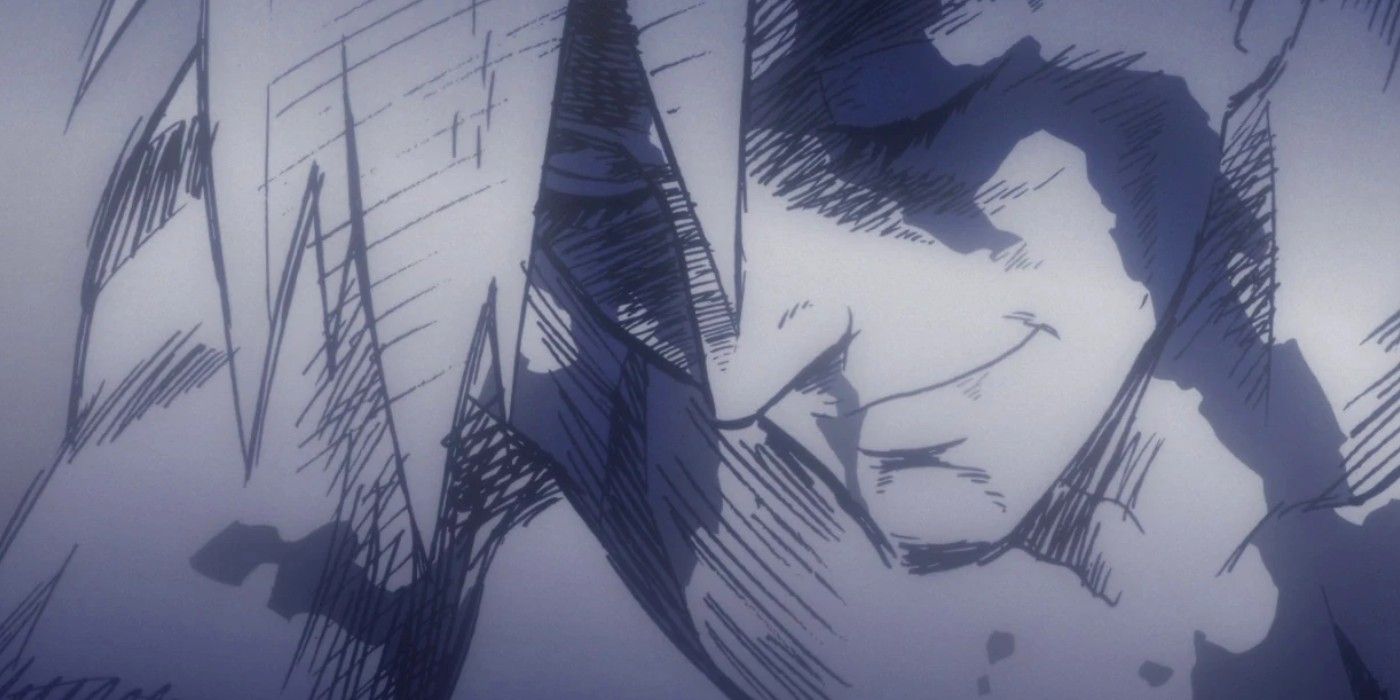
Itachi Uchiha’s last smile to Sasuke in Naruto Shippuden episode 138 completely changed how viewers understood the Uchiha clan massacre. When Obito revealed the truth about what happened to the Uchiha, the creator, Masashi Kishimoto, used this information to make the story’s moral lines less clear, transforming what seemed like a villain’s actions into a heartbreaking sacrifice.
Watching Itachi die really changed how I saw the whole ninja world. It exposed a lot of the hidden darkness and showed me that peace wasn’t always what it seemed – sometimes it was built on the sacrifices of individuals. Honestly, his death was what finally allowed the truth to come out, forcing Sasuke to grapple with immense pain and, eventually, to find a path towards forgiveness and a sort of redemption born from sorrow.
Whitebeard’s Last Stand In One Piece Shifted The Global Power Balance
The death of Edward Newgate, also known as Whitebeard, during the battle at Marineford in One Piece Episode 485 marked the true end of the Great Pirate Era. His last words, revealing the One Piece was real, inspired a wave of rebellion and shattered the Marines’ image of unchallenged authority. However, his death created a power vacuum that Blackbeard quickly seized, pushing the Supernovas into a more turbulent and unpredictable world.
Watching the world of One Piece, it’s clear Whitebeard’s death was a turning point. It really kicked off the intense battles for power we see now. Before that, things were stable, but his passing signaled the end of an era – the old generation giving way to ambitious newcomers. It showed me that even the strongest have to fall eventually. Seeing his body remain, even in defeat, felt like a powerful message about the strength of the past and a warning of the dangerous changes coming to the New World.
Found an error? Send it so it can be corrected.
Title
—Clues
—
Read More
- Off Campus Season 1 Soundtrack Guide
- DoorDash responds after customer uses AI to make food look bad and get a refund
- Jon Bernthal Explains Why Marvel Let Him Make The Darkest Punisher Story Ever
- Gold Rate Forecast
- Ethereum Eyes Break Above $2,420 as Rally Hangs in the Balance
- All Golden Ball Locations in Yakuza Kiwami 3 & Dark Ties
- The Masterpiece World War II Movie ‘Saving Private Ryan’ is Streaming on Paramount+ in April 2026
- 10 Most Universally Beloved Sci-Fi Movie Villains, Ranked
- Umamusume has been transformed into a D&D game with new race
- The Strongest Battlegrounds codes (May 2026)
2026-03-22 02:46