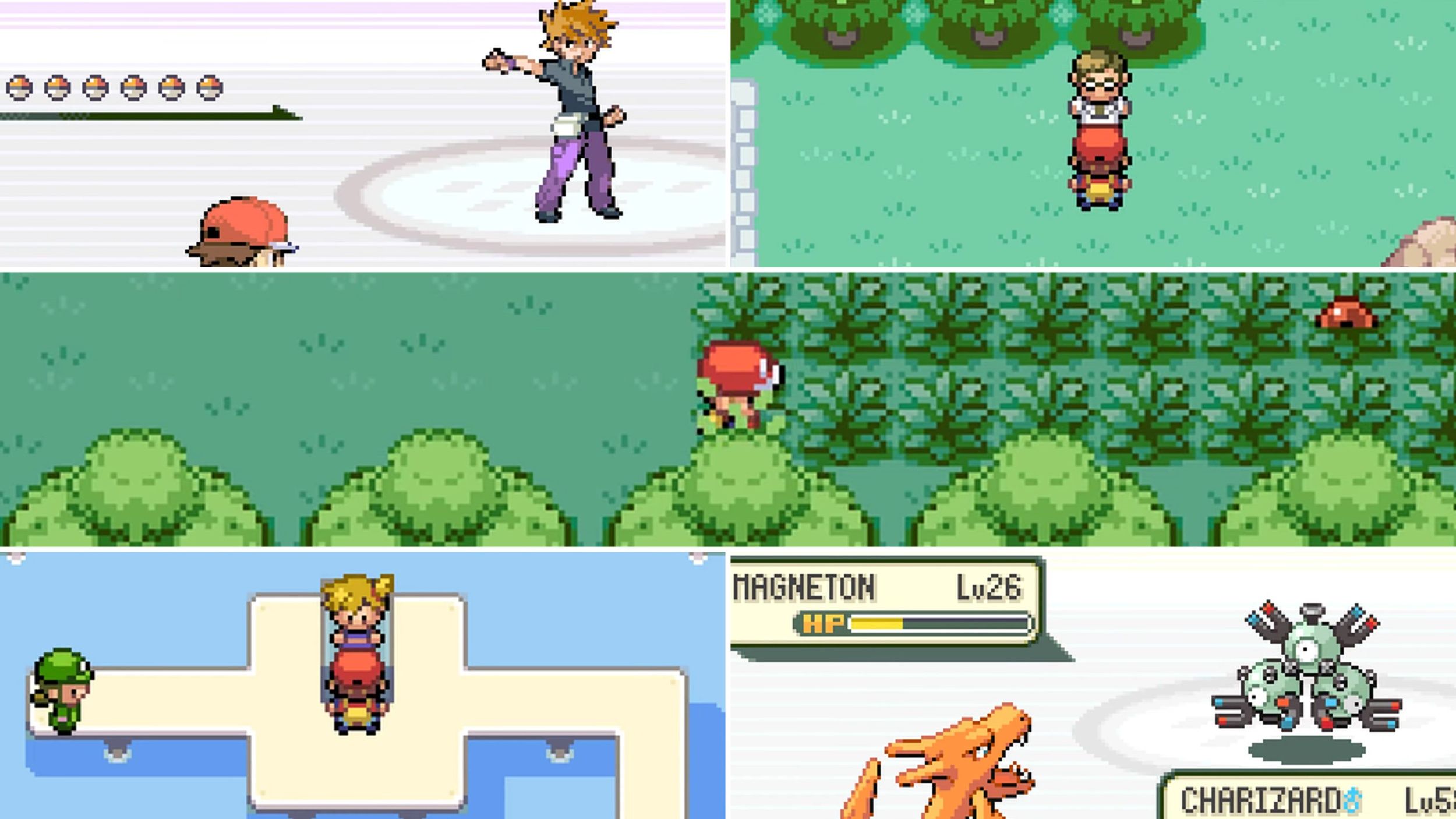
Pokémon FireRed and LeafGreen, first released for the Game Boy Advance in 2004, were the initial remakes of the core Pokémon games – specifically, updated versions of the very first Pokémon Red and Green (known as Red and Blue in the US). Because nearly ten years had passed since the original games, game design and technology had advanced significantly. While the originals were great, it made sense to include some updates and improvements.
FireRed and LeafGreen included many noticeable updates to match the newer Generation 3 games, like a fully expanded Pokédex, the addition of the Sevii Islands to discover new Pokémon, and a larger role for Team Rocket after the main story. Beyond these big changes, the remakes also featured numerous smaller improvements that polished the original gameplay, letting a new generation of players enjoy the classic Gen 1 experience without the frustrations of the older games.
10. Revamped Music
Put That Sound Chip to Use
The Game Boy Advance offered significantly improved sound quality compared to the original Game Boy. It could play more complex music with multiple instruments at once, unlike the original which often cut off music for sound effects. This allowed for richer and more engaging soundtracks in GBA games, including titles like FireRed and LeafGreen. However, the original games’ music was so beloved that, instead of creating entirely new scores, the remakes simply updated and enhanced them.
Okay, so the music in FireRed and LeafGreen is awesome because it’s all the classic tunes from the original Game Boy games – you’ve got that familiar feeling when you’re in Pallet Town, and the battle music still gets your adrenaline pumping. But here’s the cool part: they totally remastered everything using the Game Boy Advance’s sound capabilities. It’s the same melodies you remember, but with way more layers and instruments. Like, the Pokémon Center theme has these nice horns and chimes added in, and Viridian Forest actually feels spooky with drums and bongos! Even Lavender Town, which was already creepy on the Game Boy, somehow got creepier – it almost sounds like they added choir music! It’s seriously impressive how much they improved the sound.
9. Game Introduction
What am I Doing Here?
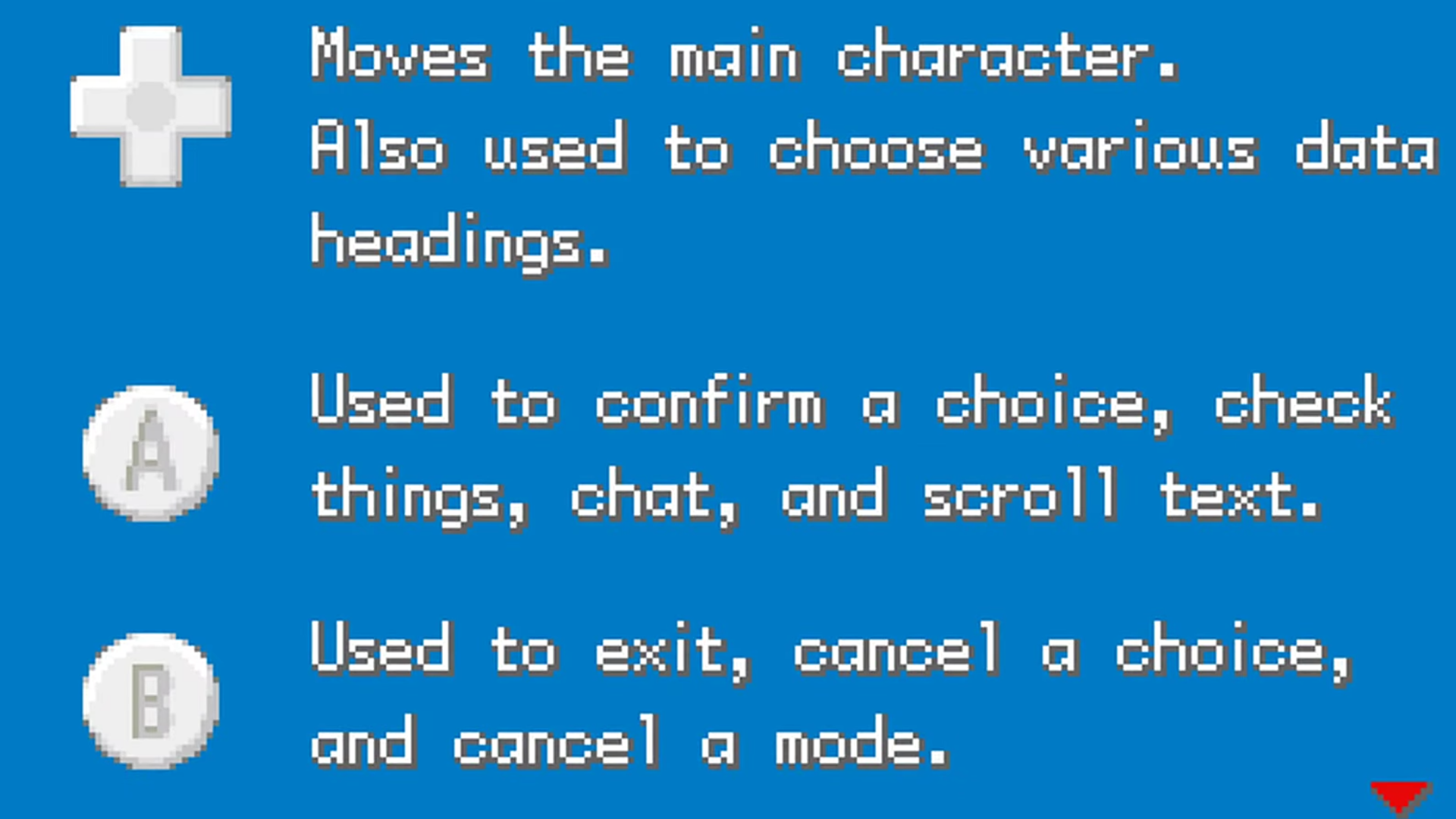
When the original Game Boy and Pokémon were first released, there was no guidance for players. Tutorials didn’t exist yet, and as far as I remember, I was the only kid who actually read the instruction manual. Simply learning what each button did was a challenge! That’s why, for future games, FireRed and LeafGreen started with a short tutorial to help players get started.
Pokémon FireRed and LeafGreen included a helpful introduction to guide new players through the game’s controls. It explained things like how to move, use menus, and perform other basic actions. While it might seem like a minor addition, Pokémon games are designed with children in mind, and sometimes kids need a little extra help. Of course, whether they actually use the tutorial is a different story – you can lead a horse to water, but you can’t make it drink!
8. Resume Feature
What Was I Doing, Again?
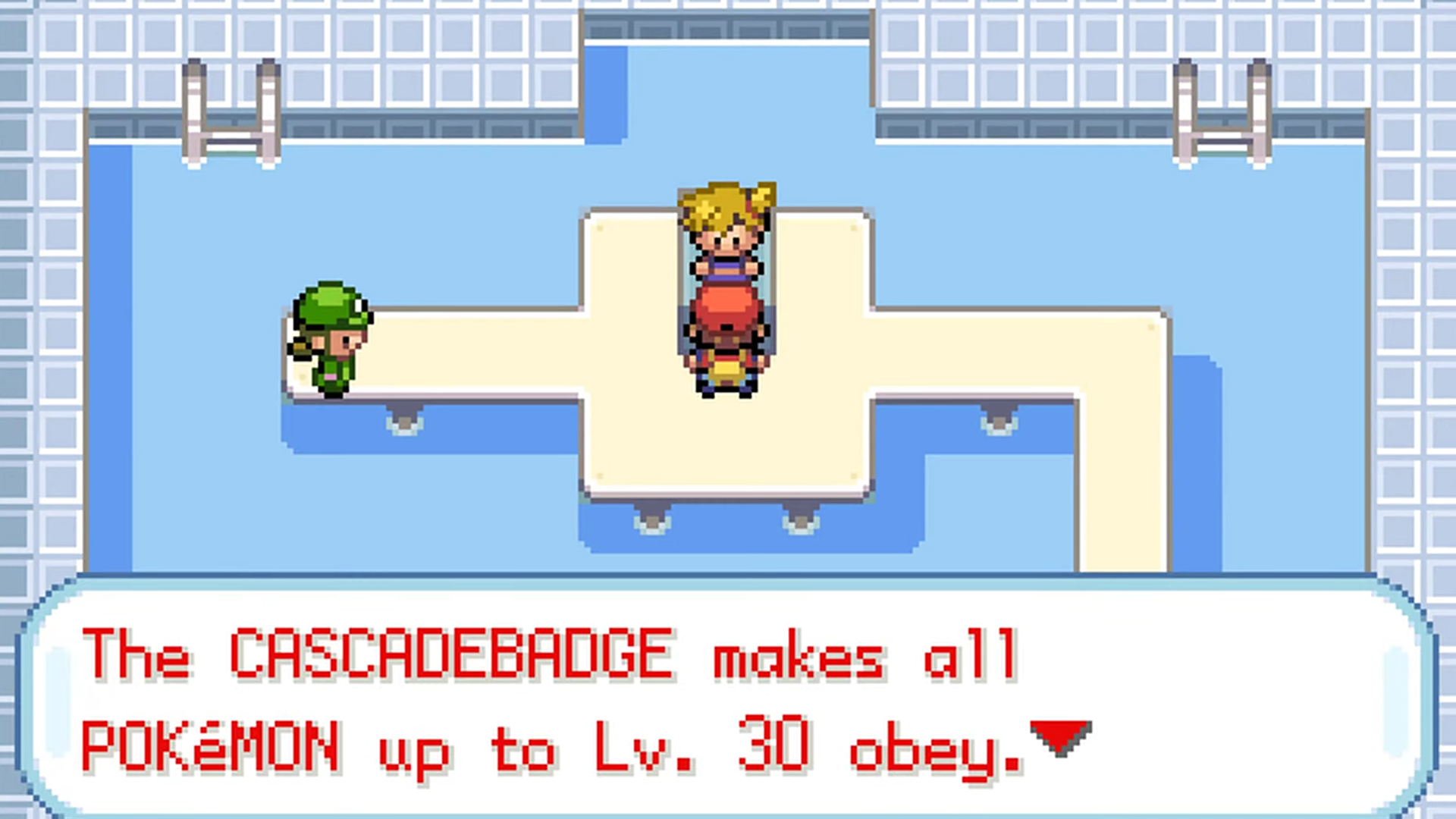
Older JRPGs like the original Pokémon games were challenging because you had to play them regularly. Without features like in-game maps or clear objectives, it was easy to get lost if you took a break for a while. Saving in a confusing location and returning a month later often meant starting from scratch. Fortunately, later versions like FireRed and LeafGreen fixed this by reminding you what you were supposed to do when you started the game.
When you start the game, it helps you remember what’s been happening by showing you the last four key events in the story – like defeating a gym leader or stopping Team Rocket. This helps you keep track of your progress and figure out what to do next. After you finish the main story, this feature changes to simply highlight the last four interesting things you’ve done, such as catching rare Pokémon, which is great for those who like to complete everything.
7. Item Sprites
See What’s In Stock
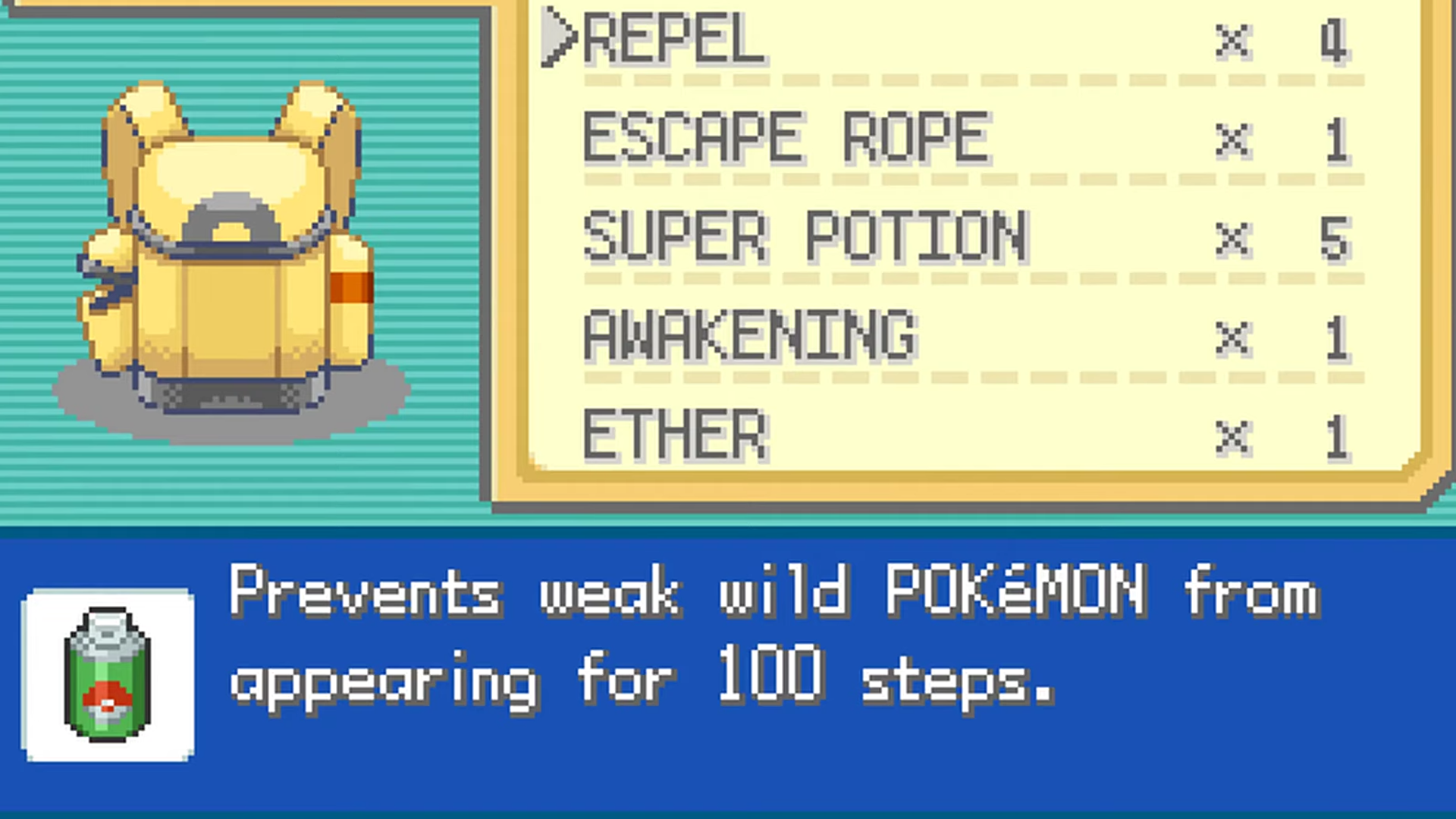
When Pokémon first came out with Red and Blue versions, your items were just listed as words – it wasn’t easy to find what you needed, especially for younger players who were still learning to read. This continued to be a frustrating part of the games for many years, with a small improvement in later versions when items were sorted into pockets. Finally, with FireRed and LeafGreen, the games added pictures to the items, making them much easier to identify.
The game featured distinct images, or sprites, for every item you collected, like Potions and Leftovers. These sprites appeared alongside the item’s name in your bag, letting you quickly identify what you needed at a glance. While this visual aid didn’t extend to items held by your Pokémon – you still had to check their stats for those – it was a helpful feature that future games would improve upon.
6. Pickup Modification
Where Did these Berries Come From?
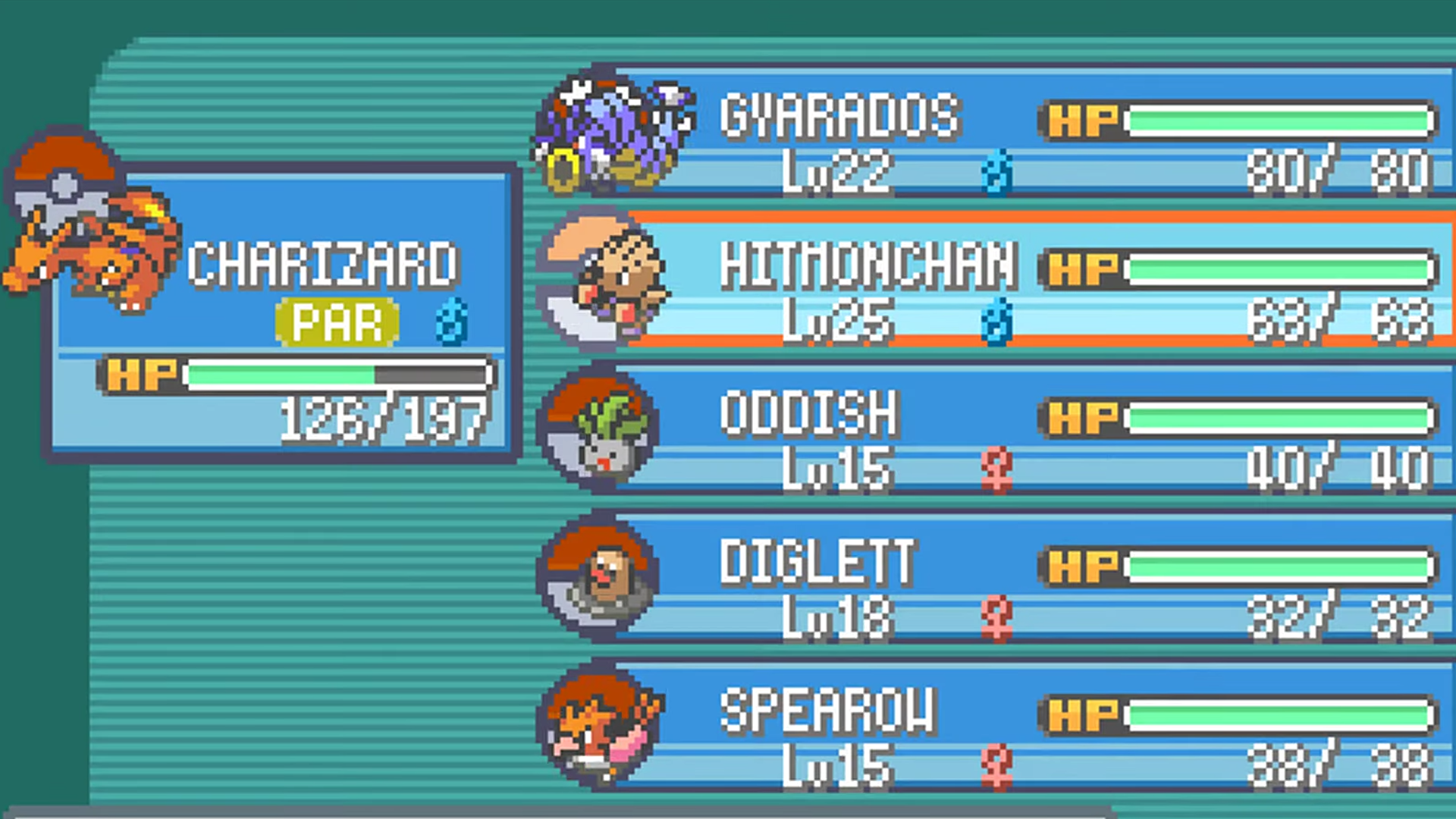
FireRed and LeafGreen were updated to match the gameplay of Ruby and Sapphire, which were also from Generation 3. They did this by adding several new features to the original Generation 1 game style. One of these additions is Pokémon abilities, and I want to focus specifically on the Pickup ability for now.
In the Pokémon games Ruby and Sapphire, if a Pokémon with the ability Pickup won a battle, it had a chance to find a useful item. This system was updated in FireRed and LeafGreen to address a problem in the Kanto region: a shortage of Berries. Since you couldn’t grow Berries in Kanto and they were hard to find otherwise, the developers made it more likely for Pickup to find Berries—more so than other items. This ensured that players with Pokémon possessing Pickup could reliably obtain Berries while exploring.
5. Fixed Move Typing
No More Normal Bites
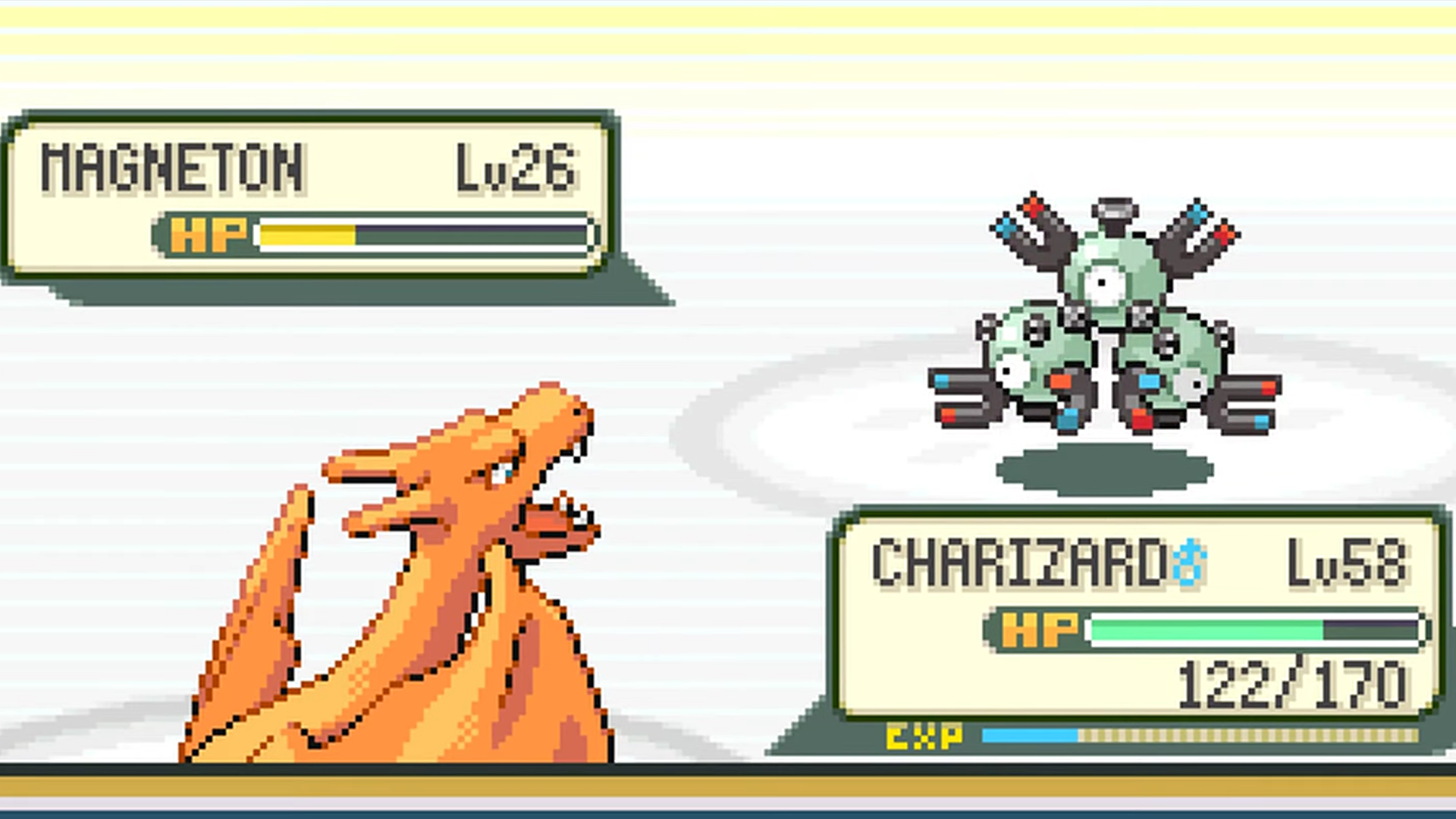
Okay, so if you’re a newer Pokémon fan, you might not realize this, but Steel and Dark types weren’t around in the very first games! They were added in Generation 2. It meant they went back and changed the types of some older Pokémon and moves to fit. A good example is Bite – I always thought it was a Dark-type move, but it actually used to be a Normal-type move! When they remade the original games as FireRed and LeafGreen, they included all those typing updates, which was awesome.
Some moves were reclassified when the Pokémon games moved from their first generation to the second, and these changes were carried over into the FireRed and LeafGreen versions. For example, Gust became a Flying-type move, Sand Attack became Ground-type, and Karate Chop became Fighting-type. This not only added some variety to the available moves, but also helped balance the gameplay. Psychic-type Pokémon used to be incredibly powerful, but giving more Pokémon access to the move Bite (which later became a Dark-type move) helped create a more even playing field.
4. Professor Oak’s Assistants
Handing Out Helpful Stuff
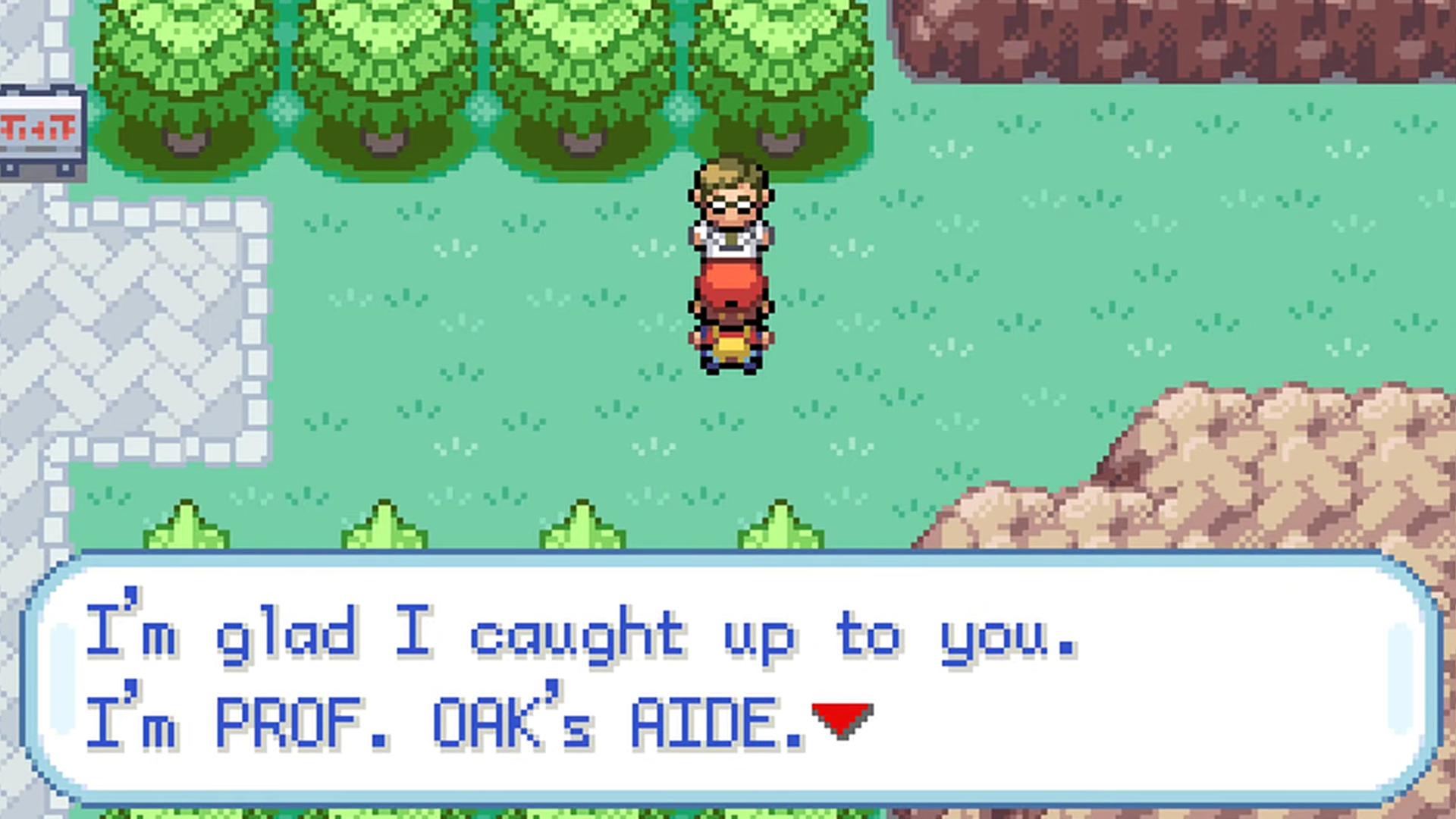
In the first Pokémon games, Red and Blue, you’d meet assistants at Professor Oak’s lab throughout your adventure. They’d check how many Pokémon you’d caught and give you a useful item if you had enough. These assistants return in FireRed and LeafGreen, and they also help give out new items that were added in later generations of the game.
Okay, so Professor Oak has even more helpers scattered around Kanto now, and they’re giving out goodies as you make progress and fill up your PokéDex. Like, after you beat Brock and get the Boulder Badge, there’s one right near the Route 3 exit who hooks you up with Running Shoes – seriously helpful! They’re also giving out things like Everstones, which stop your Pokémon from evolving if you want, and Amulet Coins to get more cash from battles. But the best part? They’re giving out the Exp. Share instead of that old Exp. All item. Honestly, the Exp. All was pretty awful, so this is a huge improvement!
3. Expanded Movelist
New Moves from Across the Pond
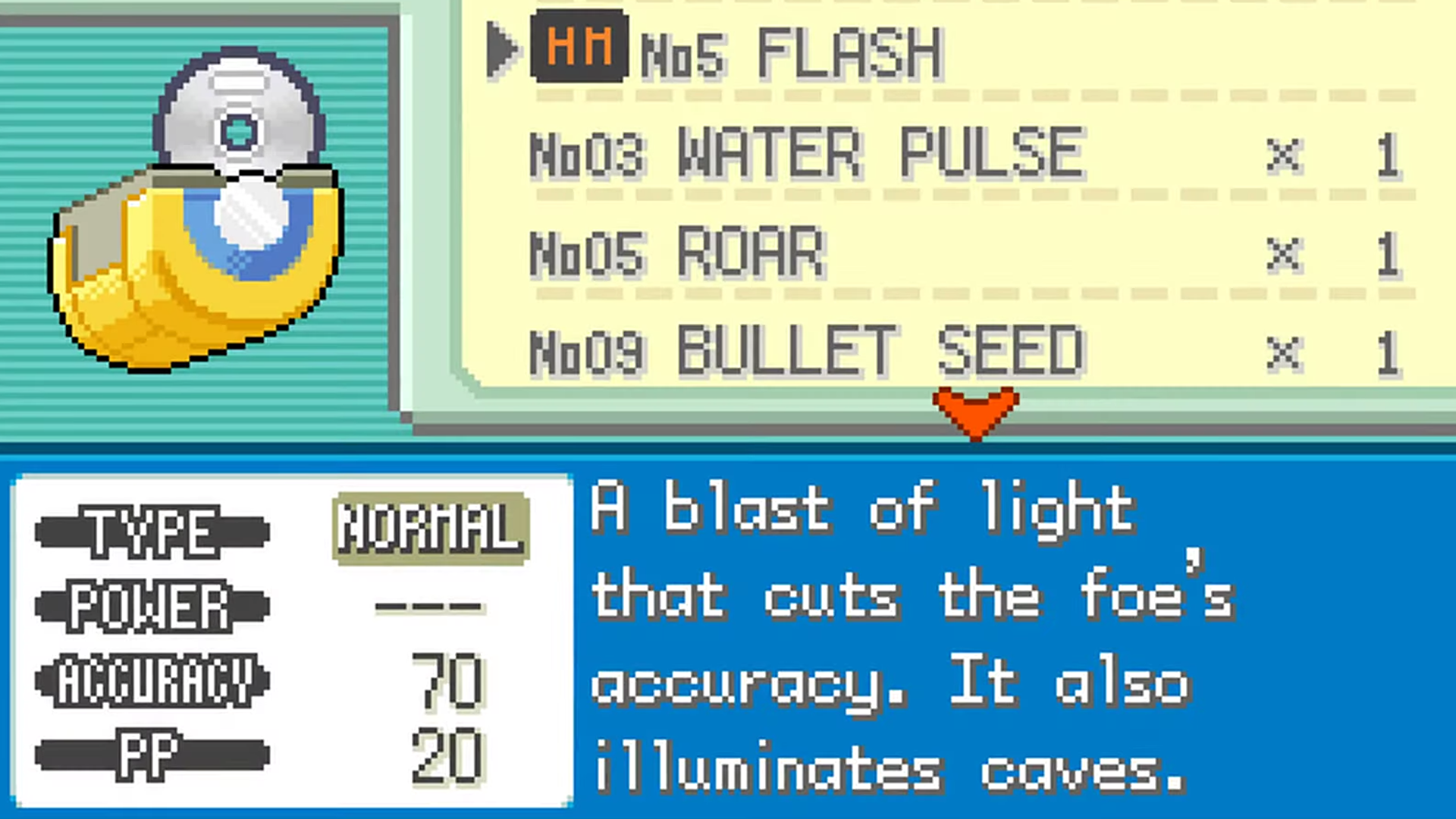
Each new generation of Pokémon games typically introduces several new moves, often designed to complement the latest gameplay features. Since the original Red and Blue games, two full generations of Pokémon titles have been released, and all those new moves were included when FireRed and LeafGreen came out.
Subscribe for deeper looks at classic game remakes
Beyond changing some Pokémon move types, we added all the new moves from the second and third generations of games to FireRed and LeafGreen, increasing the total number of moves to 354. This included some fantastic additions like Belly Drum, Iron Tail, Encore, and Aerial Ace, giving every Pokémon more ways to excel. We also updated the list of Technical Machines (TMs) to support these new moves, though a few older TMs were removed. Fortunately, move tutors were still available to teach those classic Gen 1 moves, so players didn’t lose access to them.
2. Rebattle the Elite Four
Make Them Your Punching Bags
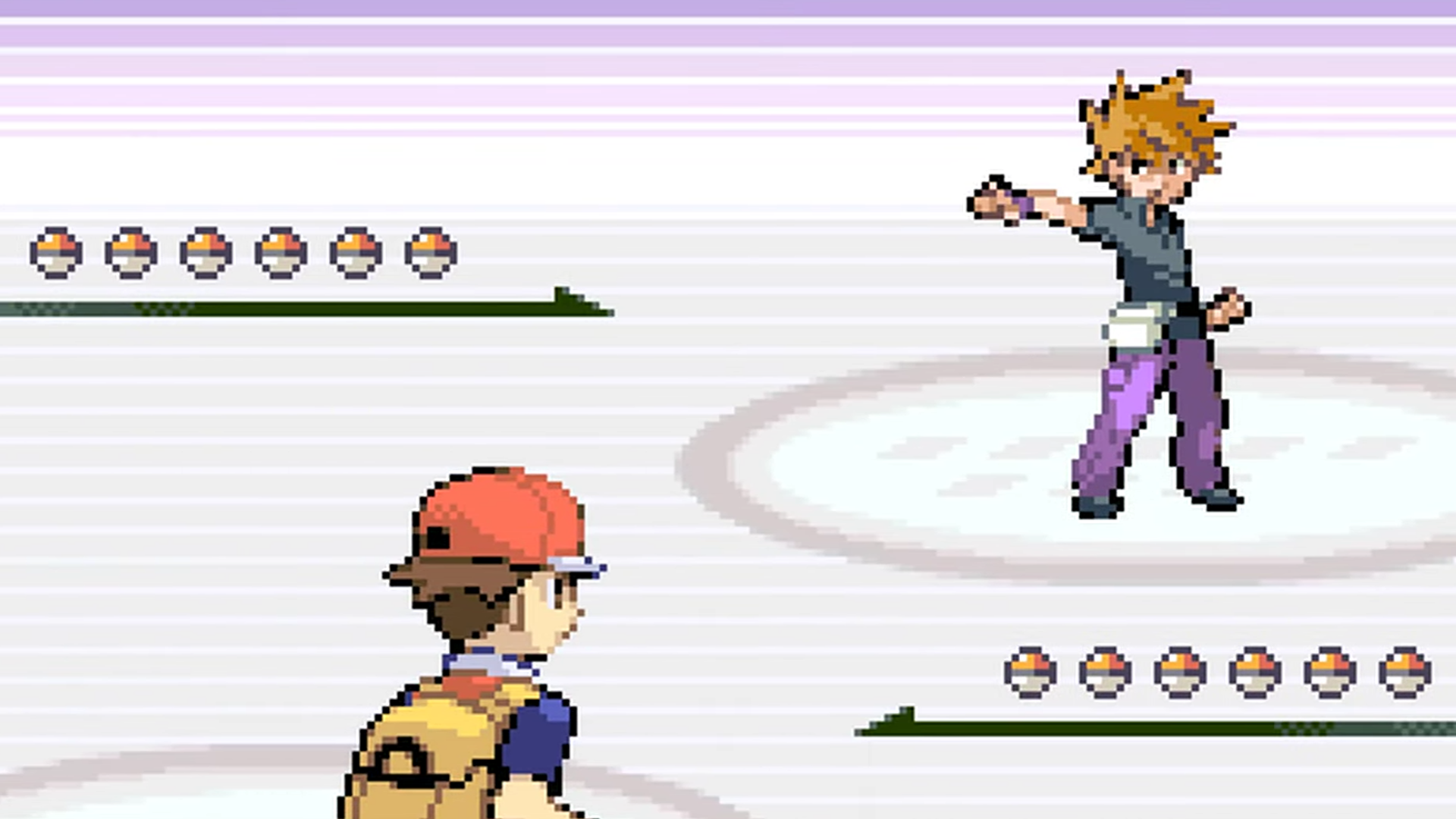
Beating the Elite Four is traditionally the ultimate goal in Pokémon games, showing you’ve become a true Pokémon Master. This was especially true in the original Red and Blue versions, but the challenge only really existed the first time around. Once you’ve defeated them – which provides a satisfying conclusion – there aren’t any other trainers left who can give you a real fight. You can battle the Elite Four again, but you’ll likely win just as easily.
FireRed and LeafGreen added an interesting twist. While your first victory against the Elite Four and Blue played out as expected, completing the Sevii Islands storyline allowed you to challenge them again. This rematch featured stronger Pokémon and some new team members from the second generation. It wasn’t a particularly difficult battle, but it was enjoyable to see these familiar, top-level Trainers show off some new strategies.
1. Expanded Pokémon Details and Features
Natures, Abilities, Genders, and More
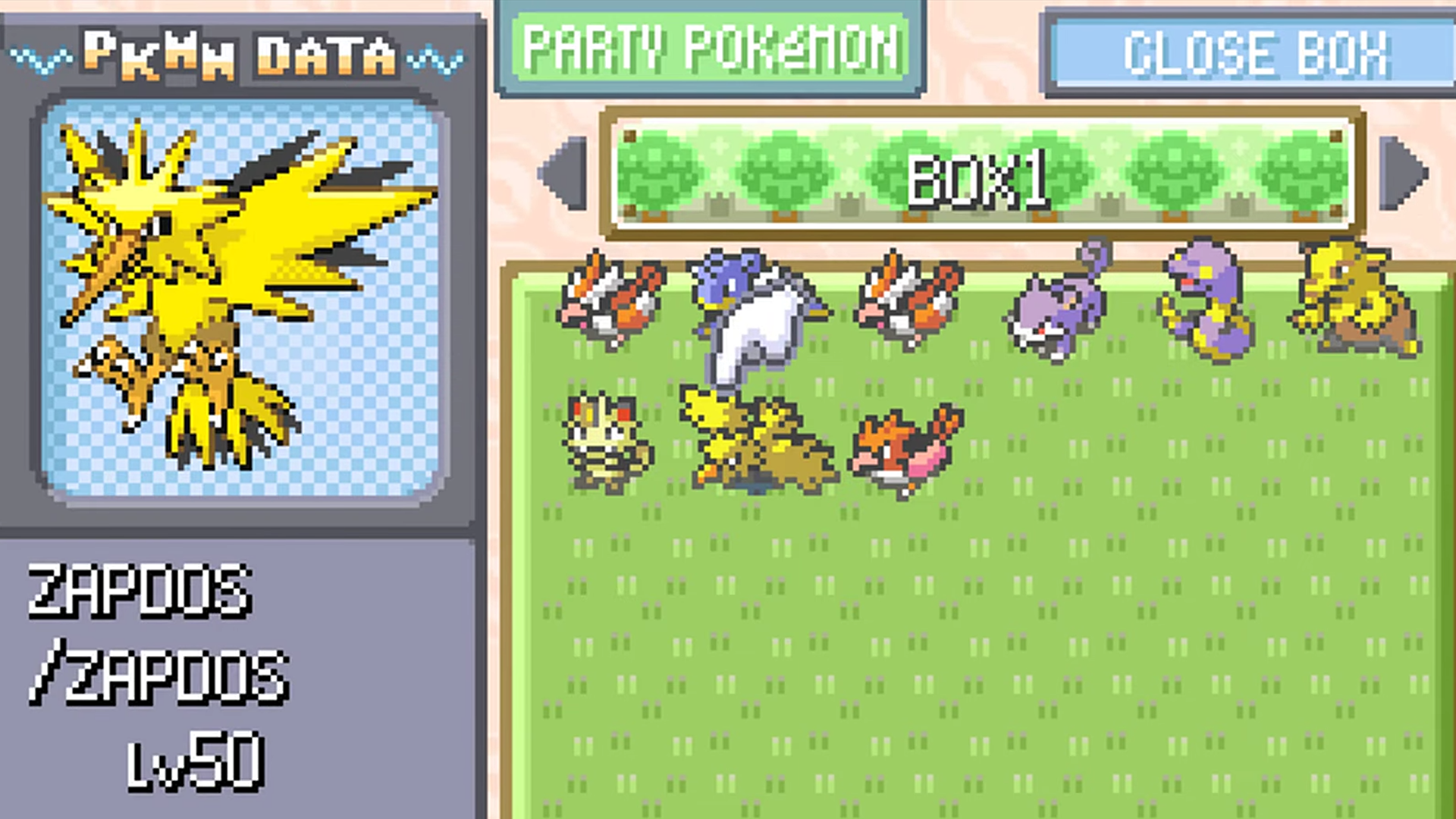
As I’ve said before, Pokémon changed a lot in how it worked between the first and third generations of games. While FireRed and LeafGreen still offer a similar overall adventure – excluding the Sevii Islands – a closer look reveals that these changes, additions, and improvements make the game much more complex and detailed.
Pokémon FireRed and LeafGreen incorporated new features from the second and third generations of Pokémon games. This mainly includes abilities – special traits that affect how Pokémon behave – but also things like gender and natures. Gender introduced visual differences, like a heart-shaped tail on female Pikachus, while natures subtly influenced how a Pokémon’s stats improved as it leveled up. You could still enjoy FireRed and LeafGreen like the original Red and Blue games, but these additions greatly increased the potential for competitive battling and set the stage for the more complex competitive Pokémon community that developed later.
Read More
- Off Campus Season 1 Soundtrack Guide
- DoorDash responds after customer uses AI to make food look bad and get a refund
- All Golden Ball Locations in Yakuza Kiwami 3 & Dark Ties
- Gold Rate Forecast
- Jon Bernthal Explains Why Marvel Let Him Make The Darkest Punisher Story Ever
- Ethereum Eyes Break Above $2,420 as Rally Hangs in the Balance
- 10 Most Universally Beloved Sci-Fi Movie Villains, Ranked
- 8 Movie Trilogies That Are More Rewatchable Than The Lord of the Rings
- XRP’s New Credit Hub: A Tale of Tokens and Trust
- Shocking AI Crypto Heist: $175K Vanish and Reappear-You Won’t Believe Why!
2026-03-20 21:41