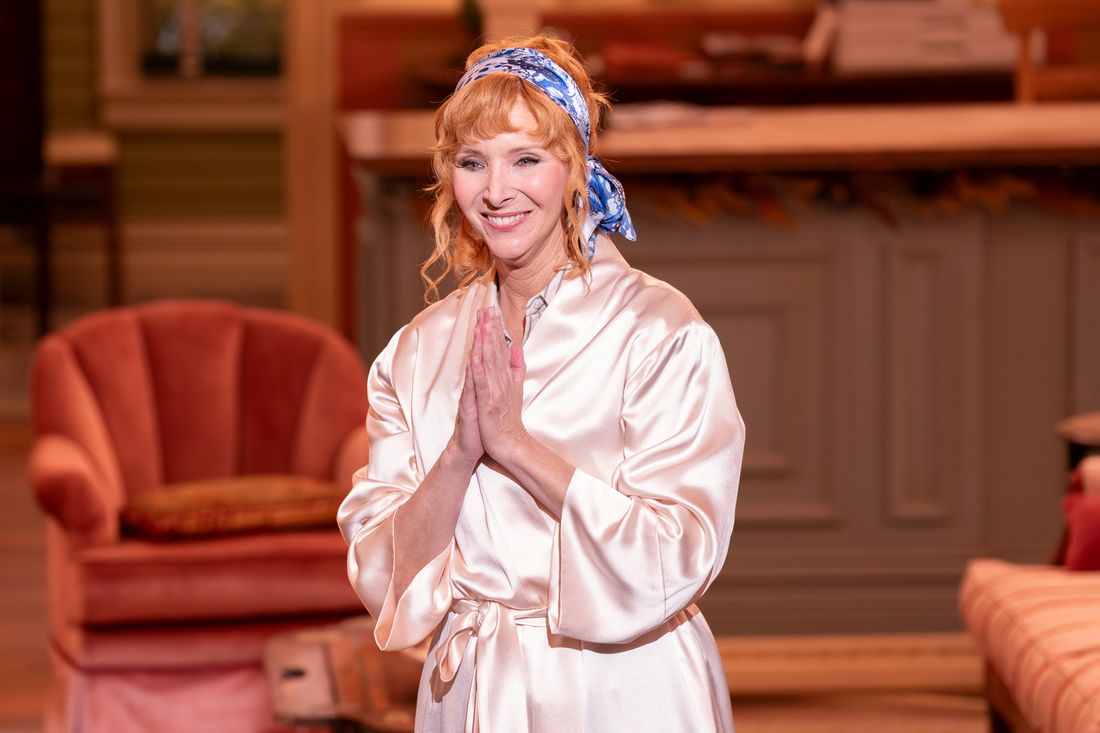
As a total film and TV obsessive, I’ve always felt like whenever Valerie Cherish pops up, something big is about to change in Hollywood. Lisa Kudrow’s character, this sitcom actress from the nineties, has actually witnessed three massive shifts in how we watch TV. Remember The Comeback? Kudrow co-created it with Michael Patrick King, and it first aired in 2005. Valerie dove headfirst into the world of reality TV, and the show was basically a show within a show, documenting her attempt to get back on top. She initially thought she’d be the hot young lead on a comedy called Room and Bored, but ended up playing the frumpy landlord, Aunt Sassy. The first season really captured that anxious feeling in Hollywood back then – the fear that cheaper reality TV would mean fewer jobs for everyone. And the cringe comedy was seriously ahead of its time. I mean, Valerie voting in a cupcake outfit? It’s way more excruciatingly funny than anything The Office ever did. Maybe it was a little too cynical, because HBO didn’t pick it up for a second season.
After gaining a dedicated following, the show returned in 2014, surprisingly ahead of the curve as television began to focus on high-quality, complex dramas. During the surge in popularity of shows with flawed main characters, Valerie agreed to star in a darkly funny and self-critical series written by Paulie G. (Lance Barber), a former rival and the creator of her previous show. The season aired before the full extent of misconduct allegations against creators like Louie C.K. became public, but it clearly reflected an understanding of the power dynamics at play. Despite facing potential embarrassment, both deserved and undeserved, Valerie continued on, and the season ended beautifully with her finding a sense of self and choosing to spend time with her close friend and hairstylist, Mickey (Robert Michael Morris), who was sadly ill during filming and passed away in 2017. The recent announcement that Kudrow and King are bringing Valerie back for a new season is exciting, but also unsettling. What new challenges and revelations await her, the audience, and the entertainment world?
The third season of The Comeback begins with two episodes that quickly showcase the harsh realities of Hollywood. We find Valerie struggling with a short-lived and unsuccessful run in the musical Chicago before jumping forward three years. She’s now trying to stay relevant with a podcast and a poorly-watched show on Epix, blaming the failure on oversaturation of streaming services. The main plot revolves around a tech company, led by Andrew Scott, wanting Valerie to star in an AI-generated sitcom called How’s That?!. The idea is to create background television – something people can have on while distracted by their phones – and the company’s data suggests Valerie is perfectly suited for this kind of mindless entertainment. She attempts to see this as a compliment, but Lisa Kudrow brilliantly conveys Valerie’s underlying fear and confusion. Kudrow’s performance is exceptional, portraying Valerie as someone complex and somewhat transparent – you can always sense what’s going on beneath the surface, but her true self remains elusive. Valerie is a master of presenting a facade, always balancing her genuine impulses with the image she projects to the world.
Valerie finds herself in a tricky situation with the offer in “How’s That?!” – she probably should say no, but her pride and desire to stay relevant keep her hooked, just like many other characters on The Comeback. This season feels more uncertain and realistic than the lighthearted Hollywood satire of The Studio, though it sometimes leans a bit too heavily into lecturing. We see Jane, Valerie’s documentary filmmaker, struggling after losing her home in a fire and now working at Trader Joe’s. She agrees to film with Valerie again, hoping to expose the use of AI in writing. Meanwhile, Sharon, a former casting director, desperately asks Valerie for a job at a Soho House encounter, needing any work she can get. Valerie, now fixated on collaborations, is more interested in filming with Jane Fonda, a guest on her social media and the show itself, who uses the opportunity to encourage voting.
The world of The Comeback features a few established figures living comfortably, like Fonda and sitcom director James Burrows, who often offers a sensible perspective on the show’s events. We see him relaxing by his pool when Valerie unexpectedly arrives, hoping he’ll direct her new project. Valerie’s manager, Billy, is also enjoying success, but it’s gone to his head, and he’s increasingly focused on self-promotion, even attending fashion shows. This is a pointed commentary on Hollywood excess. However, most characters in Valerie’s Hollywood are struggling financially or desperately seeking their next job. Valerie’s husband, Mark, has been canceled due to allegations similar to the #MeToo movement and is now starring in a reality show about finance. Valerie herself hosts a podcast with no listeners and constantly asks her social media manager, Patience, to film potential collaboration videos – featuring everything from Trader Joe’s snacks to her self-driving car – hoping to attract attention. Even the showrunners of her AI-written sitcom are exhausted and willing to accept the absurd premise that their third writer, simply called “Al” (an algorithm), works remotely and can instantly generate countless bland jokes.
The show’s central idea – Valerie hiding the AI from her fellow actors and the entertainment industry – creates a strong foundation for humor. It allows for the classic comedic mishaps and embarrassing situations that define sitcoms, blending a modern concept with a nostalgic feel. Episode titles like “The One Where Al Hallucinates” or “The One Where They Hit a Paywall” perfectly capture the chaotic world Valerie navigates. While the show’s message about AI – that human creativity and the work of many people are irreplaceable – can feel a bit heavy-handed, it’s delivered with a charming earnestness. It’s reminiscent of a memorable, slightly silly episode of a show like Saved by the Bell. Lisa Kudrow and Paul Reubens are both veterans of long-running sitcoms (Friends and Murphy Brown, respectively) who have seen the industry change dramatically. They deserve some recognition for mourning a bygone era of television. In a particularly witty moment, Valerie downplays her award-winning dramatic work, declaring, “Dramedies are easy! This is a comedy.”
The show’s earlier seasons cleverly framed everything we watched as footage from Jane’s documentary, with her crew constantly trying to capture Valerie’s life. This season, however, the filming style is much more fluid. It switches between the shaky, documentary feel when Jane is filming, Valerie’s attempts at social media videos, and completely natural, unfilmed moments. While this inconsistency might seem odd, it gives the season a feeling of searching and unease. After all these years, the mockumentary format has become predictable, and the creators wisely avoided the obvious next step of filming everything vertically. Instead, they’ve chosen a rarer style – a single-camera comedy – for what they say is the final season. This shifts the show’s perspective. Previously, The Comeback felt like a warning about the future of reality TV. Now that future is here, and Valerie is looking back at everything she’s been through, surprisingly finding things to appreciate.
Read More
- Off Campus Season 1 Soundtrack Guide
- DoorDash responds after customer uses AI to make food look bad and get a refund
- Jon Bernthal Explains Why Marvel Let Him Make The Darkest Punisher Story Ever
- All Golden Ball Locations in Yakuza Kiwami 3 & Dark Ties
- Ethereum Eyes Break Above $2,420 as Rally Hangs in the Balance
- 10 Most Universally Beloved Sci-Fi Movie Villains, Ranked
- Gold Rate Forecast
- Umamusume has been transformed into a D&D game with new race
- The Strongest Battlegrounds codes (May 2026)
- 8 Movie Trilogies That Are More Rewatchable Than The Lord of the Rings
2026-03-20 16:55