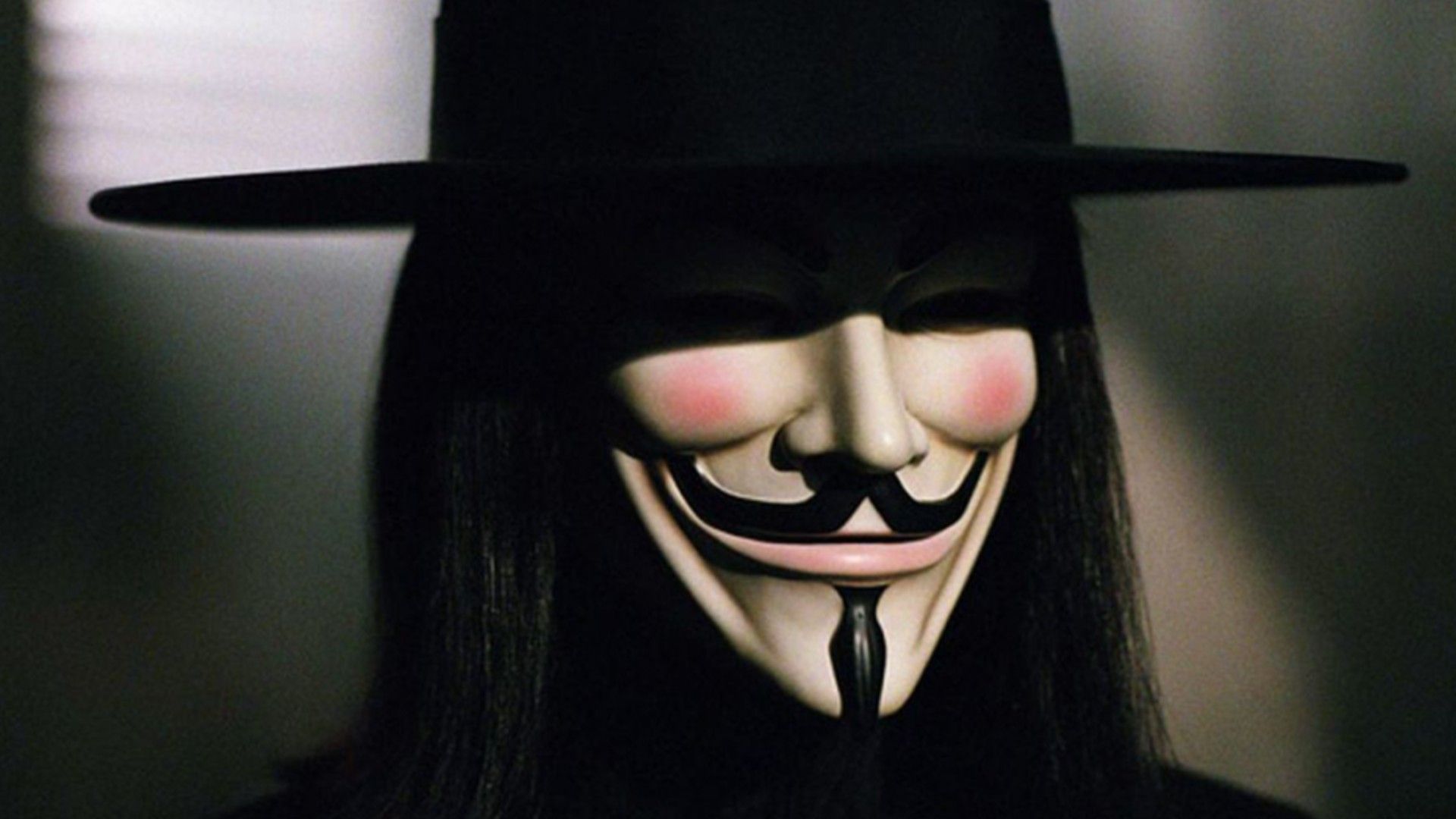
When V for Vendetta was released in 2006, it felt like a film from the future. Sadly, its depiction of a troubled society has proven eerily prescient, foreshadowing events that unfolded years later. The director has even noted that the movie’s accurate predictions about the present are now ‘more extreme’ than anyone imagined.
DC.com recently shared a new interview with director James McTeigue, where he reflects on the film V for Vendetta twenty years after it first hit theaters.
McTeigue believes the film clearly hinted at things to come, but also noted that the character V unexpectedly foreshadowed future events. He clarified, though, that he hadn’t predicted those events himself.
V For Vendetta Director James McTeigue Explains The Real-World Inspiration For The Film’s Fascists
What McTeigue Says The Movie Got Right & What He Thinks It Got Wrong
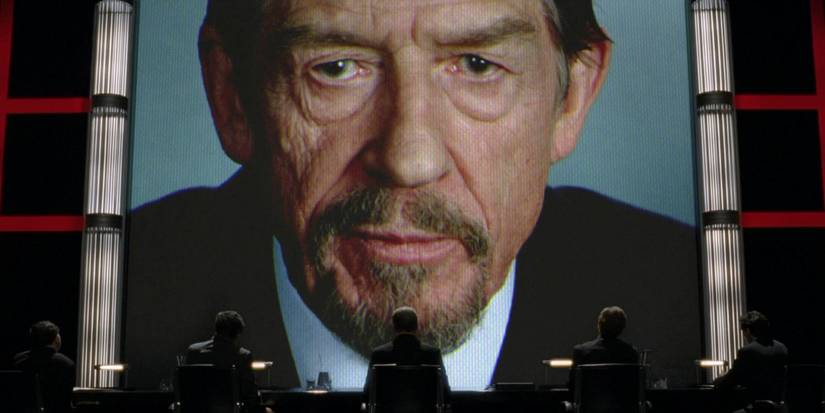
The film V for Vendetta takes place in a future Britain controlled by a harsh, totalitarian government. Originally a comic book by Alan Moore written in the 1980s, it was intended as a clear warning about the dangers of fascism. When the movie was made in the 2000s, filmmakers added connections to current events to make the film’s message even more direct and relevant.
Here’s how director James McTeigue explained it:
You know, when I was working on the film, I really wanted to make certain characters almost caricatures, figures of fun. Take Lewis Prothero, ‘The Voice of London’ – I based him on Rush Limbaugh, that super-outspoken, bombastic radio host from back then. And I did the same with Sutler, the leader of Norsefire. I pushed that character as far as I could, though looking back, maybe not far enough – it feels even more exaggerated now! History is full of people like that, isn’t it? Think about someone like Hitler. If you watch footage of his rallies, you just wonder how anyone could have been swayed by such wild ideas.
Yes, the film certainly hinted at things to come. However, it didn’t actually show us what the future would be like.
Essentially, V for Vendetta satirized both past and present right-wing leaders to build the character of Norsefire, the film’s dictatorial government. However, as the director later realized, the movie underestimated just how extreme things would become in the years that followed.
Interestingly, the film V actually made the leader of Norsefire less extreme than he was in Alan Moore’s original comic. They renamed him “Sutler” to more clearly draw a parallel to Hitler. However, director James McTiegue now feels the film didn’t go far enough in portraying the totalitarian leader’s villainy.
V For Vendetta’s Right-Wing Media Personality Character Was Its Most Prescient Detail
How V Glimpsed The Future By Modernizing Alan Moore’s Graphic Novel

James McTeigue, the director, has said that Rush Limbaugh, a conservative talk show host, influenced the creation of the “Voice of London” character in the film V for Vendetta, portrayed by Roger Allam. While Alan Moore’s original V graphic novel features a similar character called “The Mouth,” he’s depicted as a more conventional propagandist from the 20th century.
In V for Vendetta, Alan Moore and David Lloyd foreshadowed the impact figures like Rush Limbaugh would have in the 21st century. Limbaugh was an early example of a modern influencer, paving the way for later right-wing commentators like Alex Jones. His influence continues to be felt within today’s online conservative communities.
As a big fan of cinema, I always found V’s radio show in V for Vendetta was intended to echo the style of someone like Rush Limbaugh, but honestly, that connection didn’t really come across strongly in the movie. Now that they’re revisiting the story with a TV series, I’m really curious to see how they’ll handle that character again, especially with over two decades of new events and political situations to draw parallels from. It’s a chance to really make that voice resonate with a modern audience.
V For Vendetta Was An Imperfect, But Important Vision Of Dystopia
20 Years Later, V Still Has Something To Offer
The original V for Vendetta comic is quite complex. The movie, now twenty years old, made the story easier to follow and more accessible to a wider audience. Understandably, the comic’s creator, Alan Moore, wasn’t pleased with the adaptation. However, director James McTeigue has pointed out that he did aim to capture the book’s central message about fighting against oppression.
He aimed to make the story’s ideas easier to understand by connecting them to things happening in the real world. As a result, V for Vendetta surprisingly predicted future events. This wasn’t intentional, but it’s a key reason why the story remains important and why now is a good time to revisit it.
What do you think, readers? Was V for Vendetta ahead of its time? Or did it miss the mark?
Read More
- Off Campus Season 1 Soundtrack Guide
- DoorDash responds after customer uses AI to make food look bad and get a refund
- Gold Rate Forecast
- All Golden Ball Locations in Yakuza Kiwami 3 & Dark Ties
- 8 Movie Trilogies That Are More Rewatchable Than The Lord of the Rings
- 10 Most Universally Beloved Sci-Fi Movie Villains, Ranked
- Euphoria Season 3’s New R-Rated Sydney Sweeney Scene Proves The Show Is Trolling Us
- Jon Bernthal Explains Why Marvel Let Him Make The Darkest Punisher Story Ever
- YouTuber arrested after viral AI bodycam videos spark real police complaints
- Shocking AI Crypto Heist: $175K Vanish and Reappear-You Won’t Believe Why!
2026-03-20 03:09