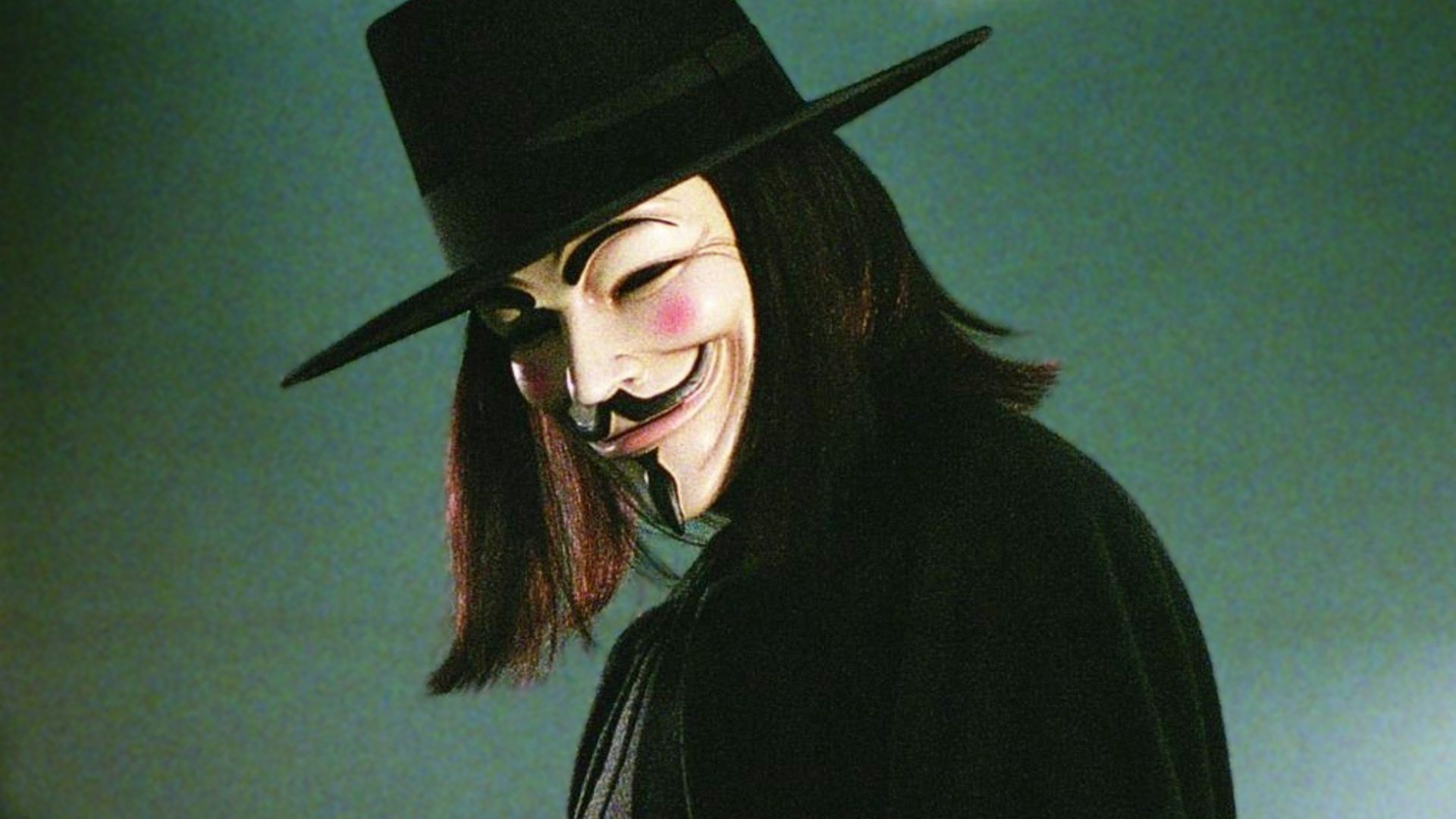
V for Vendetta‘s changes from the source material have been unpacked.
Twenty years after its release, director James McTeigue has discussed the changes made when adapting the graphic novel into a film. The movie, a dystopian thriller, portrays a future ruled by fascism, and follows V (played by Hugo Weaving), a masked figure who ignites a revolution. While the film shares many similarities with the original graphic novel, there are also some important distinctions.
Speaking with Grant Hermanns from ScreenRant to celebrate the 20th anniversary 4K release of the film, director James McTeigue discussed some of the challenges of adapting the V for Vendetta graphic novel. He noted that V was portrayed as “more nihilistic” in the original source material, and that other characters and storylines were altered or removed. The filmmakers’ main aim was to capture the core spirit of the book.
ScreenRant asked about adapting Alan Moore and David Lloyd’s graphic novel to film. Given how many ideas the book had, what change was the most challenging to make, either because of a personal preference for the original story or simply because it was difficult to translate to the screen?
James McTeigue felt it was crucial to strike the right tone with the character of V. He notes that V is portrayed as even more extreme and pessimistic in the original graphic novel. The character of Evey also underwent changes, with her storyline diverging from the source material. Some subplots and characters from the graphic novel, like Creedy and Helen Heyer, were omitted. The filmmakers focused on capturing the core message and genuine feel of the graphic novel, believing they had created a strong adaptation. The script was well-received by the studio, who supported the project, likely due to the success of the Matrix films, without questioning its political themes. They gave the team creative freedom, and the strength of the script itself was a major factor in their confidence that it would be a great film.
V for Vendetta is a beloved cult film, popular thanks to memorable lines and its powerful story about fighting against oppressive governments. However, the movie differs significantly from the original graphic novel. The book presents V’s radical beliefs and the cruelty of the fascist government he opposes in a much stronger and more detailed way, making the two versions quite distinct.
Despite its controversial origins, V for Vendetta has become a significant film, earning widespread critical acclaim since its release. It’s even become known for inspiring the use of the Guy Fawkes mask by political activists. Though based on the graphic novel by Alan Moore, David Lloyd, and Tony Weare, the movie is now the most well-known adaptation of the story.
McTeigue points out that despite changes made when adapting V for Vendetta into a film, the movie still successfully conveys the core themes of the original graphic novel. The film presents a simpler version of V and his motivations, portraying them as clearly understandable and morally right. Some parts of the original story were shortened or removed to make the movie easier for audiences to follow.
By making the story easier to follow, the movie became a success. It earned $134.7 million on a $50 million budget and has stayed relevant in both popular culture and political discussions for years. Ultimately, simplifying the story was a good choice for the adaptation.
The movie V for Vendetta simplified the story’s moral lines, creating a clearer distinction between good and evil than the original graphic novel. While some changes, such as the details of Creedy’s storyline, were significant, the alterations generally worked well because they preserved the heart of the source material and its key themes.
Read More
- Off Campus Season 1 Soundtrack Guide
- Euphoria Season 3’s New R-Rated Sydney Sweeney Scene Proves The Show Is Trolling Us
- Gold Rate Forecast
- DoorDash responds after customer uses AI to make food look bad and get a refund
- Jon Bernthal Explains Why Marvel Let Him Make The Darkest Punisher Story Ever
- Olympian Says Heated Rivalry Tugged At His Heartstrings
- Dutton Ranch Review: Paramount+’s New Western Takes All The Best Parts Of Yellowstone & Makes Them Better
- Oh My God, It’s Her?
- Prime Video Has Officially Found The Next Game Of Thrones
- MNT PREDICTION. MNT cryptocurrency
2026-03-18 15:20