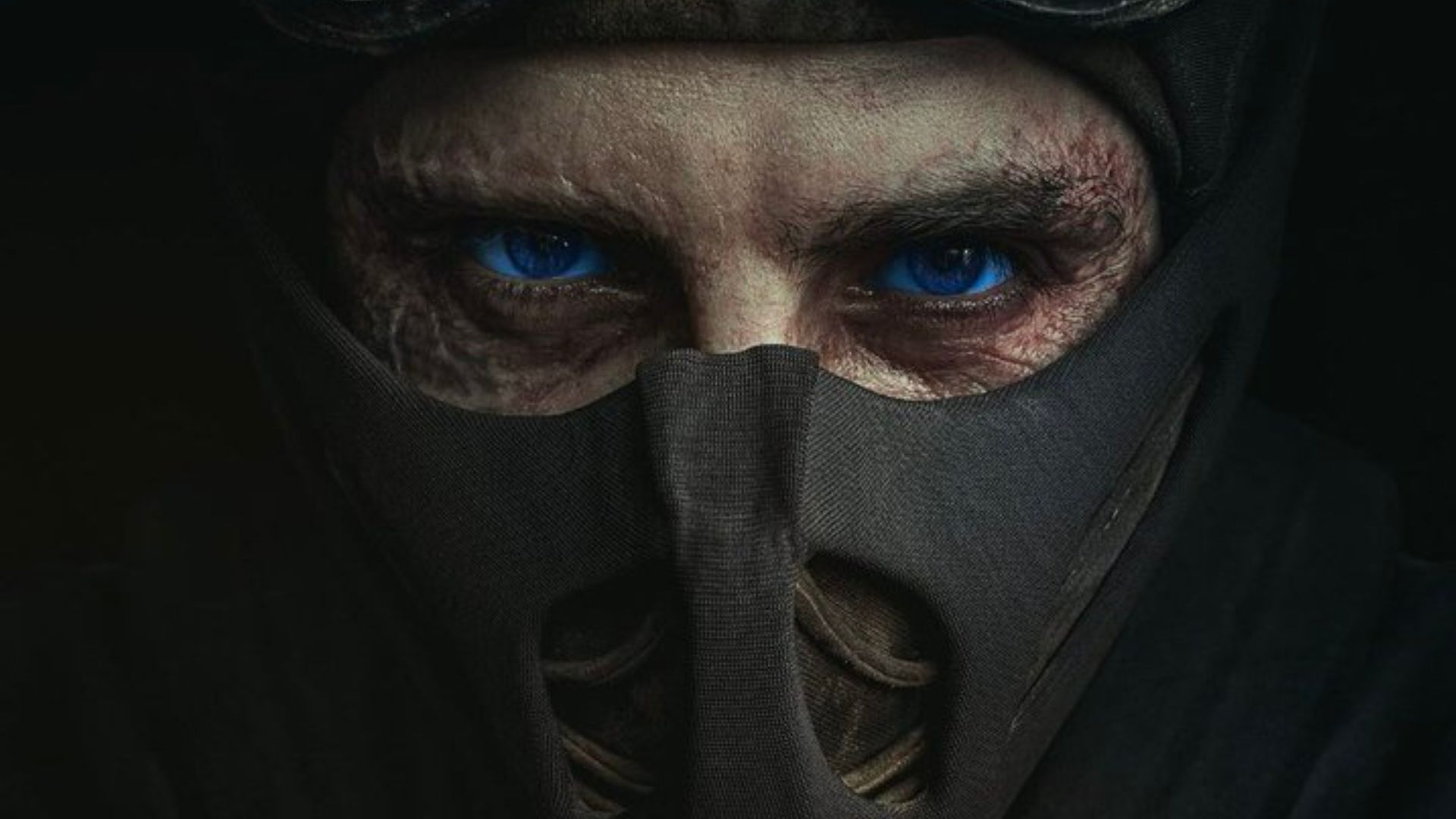
Director Denis Villeneuve has made Dune one of the most impressive science fiction series in recent cinema. Both Dune and Dune: Part Two have been incredibly successful, and excitement is building for the next installment. The first trailers are now available, giving audiences a glimpse of what’s to come for Paul Atreides. Interestingly, the movie appears to be diverging from the original books in ways that fans will likely appreciate.
While both Dune and Dune: Messiah are part of the same series, they offer very different experiences. Dune follows a traditional hero’s path, leading readers to expect a large-scale war in the sequel, with House Atreides and the Fremen taking center stage. However, Dune: Messiah takes a surprising turn. Set years later, it’s a much darker and more complex story, focusing on political intrigue and philosophical questions, and presenting a far more flawed and even troubling side of Paul Atreides.
Why Did Dune: Messiah Have Less Impact With Readers?
For decades, Dune has captivated readers and remains a landmark science fiction story. The original novel introduced a compelling narrative and a complex journey following Paul Atreides, with impressively detailed world-building. While there was anticipation for the sequel, Dune: Messiah, it didn’t resonate with audiences as strongly as the first book.
Part of the reason for this difference lies in how the story evolved between the two books. While Dune seemed to set the stage for a massive, galaxy-spanning war, the novels took a darker turn. Instead of epic battles, readers were presented with a somber tale of Paul’s downfall, highlighting the enemies he made and ultimately portraying him as the antagonist of his own story.
Dune: Messiah doesn’t include any battles. Instead, the story centers on a dangerous conspiracy to assassinate Paul and destroy his power. Paul will do anything to ensure his family’s continued influence, leading to bombings, betrayals, and brutal attacks. However, the fighting isn’t happening in the present; it exists as memories and echoes of past conflicts for characters like Stilgar and Paul, and others who have fought throughout the galaxy.
Fans have long been frustrated by this choice. Herbert deliberately avoided showing the most exciting part of Paul’s journey, seemingly to avoid portraying him as a traditional hero. Showing his victories wouldn’t have supported that intention. While this omission works in the novels, the films can offer something fresh to Dune fans by finally exploring this aspect of the story.
Dune: Part Three Brings New Life to the Franchise
Movie adaptations of books are often loved by audiences, but filmmakers usually need to make changes to fit the story onto the screen. For example, The Lord of the Rings famously added Elves to the battle of Helm’s Deep, and The Godfather simplified the character and background of Vito Corleone. The upcoming Dune: Part Three will take a similar approach by focusing on and expanding a specific section of the novel.
The first trailer for Part Three suggests the movie will feature significantly more of the galactic war that unfolds over the years. This is a surprising development, as book fans anticipated newcomers would be taken aback by the overall darkness of Dune: Part Three and were expecting a large-scale battle. However, showcasing more combat could be very beneficial for the film.
A major draw of the Dune films is their incredible visual scale. Both Dune and Dune: Part Two were packed with impressive sights – the first film introduced the Sandworms and the fall of House Atredies, while the second featured even more action, including massive explosions and epic battles fought on the backs of Sandworms. Both movies were visually stunning experiences, and it looks like Dune: Part Three will continue to push those boundaries with even more spectacular imagery.
Including a large-scale war gives the movie the grand scope fans expect, and smoothly introduces the complex political and philosophical themes that will unfold. A more spectacular action setting will draw audiences to theaters and also enrich Paul’s character development throughout the story.
Paul Atredies Holy War Will Add New Depth to His Story in Dune
As a movie lover, I’ve always felt books have an edge when it comes to really getting inside a character’s head. It’s easier to show inner thoughts on the page, which movies sometimes struggle with. That’s probably why you often see filmmakers adding scenes or even whole characters – they’re trying to convey things that a book can just show us naturally. It’s about filling in those gaps that readers get automatically.
The story often reveals Paul’s inner struggles through his visions and thoughts as he uncovers a growing plot against him. While focusing heavily on a character’s internal world can be tricky in a film, showcasing the large-scale conflict—the Holy War—offers a chance to add layers of meaning. Seeing Paul battle numerous foes and overcome challenges both physically and mentally can be a powerful way to illustrate his journey.
The war wasn’t included in the original books because it wasn’t essential to the story, but the movie adaptation can really benefit from showing it. It allows for a powerful visual depiction of Paul’s declining mental state – his transformation from a potential hero into a dangerous enemy. Featuring Paul’s crusade will provide the exciting action the movie needs, then lead into a much deeper story filled with secrets, prophecies, and the idea of fate.
Found an error? Send it so it can be corrected.
Read More
- Off Campus Season 1 Soundtrack Guide
- Euphoria Season 3’s New R-Rated Sydney Sweeney Scene Proves The Show Is Trolling Us
- Gold Rate Forecast
- All Golden Ball Locations in Yakuza Kiwami 3 & Dark Ties
- DoorDash responds after customer uses AI to make food look bad and get a refund
- Jon Bernthal Explains Why Marvel Let Him Make The Darkest Punisher Story Ever
- Dutton Ranch Review: Paramount+’s New Western Takes All The Best Parts Of Yellowstone & Makes Them Better
- YouTuber arrested after viral AI bodycam videos spark real police complaints
- The 2026 Cannes Film Festival Standing-O-Meter
- Bitcoin Risk Appetite Collapses: Altcoin Season Over as Institutions Flock to BTC
2026-03-18 07:29