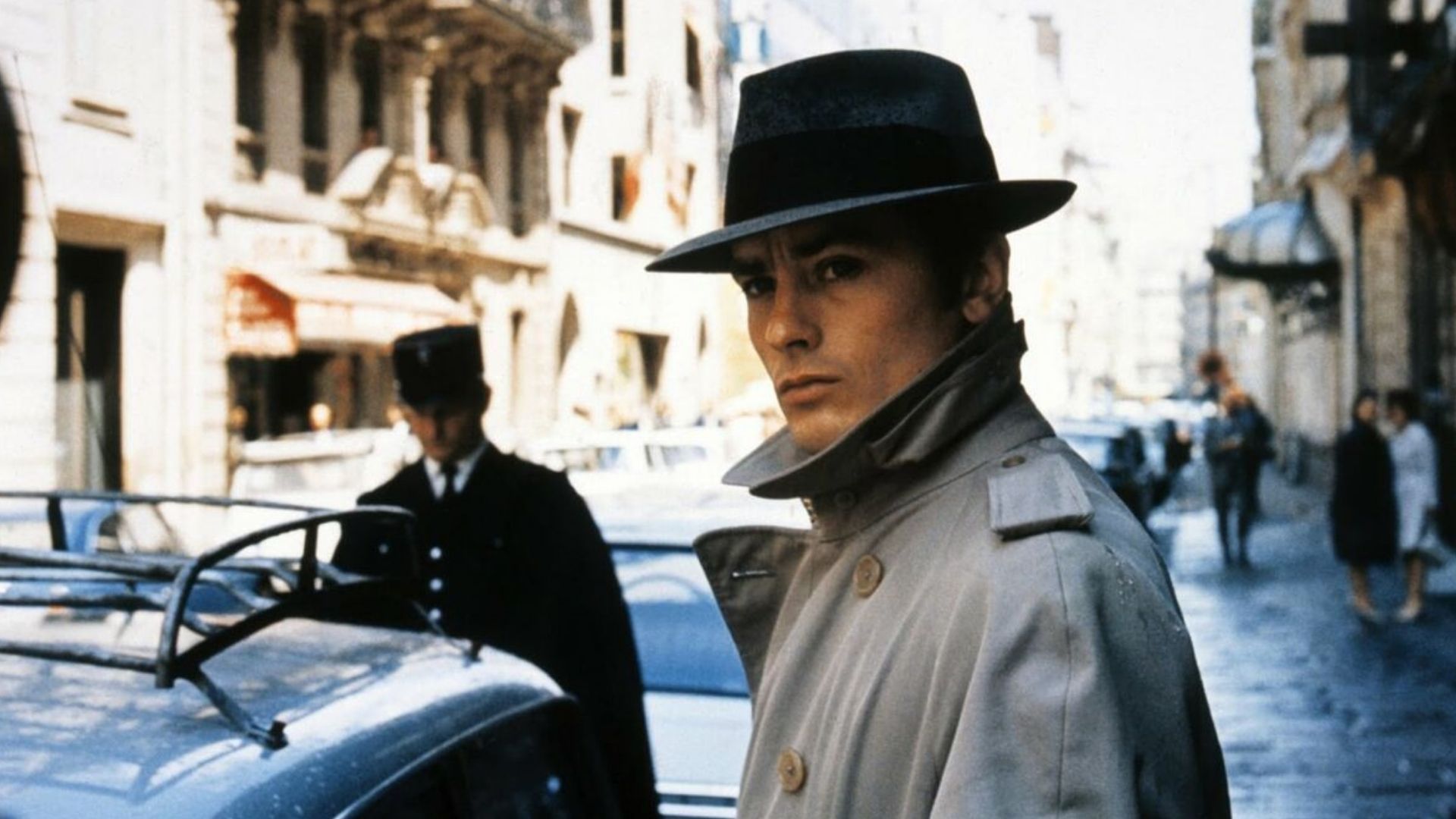
Let’s be clear: James Bond is a timeless icon. For generations, he’s set the standard for action movies with his style, gadgets, and adventures. He is the spy thriller – even people who haven’t seen a Bond film recently picture him when they think of the genre. And when a Bond movie delivers on that promise with exciting locations, impressive stunts, and a grand scope, it’s a real success.
Just because a movie is big in scope, stylish, or full of special effects doesn’t automatically make it good. Some of the most memorable action films succeed not with elaborate technology or over-the-top characters, but with clear direction, well-paced scenes, and impactful action sequences – like a chase that tells a story without needing constant explosions. These films are focused, efficient, and build genuine suspense. In fact, these 12 action thrillers aren’t just comparable to James Bond movies; they often surpass them with a quiet confidence.
12
‘Get Carter’ (1971)
MGM-EMI Distributors
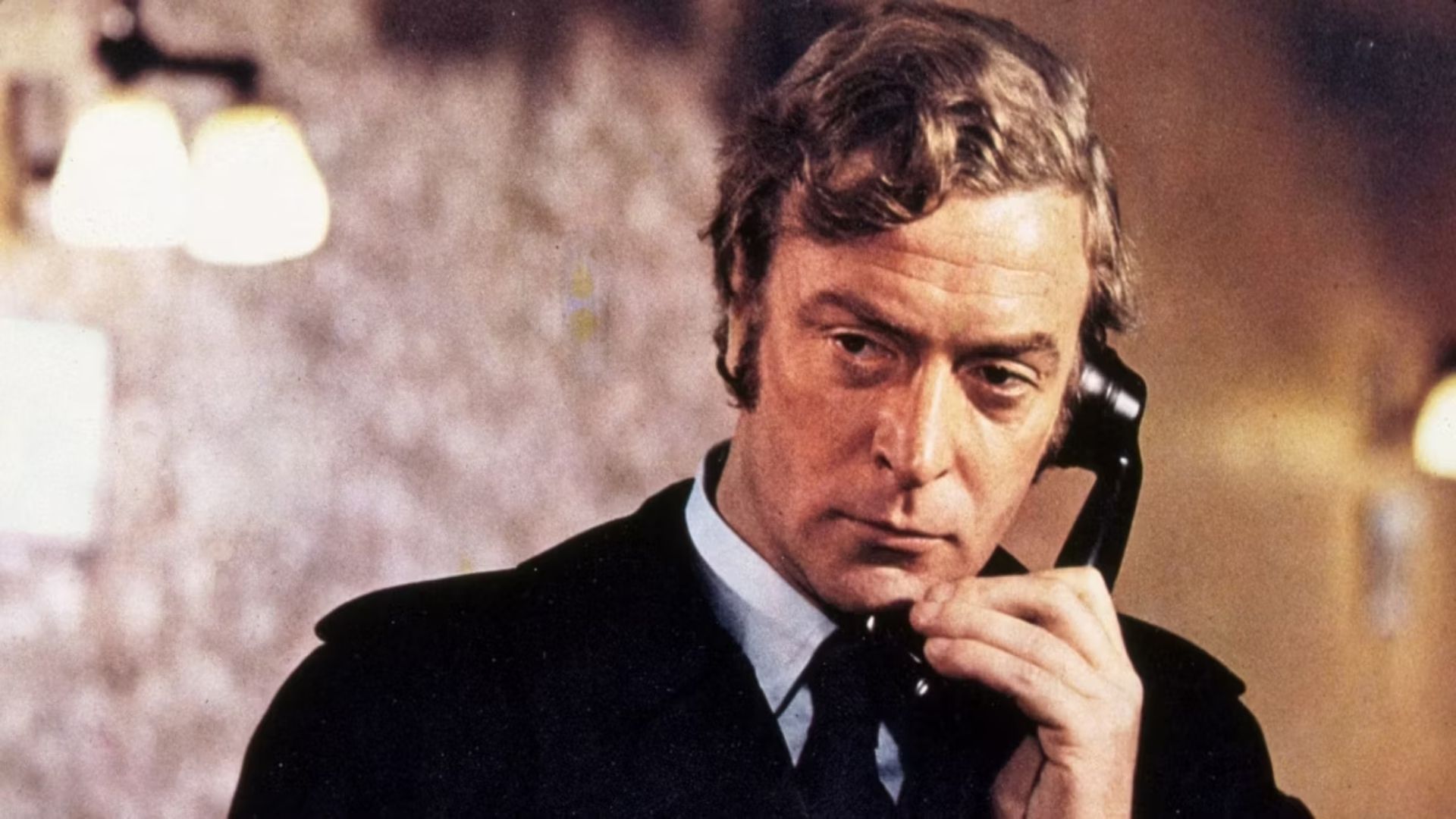
Released in 1971, Get Carter isn’t a glamorous film. It’s a hard-hitting crime thriller directed by Mike Hodges, following Jack Carter, a London gangster who travels to Newcastle to find out how his brother died. The movie isn’t so much about solving a mystery as it is about showing a man navigating a corrupt world, driven by anger and a practical, no-nonsense approach.
I’ve always been captivated by Michael Caine in this role. He doesn’t rely on being clever; his character, Carter, just relentlessly pushes through everything with sheer force and, when necessary, violence. But it’s a strangely empty victory, and that’s what struck me. The film got a lot of heat when it came out for being so brutally matter-of-fact, but honestly, that’s what makes it so powerful – it doesn’t try to glamorize or even entertain with the violence, it just is.
11
‘Bullitt’ (1968)
Warner Bros.
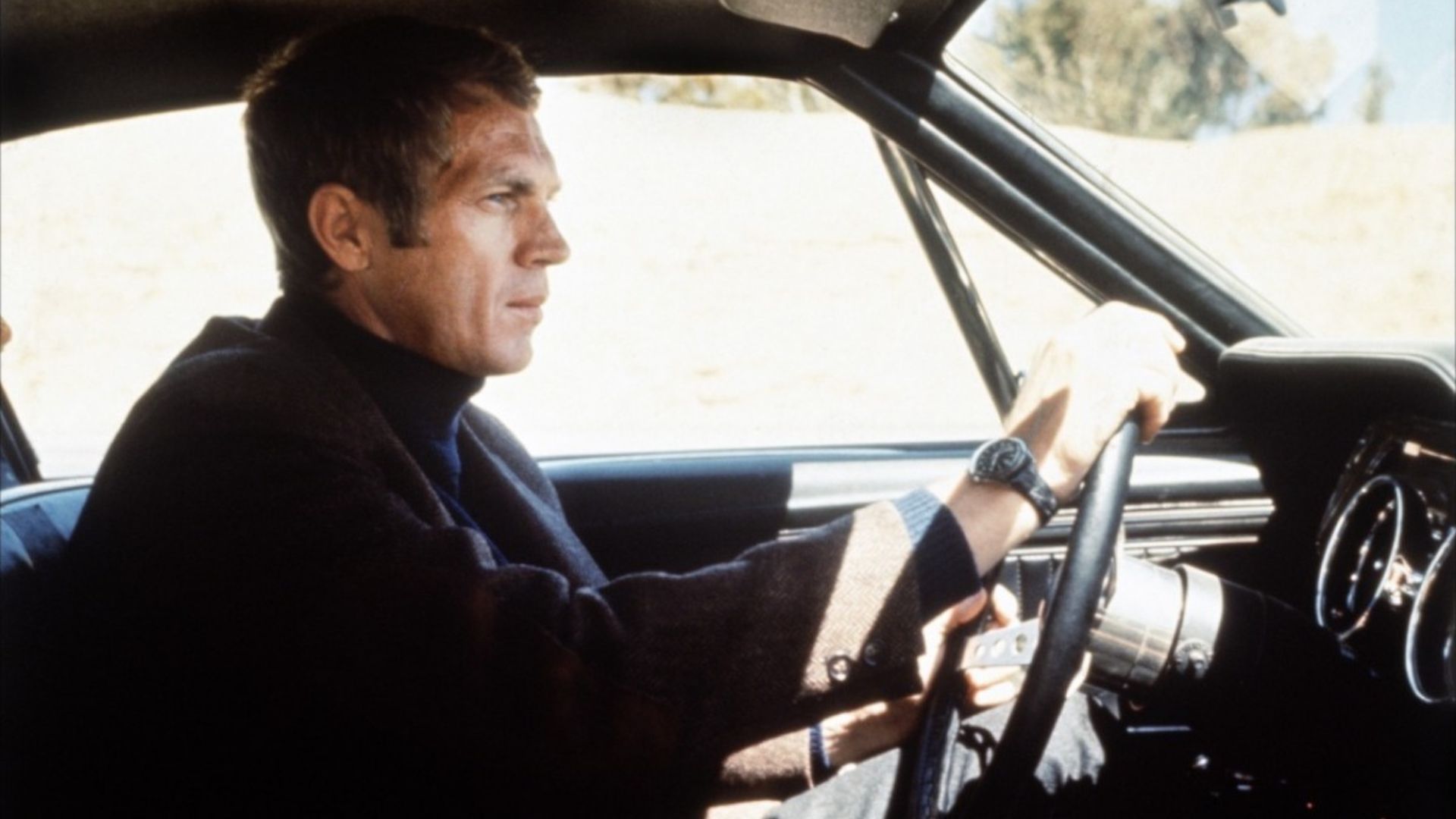
I just finished watching Bullitt, and wow. Steve McQueen is fantastic as Frank Bullitt, a San Francisco detective stuck in a tough spot – he’s guarding a witness while also being pressured by a politician. But honestly, describing the plot doesn’t really do this film justice. It’s not a movie driven by crazy twists and turns; it’s all about the atmosphere, the feeling of constant motion, and really getting to know the characters. It’s less about what happens and more about how it feels.
Steve McQueen doesn’t really act so much as simply be on screen, radiating capability, and surprisingly, this makes the film compelling. When the action finally happens, it feels truly impactful. The famous car chase through San Francisco remains impressive not because of flashy effects, but because it realistically conveys the city’s layout and the logic of the chase. Unlike James Bond, who’s portrayed as exceptional, Bullitt focuses on a man simply doing his job.
10
‘Clear and Present Danger’ (1994)
By the early 1990s, audiences were already familiar with the character Jack Ryan. But Clear and Present Danger shifted the focus to international political conflicts. The story begins as a mystery, with Harrison Ford playing Ryan as he investigates a murder. This investigation quickly reveals a far-reaching conspiracy that connects the CIA with powerful Colombian drug cartels. What makes this movie memorable is how skillfully it builds suspense and escalates the stakes.
Many action movies struggle when they try to combine political themes with exciting action, but this film seamlessly blends intelligence reports, secret operations, and the characters’ personal lives into the plot. For example, a late scene involving a Colombian ambush in Clear and Present Danger is filmed so realistically that it genuinely feels intense and risky. The action isn’t just mindless entertainment; it actually drives the story forward.
9
‘The Taking of Pelham One Two Three’ (1974)
United Artists
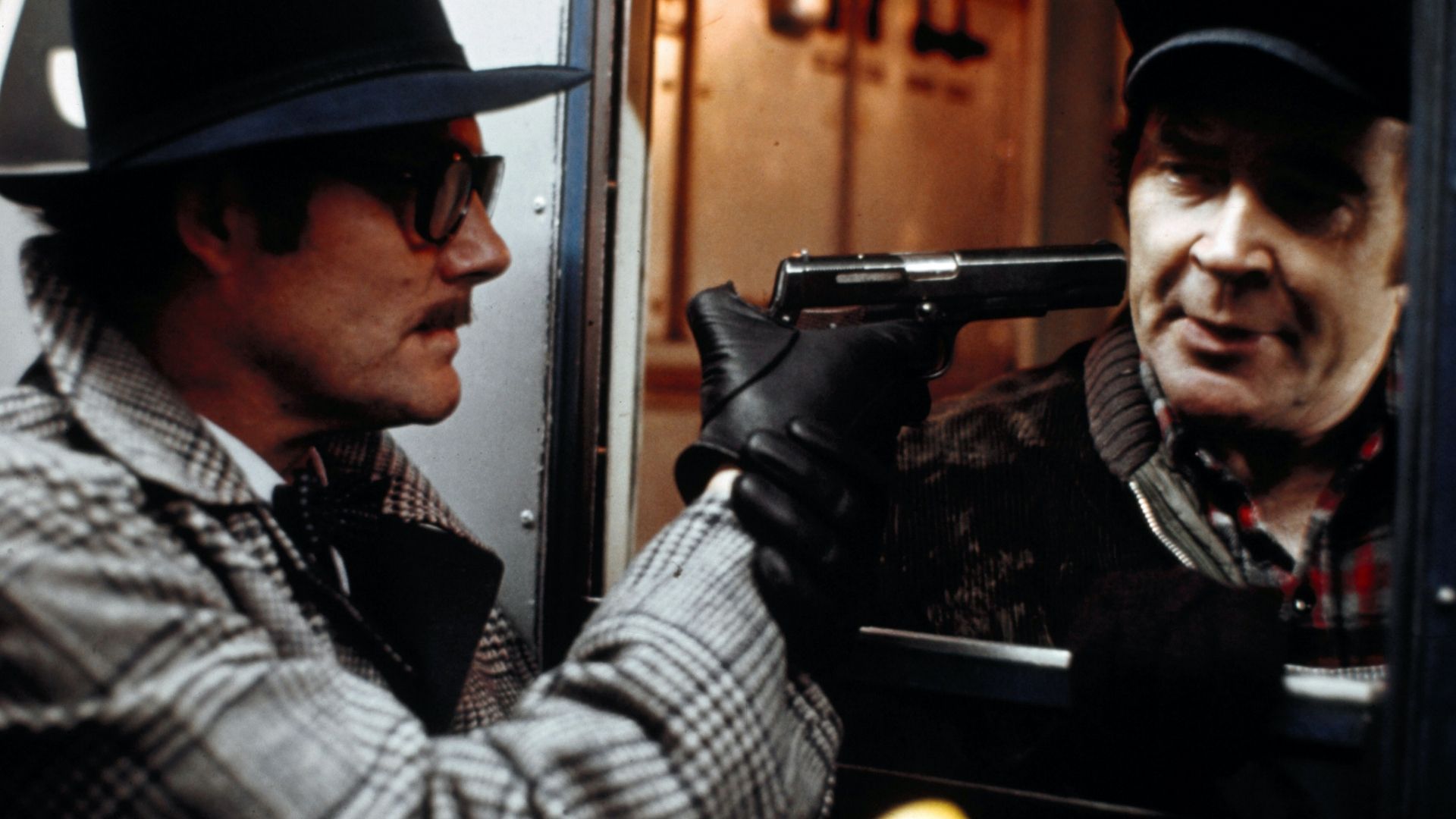
Okay, so the premise of The Taking of Pelham One Two Three is pretty straightforward: four guys hijack a subway train in New York City and ask for a ransom. But trust me, it’s way more intense than it sounds! Director Joseph Sargent really nails the feeling of being under pressure. It’s less about explosions and more about watching how everyone – the cops, the hijackers, the city itself – tries to navigate this crazy situation. It’s a fascinating look at how bureaucracy grinds along even when things are completely chaotic.
Walter Matthau stars as the dispatcher who unexpectedly takes charge of negotiations during a hijacking. The entire film unfolds through phone calls and radio transmissions. The hijackers, led by Robert Shaw, are skilled professionals carrying out a well-planned operation. The movie is remarkable for its lack of violence until the climax, building tension instead through a battle of wits between the negotiators and hijackers as the city anxiously watches.
8
‘Le Samouraï’ (1967)
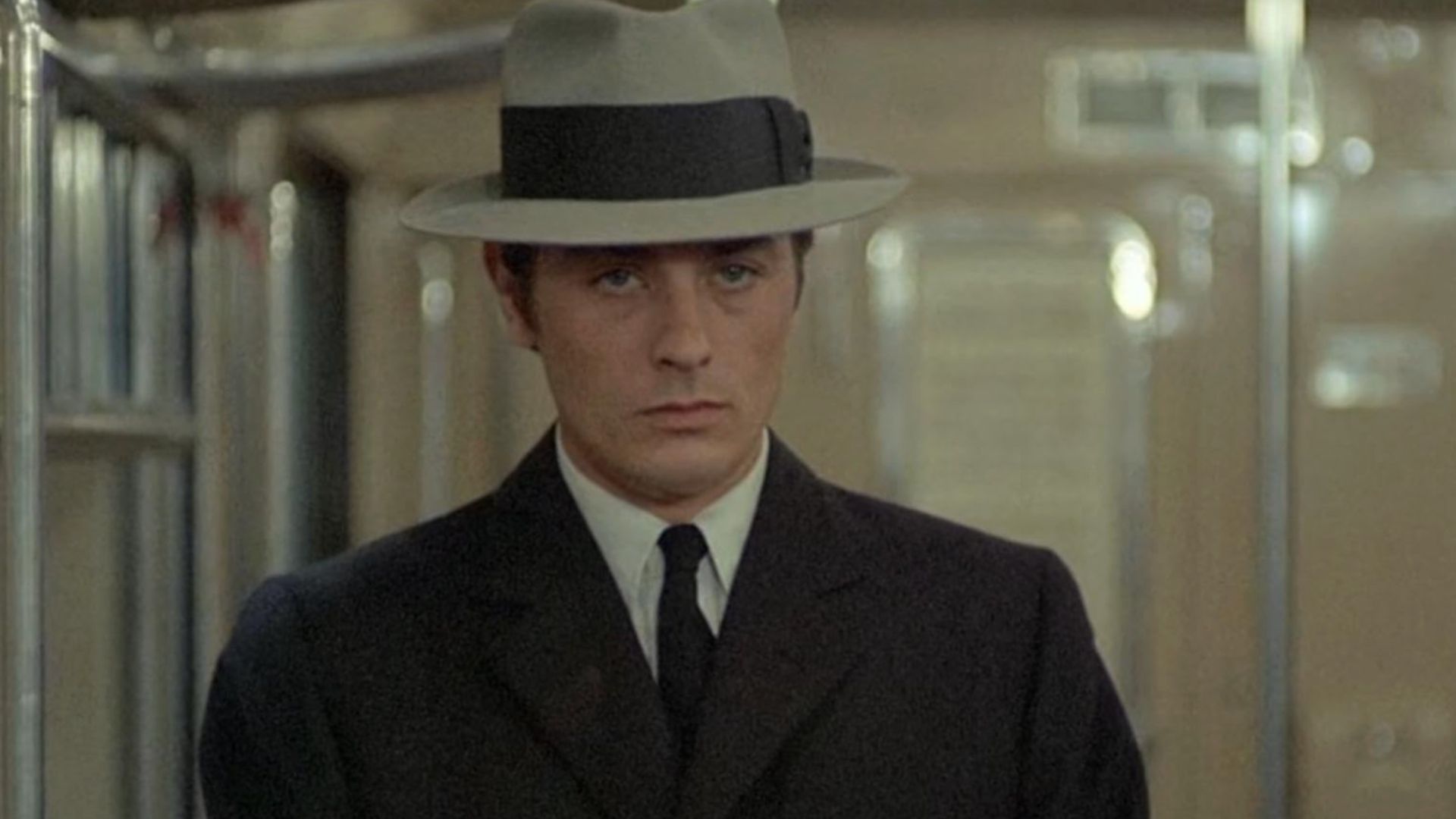
S.N. Prodis
Jean-Pierre Melville’s film, Le Samouraï, centers on a hitman named Jef Costello, portrayed with remarkable restraint by Alain Delon. The movie features very little dialogue, and Delon conveys Costello’s cold and detached personality through subtle expressions. The story is straightforward—a hitman completes a job, gets betrayed, and attempts to find out who set him up—but what makes the film unique is its focus on the precise, almost ceremonial, way Costello carries out his work.
Melville’s direction was incredibly focused, paying close attention to small details like how Costello handles his gun, walks, and even sits in a café. A lengthy card game scene reveals everything about his character through his actions, not dialogue. Unlike James Bond films that rely on explaining things and villains detailing their schemes, this film prioritizes realism. Delon’s character isn’t charming or seductive; he’s simply genuine and committed to being true to life.
7
‘Sorcerer’ (1977)
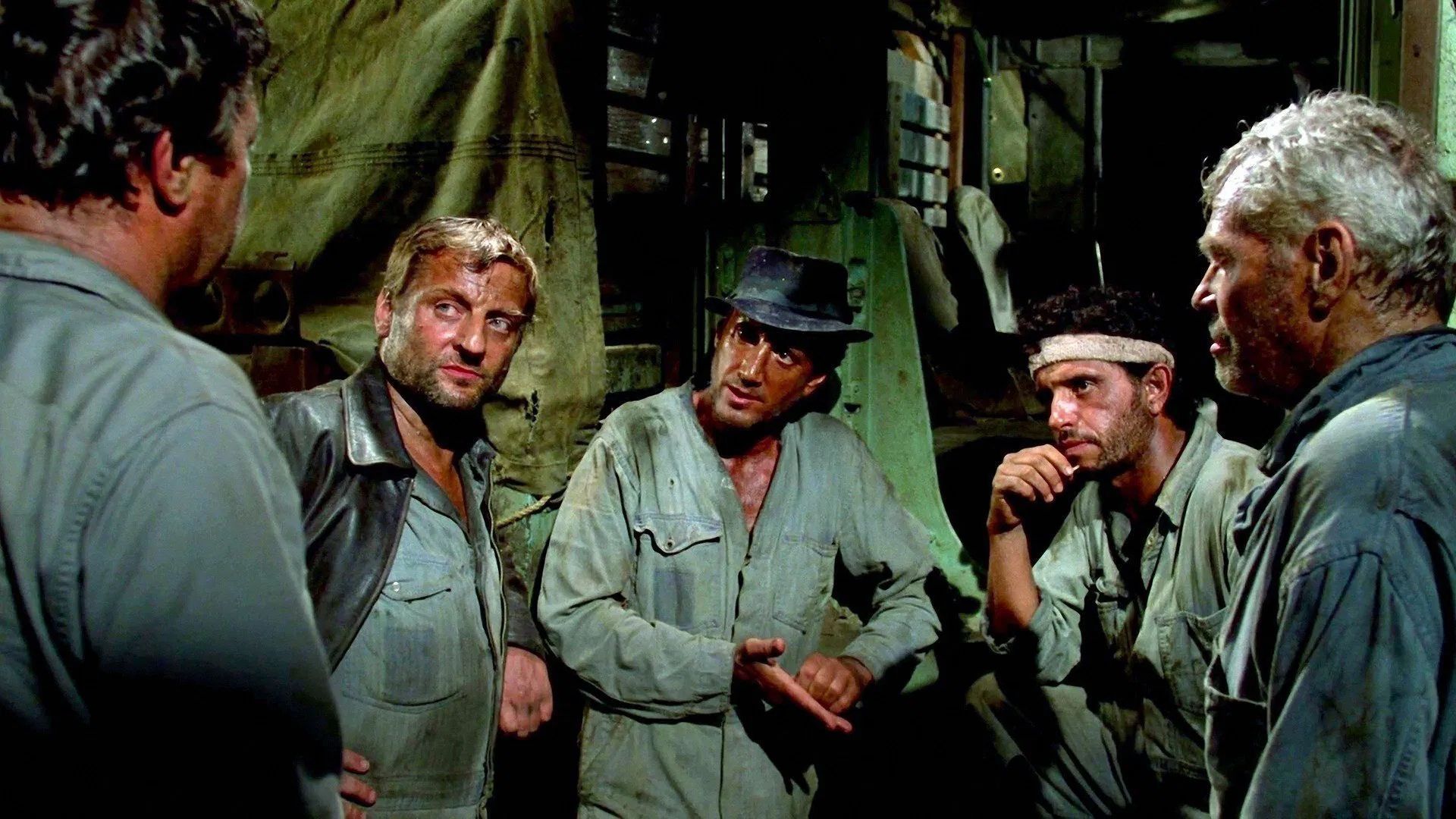
Universal Pictures/Paramount Pictures
William Friedkin’s Sorcerer is a reimagining of The Wages of Fear. The film centers on four men, each with a troubled past, who find themselves in a remote South American village. They’re given a dangerous job: transporting highly volatile nitroglycerin over incredibly difficult and risky roads. Friedkin avoids any romanticizing of the situation, instead showing the harsh reality of their struggle for survival – the dirt, the exhaustion, and the immense pressure they face.
The bridge sequence, with men carefully driving across a shaky rope bridge in heavy rain while carrying explosives, is incredibly tense and exciting. The realistic physics, the weight of the vehicles, and even the wind make you feel like everything could go wrong at any moment. While Sorcerer wasn’t successful when it was first released, being overshadowed by Star Wars, it’s now considered a classic film from the 1970s and is well worth watching again.
6
‘Mission: Impossible’ (1996)

Paramount Pictures
As a critic, I’ve always admired Brian De Palma’s smart take on Mission: Impossible. He didn’t just adapt a TV show, he launched a blockbuster franchise! The first film introduces us to Tom Cruise as Ethan Hunt, a CIA operative caught in a really nasty setup. But what struck me most wasn’t the action – though there’s plenty – it was De Palma’s focus on building tension through clever use of information and the environments themselves. He really prioritized suspense over pure spectacle, and it totally worked.
A memorable scene at CIA headquarters shows Hunt trying to steal a file undetected, and it’s all about how the building’s layout, lines of sight, and timing work together. What makes this different from a James Bond movie? De Palma focuses on how Hunt does things, not on fantastical gadgets or luck. Unlike Bond, Hunt doesn’t have endless resources. He has to think on his feet, often feels lost, and is always making adjustments. This vulnerability is what makes him a more compelling character.
5
‘To Live and Die in L.A.’ (1985)
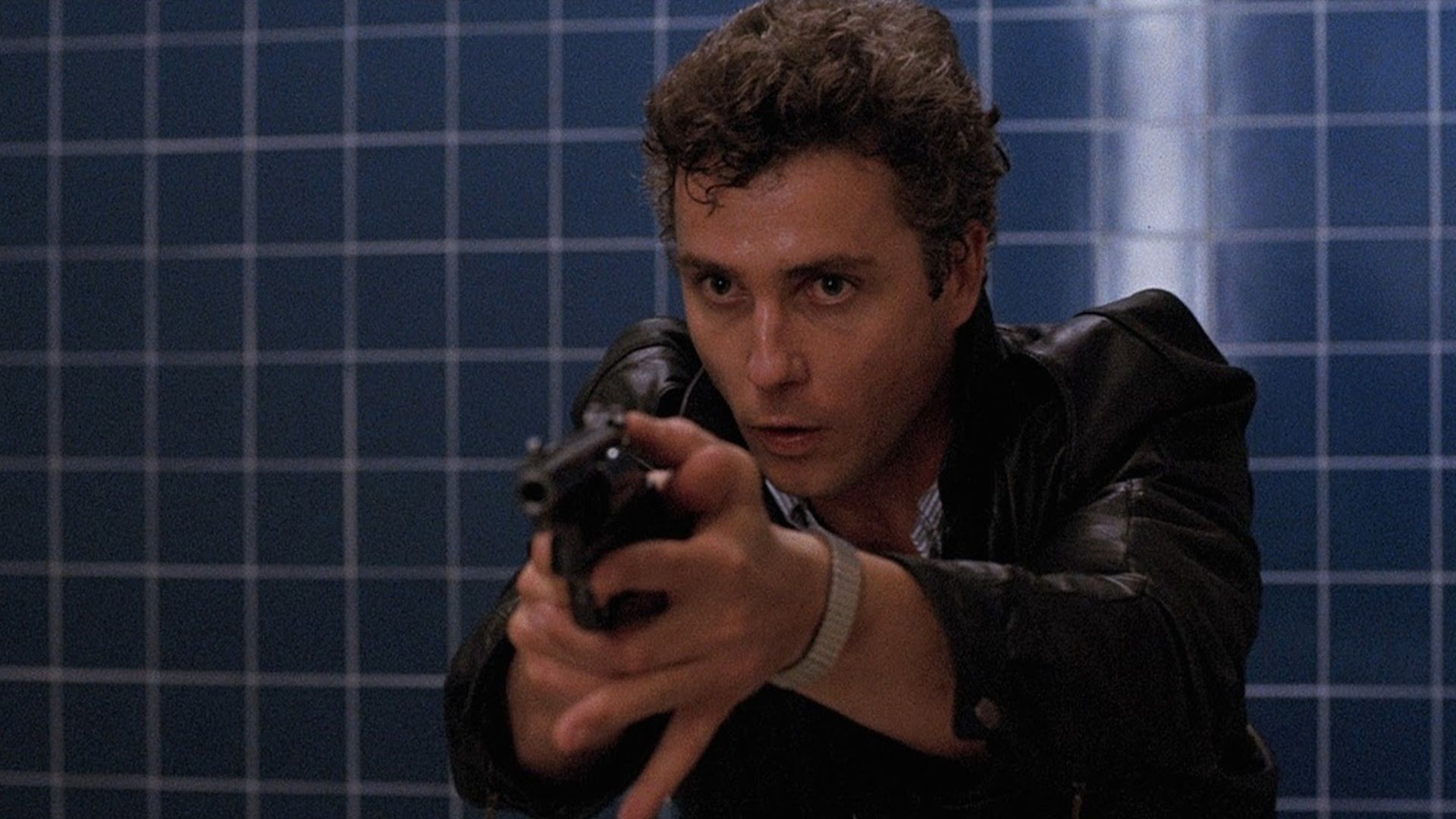
MGM
William Friedkin has done it again. After demonstrating his ability to build suspense in a survival story with Sorcerer, To Live and Die in L.A. showcases his talent for making Los Angeles itself feel like an opposing force. While the film follows undercover cop Richard Chance (played by William Petersen) as he chases a counterfeiter, the story truly serves as a vehicle for Friedkin’s unique vision of the city.
The car chase in the film is filmed so intensely and confusingly that it makes you feel lost along with the characters. The city of Los Angeles itself feels like a complicated labyrinth, and the main character, Chance, becomes increasingly desperate as he tries to navigate it. What sets this film apart is its realistic portrayal of Los Angeles as a place where things often go wrong and help isn’t guaranteed. Every character in To Live and Die in L.A. has flaws or is somehow compromised, and the conflict arises from this complex moral world – it’s different from the simple good-versus-evil storylines of James Bond films, where problems are always eventually resolved.
4
‘The French Connection’ (1971)
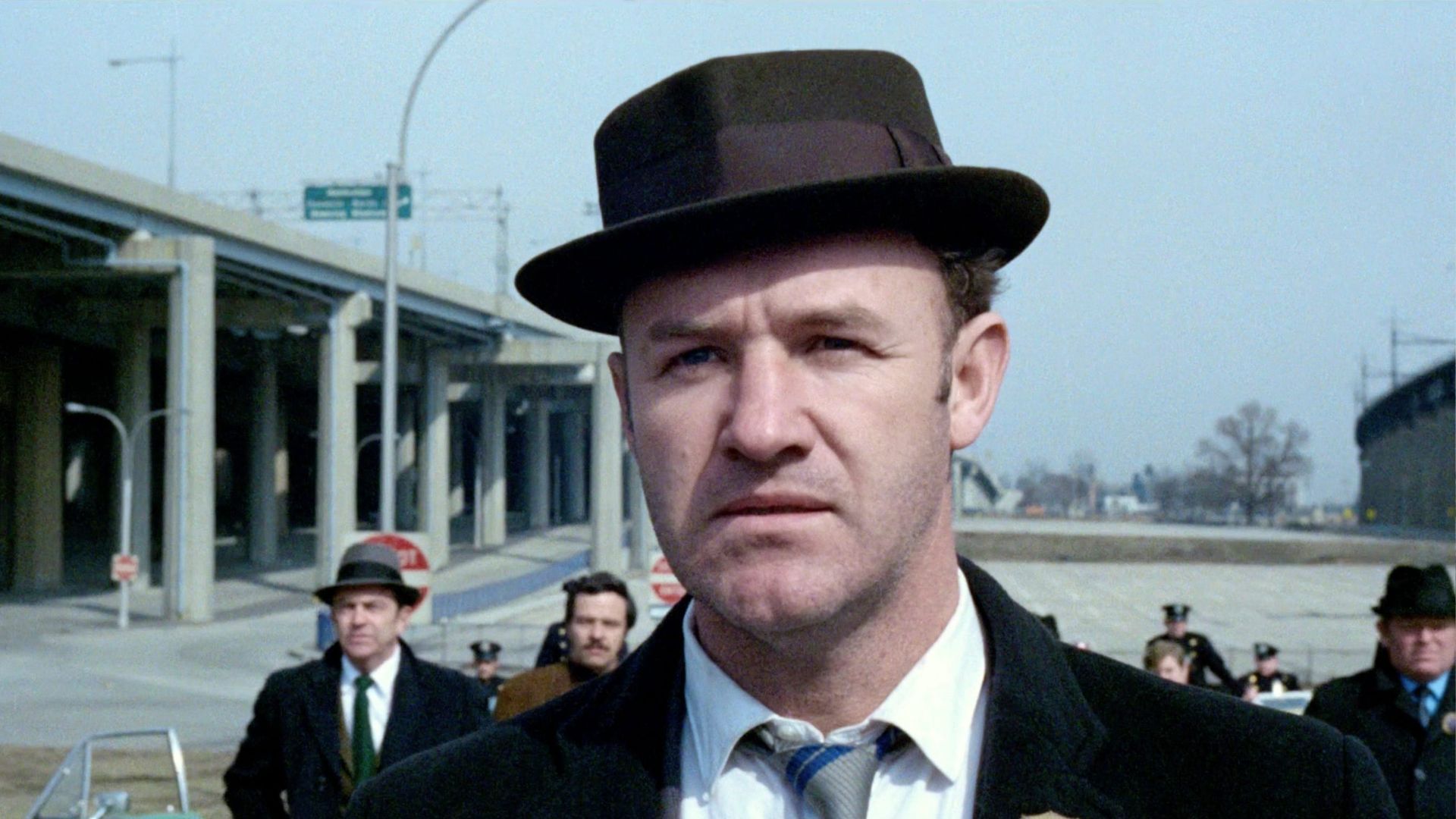
20th Century Fox
William Friedkin’s The French Connection is a gripping and realistic action thriller, far exceeding the quality of most James Bond films. Gene Hackman delivers a powerful performance as Popeye Doyle, a tough New York City police officer determined to bust a major heroin smuggling operation. The film captures the gritty energy and constant danger of the city streets. Hackman’s intense acting, combined with Roy Scheider’s more subdued role and Friedkin’s dynamic camera work, creates a truly immersive and urgent experience.
What makes The French Connection a successful action movie isn’t just the exciting scenes, but the realistic portrayal of police work. The film spends a lot of time showing surveillance, interviews, and the often-tedious paperwork involved. The action feels earned because it builds up from all that detail. For example, there’s a scene where detectives Doyle and his partner are on a stakeout and nothing much happens – and that’s perfect, because most of the time, police work is slow and uneventful, with brief moments of excitement.
3
‘The Bourne Identity’ (2002)
In The Bourne Identity, Matt Damon plays a man who wakes up in the Mediterranean Sea with complete amnesia. This disorientation is central to the film’s intense and shaky style. Because his character, Bourne, doesn’t know who to trust – not even himself – the movie maintains a constant sense of unease. Damon’s portrayal avoids the typical confident action hero trope, which felt innovative when the film came out in 2002.
The movie The Bourne Identity came out at a perfect time. People had grown tired of James Bond’s seemingly endless success and were looking for something more realistic and intense. Director Doug Liman delivered a character who was vulnerable and working in the shadows, which is much more engaging than a hero who always knows what to do. Unlike Bond, Bourne doesn’t have fancy gadgets or witty remarks to save him – just relentless drive and the constant threat of being discovered.

5 Questions
Found an error? Send it info@movieweb.com so it can be corrected.
Read More
- Scientology speedrun trend escalates as viewers map out Hollywood facility
- Where Winds Meet’s new Hexi expansion kicks off with a journey to the Jade Gate Pass in version 1.4
- Vegan nugget startup founder charged with assaulting influencer ex-girlfriend Evelyn Ha
- Makoto Kedouin’s RPG Developer Bakin sample game is now available for free
- NBA 2K26 Season 6 Rewards for MyCAREER & MyTEAM
- What Fast Mode is in Bannerlord and how to turn it on
- How to Get to the Undercoast in Esoteric Ebb
- Over Your Dead Body Ending Explained: Who Survives The Grisly Anti-Romcom (And What It’s All About)
- MrBeast lets fans from every country vote for Beast Games Season 3 contestants
- Noah Beck’s mom suspended from teaching duties after “inappropriate” TikTok with son resurfaces
2026-02-28 03:38