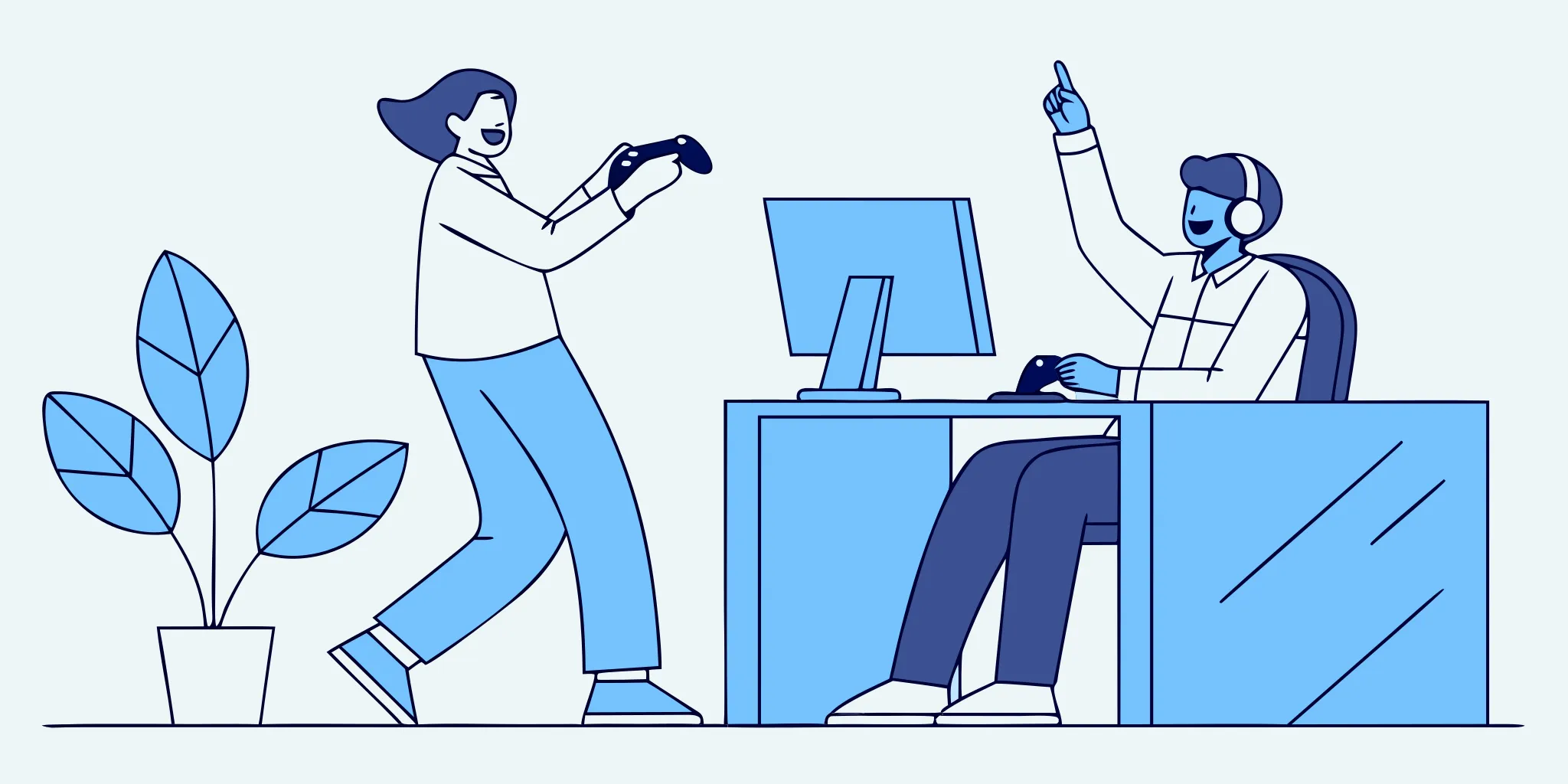
Gamers often playfully tease the teammates they like best. This kind of lighthearted trash talk actually shows you trust and connect with them, helping build a strong team spirit during a game. A funny comment about a friend’s gameplay can be just as valuable as a helpful strategy call, letting you laugh off errors and enjoy victories together. However, it’s important to remember the difference between friendly banter and hurtful comments. Successfully teasing your teammates means keeping it light, funny, and encouraging, so your jokes bring the team closer instead of driving them apart.
Key Takeaways
- Create a unique team identity through banter: Inside jokes and shared slang form a secret language that strengthens your squad’s connection and makes every game more fun.
- Roast your friends the right way: The best banter balances playful teasing with genuine support, ensuring your jokes build camaraderie instead of causing frustration.
- Use humor as a strategic advantage: A well-timed joke can break the tension in a tough match, help your team laugh off a loss, and keep everyone’s morale high for the next round.
What’s the Big Deal with Gaming Banter?
The best gaming moments aren’t always about winning or beating the game. Often, it’s the funny, unexpected things people say while playing together – a well-timed joke or silly comment that makes everyone laugh. That’s what makes gaming with others so special. It’s more than just friendly competition; it’s what builds teamwork and creates lasting memories. Whether it’s lighthearted teasing or over-the-top reactions to something unexpected, these interactions are what truly bring multiplayer games to life.
In gaming, friendly trash talk and joking around are a huge part of what brings people together. It’s how players connect, work as a team, and relieve stress. Whether it’s discussing game strategies with some humor or playfully ribbing your friends, it makes each game more enjoyable, even when you lose. This shared sense of fun and competition helps build lasting friendships and keeps players coming back for more. It’s about more than just winning – it’s about having a good time with the people you play with.
The Secret Language of Gamers
Gaming groups always end up with their own unique way of talking, and playful teasing is usually how they communicate. It’s a blend of jokes only they get, terms from the game itself, and friendly ribbing. Players use this quick, funny shorthand to talk about everything – from how to win to what just happened in the game. Remember that funny mistake your friend made? It probably became a running joke! This shared humor is what makes your group special, turning everyday communication into something fun and builds a strong connection between players.
How Humor Builds Your Squad
Friendly trash talk isn’t just fun – it’s essential for building strong teams in gaming. It turns a group of players into a real community, fostering a sense of connection while you strategize and compete. Being able to playfully tease each other shows trust and comfort, making both wins feel amazing and losses easier to take. This mix of humor and gameplay is what creates unforgettable moments and the stories you’ll share for years to come – like inside jokes and legendary gaming sessions.
How Does Gaming Slang Create Inside Jokes?
Gaming slang isn’t just a bunch of abbreviations to learn—it’s how gaming groups create their own unique language. Just like any close team, gamers develop inside jokes that only they understand. These jokes come from memorable, often hilarious, moments – big mistakes, surprising wins, and the craziness of gameplay. A quick phrase or funny comment from one of those moments can become a long-running joke that really defines how your group interacts.
What really transforms a group of gamers into a close-knit team is the unique language they develop together. It’s a collection of inside jokes and shared memories from all their games. When a single word can make a teammate laugh even during intense action, it means they’ve moved beyond just giving instructions – they’re connecting on a deeper level, built on trust and understanding. Think about how funny it is when Dave always falls for the same traps – that shared recognition is what brings a team together. This special way of communicating is what makes every gaming session feel like you’re just hanging out with your best friends, no matter where they are.
Creating Your Crew’s Shared Language
Over time, your gaming group naturally creates its own unique language and inside jokes. These develop from shared experiences – intense moments, late-night play sessions, and even hilarious failures. Remember that time a teammate led everyone into a trap? Those moments become legendary and turn into catchphrases your group uses forever. This shared language makes gaming more than just a competition; it’s about building a community and creating lasting memories and funny stories you’ll enjoy for years to come. These inside jokes are a testament to the strong bond you share.
Keeping Up with Evolving Slang
Just like the trends in a game, the way you and your friends talk to each other is always evolving. Jokes that were hilarious last week might feel old hat now, quickly replaced by new ones from your latest game session. This constant change is actually a good thing – it shows you’re still having fun together and creating new memories. This shared language of inside jokes and phrases also makes you feel like you truly belong. Being ‘in the know’ with the latest gag strengthens your connection to the group, and keeps things lively and fun as you continue to play and experience new games together.
What Does “Taking Your Mullen” Actually Mean?
What does it mean to “take your mullen”? It simply means whatever your group of friends decides it means! You won’t find this phrase in any official gaming guide because it’s the kind of unique slang that develops within close-knit groups. It usually starts with a funny accident, a misspoken word, or maybe a memorable moment involving a player named Mullen, and then it just becomes an inside joke. That’s what’s great about gaming language – it’s always evolving and created by the players themselves. It’s less about a specific definition and more about the shared experiences and history behind it.
Why Context Is Everything for Slang
It’s common to feel lost when joining a new online game and hearing unfamiliar terms. Gaming slang is constantly evolving, with meanings shifting based on the game, the community, and what’s happening in the moment. A phrase like “taking your mullen” could mean something different depending on where you hear it – maybe it’s stealing a win, or perhaps it’s a funny way to describe falling off the map. Players often develop their own unique language, so understanding the situation is crucial for communicating well. Knowing the context can be the difference between a perfect joke and an awkward pause.
The Logic Behind Gaming Nonsense
Phrases that sound completely silly, like “taking your mullen,” are actually a great way to build team spirit. The humor isn’t about making sense – it’s about having fun and connecting with each other. These kinds of inside jokes aren’t meant to be taken seriously; they help everyone relax and feel closer. When a team shares a collection of these ridiculous phrases, it creates a strong sense of belonging, like a secret code that says, “We’re in this together.” Often, these jokes come from shared experiences – a funny mistake or a memorable moment that becomes a legendary story for the team.
Why Do We Roast the Teammates We Love?
Gamers often playfully tease the people they play with the most – and those are often the same people they’d go out of their way to help. This friendly banter isn’t just for fun; it’s a way to connect with others and build friendships. During a game, a good joke can be as helpful as a smart strategy. It’s all about creating a relaxed atmosphere where you can laugh at mishaps, enjoy victories, and form connections that last beyond the game. However, it’s important to remember the difference between good-natured ribbing and hurtful comments.
The Art of the Friendly Roast
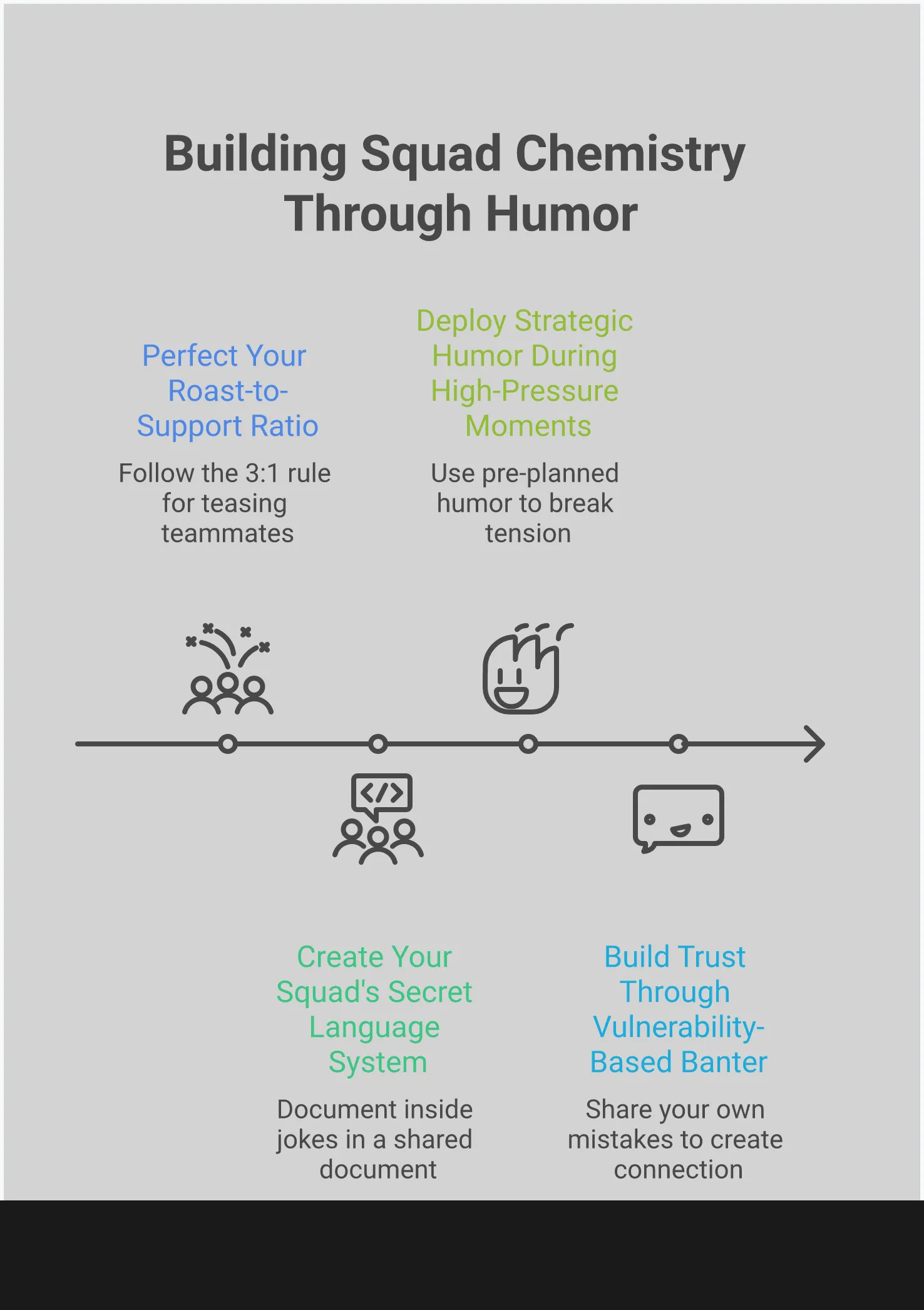
A well-delivered roast during a game is like a perfectly timed move – it’s funny but doesn’t actually upset anyone. The trick is to keep it lighthearted and focused on the gameplay. Making fun of a friend’s choices in the game or their aggressive playstyle can add to the fun. But remember, balance is key! If you tease someone for a mistake, be sure to quickly praise their next good play. This combination of playful teasing and genuine encouragement keeps the atmosphere positive and makes playing together more enjoyable.
Making Memories, One Joke at a Time
What really makes a gaming session special isn’t winning or losing – it’s the fun banter and playful teasing between friends. Those moments of shared laughter stick with you far longer than the score. Planning strategies while jokingly ribbing each other creates a more connected and enjoyable experience. It’s about building inside jokes and creating memories together, similar to how gaming communities bond over funny memes. These lighthearted interactions are what forge strong friendships and turn a regular game into a shared adventure.
How Can “Healing Them Up” Show You Care?
Despite all the playful trash talk in a gaming group, true teamwork is demonstrated through how players support each other. While it’s common to tease a friend for making a mistake, immediately rushing to help them shows real loyalty. This kind of in-game support is the real reason friendly banter works – it keeps the joking lighthearted. Things like healing, sharing items, or protecting a teammate prove that everyone is working towards the same goal.
What really turns a group of gamers into a strong team isn’t just playful banter – it’s having each other’s backs when it counts. While friendly teasing keeps things fun, it’s the reliable support in tough situations that builds real trust. When your teammates know you’ll come through with a crucial assist even after a bit of playful ribbing, those jokes become a sign of affection. It proves you can have fun and stay focused on what matters most: winning as a team. This mix of humor and helpfulness is how the best gaming friendships are created.
Showing Support Through Gameplay
As a player, I always think about how our actions after something happens are the best part. Like, if a teammate goes down, I might jokingly say, “Really? A pixel got the better of you?” But then actually reviving them? That shows I’ve got their back. It’s that mix of lighthearted ribbing and real support that makes playing with others so great. Even little things, like sharing my best gear or dropping some ammo without being asked, mean a lot. Those moments build a real connection, turning a regular match into something we all remember – a story full of funny fails and awesome teamwork. It’s all about making everyone feel comfortable enough to laugh at their own mistakes, knowing we’ll be there to help each other out.
Balancing Competition and Compassion
The best gaming experiences strike a balance between playful competition and genuine kindness. A little friendly trash talk can motivate everyone to improve and keep things fun, but helping a teammate in need is what truly keeps the team together. It’s important to follow up playful jabs with supportive actions to ensure everyone feels good. This mix of humor and compassion makes gaming more enjoyable, feeling less like a serious competition and more like hanging out with friends. Knowing when to playfully tease and when to offer support is a valuable skill that separates good players from great teammates.
How Can Humor Defuse a Tense Match?
Everyone knows that feeling – the final moments of a match, nerves are high, and the team is silent with tension. In those critical situations, a well-placed joke can be as effective as a perfect shot. Using humor isn’t just about being silly; it’s a real tactic for keeping your team’s spirits up and preventing frustration when the pressure mounts. A little laughter can ease tension, help everyone refocus, and remind you all that you’re supposed to be enjoying the game. It can turn a disappointing loss into a funny story to share later. This approach keeps your team positive and ready for the next match, instead of dwelling on the last one. A quick, lighthearted comment can completely change the mood, proving that sometimes the best move isn’t strategic, but funny. It’s about building a team that can bounce back, so one bad game doesn’t ruin the whole experience.
Laughing Off a Tough Loss
Ugh, there’s nothing worse than when everyone starts blaming each other after a loss – it just ruins everything! When my team gets wiped, it’s so easy to get frustrated. But honestly, I’ve found that cracking a joke actually makes a huge difference. Seriously, making light of how we all went down – like, if it was some totally ridiculous play – instantly lifts the mood. It turns a frustrating fail into something we can all laugh about later, and it keeps the team spirit alive. We’ll remember the time we all got blown up by one stray grenade way longer than we’ll care about our stats! It just makes the game more fun and gets everyone hyped for the next round.
Using Comedy to Manage Stress
Competitive gaming can be really stressful. The need to win and fear of making mistakes creates a lot of pressure. That’s where playful teasing and self-deprecating humor come in handy. If you mess up, a quick joke – like saying your aim went on vacation – can help you let go of frustration and show your team you can take it in stride. This kind of lightheartedness is contagious and can stop the whole team from getting discouraged. It keeps everyone communicating and reminds them that mistakes happen. Ultimately, players perform better when they’re relaxed.
Knowing When to Lighten the Mood
Knowing when to use humor is crucial. While jokes can be helpful, some moments require serious attention. The key is to understand the mood of your team – to sense when a little levity can make the biggest difference. If everyone’s frustrated after a few losses, that’s the time to try a funny comment. It can break the cycle of negativity, help everyone refocus, and even turn the game around. Being able to lighten the mood at just the right moment can be what separates a win from a loss.
How Do You Master In-Game Communication?
Effective communication in games goes beyond simply giving information. It’s about creating a positive team environment by being both funny and supportive. Great communicators can crack a joke, sense how their teammates are feeling, and quickly become serious when needed. This mix of lightheartedness and focus is what transforms a random group of players into a cohesive team that enjoys playing together, regardless of the outcome.
Teamwork is a lot like learning a new language. You need to understand the group’s unique way of communicating – their inside jokes, how and when to speak up, and the overall atmosphere. When you get it right, it creates a space where everyone feels safe to learn from errors and cheer each other on. What truly makes a great teammate is knowing when to use humor to lighten the mood and when to offer direct, helpful guidance to succeed. It’s all about finding that balance.
Perfect Your Comedic Timing
Good comedic timing isn’t limited to stand-up comedy—it’s really important even when you’re competing. A well-timed, funny comment after a friend misses a big play can be hilarious, but it’s all about how you deliver it. The best approach to playful teasing is to always follow up with a compliment. After the joke, quickly remind them what a great teammate they are. A simple “Just kidding, you’ll get the next one!” keeps things lighthearted and shows you’re teasing out of friendship, not annoyance.
How to Read the Virtual Room
Each time you play a game with others, the group has a unique feeling or energy. It’s important to pick up on this. Are people laid-back and just enjoying themselves, or are they stressed out after losing? Listen to how your teammates sound and read the chat to get a sense of the mood. If someone sounds frustrated, don’t make things worse with a joke at their expense. Instead, try offering some support. Understanding the group’s mood helps you make sure your humor is well-received and that everyone feels good about playing together as a team.
When to Drop the Jokes and Focus Up
While having fun with your team is great, successful groups know when to focus. When the pressure is on – like in the final moments of a game or during a difficult boss fight – it’s important to stop the joking and start communicating clearly and strategically. This ability to quickly shift gears and prioritize winning is what truly shows strong teamwork. Good equipment is helpful, but knowing when to get serious is what makes it all work.
What Makes Gaming Friendships So Strong?
It’s hard to describe the strong connection you feel with people you fight alongside in video games. It goes beyond simply being teammates – it’s about sharing a unique online world filled with shared experiences, funny moments, and unspoken understandings. These connections turn gaming into something truly social. There’s a special joy in perfectly executing a plan with friends, or landing a great play right after coordinating with them. It’s during these exciting and often funny moments that you build friendships that can feel just as strong – or even stronger – than those you have in person.
The key to a great gaming experience is finding the right balance between serious focus and having fun. You learn to depend on your teammates, trust their decisions, and even laugh at mistakes. Whether you’re battling through Diablo 4 or competing in Warzone, your teammates are essential – they’re the ones who share your victories and help you through tough losses. This shared experience, with all its highs and lows, builds lasting trust and friendship.
Why Shared Wins (and Losses) Matter
Each time you play with your friends, you create a new story together. Winning feels great, especially after a tough fight, but sometimes losing is even more fun to remember. That one time everyone got taken out by a lucky grenade? You’ll probably be joking about it for years! It’s the mix of funny moments and intense action that really makes gaming special. Games like Palworld often use dark humor, which is similar to how groups laugh at their mistakes. These shared experiences, whether you win or lose, are what truly bring your squad closer together.
Building Trust, One Tease at a Time
Teasing teammates isn’t about being unkind – it’s actually a way of showing you care. Lightly joking about a friend’s mistakes, like missing a shot or rushing into danger, means you’re comfortable and trust each other. The trick is to keep it fun and friendly. A good idea is to always follow up a playful jab with a compliment, reminding them of their strengths. This kind of back-and-forth shows you know each other well and can joke around without hurting feelings, ultimately making your connection stronger.
Getting Real with Your Gaming Friends
Strong gaming friendships often extend beyond the screen and into real life. Relying on each other during gameplay builds trust and creates a comfortable environment for forming genuine connections. It often starts with lighthearted fun and playful teasing within the game, leading to shared, unique experiences. Soon, conversations move beyond the game itself – you begin sharing personal stories, discussing life’s challenges, and celebrating each other’s wins. The game simply becomes a setting for friendships that are just as important as those formed in any other way.
Find Your In-Game Voice
Truly connecting with your teammates in a game goes beyond simply giving instructions. It’s about finding how your personality enhances the team and makes each match more fun and memorable. Whether you’re a serious planner, an enthusiastic supporter, or the one who always knows how to lighten the mood, your individual style brings something special to the group. When you’re yourself, you’re not just playing – you’re building relationships and creating a positive environment where everyone can perform at their best.
How you talk to your teammates during a game is a big part of what makes people enjoy playing with you. It’s the funny moments you share, the jokes that come from mistakes, and the encouragement that helps everyone learn from losses. Finding your own style of communication takes time, but the best way to start is by being genuine. You don’t need to be the most talkative person – just contribute in a way that feels natural to you. Your unique personality makes the team better and the game more enjoyable for everyone.
Develop Your Unique Banter Style
The way you playfully tease and joke around while gaming says a lot about who you are. Do you crack quick, funny one-liners when someone makes a mistake? Or do you prefer dry, sarcastic humor? Maybe you’re the one who always cheers everyone on. There’s no single ‘right’ way to do it – the best playful interactions happen naturally during gameplay, like when you’re planning strategy or discussing equipment. Focus on what you find funny and comfortable. Your own unique style will make every game more enjoyable and create lasting memories for you and your teammates.
Keep it Funny, Keep it Kind
It’s easy to cross the line from playful teasing to being genuinely hurtful, but strong teammates understand the difference. The point of good-natured ribbing is to make everyone laugh, not to bring them down. Gently poking fun at a friend’s mistake is funny, but criticizing their abilities is not. A helpful tip is to always follow up a playful jab with a compliment – remind them of something they did well, or simply reaffirm your friendship. This keeps the atmosphere light and ensures everyone knows it’s all in good fun. If a joke falls flat, just apologize and change the subject. Ultimately, the best teams, like the ones you see celebrated online, are built on a foundation of respect.
Speak Up with Confidence in Chat
Okay, so I used to be super hesitant to use voice chat, but honestly, it’s made a huge difference in how much fun I have playing with others. You don’t need to be a comedian or anything! I started by just saying simple things like “good shot!” or pointing out something funny that happened in the game. It’s amazing how quickly that breaks the ice. Even a little bit of humor makes the whole team vibe way better, and we actually connect as people, not just players. The more I talk, the more comfortable I get, and now I’m actually part of the conversation, laughing with everyone and helping us win. Seriously, give it a try – it’s worth it!
Related Articles
- Deus Ex LFG: Connect with Other Augs in LFG Feature on Z League App
Frequently Asked Questions
Okay, so as a gamer, I’ve definitely seen both sides of trash talk. Honestly, the big difference between good-natured ribbing and actually being toxic comes down to why you’re saying something and who you’re saying it to. When it’s all in good fun with people you respect, it’s like an inside joke – it brings you closer. But if your comments are meant to genuinely hurt someone’s feelings, get personal, or just make them feel bad and shut down, that’s when it crosses the line. It’s not playful anymore, and it’s just hurtful.
Joining a new gaming group can be fun, but it’s natural to worry about fitting in! The best way to start joining the conversation is to simply listen for a while. Pay attention to how everyone interacts, what they find funny, and any jokes or references they share. Don’t feel pressured to immediately jump in – just react to things they say with a laugh or a quick, positive comment. As you get more comfortable, you can start adding your own thoughts, like a funny observation about the game or a lighthearted joke about yourself. This shows you’re engaged and having fun without trying too hard to impress anyone.
It’s normal for jokes to sometimes not land or even offend someone. If that happens, the best approach is to quickly apologize and change the subject. A simple “Sorry about that” is often enough. The most important thing is to show your teammates you respect their feelings and prioritize a positive team environment over getting a laugh.
Yes, your team can absolutely still be successful even if you’re not a particularly playful group. The key is clear and effective communication, not necessarily being funny. If your team prefers direct, focused communication and a more serious approach, that’s perfectly fine and can be very effective. Every team is different, and what matters most is that you communicate in a way that helps you work together and have fun, however that looks.
As a gamer, I’ve definitely noticed how important a little bit of joking around can be! It’s not just about having fun, though. When things get stressful – like after a bad play or a tough loss – a quick joke can really help keep everyone calm and prevent us from getting frustrated. If we can laugh it off, we stay positive, talk to each other better, and are way more likely to bounce back and win. It’s like it builds our mental toughness, turning a frustrating moment into a chance to regroup and try again as a team.
Read More
- Scientology speedrun trend escalates as viewers map out Hollywood facility
- Where Winds Meet’s new Hexi expansion kicks off with a journey to the Jade Gate Pass in version 1.4
- Vegan nugget startup founder charged with assaulting influencer ex-girlfriend Evelyn Ha
- NBA 2K26 Season 6 Rewards for MyCAREER & MyTEAM
- Makoto Kedouin’s RPG Developer Bakin sample game is now available for free
- What Fast Mode is in Bannerlord and how to turn it on
- How to Get to the Undercoast in Esoteric Ebb
- Over Your Dead Body Ending Explained: Who Survives The Grisly Anti-Romcom (And What It’s All About)
- MrBeast lets fans from every country vote for Beast Games Season 3 contestants
- All Golden Ball Locations in Yakuza Kiwami 3 & Dark Ties
2026-02-27 16:50