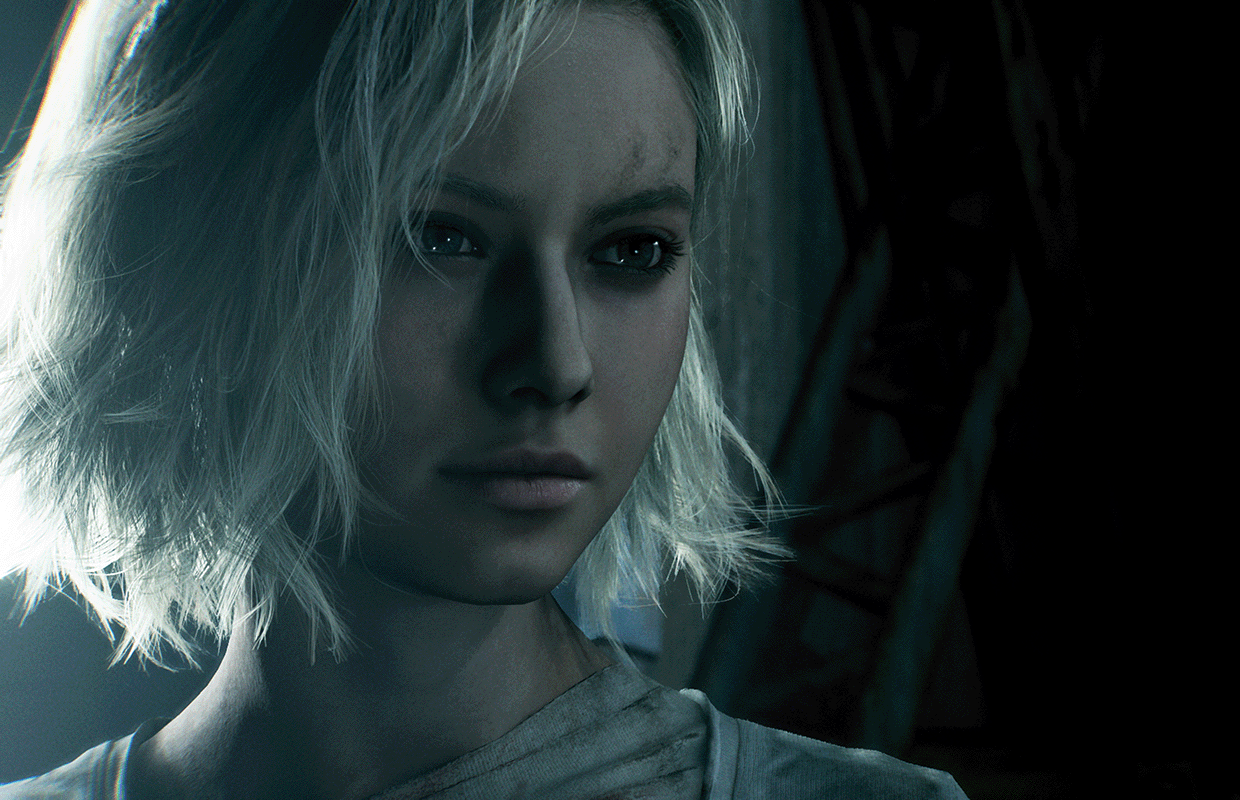
The Resident Evil Requiem main menu has a phrase – “face the past” – that appears when you select the Main Story, and it really resonated with me. It feels like video games have been constantly revisiting their history throughout the 2020s, especially with remakes becoming a yearly tradition. Resident Evil has consistently delivered strong remakes using the RE Engine, and it’s clear this series frequently acknowledges and builds upon its own legacy.
The recent Resident Evil games show a clear trend: Capcom is skillfully blending nostalgia with innovation. Resident Evil 7: Biohazard successfully rebooted the series by returning to the survival horror roots of the original game, after the more action-focused Resident Evil 6. This was followed by impressive remakes of Resident Evil 2 and 3, and then Village, which leaned into fantasy horror while building on the legacy of Resident Evil 4. The recent remake of Resident Evil 4 itself further demonstrated this approach, reimagining a classic for a new generation. Looking at these games together, it’s obvious Capcom is exploring how to revitalize established concepts. While all the games are strong, the mainline entries are where Capcom really tries to define the future of Resident Evil. Village ended by hinting at bold new directions, and with the announcement of Requiem, I’m excited to see if it delivers on that potential.
Requiem is a game that really makes you think, and I’m already playing through it a second time. These types of games are designed to be replayed, whether you’re trying to perfect your strategy or discover hidden content. I always aim to find everything the game has to offer, but even after 18 hours of playing, I don’t feel like I fully understand all of its intricacies. What I do know is that I was completely hooked over the weekend. There’s nothing I enjoy more than tackling the complex challenges a Resident Evil game presents. Ultimately, Requiem is a really captivating and engaging experience.
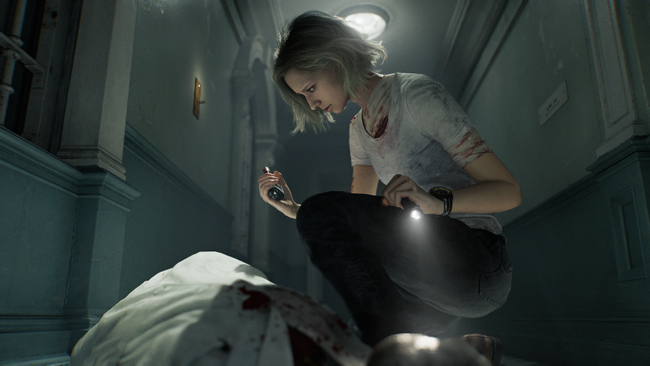
Resident Evil: Requiem attempts to blend the styles of both the remake games (like Resident Evil 2, 3, and 4) and the first-person immersive horror of Resident Evil 7 and 8. The game is divided into two main storylines, frequently switching between them. Players experience the story through Grace Ashcroft, who is trapped and pursued within the Rhodes Hill Care Center, while also following Leon Kennedy as he investigates a series of deaths among survivors of Raccoon City.
The game lets you switch between playing in first-person or third-person with either character. However, it’s designed so that first-person feels best for Grace and third-person for Leon. I recommend playing it that way at first, but it’s great that the game offers both options. I’m even thinking of doing a special playthrough where I switch the perspectives – playing Grace in third-person and Leon in first-person. Playing as Leon in first-person would be incredibly difficult, especially since he often faces enemies from all directions, but I’m up for the challenge!
I’m really into how they made Grace as a character. She’s not some action hero; she’s understandably scared and quiet because of things that happened to her, and she’s not used to all this danger. That’s why most of the time, I’m the one carefully sneaking through the Care Center – it’s all about trying to survive with almost nothing! This section of the game feels like classic, tense Resident Evil, where you’re solving puzzles and holding your breath. And forget having a ton of weapons! You’re mostly stuck with a couple of pistols, some knives you have to make, and maybe a powerful magnum for when things get really desperate.
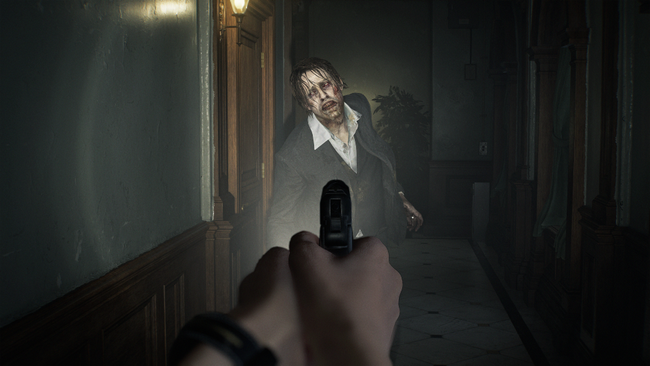
To celebrate its 30th anniversary, the latest installment in the series is bringing back zombies – but these aren’t your typical undead. Created through experiments at the Care Center, these zombies retain fragments of their former lives, endlessly and sadly rambling about their old jobs. This creates a uniquely unsettling and touching atmosphere, and offers a lot of interesting gameplay possibilities. Having played Resident Evil 2 Remake, I’m used to a fast-paced, action-oriented style, and I tend to keep moving and make quick decisions throughout the game.
I’m facing a tricky situation: three zombies are at the top of the stairs I’m on. I’ve got a good amount of health, but I’m low on ammo – just two bullets and one health item. I need to get upstairs, and I think I can make it with one hit, potentially without using any bullets. Alternatively, I could try to take one zombie out with a headshot and knock it into the others to create an opening, but that would require perfect timing. A missed shot could be disastrous. It might be worth the risk though, as there could be valuable resources or a key item upstairs, or even a shortcut. I enjoy these kinds of gambles – playing dangerously and seeing how far I can push my luck, sometimes using stealth. To make things even more unpredictable, each area has a unique enemy that can randomly appear and disrupt your plans if you cross paths.
During my second time playing, I decided to focus on stealth, and it completely changed how I experienced the game. It seems like you can avoid almost every enemy if you’re careful and strategic. The first area is haunted by a zombie chef, and when I first met him, I intentionally drew his attention with a gunshot so I could run past. He wasn’t thrilled, but the distraction worked! It’s a gamble, but it paid off. If you prefer a safer approach, you can patiently wait for the chef to turn away and slowly move a blood-covered cart that’s blocking your exit. It’s nerve-wracking, carefully pushing the cart and backing away whenever he looks back for more blood, but it gets the job done.
Blood plays a key role in crafting for Grace. You collect it from fallen enemies and use it to create powerful items and boost her abilities. However, collecting blood isn’t without risk. You’re exposed while gathering it, and you can only carry a limited amount. Taking the time to collect and safely return with it can be challenging, but I personally found the benefits worth the effort – though I do enjoy a tough challenge!
Things get even more interesting because dead zombies will eventually transform into tougher, mutated Blister Heads as you play. It’s similar to the Crimson Heads from the original Resident Evil remake. Quickly killing a zombie to clear a path might seem helpful, but if you revisit that area, you’ll find it’s come back stronger. And if you do kill it again, its head will explode, potentially turning nearby zombies into Blister Heads too. You can craft an item to stop this from happening, but you’ll need to use it quickly and strategically. It adds to the intense pressure of dealing with all these threats during your first playthrough, and it’s incredibly satisfying.
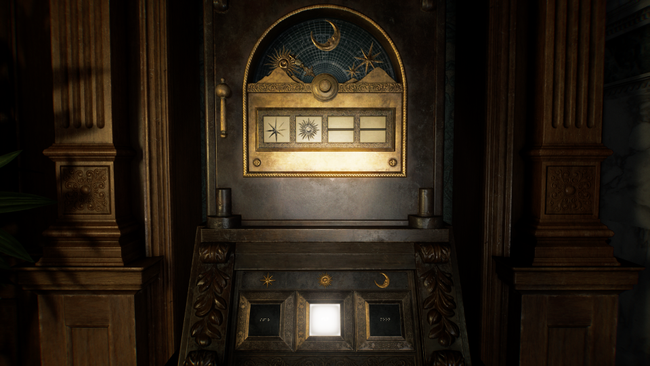
The Care Center’s design, catering to both classic and modern Resident Evil players, is really clever. The game focuses on you solving puzzles to move forward, and it doesn’t overly guide you on how to do it. You’re left to rely on your own intuition to find necessary items and figure out how to achieve your goals. It shouldn’t be significantly more or less challenging for veteran players, but the blend of elements from different eras of the series creates a really engaging experience that I expect will be well-received.
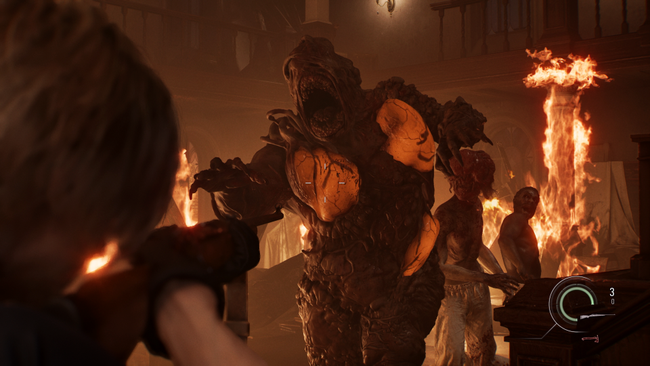
Leon’s part of the game feels like a direct continuation of the Resident Evil 4 remake’s style. You don’t have to worry much about saving ammo or supplies; the focus is on intense combat and taking down waves of zombies. You’ll get better weapons and equipment as you play, and you’re rewarded for killing lots of enemies. This is the kind of action-packed, horror experience I really enjoy in Resident Evil. It provides a welcome change of pace after Grace’s section and is just as captivating to play through.
The game features satisfying, situation-based finishing moves, a humorous inner monologue from the main character (like when he jokes about fighting zombies being his workout), and quick, precise defensive maneuvers. It’s a fast-paced experience where you’re constantly in motion, defeating enemies, and trying to get better. Tension builds by throwing waves of enemies at you, forcing you to think quickly under pressure. You’ll need to manage your resources like ammo and health, but the game generally provides enough to overcome challenges if you play strategically.
Requiem effectively explores its central theme of confronting the past through its main character, Grace. She’s deeply affected by witnessing her mother’s murder and struggles with anxiety, rarely venturing outside of work and home. This makes the sudden zombie outbreak particularly overwhelming for her. Throughout the game, Grace has the opportunity to deal with her trauma and attempt to right past wrongs, feeling she failed her mother. She’s very self-critical, and watching her growth and resolution is genuinely rewarding.
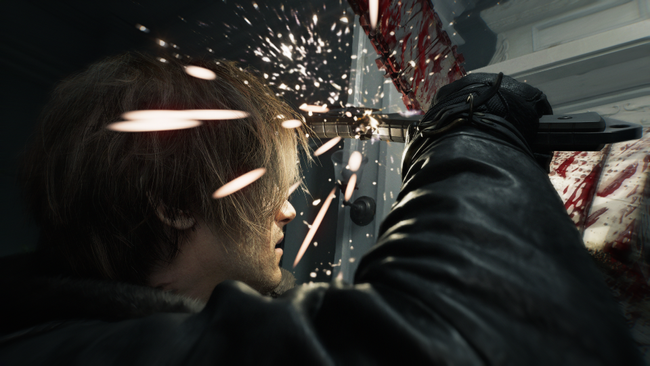
Leon, known for his witty remarks and bravery, has brief but powerful moments where he confronts the traumatic events of Raccoon City. These introspective scenes build on the established storyline, hinting at the deep impact Resident Evil 2 had on him. As a fan favorite, it’s compelling to see him shed his tough exterior and be vulnerable. With time slipping away, he’s grappling with past regrets, and while revisiting these painful memories is difficult, his strong will keeps him moving forward.
I actually enjoy how the writing weaves in details from older games to tie into current events – it’s something I anticipate in a Resident Evil story. I love the series’ intricate backstory and have no problem with how it’s used here. However, I think Requiem relies too heavily on nostalgia in its visuals and symbols, especially after the recent remakes which have already brought the series’ history to life so vividly. The nostalgic imagery doesn’t quite land as strongly because of those remakes.
While I generally love the gameplay in both campaigns, I wish Resident Evil: Requiem hadn’t relied so heavily on familiar tropes during crucial parts of the story. The game truly shines when it builds upon established ideas in fresh and exciting ways – exactly what you’d expect from a series honoring its history. However, there were moments where it simply rehashed old concepts, which was disappointing. It’s not that the ending was entirely uninspired, but these instances of predictable fanservice hindered the game’s potential for innovation and were noticeable enough to be frustrating.
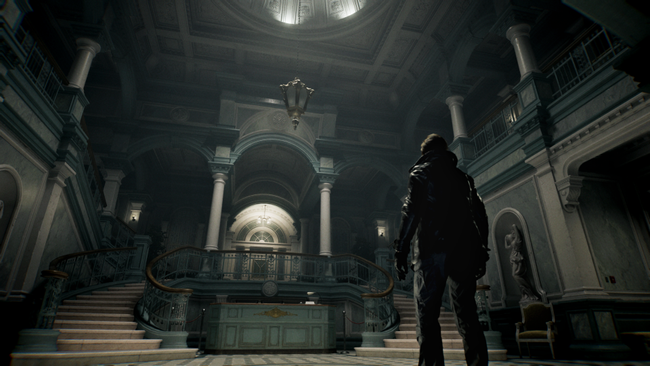
I don’t think all fan service is bad, and actually, I loved the latter part of the game the most. It cleverly hints at familiar elements while introducing fresh gameplay and allowing for open-ended exploration. There’s one sequence in particular that’s incredibly original and enjoyable – I think it will be a standout moment for many players. I was completely hooked and would love to revisit that area if a Mercenaries mode is added in a future update. There’s even a fanservice encounter that’s so over-the-top, it’s impossible not to appreciate it. If the game consistently approached fanservice with this level of playful creativity, I wouldn’t have any complaints. The problem is, these moments fall flat when the game feels insincere.
When enjoying a Resident Evil game, it’s best to remember these aren’t meant to be masterpieces. The series is known for its over-the-top action and occasional clumsy moments throughout its history. However, that doesn’t stop Resident Evil from having meaningful things to say. The combination of sharp social observations and cheesy horror is a big reason why fans love it, and this game delivers on that front. What really hurts a Resident Evil story, though, is if it fails to surprise me, make me care about the characters, or simply entertain me. While I generally enjoyed Requiem, its ending felt predictable and lost some of its potential. Overall, it’s a good game, but certain parts could have been better.
As a longtime fan of the series, playing Resident Evil: Requiem made me think about what I enjoy so much about these games. This isn’t meant as criticism – in fact, I found a lot to like. It’s a really engaging game with some truly great moments, alongside a few that didn’t quite hit the mark. It’s just a fun experience that has stuck with me, and I’m already planning another playthrough this weekend. Requiem successfully blends the two different gameplay styles that have become hallmarks of recent Resident Evil games, even if they don’t perfectly fit together. It feels like two games in one, connected by the main character, and I think that experiment works wonderfully. I don’t mind a little lack of consistency when I’m having this much fun – it’s like getting two desserts and enjoying both!
It wasn’t until after I played it that I realized Resident Evil: Requiem was meant to celebrate the series’ 30th anniversary. Knowing that makes the game’s reliance on nostalgia a little more forgivable, though I still would have liked to see it take more risks. I’m interested to see if this attempt to acknowledge the series’ history will feel meaningful over time. If this is Resident Evil signaling to its fans that it’s ready to leave Raccoon City behind, it’s a good way to do it. But if Capcom quickly remakes another older game, it would undermine the significance of Requiem. I’m hoping Resident Evil will explore some fresh and exciting directions, and I hope Capcom feels the same way.
Read More
- Netflix’s Little House On The Prairie Reboot: Release Date, Cast & Everything We Know
- Off Campus Season 1 Soundtrack Guide
- Silver Rate Forecast
- Prime Video’s New R-Rated Spy Thriller Is Officially No.1 On Streaming Despite Poor Reviews
- Gold Rate Forecast
- Brent Oil Forecast
- EUR ZAR PREDICTION
- Amazon Primes new GenAI cartoon looks like K-Pop Demon Hunters with aliens
- Inkford Hermitage Chest Locations In HSR (Honkai: Star Rail)
- KPop Demon Hunters Meets Avatar: The Last Airbender In Netflix’s 3-Part Fantasy Series
2026-02-26 09:29