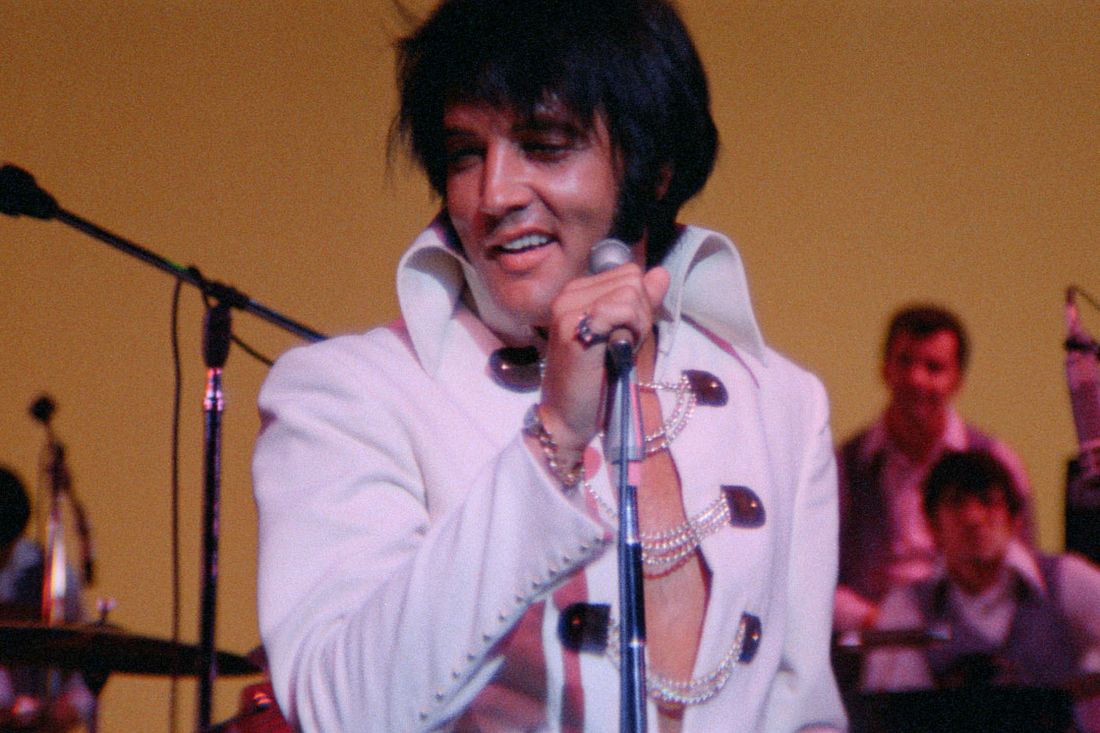
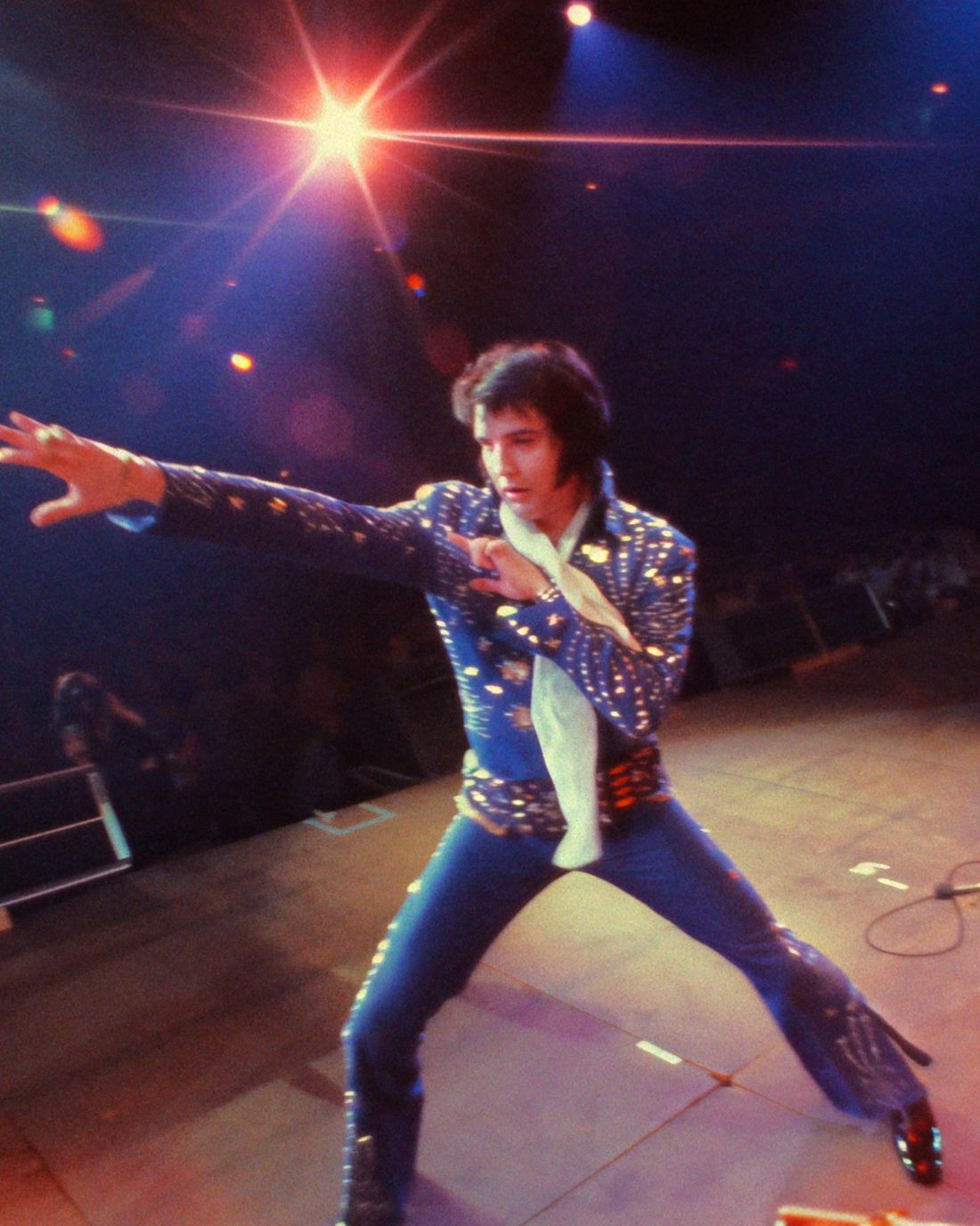
As a huge fan of cinema and, of course, Elvis, I’m incredibly excited about Baz Luhrmann‘s new concert documentary, EPiC. If you loved his 2022 Elvis film with Austin Butler – which, let’s be honest, was amazing and earned a ton of Oscar nods – this is a completely different experience. Forget Tom Hanks’ portrayal of Colonel Parker; this is all about Elvis himself. While making the biopic, Luhrmann stumbled upon this incredible, almost legendary footage from Elvis’s 1971 Las Vegas residency. It had been locked away in a Kansas City salt mine for decades! They found a whopping 59 hours of film from ten concerts, plus some really intimate, new interviews where Elvis actually opens up – something he didn’t often do outside of formal press events. Luhrmann calls it a ‘tone poem,’ and it feels like that. It’s not just watching a concert; it’s like being there, but even better, because you get to hear Elvis tell his own story. You really feel like you’re experiencing the energy of songs like ‘Burning Love’ and ‘Always on My Mind’ as if you were in the audience at the International Hotel. He really wants this to feel like a live concert – he’s even said it’s a show where you can make as much noise as you want!
I was chatting with Baz Luhrmann right after the figure skating finals at the 2026 Winter Olympics, and it was amazing how many skaters used music from Moulin Rouge! He actually laughed about how often his work ends up in figure skating, saying it makes sense because it’s all about dramatic storytelling, and he loves it! He’s just released EPiC in IMAX – it’s coming to regular theaters on February 27th – and it’s got that same high-energy feel as his other films. He was even joking that he might ditch his planned Joan of Arc movie and just keep making documentaries! He said it’s because you skip all the stress of writing a script, getting the right actors, and actually filming everything.
Watching Elvis at his peak was incredibly exciting. If recreating that feeling was the goal, then mission accomplished. I often think about Elvis saying he wanted to tour England and Japan, but his manager, the Colonel, prevented it. It felt like he was constantly hitting a barrier and never got to travel the world. We aimed to create the global tour he always deserved, and I wanted to deliver a truly energetic rock show. If the audience feels like they’re really at an Elvis concert, I consider that a success.
A few years ago, you described your editing style as intentionally challenging the audience, making them actively engage with the film. How much did you try to maintain that approach with this concert documentary? Did your vision as a director evolve at all?
It definitely changed. This project was different because I didn’t write the script, film the footage, or choose the performers. Everything was already established with Elvis as the central figure. We actually stumbled upon the material. It was a huge search – like something out of Raiders of the Lost Ark – and we found 65 canisters of film negatives, but no audio. Then we spent two years tracking down the sound, restoring it, and securing the rights to all the music. Some tracks were easy to get, but others meant dealing with difficult people to reclaim recordings that had ended up on the black market. Once we had everything, the real challenge began: figuring out what to do with it all.
The film’s concept originated when we discovered thirty minutes of raw, candid conversation with Elvis. This project differed from my previous work because I stopped worrying about how to connect Elvis’s story with the audience. Instead, I realized the film should let Elvis speak for himself – something no one had really done before. Throughout his life, others controlled his image and told his story. If he was going to tell it, we needed to follow his lead. That doesn’t mean it’s without style; we used dynamic editing and worked closely with our music team to create a concert-like feel, incorporating elements that feel dreamlike. It’s not a traditional documentary or concert film—it’s something entirely new.
The film really centers around Elvis’s own perspective, and the archival footage reveals a surprisingly thoughtful side to him. He often reflected on the contrast between his public persona and who he truly was. When I first reviewed all the material, I was struck by his sense of humor—a playful goofiness I hadn’t expected. My research, and especially conversations with Sam Bell, a childhood friend who offered a grounded, honest view of Elvis, helped me understand this better. Sam shared that the Presley family lived in a poor, white house within a predominantly Black neighborhood in Tupelo. Elvis carried a deep sense of insecurity, almost a hole in his heart, yet he transformed into this iconic, almost mythical figure with an incredible voice. He used humor constantly—to disarm people, both the audience and those around him—so they could connect with the person, not just the legend. The contrast between the ‘man and the myth’ was a central theme in his life, and his constant goofiness was a real surprise and a key part of that.
This performer is just wonderfully weird. There’s this one moment in the film where he’s practically making out with a microphone, then turns to the audience and jokes about it feeling like Bob Dylan is lodged in his throat. And then, completely out of nowhere, he’ll launch into this epic, soaring ballad, but with these incredibly cheeky lines – like saying he’d happily get down on his knees if his suit wasn’t so restrictive, and then…well, let’s just say he threatens to shove it up someone’s nose! It’s all so uninhibited and playful. It reminded me of a story Cissy Houston, Whitney’s mom, told about meeting Elvis when she was a little girl with the Sweet Inspirations. She said when Elvis walked into a room, people didn’t greet him, they just stared. That’s how incredibly famous he was. It takes a lot to break through that wall of fame and actually connect with the person underneath. Elvis was a master at using humor to remind everyone, ‘Hey, I’m just a regular guy too, you know?’
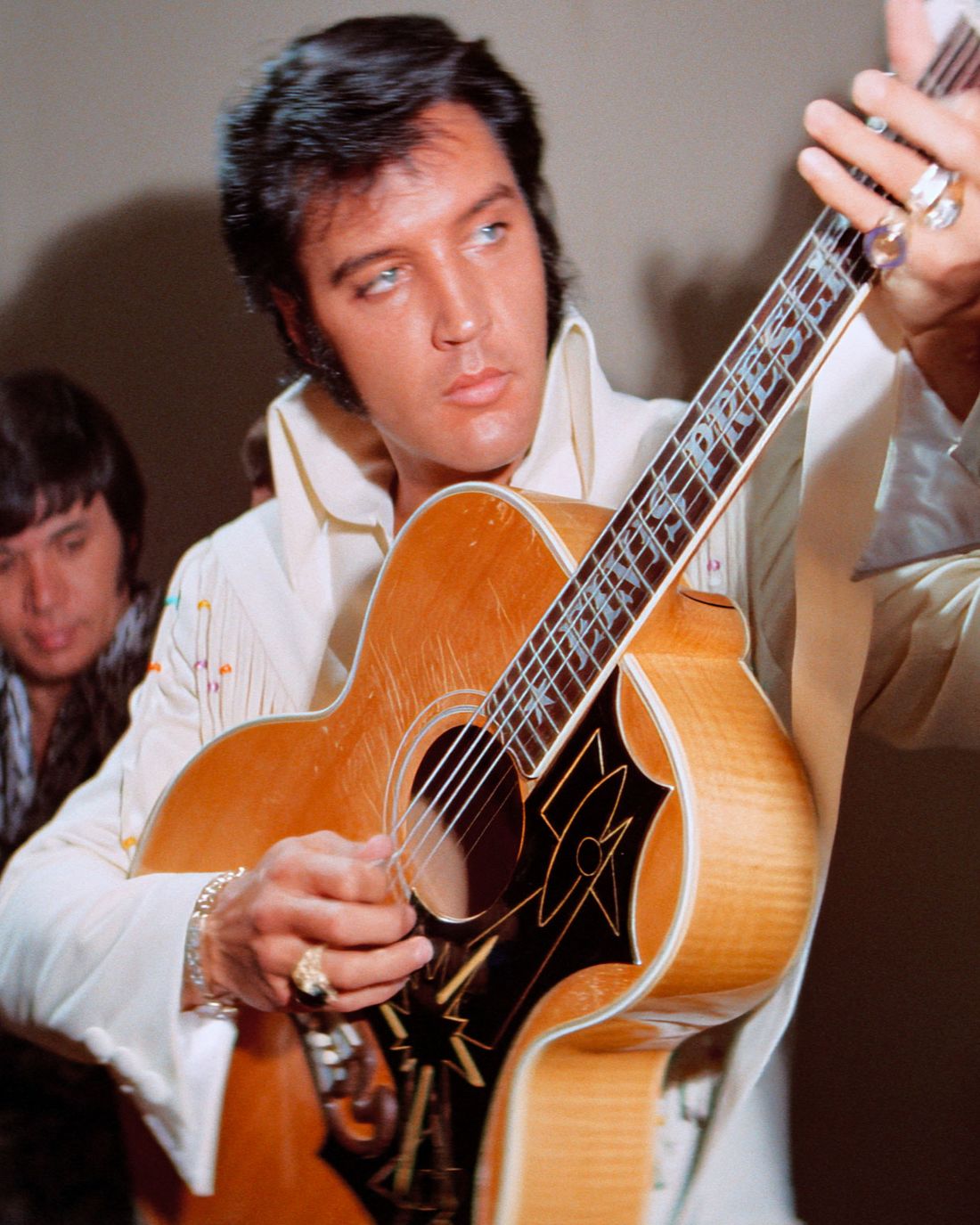
As a huge concert film fan, I was really curious if any past films influenced the director’s approach. I wondered if legends like Martin Scorsese or Jonathan Demme played a part, but the answer was pretty interesting! They mentioned loving Stop Making Sense and The Last Waltz, but didn’t really draw direct inspiration from those. Instead, Peter Jackson’s The Beatles: Get Back seemed to be the gold standard – it really captures the messy, collaborative creative process, like seeing John Lennon improvise at the piano and ask Paul and George for input. They also brought up Jean-Luc Godard’s film with the Rolling Stones, Sympathy for the Devil, noting how it felt like being a fly on the wall, picking up on all these amazing, spontaneous moments. It made them realize how fascinating it is to just see bands being creative and figuring things out as they go.
Elvis faced a unique challenge because he didn’t have a band to support him, which made things much harder. Bands often thrive because the members have each other. Elvis was on his own. It reminds me of the film Listen to Me Marlon, which used recordings of Brando simply speaking his mind. Leonardo DiCaprio and I both admire Brando greatly. He almost appeared in my Romeo + Juliet movie, and I still cherish the letters he wrote me. When you hear him talk so openly about his feelings, you feel a real connection and gain a deeper understanding of him as a person – it’s like he’s sharing his story directly with you.
Elvis clearly admired the Beatles and other musicians of his time, even covering their songs in rehearsals and shows. He played “Yesterday” and “Something” by the Beatles, and incorporated “Get Back” into his Vegas performances, even commenting on the suggestive nature of the lyrics. Paul McCartney shared with Austin Butler, before filming the Elvis movie, that meeting Elvis was a memorable experience – the Beatles were young and a little high when they visited him in Los Angeles, and were struck by his good looks. McCartney fondly recalled jamming with Elvis. Bob Dylan also expressed how honored he was when Elvis covered one of his songs. It’s clear Elvis had a huge influence on many artists. Much of what’s been said about Elvis being jealous of the Beatles is likely untrue, stemming from a later period in his life when he struggled with substance abuse. The film shows he readily covered songs by artists like Bob Dylan and Simon & Garfunkel, demonstrating he appreciated good music regardless of the source and always sought out great material to perform.
I was really interested in the “Polk Salad Annie” scene, which jumps between Vegas performances, rehearsals, and a family photo. Elvis improvises a line about his family’s simple diet, hinting at his humble beginnings. I’d like to understand the editing choices behind that sequence and how it reveals the person behind the Elvis legend.
That scene really defines the film, and my editor, Jonathan Redmond, created it early in the process – it’s brilliantly done. The rehearsal footage runs at a different speed than the final performance, and we wanted to show Elvis discovering the song. It’s unusual, but he brings the same energy to both rehearsals and the stage. If Elvis were telling his life story, the songs would be how he’d do it. He wasn’t one for long explanations, but his song choices reveal what was in his heart. Look at a song like “Polk Salad Annie” – it’s a playful song about life in Louisiana, mentioning things like alligators and a girl who’s “razor-blade clean.” The “polk salad” they sing about is basically swamp greens – the cheapest food you could find. Eating polk salad meant you were really poor, which the Presleys were, but Sam Bell, who I spoke with earlier, told me they managed to grow a good vegetable garden even in those tough times. That’s the important part.
There are moments, like when Elvis first performed “Burning Love” during his Las Vegas shows, where he confidently stated, “If you don’t know it, you will.” And it’s true – the song became a huge hit! Interestingly, Elvis wasn’t initially a fan of the song and was actually nervous about performing it. He even had the lyrics in front of him onstage because he worried about forgetting them. The film shows the band watching him closely, unsure of what he’d do, since he never shared the setlist beforehand. He preferred to be spontaneous, changing things up and keeping everyone on their toes – he didn’t even rehearse his moves. He famously said he just did what he felt. We also highlight the grueling pace of his touring schedule – fifteen cities in fifteen days, often performing three shows a day. This relentless schedule, driven by his Colonel, really took a toll on him. He had hoped to tour internationally, but was instead stuck repeating the Vegas show due to the Colonel’s decisions, which were often tied to gambling debts and deals.
We often say that when editing, you have to remove your favorite shots to focus on the overall story. It’s surprising how much better the final product becomes when you let go of things you love, so you tend to forget what was cut. There’s a lot of footage of Elvis joking around in cars and during rehearsals, which was fun, but didn’t move the story forward. I’m going to ask Jonathan how many musical numbers we ultimately removed – it might cause a stir, as people will want to see everything! I’m certain we cut around two or three songs. It was important to be concise; you can’t indulge just for the sake of it.
https://youtube.com/watch?v=watch?v=2s_dCvUgOBI
I understood that reaction – I remember leaving the theater wanting more, and that’s a good thing, even though the editing made it concise. The key now is getting enough people to see it in theaters to justify making more. Restoring and presenting this footage in IMAX quality is incredibly expensive, and I personally funded this project. Thankfully, we’re on track to cover our costs, which opens up possibilities for a lasting legacy of Elvis. We had to scan all the original film immediately because it was deteriorating – it literally smelled like vinegar, which means the film was dissolving. Preserving it was our first priority, and now it’s all digitally archived at the highest possible quality. If we hadn’t done that, it would have been lost forever. This means there’s potential for years of future projects using this material, but first, we need to prove there’s a demand and that it’s financially worthwhile.
Watching the film about Elvis definitely influenced my own style! Almost immediately after, I found myself shopping for bright sunglasses and bold pants. I often adopt the visual style of whatever project I’m working on, but Elvis’s aesthetic felt particularly resonant with me. It’s amazing he didn’t even have a stylist – all those looks came from his own imagination. He was expressing himself early on, even in school, with things like sideburns and makeup, and he wasn’t afraid to be different. He faced a lot of bullying and found a community and inspiration on Beale Street. He was just a kid trying to find his place, like many of us. I recently spoke with someone close to Elvis and asked about his famously large collars. Apparently, his parents told him he had a long neck, so he used the collars to compensate! It’s funny, because I never noticed anything wrong with his neck. Ultimately, I think clothing can really tell you a lot about a person’s story.
I was really struck by how many shows Elvis performed – the end of the film said over 1,000! It made me think about the toughest times in my own career. For me, it was filming in Australia. It was a huge undertaking, and we faced a lot of challenges. You always expect some problems on a big movie, but we had equine flu and incredibly rare rainfall in the desert, which caused everything to grow. We had to be resourceful and constantly adjust our plans, even moving to the remote northern parts of the country. It was a difficult but amazing experience, and I wouldn’t trade it. When I’m working, I’m used to getting very little sleep – around three hours a night. You just keep going. I don’t believe in overreacting on set; it’s called acting, and we’re working from a script. I see my role as calming everyone else’s fears and leading with a positive attitude. No one needs another stressed person on set.
Read More
- Netflix’s Little House On The Prairie Reboot: Release Date, Cast & Everything We Know
- Off Campus Season 1 Soundtrack Guide
- Silver Rate Forecast
- Prime Video’s New R-Rated Spy Thriller Is Officially No.1 On Streaming Despite Poor Reviews
- Gold Rate Forecast
- Brent Oil Forecast
- EUR ZAR PREDICTION
- EUR USD PREDICTION
- 币安人生 PREDICTION. 币安人生 cryptocurrency
- Amazon Primes new GenAI cartoon looks like K-Pop Demon Hunters with aliens
2026-02-25 16:57