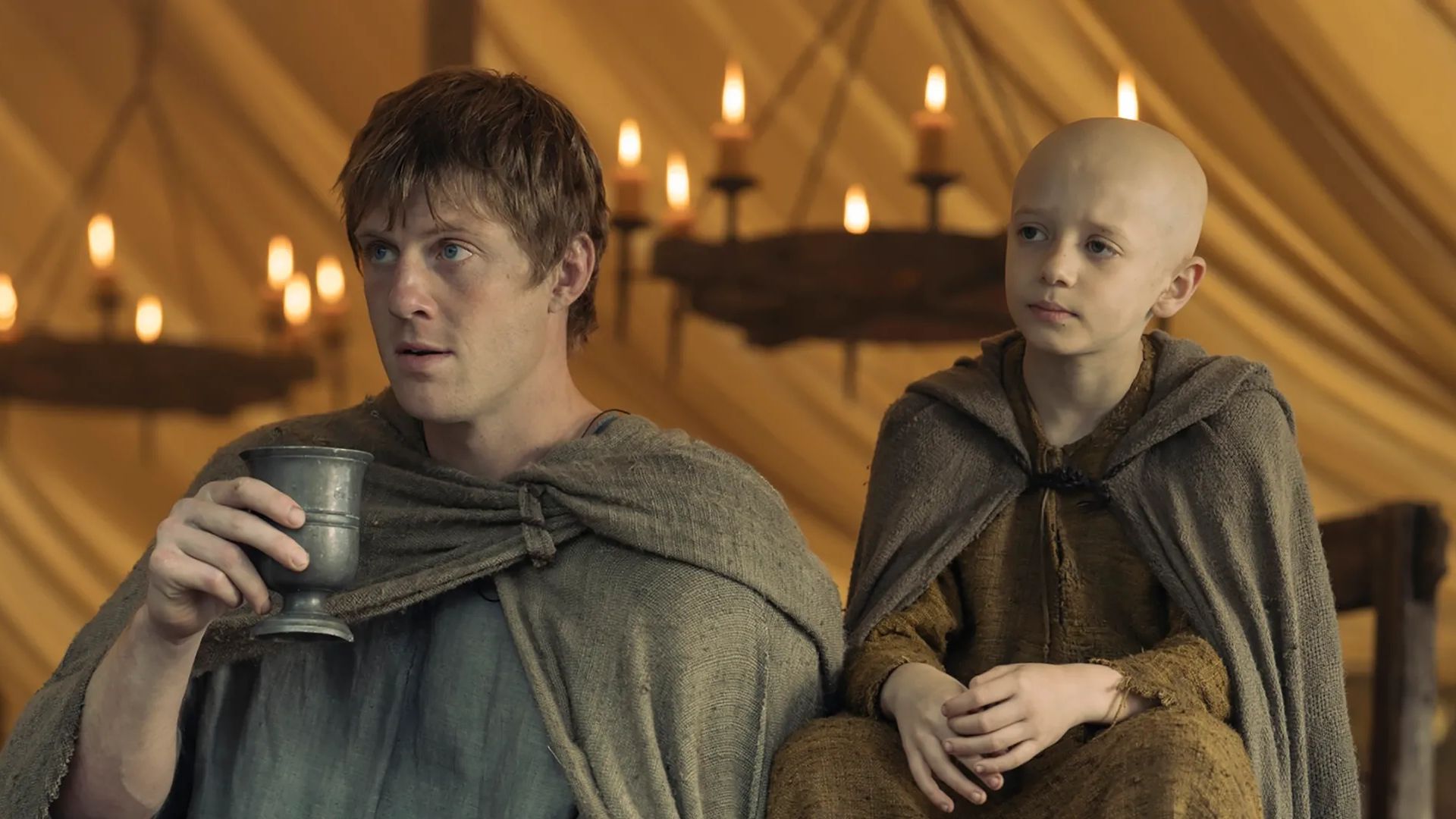
As a critic, I’ve been watching HBO’s new series with a lot of anticipation, and it’s delivering! We’re getting a fascinating look at a young Aegon V Targaryen – or ‘Egg,’ as he’s known in the show – and how his experiences as a squire to Ser Duncan the Tall are molding him into the future king we know. While those familiar with George R.R. Martin’s wider world might expect the usual Targaryen battles for power, this story feels refreshingly different; it’s a character study, focusing on growth and mentorship rather than just political maneuvering.
This story explores the beginnings of one of Westeros’ most unusual and controversial kings. He earned the nickname “the commoner king” because he favored the common people with his policies, which angered the nobility. His reign was marked by frequent rebellions and challenges from even his oldest allies, like Lyonel Baratheon. The story also reveals how Egg eventually became known as Aegon the Unlikely.
A Knight of the Seven Kingdoms Reveals the Roots of Eggs Reign as King Aegon
HBO’s A Knight of the Seven Kingdoms is subtly changing how viewers see Targaryen rulers. Previously, shows like House of the Dragon and stories about the Mad King presented the Targaryens as often cruel and prone to conflict. But through the adventures of Dunk and Egg, fans are now discovering a different, more nuanced side of this powerful family.
While traveling with Ser Duncan, Egg gets a raw and realistic understanding of the lives of the people he’ll eventually govern. He faces hardship, witnesses both unfairness and kindness, and experiences a sense of community – lessons no amount of royal schooling could provide. Through these experiences, Egg truly learns the meaning of knighthood.
Years after the events of HBO’s A Knight of the Seven Kingdoms, Egg tries to use what he’s learned to create new laws. He works to ensure farmers receive fair payment for their crops and allows ordinary people to fish in streams traditionally reserved for nobles. While these changes made Egg popular with the common folk, the nobility resented him for them.
Duncan greatly influences young Egg’s understanding of kingship. Egg witnesses Duncan consistently defending the vulnerable and striving for justice, even when it’s difficult. Baelor’s bravery and selflessness at the Ashford tournament deeply impact Egg, shaping his idea of true nobility: a ruler who serves the people, not one who expects to be served.
Egg grew up seeing a side of Westeros most princes never knew. Now, viewers are noticing the small acts of kindness that reveal his good character, rather than just his strength as a future king. Sadly, Egg’s caring nature would ultimately become a disadvantage in politics. His time as king was marked by war, and he desperately tried to bring dragons back to his family, which eventually led to the devastating events at Summerhall.
Egg’s Good Intentions Lead to His Downfall as King After A Knight of the Seven Kingdoms
Egg faces challenges not only from the powerful families of Westeros, but also from those who were once his allies, due to events he couldn’t prevent. Originally, his son, Duncan the Small, was promised in marriage to Lyonel Baratheon’s daughter. However, Duncan fell in love with Jenny of Oldstones, and Egg stood by his son’s choice.
This conflict shows the difficult position Egg is in as king. Despite his good intentions for his people, he faces opposition from many sides. The Westerosi nobility believe a kind man can’t be a strong ruler, and Egg’s attempts to bring humanity to the throne ultimately lead to his downfall.
Found an error? Send it so it can be corrected.
Read More
- Off Campus Season 1 Soundtrack Guide
- Euphoria Season 3’s New R-Rated Sydney Sweeney Scene Proves The Show Is Trolling Us
- Gold Rate Forecast
- DoorDash responds after customer uses AI to make food look bad and get a refund
- Brent Oil Forecast
- What is Omoggle? The AI face-rating platform taking over Twitch
- 8 Funniest Billy Butcher Quotes From The Boys
- MNT PREDICTION. MNT cryptocurrency
- Crypto Chaos: Are Your Bitcoins and Ethereums Ready for a Wild Ride? 🚀😱
- 🇧🇷 Blockchain & AI: Brazil’s SUS Gets a Tech Makeover! 🚀
2026-02-22 06:11