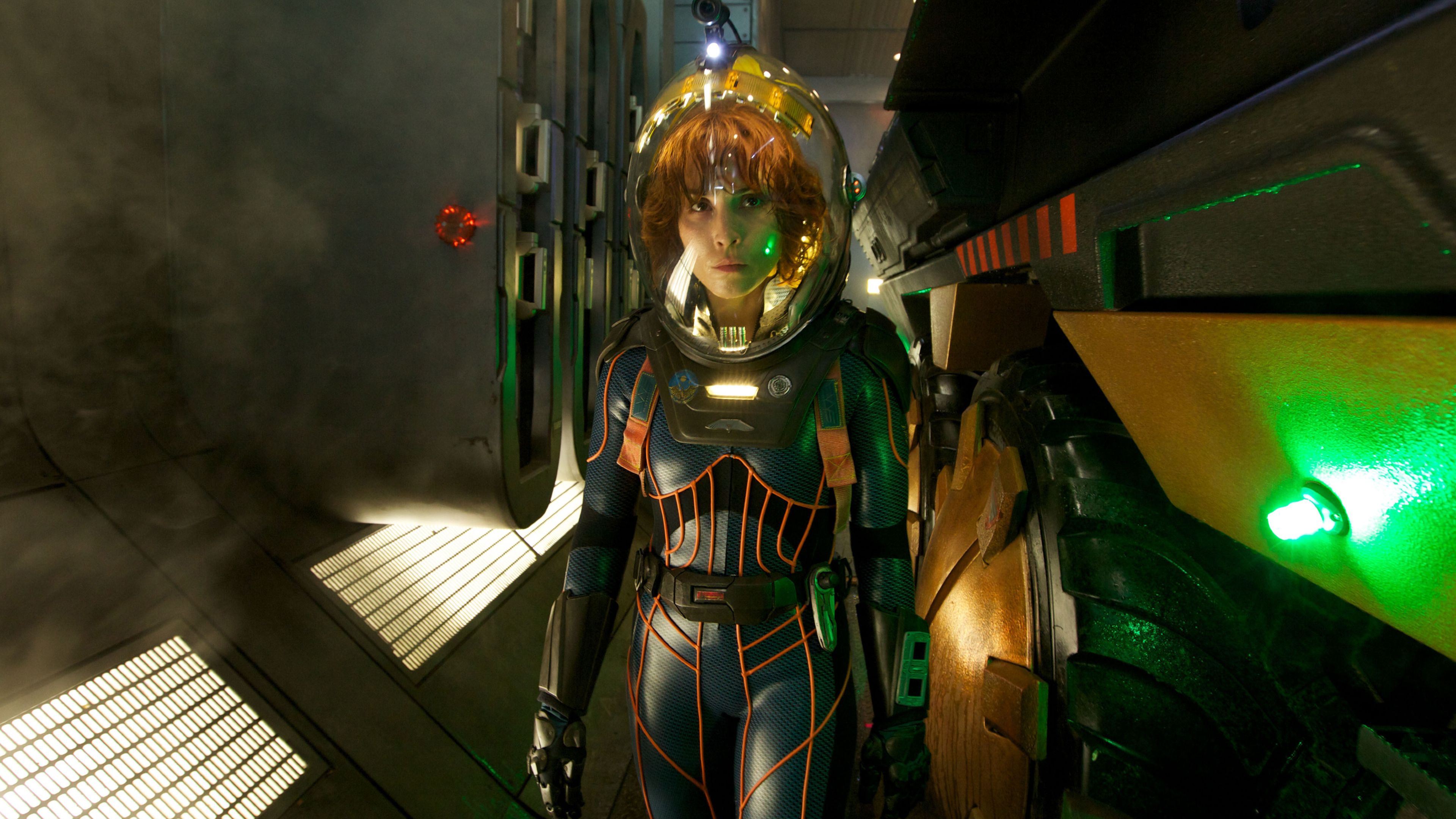
For fans of serious science fiction, Ridley Scott’s film Prometheus is often considered a standout, though it doesn’t receive the same widespread praise as his more famous movies like Alien or Blade Runner. Similarly, the TV show Raised By Wolves is a complex and brilliant piece of science fiction that deserves more attention.
Ridley Scott was an executive producer and director for Raised by Wolves, an HBO series that quickly gained a devoted following. The show, which debuted in 2020, centers around androids raising human children on a new planet after Earth is destroyed. Viewers familiar with Scott’s film Prometheus will likely recognize his distinctive style and recurring themes in the series.
Similar to Prometheus, Raised by Wolves is thought-provoking science fiction packed with original ideas that deserve a larger audience. Both shows grapple with big questions about origins and faith, and aren’t interested in simple answers. For fans of Ridley Scott who wished Prometheus had fully explored its most ambitious concepts without being tied to the Alien franchise, Raised by Wolves feels like the natural progression of those ideas.
Raised By Wolves Explores Similar Themes As Prometheus
Creation And Faith Collide Across Two Visionary Stories
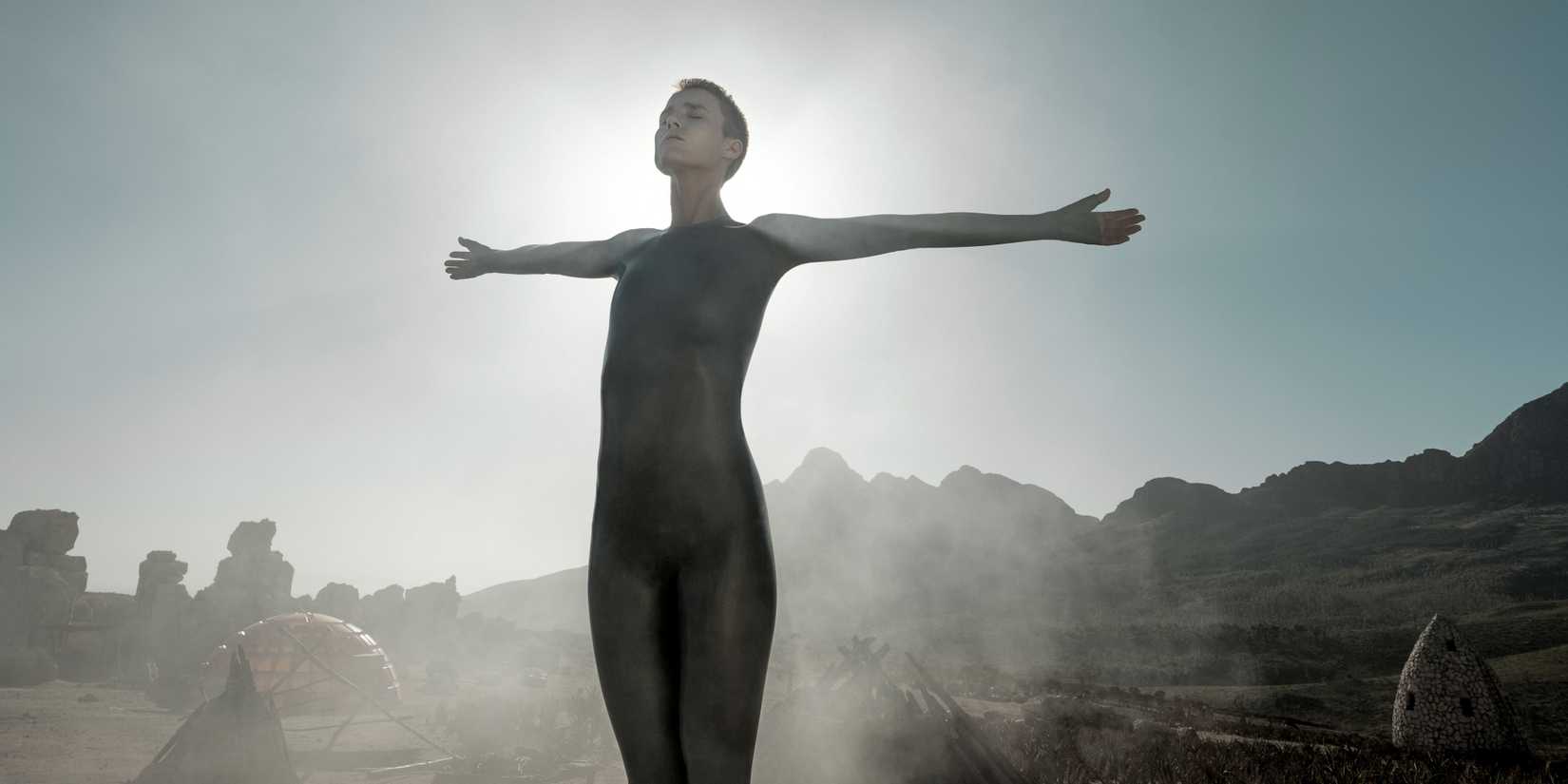
It’s hard to miss the similarities between Raised by Wolves and Prometheus, suggesting the HBO series is a true follow-up to Ridley Scott’s 2012 film, not just something with a similar feel. Both stories explore humanity’s obsession with where we come from, questioning whether our origins lie in divine creation, scientific advancement, or something beyond our understanding.
As a critic, I’ve always been fascinated by androids trying to figure out what it means to be. Ridley Scott’s Prometheus first introduced me to David, played by Michael Fassbender, who wasn’t just helping the crew, he was clearly questioning his own existence. It’s a theme I recently saw brilliantly revisited in HBO Max’s Raised by Wolves. Mother and Father, those androids raising human children, go through a similar journey – they start as programmed helpers, but they change, they evolve. It’s the same core conflict as David: can artificial intelligence truly become something more, and define its own purpose? Both stories really make you think about what it means to create, and whether something made can ultimately decide its own destiny.
Both shows explore a central tension between faith and science. In Prometheus, the character Shaw’s religious beliefs clash with the scientific approach of the others as they search for the creators of humanity, and this conflict remains unresolved. Raised by Wolves expands on this idea with the Mithraic religion and its connection to the new planet, creating a struggle between faith and reason that drives all the important choices made by the colonists.
Both of Ridley Scott’s projects explore the unsettling side of creation using disturbing images of birth. In Prometheus, the surgical removal of Shaw’s alien offspring, and the bizarre serpent creation by Mother in Raised By Wolves, highlight just how precarious and risky bringing new life into the world can be.
The idea that ancient, highly developed civilizations once existed adds another layer of similarity between these stories. Both Prometheus, with its creators called the Engineers, and Raised by Wolves, with the unknown powers affecting Kepler-22b, hint that something beyond our understanding might be influencing how humanity develops.
Each story uses the past to both explain the present and foreshadow the future, highlighting Scott’s interest in how things connect across time and space. With shared visual elements – like androids that have milky white blood – it’s clear that Raised by Wolves delivers the kind of sequel to Prometheus that many fans had hoped Alien: Covenant would be.
Ridley Scott Gets What Science Fiction Is Truly About
Philosophy And Humanity Drive Scott’s Vision Of The Future
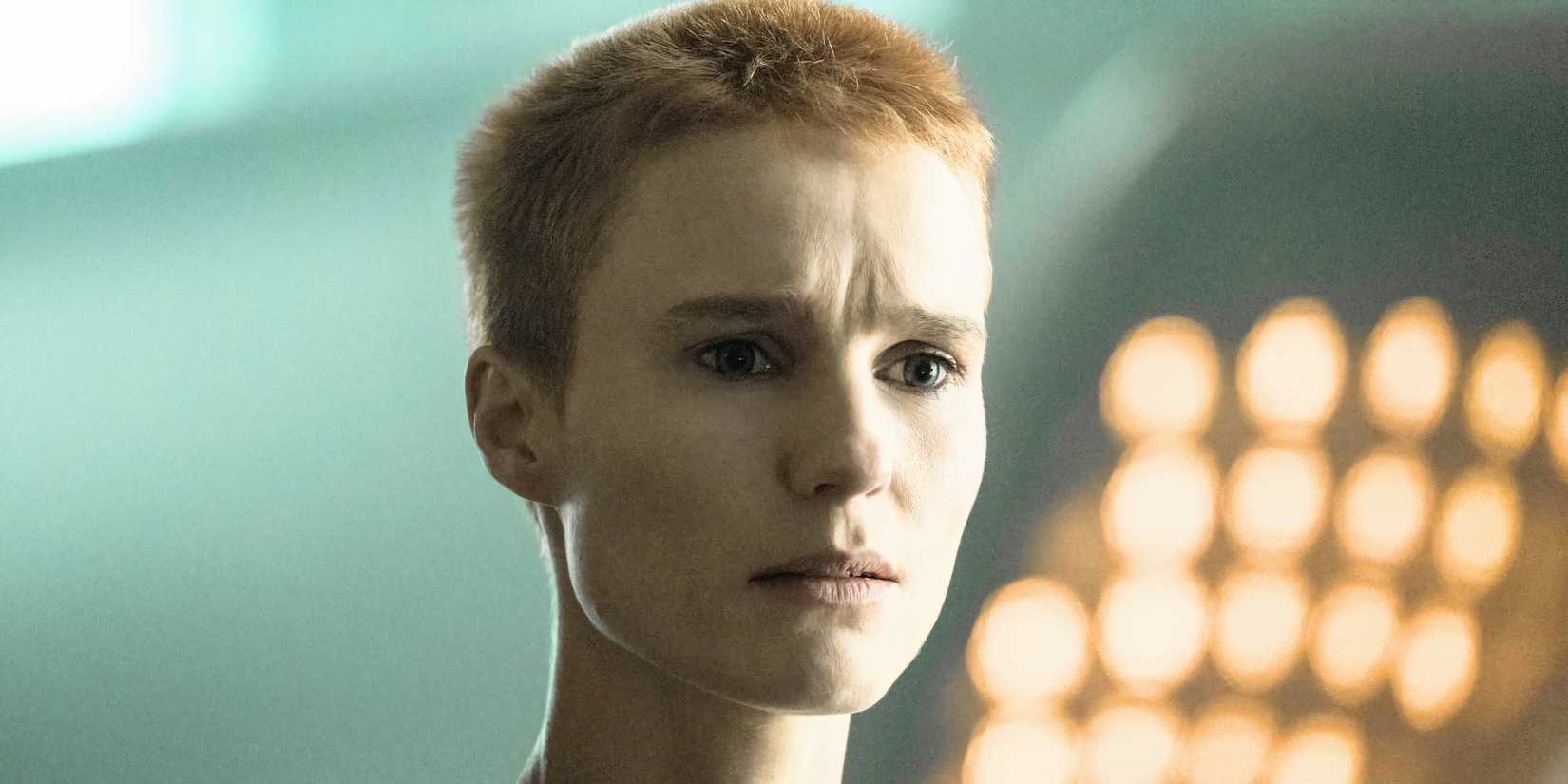
Fans of thought-provoking science fiction appreciate both Raised by Wolves and Prometheus for similar reasons, stemming from Ridley Scott’s approach to the genre. He doesn’t rely on flashy effects; instead, he uses futuristic settings to explore what makes us human – our fears and the difficult choices we face.
Throughout his career, Ridley Scott has demonstrated a talent for using technology to enhance storytelling, rather than letting it be the story. For example, in Prometheus, impressive spaceships and alien planets aren’t the main focus – they help explore themes of curiosity and what happens when people strive for great things. He uses a similar approach in Raised by Wolves, where the abilities of androids are used to examine complex ideas about parenthood, faith, and doing what’s right, rather than simply showcasing cool robots.
I’ve always been fascinated by how Ridley Scott explores the relationship between us and the technology we create. It’s not just about fearing robots taking over, though. With characters like David and Mother, he really digs into what it means to be human – and what happens when our creations start to feel too independent. What strikes me most is that he doesn’t just see machines as threats, but as reflections of ourselves, showing us our own flaws and complexities. He makes you think about empathy and identity in a whole new way, and it’s incredibly compelling.
Ridley Scott’s science fiction films often explore the dangers of unchecked corporate power and environmental destruction, making them feel especially relevant today. The ruined Earth in Raised by Wolves mirrors the selfish reasons for exploration seen in Prometheus, highlighting the idea that progress can have damaging results. This consistent focus on the dark side of advancement is a major reason why Scott’s stories are so impactful and continue to connect with audiences.
Ridley Scott is known as a science fiction visionary because he always explores big ideas and asks thought-provoking questions through his films. He doesn’t just tell stories; he makes us think about what it means to be human and how society works, which gives his sci-fi a lasting impact. This approach is clear in both Prometheus and Raised by Wolves, and it’s why the HBO series feels like a natural extension of the often-overlooked Alien prequel.
Prometheus And Raised By Wolves Encountered The Same Fate
Ambitious Ideas Left Without Full Resolution
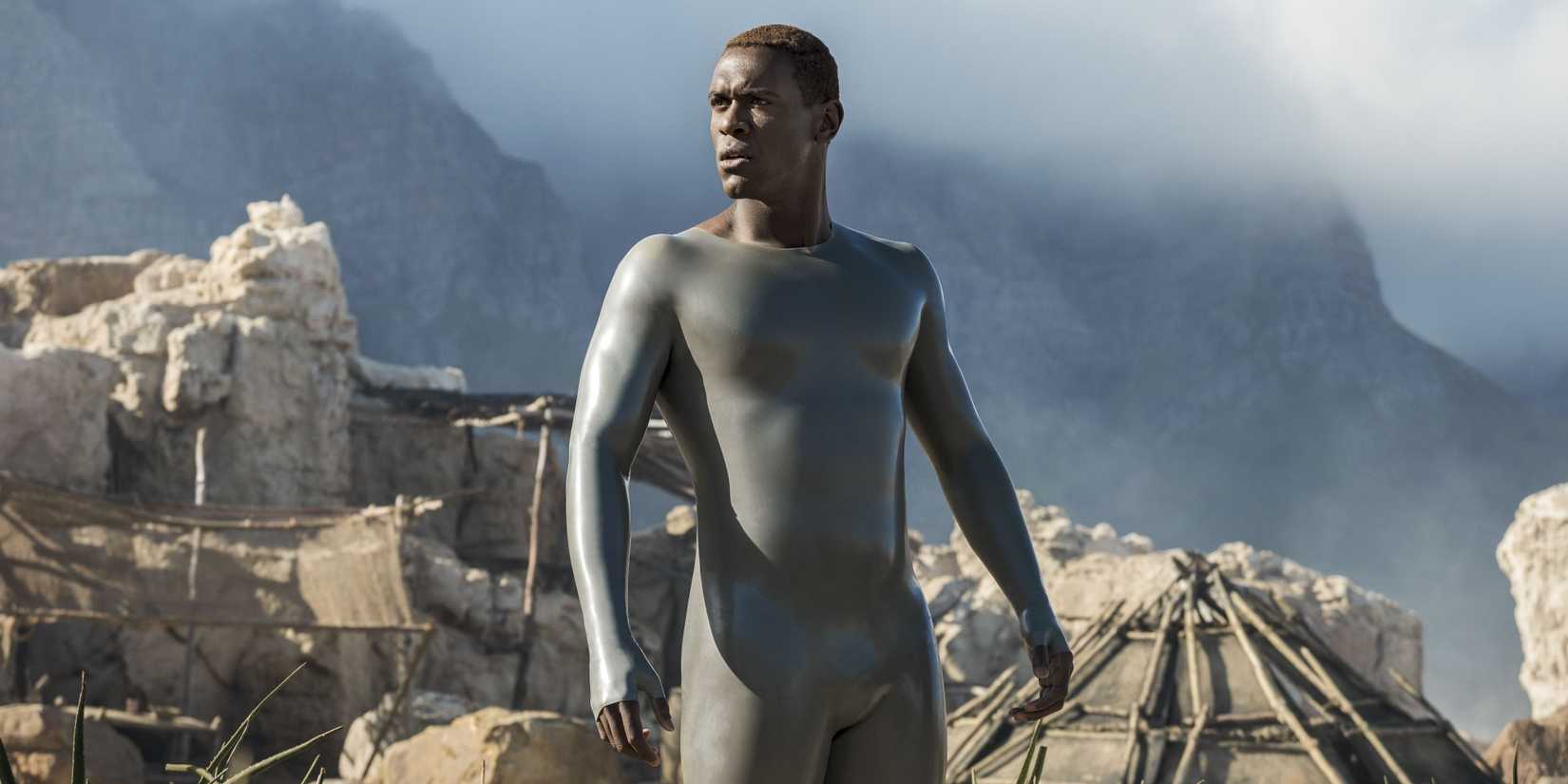
Both Prometheus and Raised by Wolves were ambitious shows with dedicated fans, but unfortunately, neither fully lived up to its potential. They both explored big, thought-provoking ideas, but those ideas were often left unresolved or cut short before the shows could fully explore them.
While Alien: Covenant continued the story started in Prometheus, it traded the first film’s thought-provoking questions about the origins of life and what we believe in for a greater connection to the existing Alien franchise. The sequel prioritized fan expectations, and as a consequence, many of the fascinating ideas introduced in Prometheus weren’t fully developed.
Despite its unique and ambitious storytelling, Raised by Wolves was canceled after only two seasons. This happened just as the show was delving into complex and unusual philosophical ideas. Sadly, storylines about the planet Kepler-22b, the changing nature of the android characters, and the deeper meaning of creation were never resolved, leaving viewers without the satisfying conclusion the series had been building towards.
As a sci-fi fan, I’ve been thinking about Raised by Wolves and Prometheus, and while I wish both shows had wrapped things up a little more neatly, there’s something interesting about their open endings. It actually highlights how similar they are. Both took on really big, challenging ideas – the kind you don’t usually see in blockbuster sci-fi – but they both felt like they were cut short before they could fully explore them. Now, those loose ends serve as a reminder that taking big risks with science fiction can be a bit of a gamble.
The fact that both Prometheus and Raised by Wolves leave things open to interpretation is a big part of why they’ve gained a dedicated following. Because neither show provides easy answers, fans continue to discuss and debate the ideas they present, keeping them relevant in science fiction and fantasy conversations. This shows that ambitious projects can have a lasting effect, even if they don’t tie everything up neatly.
Read More
- All Itzaland Animal Locations in Infinity Nikki
- Cthulhu: The Cosmic Abyss Chapter 3 Ritual Puzzle Guide
- Paramount CinemaCon 2026 Live Blog – Movie Announcements Panel for Sonic 4, Street Fighter & More (In Progress)
- Persona PSP soundtrack will be available on streaming services from April 18
- Focker-In-Law Trailer Revives Meet the Parents Series After 16 Years
- The Boys Season 5 Spoilers: Every Major Character Death If the Show Follows the Comics
- Rockets vs. Lakers Game 1 Results According to NBA 2K26
- Gold Rate Forecast
- Raptors vs. Cavaliers Game 2 Results According to NBA 2K26
- MLB The Show 26 RTTS Guide – All Perks in Road To The Show
2026-02-17 22:10