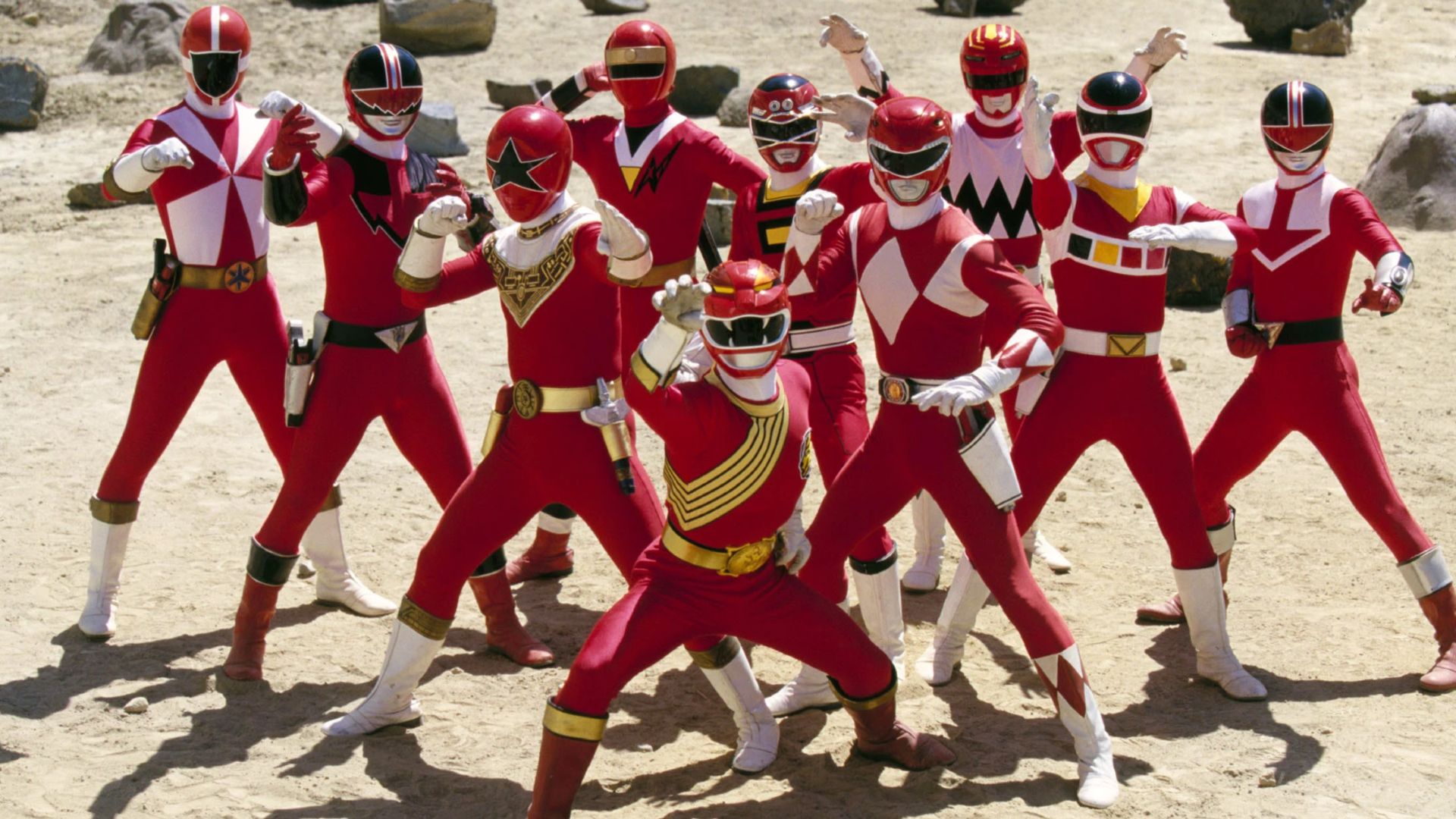
When Power Rangers first appeared in 1993, it felt like a completely new experience. The show featured teenagers performing incredible aerial stunts, gigantic monsters, and massive robots battling each other in spectacular fights that resembled Japanese animation. A key to its success was a smart idea: using action scenes from the Japanese show Super Sentai and blending them into a new American storyline.
By the time it reached American audiences, Super Sentai was already a long-running hit in Japan. The show first appeared in 1975 and quickly became a weekend morning staple. After over 50 years of teams in bright colors battling costumed villains, the series recently concluded with the final episode of No.1 Sentai Gozyuger, titled “Final Ep.: We Are, No.1 Sentai Gozyuger!”
Outside of Japan, Super Sentai is widely recognized as the series that inspired Power Rangers. Its ending isn’t just another show being cancelled – it’s the end of a 50-year history that secretly fueled a worldwide hit. Now that the original series is over, many are wondering what this means for the future of Power Rangers.
Super Sentai Has Officially Ended
A 51-Year TV Institution Has Taken Its Final Bow

After more than 51 years, the long-running superhero TV series Super Sentai has come to an end. The final episode of No.1 Sentai Gozyuger aired in February 2026, marking the conclusion of one of Japan’s most enduring live-action shows. It’s rare for any series to last that long, and Sentai is particularly notable for having created and defined an entire genre of television.
Starting with Himitsu Sentai Gorenger in 1975 and continuing with many brightly-costumed teams since then, the Super Sentai series has consistently found new ways to entertain. Each year brought updated costumes, giant robots, and a new group of heroes. But the basic idea always remained the same: heroic, colorful characters battling monsters with impressive action and a lot of heart.
The show was more than just popular on TV – it was a huge commercial success. Each new season sparked a wave of merchandise, like toys and costumes, making it a major cultural moment, similar to how Power Rangers became a phenomenon in Western countries. For many Japanese children, choosing a favorite color Ranger became a beloved part of growing up, a tradition passed down through generations.
The show’s impact went well beyond Japan’s borders. In fact, Mighty Morphin Power Rangers wouldn’t have been possible without footage from Sentai. Many of the action scenes, battles with giant robots (Zords), and monster fights were taken directly from Sentai episodes and adapted for viewers in Western countries, transforming a popular Japanese show into a worldwide success.
The production line for Super Sentai has completely halted. There are no more teams planned, no future costumes being designed. For the first time in decades – since the 1970s – the series has stopped creating new content. This marks the end of a significant period for Japanese television, and a beloved part of pop culture has come to a quiet conclusion.
What The Ending Of Super Sentai Means For Power Rangers
The American Franchise Had Already Started Forging Its Own Path

Years ago, if Super Sentai had stopped being made, it would have been a huge problem for Power Rangers. The American series heavily relied on Sentai; producers would film new scenes and then edit them together with action footage from Japan. This allowed them to feature American actors like Jason Lee Scott (Austin St. John) and Tommy Oliver (Jason David Frank) in battles that were originally filmed in Japan.
Many seasons of Power Rangers relied heavily on a specific production method, allowing them to create exciting action without spending a fortune. The weekly giant robot battles and stunts wouldn’t have been possible without the source material from Super Sentai. Had Sentai stopped being made in the 90s or 2000s, Power Rangers likely would have ended as well.
The Power Rangers franchise has gradually become less reliant on its source material, Super Sentai. Current plans for the brand suggest a future built on original ideas, especially with the new Power Rangers series on Disney+ which aims to refresh the entire universe without using footage from Japan. The focus is now on creating completely original stories with updated visuals and production techniques.
Seeing the changes, it feels less like Super Sentai ending and more like a natural parting of ways. Power Rangers was already getting ready to do its own thing, honestly. It felt like they were moving past needing a starting point from the Japanese series anyway, and this new version really seems built to stand on its own, separate from the yearly cycle over there.
For fans, things will stay largely the same for now. Power Rangers had already moved away from directly following Super Sentai. However, this change is a big deal creatively. For the first time, Power Rangers will be creating its own original stories and universe, instead of adapting existing material.
Will Super Sentai Ever Come Back?
A Legendary Franchise May Be Dormant Rather Than Gone Forever
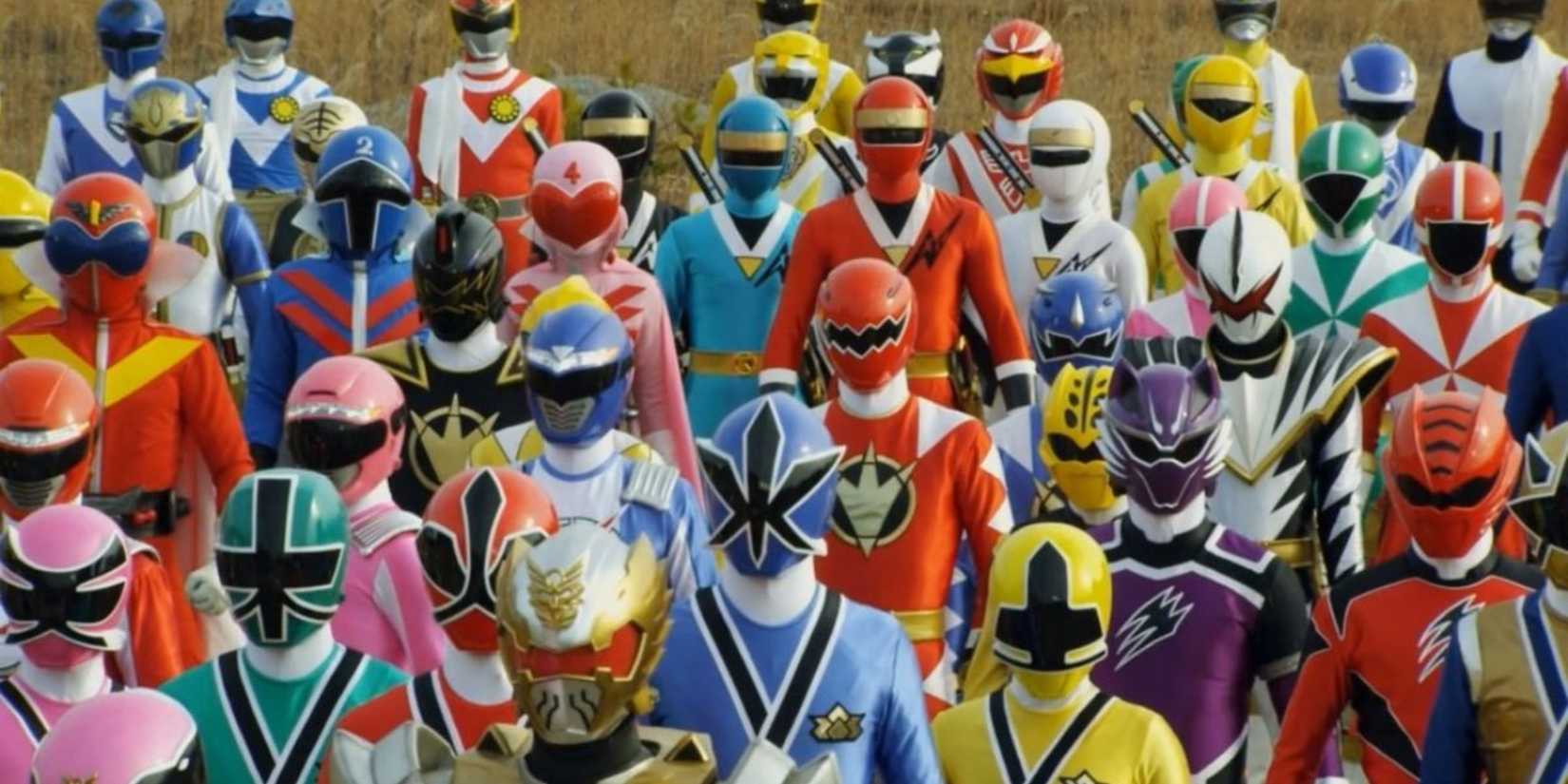
Currently, there are no announced plans to continue the Super Sentai series. The ending of No.1 Sentai Gozyuger is being presented as a definitive conclusion, suggesting the show won’t return next season. After fifty years of yearly releases, it seems the franchise may have run its course.
Television history shows that shows rarely stay gone for good. Popular series often pause for a while and then come back years later, boosted by renewed interest. Nostalgia plays a big role, and few franchises in Japan have a stronger connection to multiple generations than the color-coded heroes of Sentai.
Taking a break could actually benefit Super Sentai. The series changes every year, which doesn’t always leave enough space for fresh ideas. A pause would give the creators time to reimagine the show, try new approaches, or create seasons that feel like special events instead of just repeating the same pattern. When it returns, it could feel exciting and new, rather than predictable.
Beyond the creative side, Super Sentai is a valuable brand with strong potential for merchandise sales. It’s much simpler to bring back a well-known series like this if the market shifts or interest grows, rather than trying to create something completely original. Established franchises often see a comeback when there’s a financial opportunity.
Right now, the devices that transform the heroes are turned off. This silence, whether it lasts for a short time or forever, marks the end of an era. If Super Sentai comes back, it will be a story of revival. For now, the original idea behind Power Rangers has finished its incredible 51-year journey.
Read More
- Netflix’s Little House On The Prairie Reboot: Release Date, Cast & Everything We Know
- Off Campus Season 1 Soundtrack Guide
- Silver Rate Forecast
- Gold Rate Forecast
- Prime Video’s New R-Rated Spy Thriller Is Officially No.1 On Streaming Despite Poor Reviews
- Brent Oil Forecast
- EUR ZAR PREDICTION
- Infinity Nikki Candlelight Reverie Challenge and Rewards Guide
- Amazon Primes new GenAI cartoon looks like K-Pop Demon Hunters with aliens
- KPop Demon Hunters Meets Avatar: The Last Airbender In Netflix’s 3-Part Fantasy Series
2026-02-08 18:33