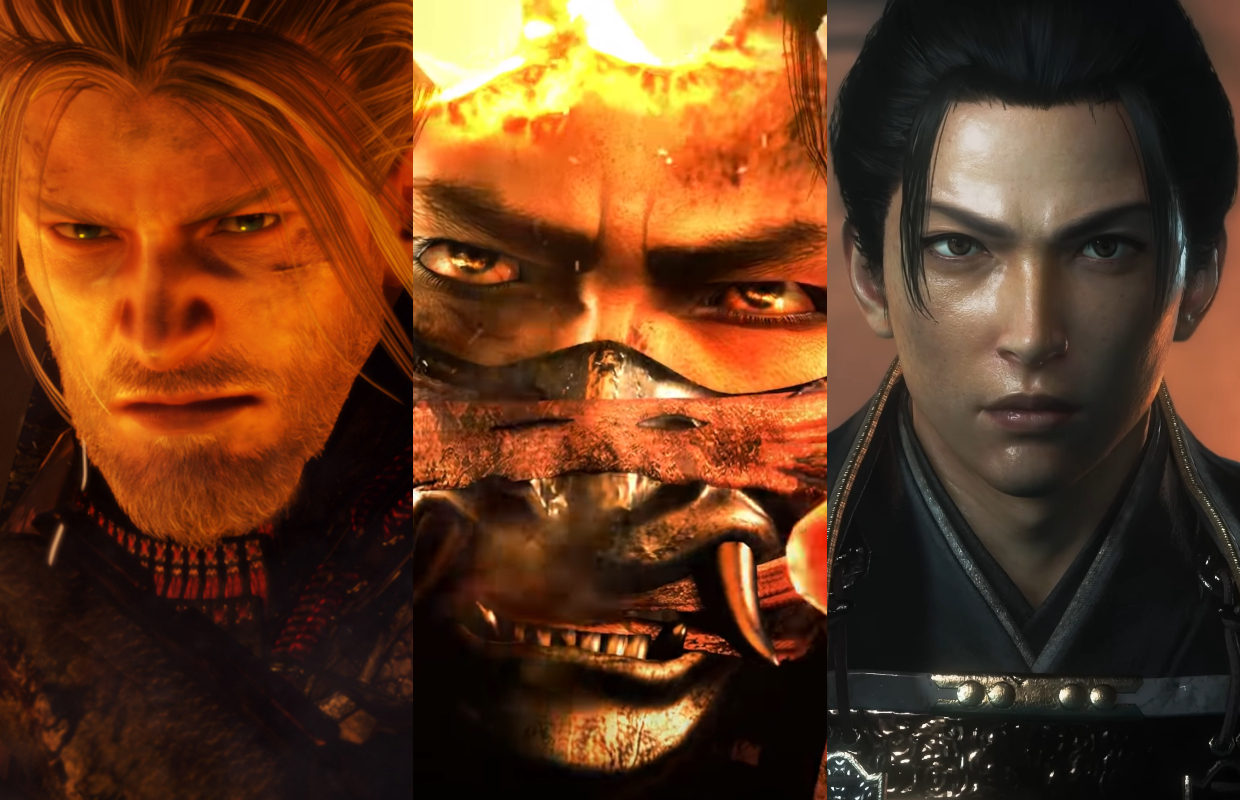
The Nioh games are popular for their difficult combat and unique gameplay. However, they were created by Koei Tecmo Games, a company more widely recognized in Eastern markets for its historically-focused titles.
Koei Tecmo is famous for creating game series inspired by Japanese history, especially the turbulent 16th-century Warring States period. Popular examples include titles like Nobunaga’s Ambition, Samurai Warriors, and Kessen.
Nioh, like other games, draws inspiration from a specific period in history. The games in the series explore more and more of that history with each release. We’ve put together a detailed timeline of the historical events and battles featured in the series, especially focusing on the well-known Warring States period.
Please be aware that this article is based on careful historical research, and many of the events described also happen in the plot of the Nioh game series. Therefore, a spoiler warning is now in effect.
Start with Nioh 2
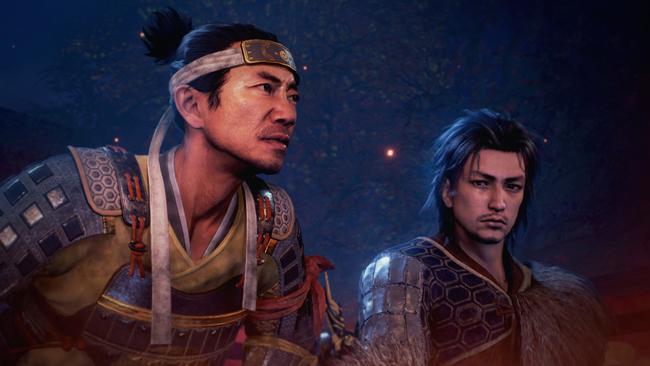
To fully appreciate the story of the Nioh series, it’s best to start with Nioh 2. You’ll play as Hide, who will encounter Tokichiro and eventually serve Oda Nobunaga. Through battles like Okehazama and Inabayama, you’ll build a reputation as Hideyoshi. The story will then take a turn when Nobunaga’s brother-in-law, Azai Nagamasa, becomes an enemy.
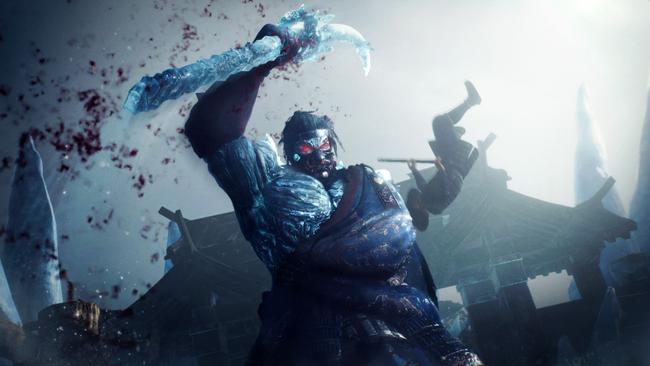
Keep playing Nioh 2 until you reach the Battle of Anegawa. This battle has a unique icy setting, even though it historically happened in the summer of 1570. You’ll fight Magara Naotaka, a general from the Asakura clan, who has been transformed into a large, blue monster.
With the release of Nioh 3 and its continuation of the story, let’s quickly shift our focus to the latest installment.
Go to Nioh 3’s Warring States era
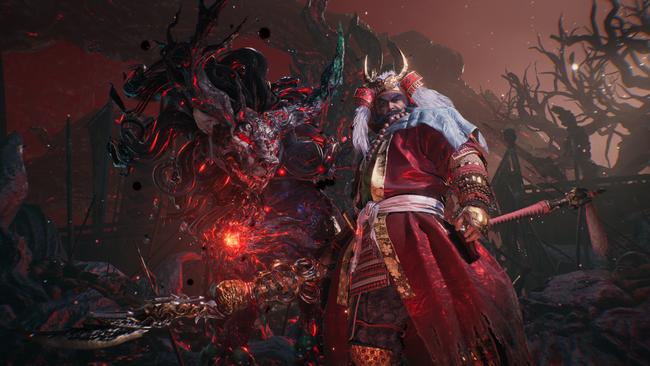
Playing Nioh 3 will take you through time. The game begins in 1622 with Tokugawa Takechiyo’s inauguration, but you’ll quickly travel back to 1572 after the opening section.
In the game, the Takeda clan initiated a campaign against the Tokugawa, leading to clashes at Hitokoto Slope, Futamata Castle, and Mikatagahara. Despite losing all these battles, the Tokugawa cleverly fought back. They tricked Shingen with a ruse involving an abandoned castle at Hamamatsu and then launched a surprise attack on the Takeda fort at Saigagake.
Although the game’s story concluded with the Saigagake raid, the real historical campaign went on, culminating in the Battle of Noda Castle in 1573. However, the campaign ended when Takeda Shingen died from his illness that same year.
Continue your Nioh 2 playthrough
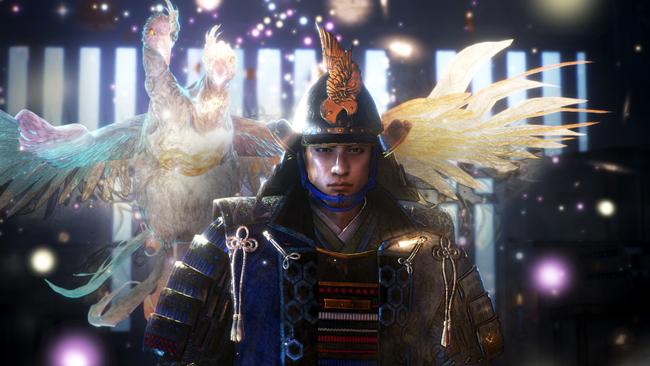
The story now returns to Hide’s perspective. In 1573, his lord, Oda Nobunaga, resolves to finally defeat Azai Nagamasa at Odani Castle. After a long conflict with Honganji and numerous other military campaigns led by Nobunaga, Akechi Mitsuhide will betray him in 1582 with a coup at Honnoji.
Hideyoshi quickly moved to avenge Nobunaga’s death at the Battle of Yamazaki. Though history says Mitsuhide died on Mount Tenno, the game series Nioh uses a common fictional idea: that Mitsuhide actually survived and went into hiding, becoming the priest Nankobo Tenkai.
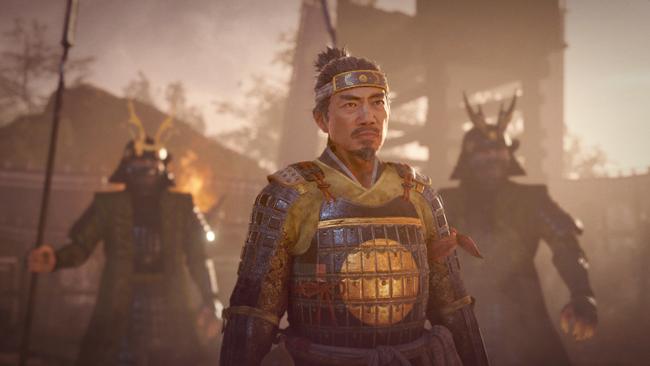
Following the significant Battle of Komaki-Nagakute, the story will introduce new background details and jump forward in time to the 1590s, when Toyotomi Hideyoshi (also known as Tokichiro) has finally united Japan. Continue with the ‘Dream’ storyline until a foreigner arrives in Japan after a shipwreck. At that point, you should pause your progress in Nioh 2 and start playing the original Nioh game.
Play the entirety of Nioh 1 and its DLCs
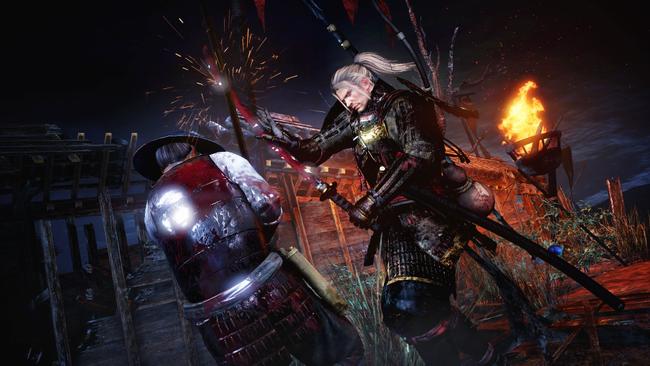
The next installment in the Nioh series will tell the story of the Westerner introduced in the original Nioh, playing entirely from his perspective. Based on the life of the English sailor William Adams, this Irish character will journey to central Japan and eventually meet Tokugawa Ieyasu. Ieyasu will then recruit him to fight in the pivotal Battle of Sekigahara in 1600, against forces loyal to Toyotomi Hideyoshi and led by Ishida Mitsunari.
The downloadable content for the original Nioh tells the story of the Winter 1614 and Summer 1615 Sieges of Osaka – the last major conflicts between the Tokugawa and Toyotomi clans.
Finish Nioh 2 and its DLCs
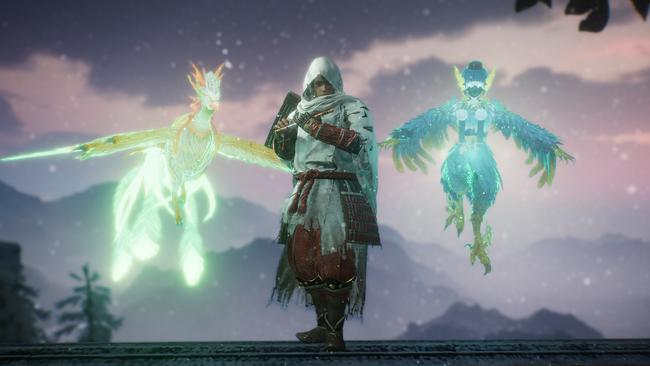
With the biggest conflicts of the Warring States period now over, you’re ready for the epic conclusion! Nioh 2’s final chapter wraps up the stories from both Nioh and Nioh 2.
Nioh 2’s downloadable content moves the story back to an earlier time in the Heian period, but each expansion has a different recommended level. I strongly suggest completing the first DLC, ‘The Tengu’s Disciple,’ – it’s almost essential – if you plan to continue with Nioh 3. The next part of Nioh 3’s story directly follows the events of this DLC, which are set between 1185 and 1189 and feature Minamoto no Yoshitsune, a famous historical figure in Japan.
While not essential, playing ‘Darkness in the Capital’ is still a good idea because it introduces characters you’ll encounter later in Nioh 3’s Heian area – you might recognize them from item descriptions or as enemy ghosts. ‘The First Samurai’, however, is entirely optional for understanding the main story.
Play through the rest of Nioh 3
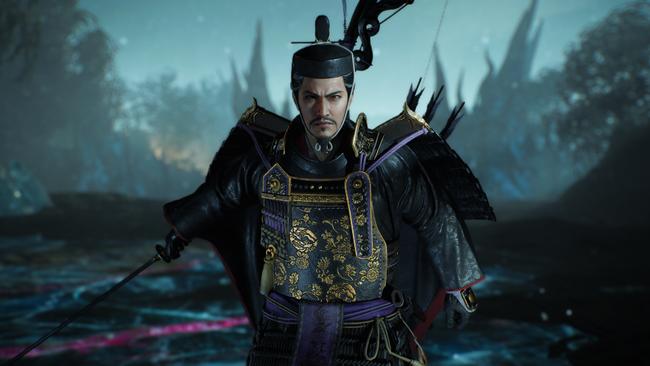
If you’ve taken my previous recommendations, you’ve likely finished the first downloadable content for Nioh 2 and are now prepared to dive into the story of Nioh 3, which continues shortly after the events of the previous game.
This episode draws inspiration from a real event: Minamoto no Yoritomo’s trip to Kyoto in 1190, when he was gaining control during a period of change. He would later found the Kamakura shogunate in 1192. However, the story includes fictional elements, such as the survival of the famous hero Minamoto no Yoshitsune. In reality, Yoshitsune and his loyal companion Benkei were both killed at the Battle of Koromo River, an event that concludes the storyline of Nioh 2’s first DLC.
The rest of Nioh 3’s story will primarily be new and original. While the game is set in the little-known Yamatai Kingdom of ancient Japan, historical records are scarce, though Queen Himiko, a key figure, died around the year 247. The game’s futuristic version of the Bakumatsu period will be significantly altered by the events set in motion by Tokugawa Kunimatsu at the beginning of the game.
Summary of Events
Heian Era
- 797 – Sakanoue no Tamuramaro’s slaying of Otakemaru (Nioh 2 DLC3 – Legendary)
- 976 – Rivalry between Abe no Seimei and Ashiya Doman (Nioh 2 DLC2 – Legendary)
- 1185 – Battle of Dan-no-Ura (Nioh 2 DLC1 – Minamoto vs Taira)
- 1189 – Battle of Koromo River (Nioh 2 DLC1 – Minamoto no Yoshitsune vs Fujiwara no Yasuhira)
- 1190 – Minamoto no Yoritomo’s visitation to Kyoto (Nioh 3)
Warring States Era
- 1556 – Death of Saito Dosan (Nioh 2)
- 1560 – Battle of Okehazama (Nioh 2 – Oda vs Imagawa)
- 1567 – Battle of Inabayama Castle (Nioh 2 – Oda vs Saito)
- 1570 – Battle of Kanegasaki (Nioh 2 – Oda-Tokugawa vs Azai-Asakura)
- 1570 – Battle of Anegawa (Nioh 2 – Oda-Tokugawa vs Azai-Asakura)
- 1572 – Battle of Hitokoto Slope (Nioh 3 – Tokugawa vs Takeda)
- 1572 – Battle of Futamata Castle (Nioh 3 – Tokugawa vs Takeda)
- 1573 – Battle of Mikatagahara (Nioh 3 – Tokugawa vs Takeda)
- 1573 – Battle of Odani Castle (Nioh 2 – Oda vs Azai)
- 1578 – Ishiyama Honganji War (Nioh 2 – Oda vs Honganji – The actual war ran from 1570 to 1580)
- 1582 – Incident at Honnoji (Nioh 2 – Akechi vs Oda)
- 1582 – Battle of Yamazaki/Tennozan (Nioh 2 – Hashiba vs Akechi)
- 1583 – Battle of Shizugatake (Nioh 2 – Hashiba vs Shibata)
- 1584 – Battle of Komaki-Nagakute (Nioh 2 – Tokugawa vs Hashiba)
- 1598 – Death of Toyotomi Hideyoshi (Nioh 2)
- 1600 – William Adams’ arrival in Japan (Nioh 1)
- 1600 – Battle of Fushimi Castle (Nioh 1 – Tokugawa vs Ishida)
- 1600 – Battle of Sekigahara (Nioh 1 – Tokugawa vs Ishida)
- 1600 – Battle of Sawayama (Nioh 1 – Tokugawa vs Ishida)
Edo Era
- 1614 – Winter Siege of Osaka (Nioh 1 DLC2 – Tokugawa vs Toyotomi)
- 1615 – Summer Siege of Osaka (Nioh 1 DLC3 – Tokugawa vs Toyotomi)
- 1622 – Tokugawa Iemitsu’s Shogun Inauguration (Nioh 3 – The actual inauguration historically happened in 1623)
Read More
- Netflix’s Little House On The Prairie Reboot: Release Date, Cast & Everything We Know
- Off Campus Season 1 Soundtrack Guide
- Silver Rate Forecast
- Prime Video’s New R-Rated Spy Thriller Is Officially No.1 On Streaming Despite Poor Reviews
- Gold Rate Forecast
- Brent Oil Forecast
- EUR ZAR PREDICTION
- Amazon Primes new GenAI cartoon looks like K-Pop Demon Hunters with aliens
- Inkford Hermitage Chest Locations In HSR (Honkai: Star Rail)
- KPop Demon Hunters Meets Avatar: The Last Airbender In Netflix’s 3-Part Fantasy Series
2026-02-07 06:58