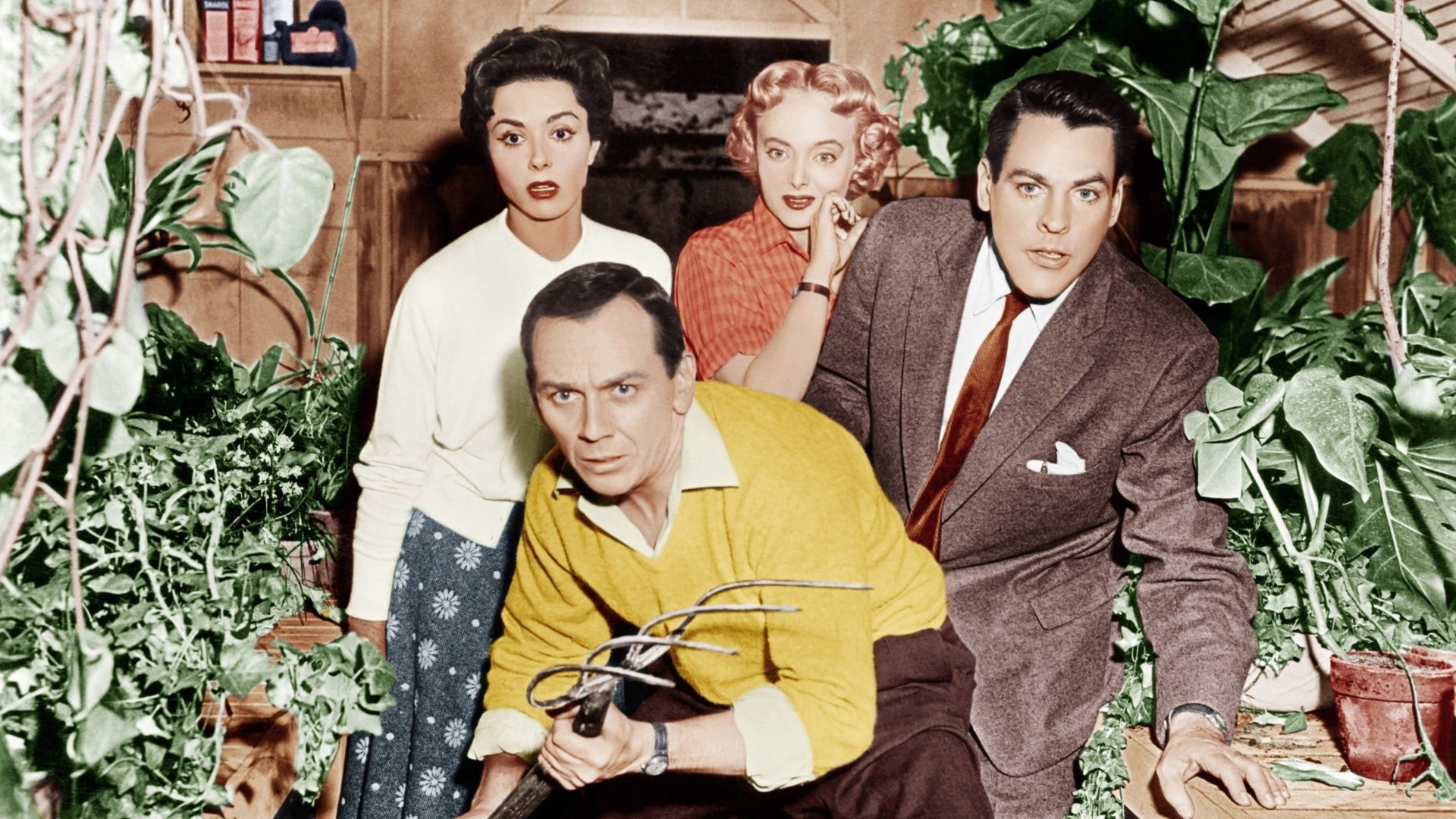
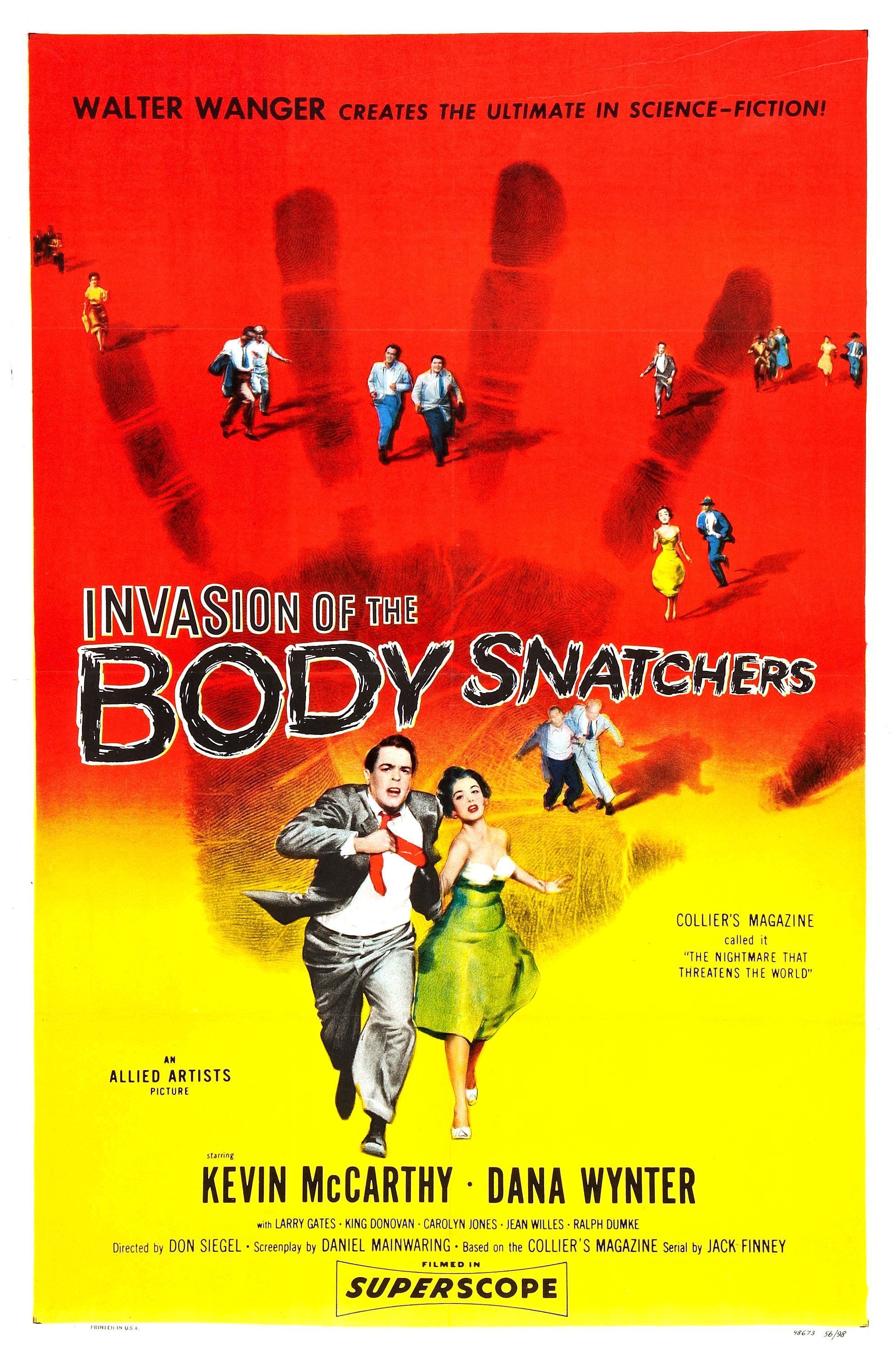
While Don Siegel is famous for 1970s films like Dirty Harry and Escape from Alcatraz, many consider his best work to be from the 1950s. In the middle of that decade, he directed Invasion of the Body Snatchers, an adaptation of Jack Finney’s 1954 science-fiction novel, hoping it would solidify his reputation as a sought-after director. Before this, he gained experience as a montage director on well-known films like Casablanca and Hitler Lives.
I still think Don Siegel’s Invasion of the Body Snatchers is a masterpiece! It really resonated with audiences back in 1956 – in fact, it even gave us the term “pod people” to describe those creepy, emotionless copies in the film. Can you believe it’s been 70 years since it came out? Even though it’s in classic black and white and has that film noir feel, it still influences creators today. Just recently, Vince Gilligan, the guy behind Pluribus, said it was a huge inspiration for his show, which is amazing!
But what makes it so special?
‘Invasion of the Body Snatchers’ Was Initially Interpreted as a Commentary Piece on Post-WWII Politics
Paramount Pictures
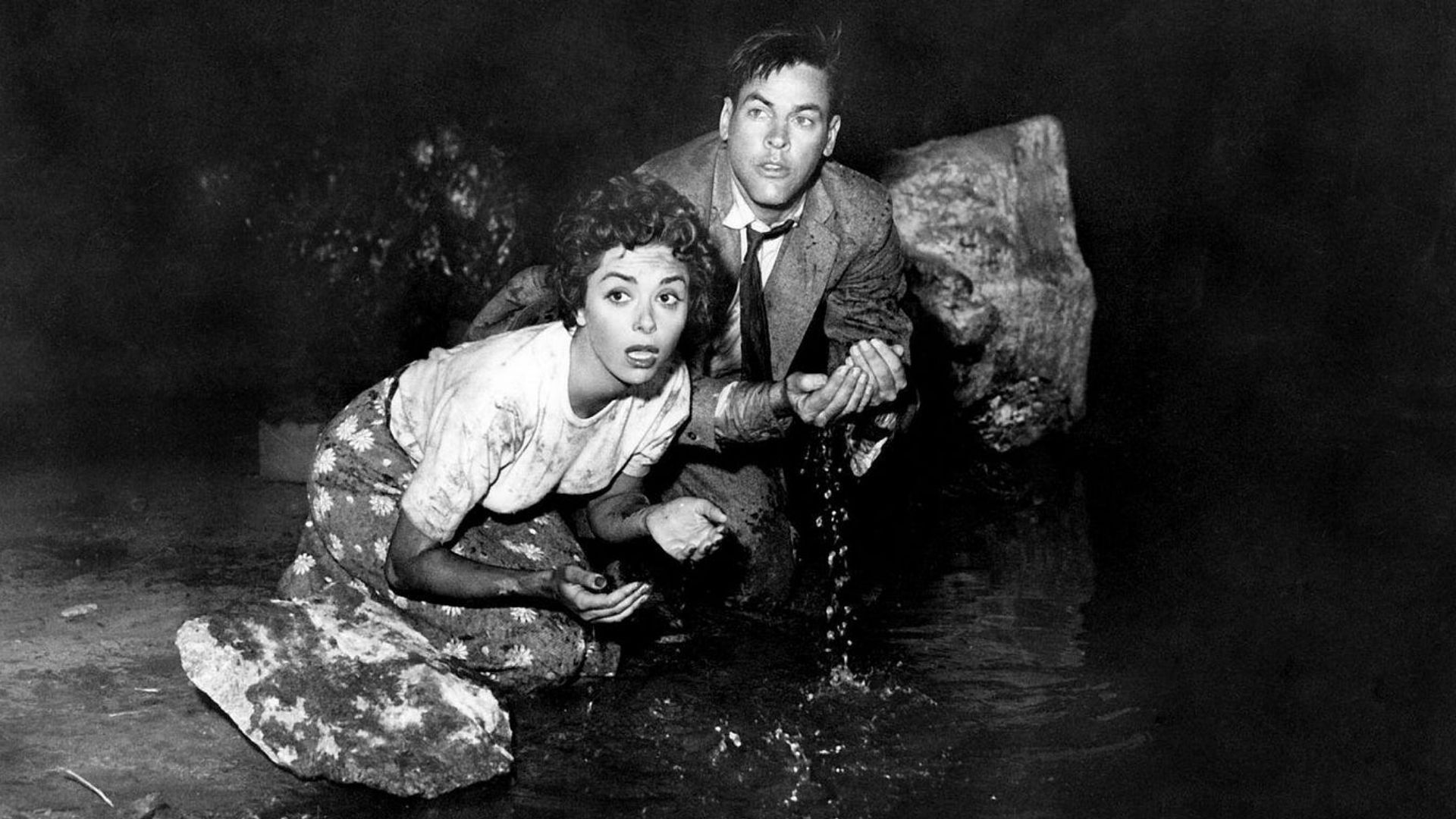
I recently revisited Invasion of the Body Snatchers, and it’s fascinating how much the film resonated with the anxieties of its time. When it came out, many viewers saw it as a direct response to Senator Joseph McCarthy and his highly publicized, and often unfounded, accusations of Communist infiltration in America. McCarthy really whipped up a frenzy in the late 40s, insisting we root out anyone he deemed unpatriotic. But by the early 50s, his credibility had taken a serious hit as more and more of his claims proved to be false. It’s a powerful example of how a sci-fi thriller can perfectly capture the social and political climate of its era.
In the movie Invasion of the Body Snatchers, people start to suspect that aliens are secretly replacing them with perfect duplicates. The story suggests that alien spores landed on Earth and grew into pods, which could create copies of humans that look exactly like the originals, but lack real feelings and personality. At first, these fears are brushed off, but they eventually turn out to be true.
As a film buff, I’ve always found it fascinating how much people read into Invasion of the Body Snatchers. A lot of critics back then thought Don Siegel (and Jack Finney, who wrote the book it’s based on) were really commenting on how cookie-cutter everything was becoming in post-war America, during the Eisenhower years. Some saw it as a warning about losing your individuality, about being controlled by outside forces – and a lot of that concern was tied to Soviet influence. But it seems like, looking back, the movie was often understood in a completely different way than originally intended.
In his memoir, titled I Thought We Were Making Movies, Not History, Walter Mirisch, the executive producer of the science fiction film, recalls:
Viewers started interpreting pictures in ways the creators didn’t plan. A good example is ‘Invasion of the Body Snatchers’. I, along with everyone involved – Walter Wanger, Don Siegel, Dan Mainwaring, and Jack Finney – always saw it as just a straightforward thriller, nothing more.
You know, rewatching this film, it struck me that it feels less like a snapshot of the mid-90s and more like a disturbingly accurate reflection of the world today. It really captures how easily people seem to follow the crowd – and honestly, that feels even more common now than it used to.
Conformity Is More Evident in the 2020s
Paramount Pictures
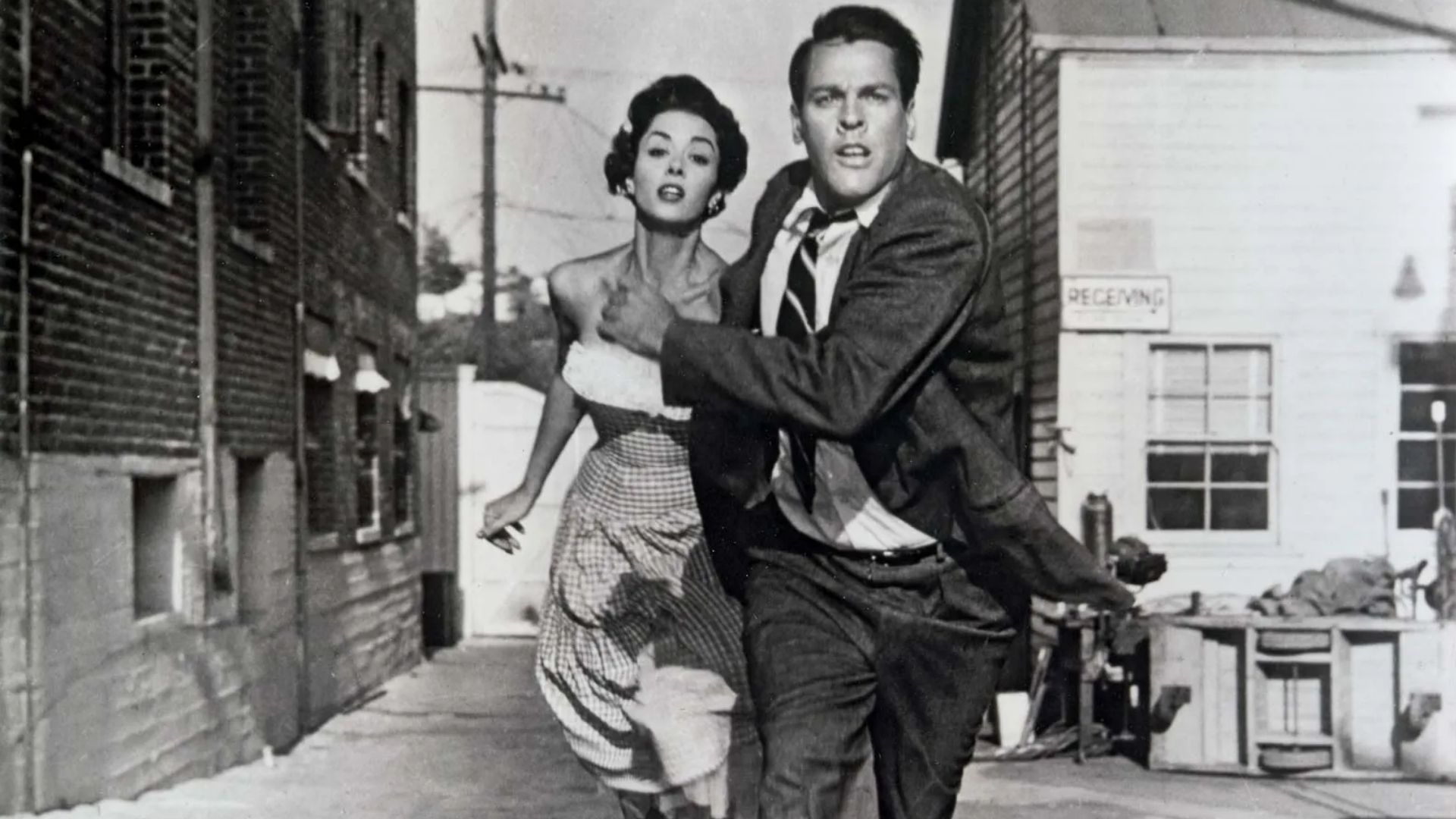
Ever wonder if someone you know is just following the crowd? It’s strange how easily people get caught up in trends and feel pressured to fit in. Watching the classic film The Invasion of the Body Snatchers today feels particularly relevant, tapping into our desire for belonging and a strong sense of self. The movie’s pod people are unsettling because they seem to lack individual thought and personality.
The film implies that many people now value a simple, peaceful life over striving for more, finding complexity draining. This preference for routine is especially noticeable in today’s digital world. Similar to the film’s imagery of pods, we now have AI-generated content that imitates human experiences but often lacks genuine feeling. While the film’s connection to McCarthyism might be a bit of a stretch, it reflects current social and political trends where people are often encouraged to fear those who are different and see them as a threat.
Director Don Siegel later explained the film contained hidden social commentary, emphasizing it focused more on societal issues than political ones. In a 1975 interview with American Cinema Magazine, he stated:
I believed this story needed to be told. It felt like many people are living disconnected lives, almost like they lack genuine emotion or connection to culture, and I wanted to highlight that sense of numbness and apathy.
Even today, Invasion of the Body Snatchers remains a remarkable film. Its striking black-and-white visuals, presented in the 2.00:1 Superscope format, are truly beautiful. The use of tilted camera angles and distorted imagery effectively heightens the feeling of unease and paranoia. Everything else, including the gradual build-up of tension and the realistic sound design, is exceptionally well done.
‘Invasion of the Body Snatchers’ Remakes Vary in Quality
Prime Video
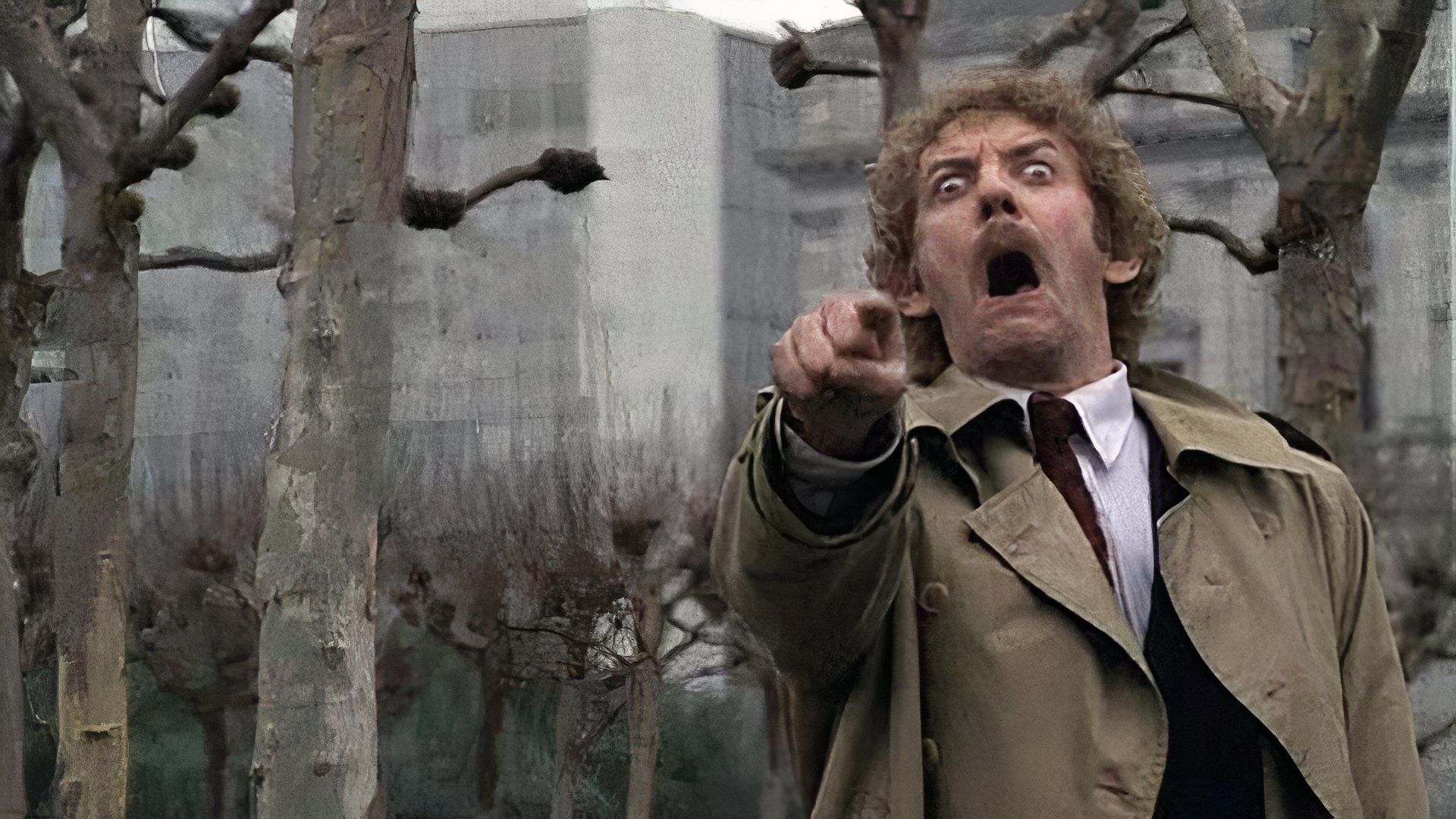
The film Invasion of the Body Snatchers is so well-regarded that it’s been remade three times. The first remake, and second adaptation overall, came out in 1978. Many critics actually prefer this version, boosted by a strong performance from Donald Sutherland, who plays a San Francisco health inspector desperately trying to stay awake to avoid being duplicated.
Subscribe for deeper film history and cultural analysis
Join the newsletter for curator-level film analysis and historical context—deep dives on classics and remakes, thoughtful takes on cultural meaning, and viewing recommendations that sharpen your appreciation of films like Invasion of the Body Snatchers.
Widely considered a fantastic remake in the science fiction genre, this film stands out because its central element possesses a degree of independence – something few other characters have. Many see it as both a criticism of excessive consumerism and a nostalgic look back at the fading spirit of the 1960s counterculture. Plus, it’s filled with fun cameos and references. Director Stuart Siegel makes a brief appearance as a taxi driver, and Kevin McCarthy, who starred in the original film, has a memorable role as an elderly man desperately warning people in the streets.
The 1993 remake of Body Snatchers is just as enjoyable as the earlier films, despite getting more negative reviews. While Roger Ebert admired its realistic portrayal of the characters’ minds, many critics didn’t like how much the filmmakers changed the story, especially by moving the setting from a small town to an army base.
The 2007 remake of Invasion, starring Daniel Craig and Nicole Kidman, is generally considered the least successful version of the story. While it touches on themes of mental health – even portraying serious conditions like encephalitis and ADEM as preferable to the invading force – it lacks a compelling plot and doesn’t offer much psychological depth. The film suffered from a difficult production; Warner Bros. wasn’t satisfied with the initial cut from director Oliver Hirschbiegel and brought in the Wachowskis (of The Matrix fame) to rewrite parts and reshoot scenes, but even their efforts couldn’t save it. Most viewers would be better off skipping this version.
Seen all versions? Which is your favorite?
Invasion of the Body Snatchers
Rating
Specifications
- Release Date
- 1956-02-05
- Rating
- Approved
- Genres
- Horror (Genre), Drama (Genre), Sci-Fi (Genre)
- Runtime
- 80 Minutes
- Cast
- Kevin McCarthy (Person), Dana Wynter (Person), Larry Gates (Person), King Donovan (Person), Carolyn Jones (Person), Jean Willes (Person), Ralphe Dumke (Person), Virginia Christine (Person)
- Director
- Don Siegel (Person)
- Writers
- Daniel Mainwaring (Person), Jack Finney (Person), Richard Collins (Person)
Affiliate Links
- Amazon
- See at Amazon
- Hoopla
- See at Hoopla
- AppleTV
- See at AppleTV
- VUDU
- See at VUDU
- YouTube
- See at YouTube
- AppleTV
- See at AppleTV
- Amazon
- See at Amazon
- YouTube
- See at YouTube
- AppleTV
- See at AppleTV
- YouTube
- See at YouTube
- Spectrum On Demand
- See at Spectrum On Demand
- Amazon
- See at Amazon
- Sky Store
- See at Sky Store
- YouTube
- See at YouTube
- Cineplex
- See at Cineplex
- Prime Video
- See at Prime Video
- Prime Video
- See at Prime Video
- AppleTV
- See at AppleTV
- AppleTV
- See at AppleTV
- VUDU
- See at VUDU
- YouTube
- See at YouTube
- AppleTV
- See at AppleTV
- Amazon
- See at Amazon
- AppleTV
- See at AppleTV
- YouTube
- See at YouTube
- AppleTV
- See at AppleTV
- YouTube
- See at YouTube
- Amazon
- See at Amazon
- YouTube
- See at YouTube
- Cineplex
- See at Cineplex
- Prime Video
- See at Prime Video
- Prime Video
- See at Prime Video
- AppleTV
- See at AppleTV
Read More
- Netflix’s Little House On The Prairie Reboot: Release Date, Cast & Everything We Know
- Off Campus Season 1 Soundtrack Guide
- Silver Rate Forecast
- Prime Video’s New R-Rated Spy Thriller Is Officially No.1 On Streaming Despite Poor Reviews
- Infinity Nikki Candlelight Reverie Challenge and Rewards Guide
- Gold Rate Forecast
- Brent Oil Forecast
- EUR ZAR PREDICTION
- EUR USD PREDICTION
- KPop Demon Hunters Meets Avatar: The Last Airbender In Netflix’s 3-Part Fantasy Series
2026-02-07 01:49