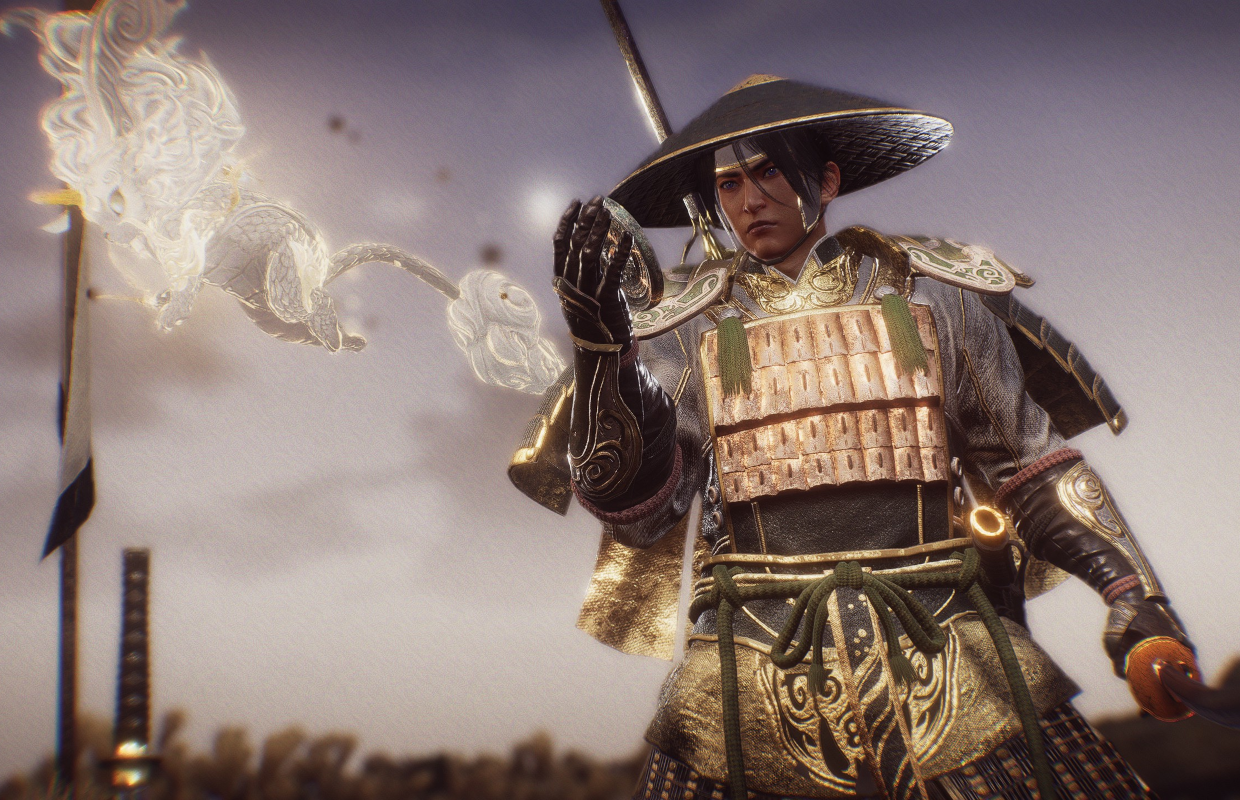
Koei Tecmo is known for games based on Japanese history, and I’ve really enjoyed their action RPGs, Nioh and Nioh 2. These games stand out with their dark fantasy take on history and tough but rewarding combat. When Koei Tecmo started making games set in China’s Three Kingdoms period with Wo Long: Fallen Dynasty, and then explored a different period of Japanese history with Rise of the Ronin, I assumed the Nioh series was finished. That’s why I was so surprised to hear they’re making a new installment, Nioh 3.
I was surprised to see the series move beyond the Japanese Warring States period, as the first two Nioh games already covered most of its key events. The original Nioh focused on the battles of Sekigahara and Osaka, while Nioh 2 explored the lives of Oda Nobunaga and Toyotomi Hideyoshi, two hugely important figures from that time. To keep the series fresh, Koei Tecmo needed to broaden its scope, and that’s precisely what they’ve done.
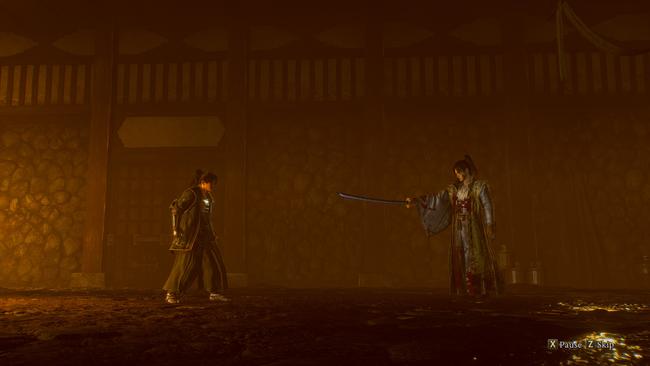
In the early 1620s, Tokugawa Iemitsu became the third Tokugawa Shogun during Japan’s Edo period. He’s best known for later implementing the strict isolationist policy called Sakoku in the 1630s. Interestingly, Iemitsu was originally called Takechiyo as a child – a name also used by his grandfather, Ieyasu. Iemitsu had a younger brother, Tadanaga, who went by the childhood name Kunimatsu. When it was time to choose the next Shogun, there was a significant debate about whether Takechiyo (Iemitsu) or Kunimatsu should take the position, but Ieyasu ultimately decided on Iemitsu.
This story moment sparked the central idea for Nioh 3. Driven by intense envy and resentment after losing his claim to leadership, Tokugawa Kunimatsu falls into corruption and calls upon a monstrous army to attack Edo, aiming to forcefully take power from Takechiyo.
Instead of being killed by his brother, Takechiyo is unexpectedly sent through time. He discovers that the spread of yokai corruption isn’t limited to one period in Japan’s history – it’s a problem that affects all eras, manifesting as a dangerous event called the Crucible. Now, the true heir to the Shogun must train and become powerful enough to save every time period – including his own – from being destroyed by the yokai.
Similar to the previous game, Nioh 3 lets you create a highly detailed character, customizing everything from their facial structure – like cheekbones and jawline – to their overall look. You’ll play as this character, who is portrayed as Tokugawa Iemitsu, often referred to as Tokugawa Takechiyo within the game.
It’s interesting to think about how this compares to creating characters in Nioh 2. In that game, you could really customize your character however you wanted, even designing a ‘waifu’ character – I even made a female version of Takechiyo and imagined her as the Shogun! I think Nioh 2’s story, with its supernatural protagonist Hide, allowed for more freedom in character creation. Because this character is based on a real historical figure, I wanted to keep my version of Takechiyo from looking too different or strange.
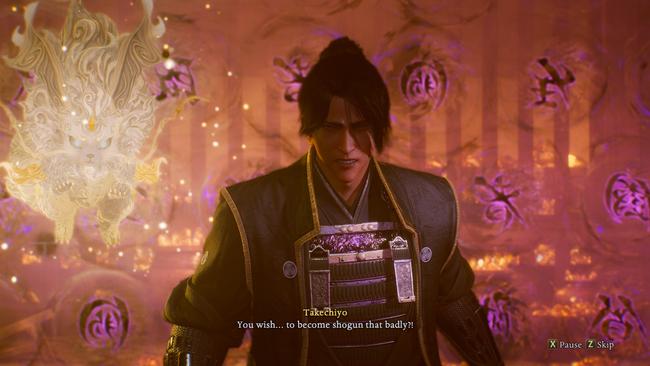
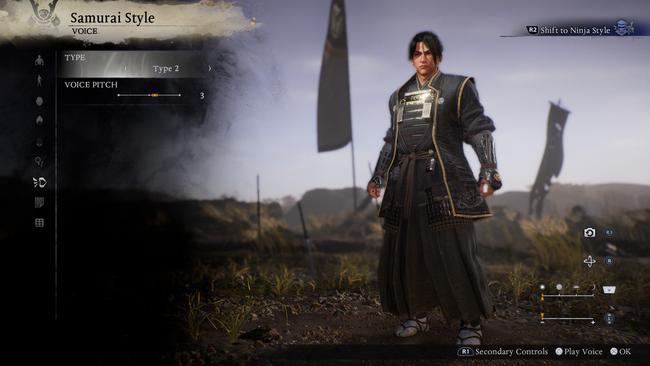
Unlike Hide in the first Nioh 2, Takechiyo has a few lines of dialogue that move the story forward. However, he still speaks less than William, the main character. This might be why there are fewer voice options for Takechiyo – only four in total – though you can change the pitch of each one to create different sounds.
Like the previous game, Nioh 3 offers English voiceovers, but I chose to play with Japanese voices and English subtitles. Since the game is set in historical Japan with a cast of Japanese characters, the original Japanese audio felt more authentic and immersive.
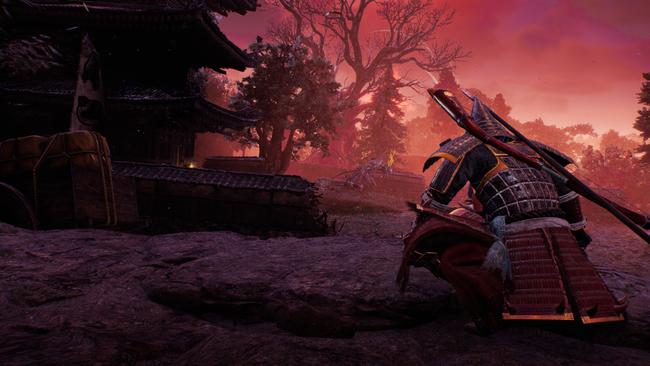
Once you’ve created your character and finished the initial tutorial, the game opens up into a large, expansive field set in historical Japan’s Warring States period. This is where Nioh 3 really starts to differentiate itself from the previous games in the series.
Unlike the previous two games which were structured around a list of missions, Nioh 3 features a large, open world to explore. This world includes dangerous areas like Enemy Bases and Dark Realms, but also offers plenty of side content. You’ll find characters and spirits who give you optional quests called Myths, hidden treasure chests, relaxing hot springs, sets of Six Jizo statues that boost your stats, and helpful creatures called Nigitama.
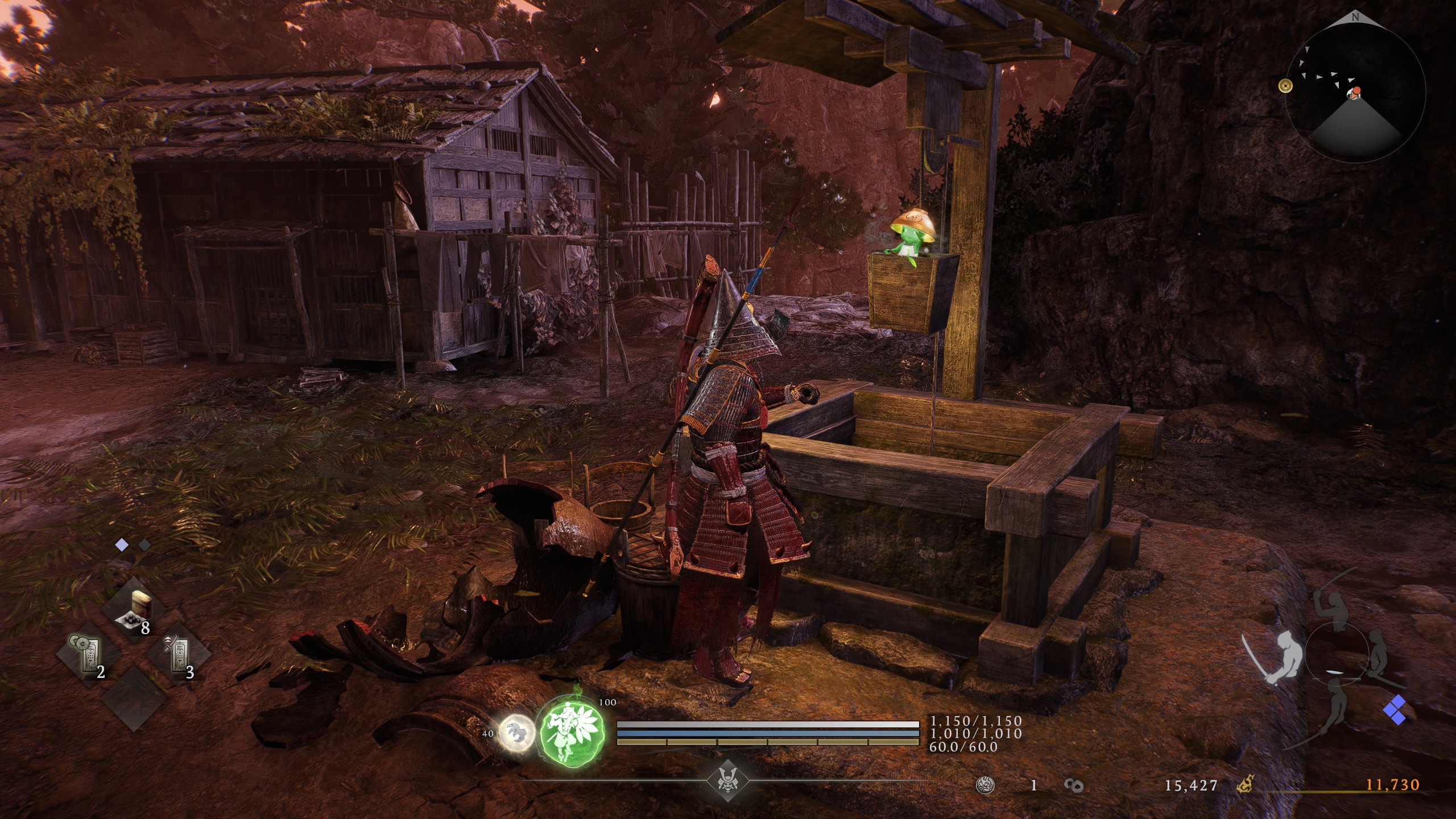
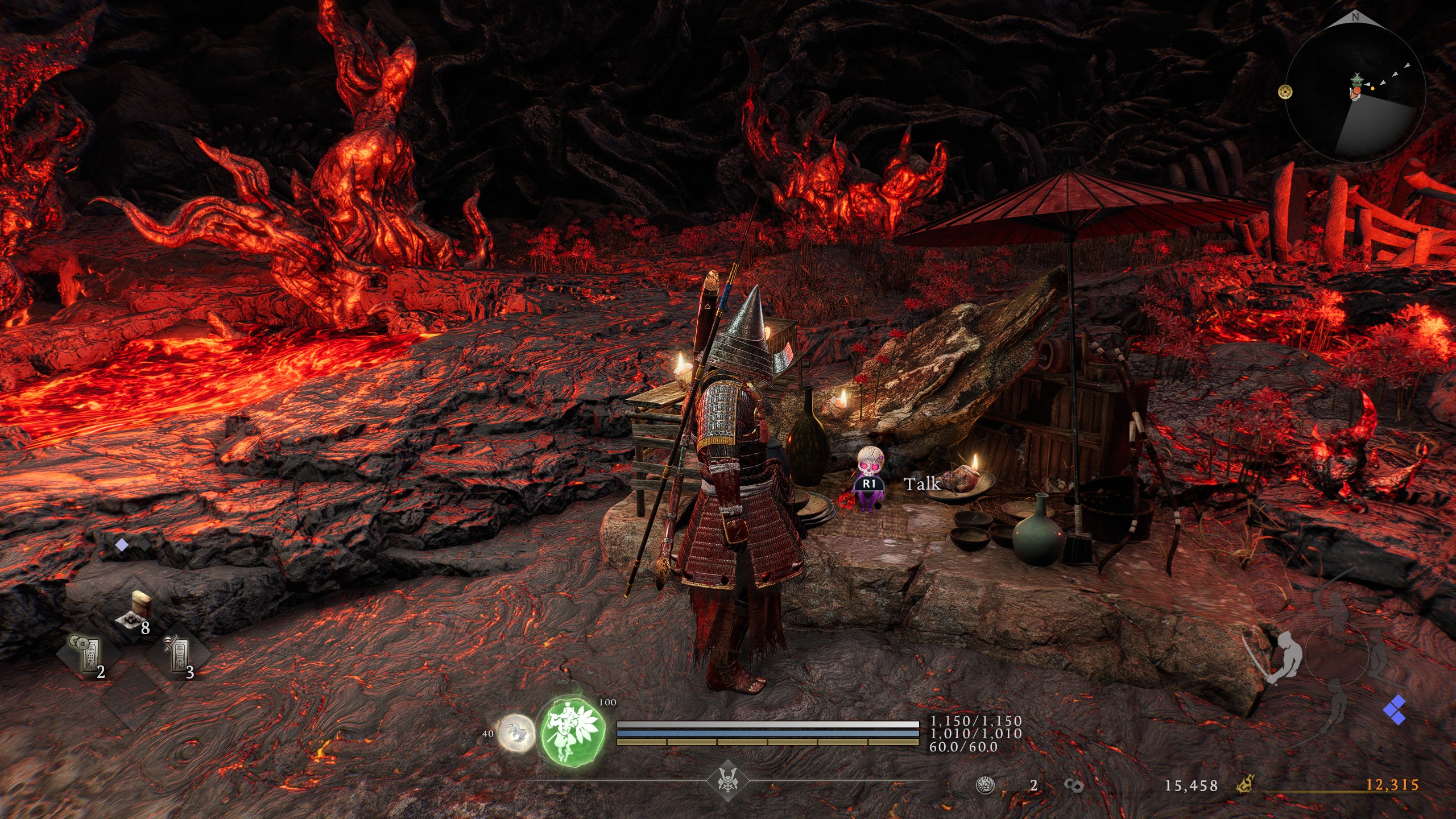
Of the four types of Nigitama, only the purple Sudamas can be interacted with continuously throughout the game. They operate shops where you can buy items. The original Kodama mascots still need to be led to Shrines, and collecting them will slowly improve the effects of your healing elixirs.
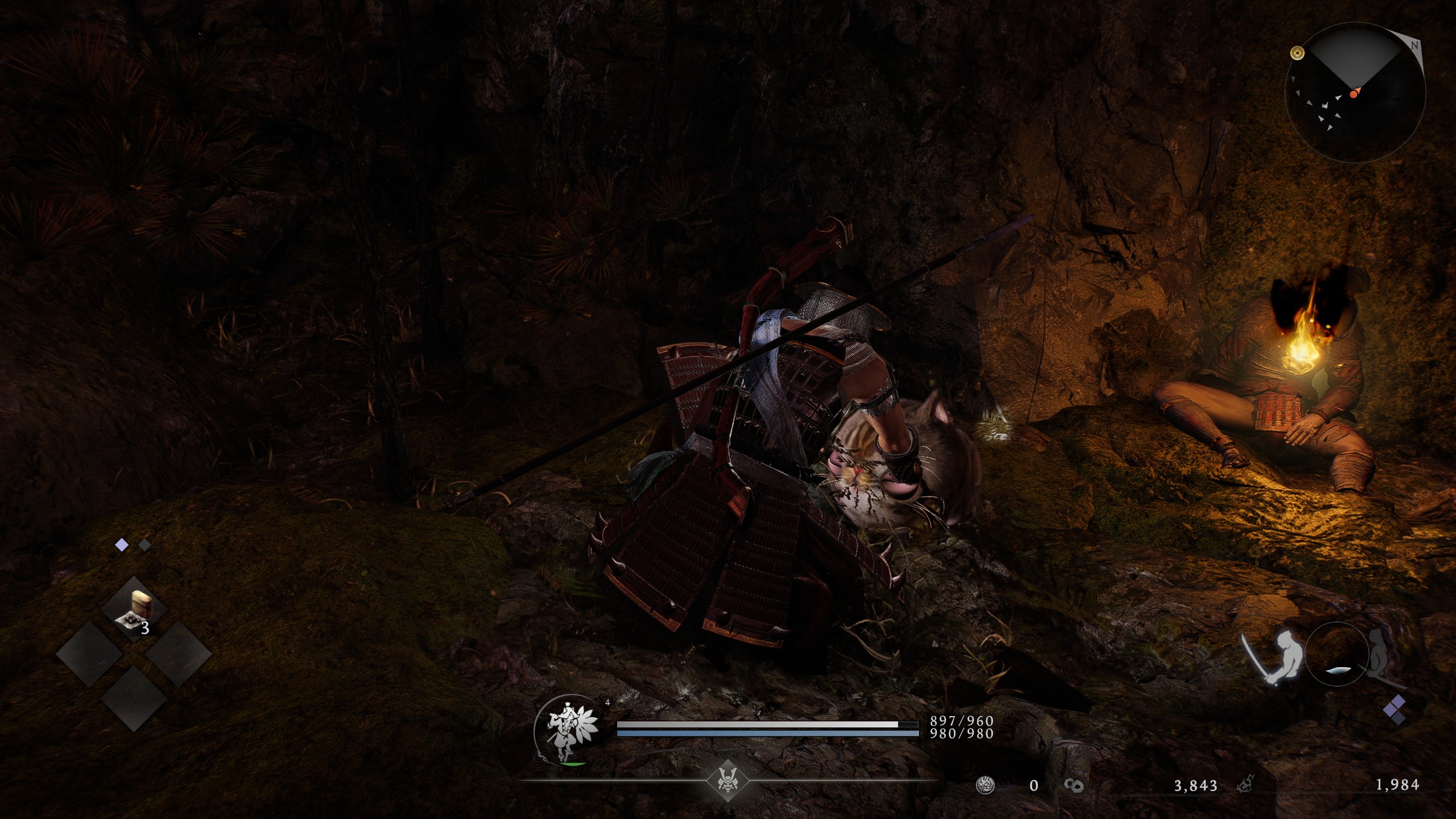
The Scampuss, a creature from Nioh 2, is back, but interacting with it is a little different now. If you try to pet one, it will get spooked and turn into a playful chase, rolling around for you to catch. Each Scampuss is unique – some are shy and require you to sneak up on them carefully, while others will lead you into battles with dangerous yokai that you must win before you can continue.
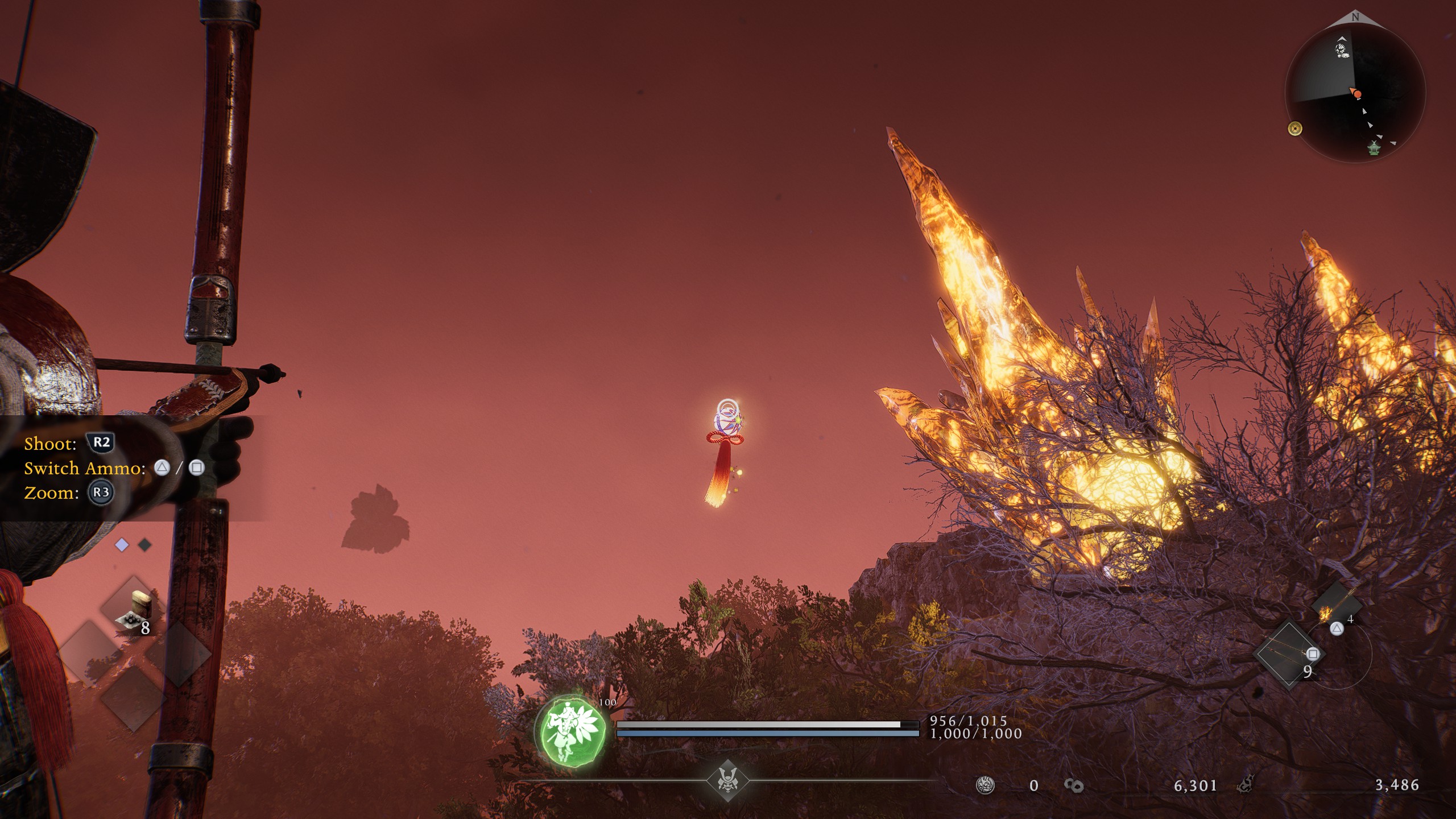
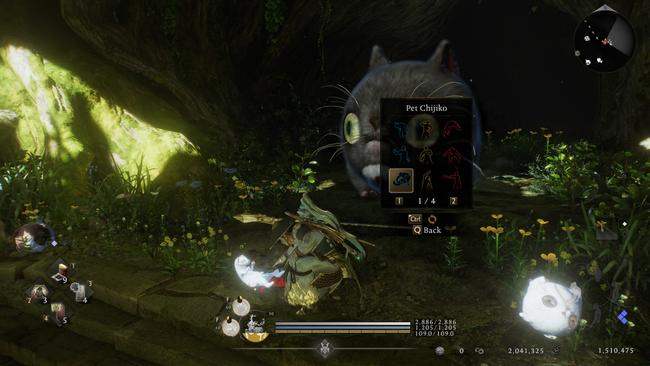
A new creature called Chijiko, a white weasel, has been added to the game. These weasels fly around like bells, and intentionally make themselves targets. If you shoot one down, it will drop near Takechiyo, allowing you to pet it and receive extra benefits. Chijiko fit well into the larger environments of Nioh 3.
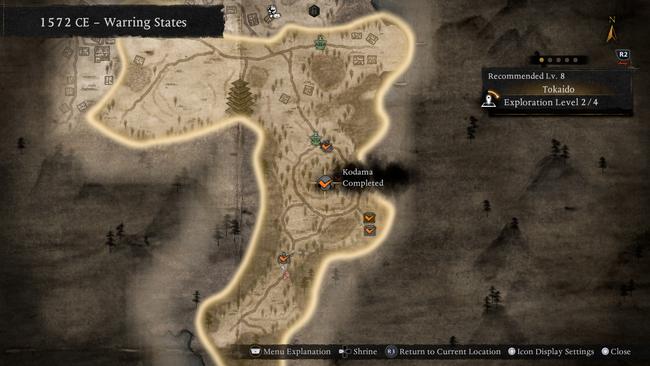
So, Nioh 3 has this cool Exploration Level that goes up the more loot you find in an area – it’s something they borrowed from Rise of the Ronin. As you level it up, you not only get stronger, but the game actually shows you the whole map and where all the collectibles are hidden! Seriously, it’s awesome because you can basically find everything yourself without needing to look up guides online. It makes exploring way more rewarding, knowing the game is helping you out as you go.
To be honest, the new open areas in Nioh 3 feel more like a superficial addition than a fundamental change. The game still largely relies on the series’ traditional linear level design, it just presents it in a slightly different way by removing the loading screens between areas. Even within these open zones, you’re usually limited to only a couple of paths forward, with one often allowing you to sneak up on enemies. Surprisingly, some areas that look like shortcuts, like ledges or cliffs, seem to have invisible walls preventing you from accessing them – something you wouldn’t expect in a typical open-world game.
Beyond the main outdoor areas, levels within caves and the Crucible will also have hidden maps, encouraging players to learn their layout through exploration – a feature familiar from previous games in the series. Certain side quests, found through Battle Scrolls at the Shrine, take place in altered versions of familiar locations from different points in time, and these play very similarly to the side missions in past Nioh games.
The game’s music remains stunning. Yugo Kanno is back to compose the original soundtrack, and he’s joined by Akihiro Manabe, who also worked on Nioh 2. The music during battles and boss fights is especially energetic and feels just as fantastic as the scores from previous games.
The boss fights in this game felt noticeably harder than in Nioh 2. Even though I’m familiar with the series and could usually handle returning bosses without much trouble, I found myself dying a few times on average with each of the new bosses before finally winning.
Once you’ve completed a major stage, it will appear on the Battle Scroll menu, letting you revisit the areas you’ve cleared. However, be aware that replaying a stage through the Battle Scroll will reset any shrine checkpoints if you missed any collectibles unique to that area, forcing you to start the entire zone from the beginning.
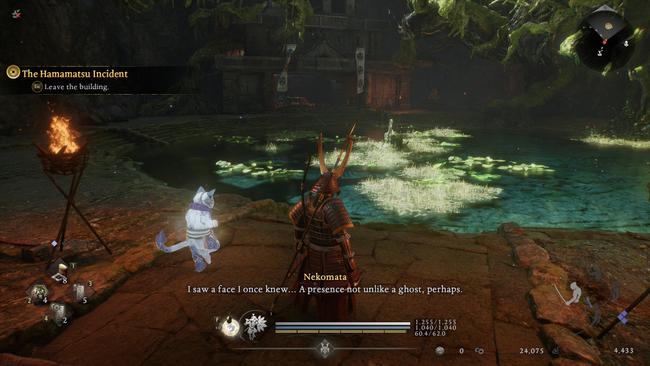
Once you complete the first major Crucible area, you’ll unlock the Eternal Rift, which serves as the game’s main hub. Here, you can learn about your character and the yokai, as well as take on increasingly difficult training missions to unlock new abilities. You can also visit the eternal Blacksmith to create or improve your equipment.
As you progress, you’ll unlock the Hidden Teahouse, a series highlight where you can join a clan and gain helpful gameplay bonuses. You’ll also be able to create a preferred outfit style using the gear you’ve collected, so you won’t have to deal with mismatched armor when you get new items.
Once you’ve completed all the major battles in a historical period, the game moves you onto new eras. I initially compared it to Toukiden 2, but the similarities are actually quite significant. Each era has unique elemental features – for example, the Warring States period has areas with hot lava, and the Heian period includes icy platforms that can slow down your ability to regain energy.
I’m really excited about the new historical periods in this game! The Warring States period, with the Takeda and Tokugawa clans battling it out, feels totally fresh and you don’t need to have played the previous Nioh games to jump right in – it’s a standalone story. But the Heian era is a bit different. It actually picks up right after the story from the Nioh 2 DLC, so if you skipped that, or aren’t familiar with that time in history, you might miss some of the connections and references. It’s still fun, but you’ll get more out of it if you’re caught up!
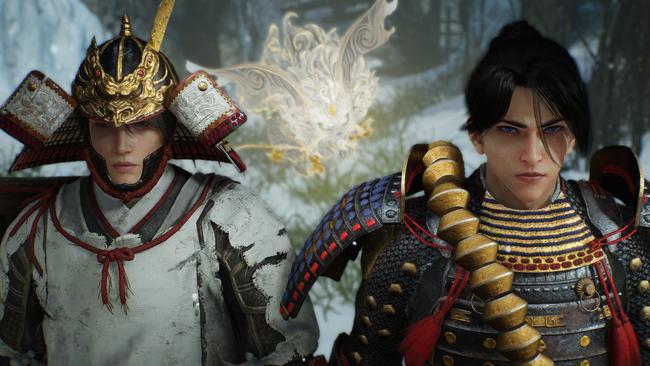
Let’s quickly cover the technical side of things before diving into gameplay. I tested the game on a powerful custom-built PC with a Ryzen 9800X3D processor, an RTX 4070 Ti Super graphics card, and plenty of RAM. I used a 1440p monitor and a PlayStation controller. This setup allowed me to run Nioh 3 at a consistently high frame rate – either 60 or 120 frames per second – with all the graphics settings maxed out for that resolution.
Whenever I started the game with those settings, a warning message appeared, telling me the game might become unstable and crash. Unfortunately, that’s exactly what happened – I experienced a few crashes while those settings were active.
Okay, so I was getting this annoying warning and the game kept crashing. I fixed it by turning down some of the graphics settings – specifically in the Post-Effects and Advanced sections. That stopped the crashes while I was playing, which was awesome. I still got a crash message when I closed the game normally, but I heard the developers, Team Ninja, are already on it and will fix that in the official release.
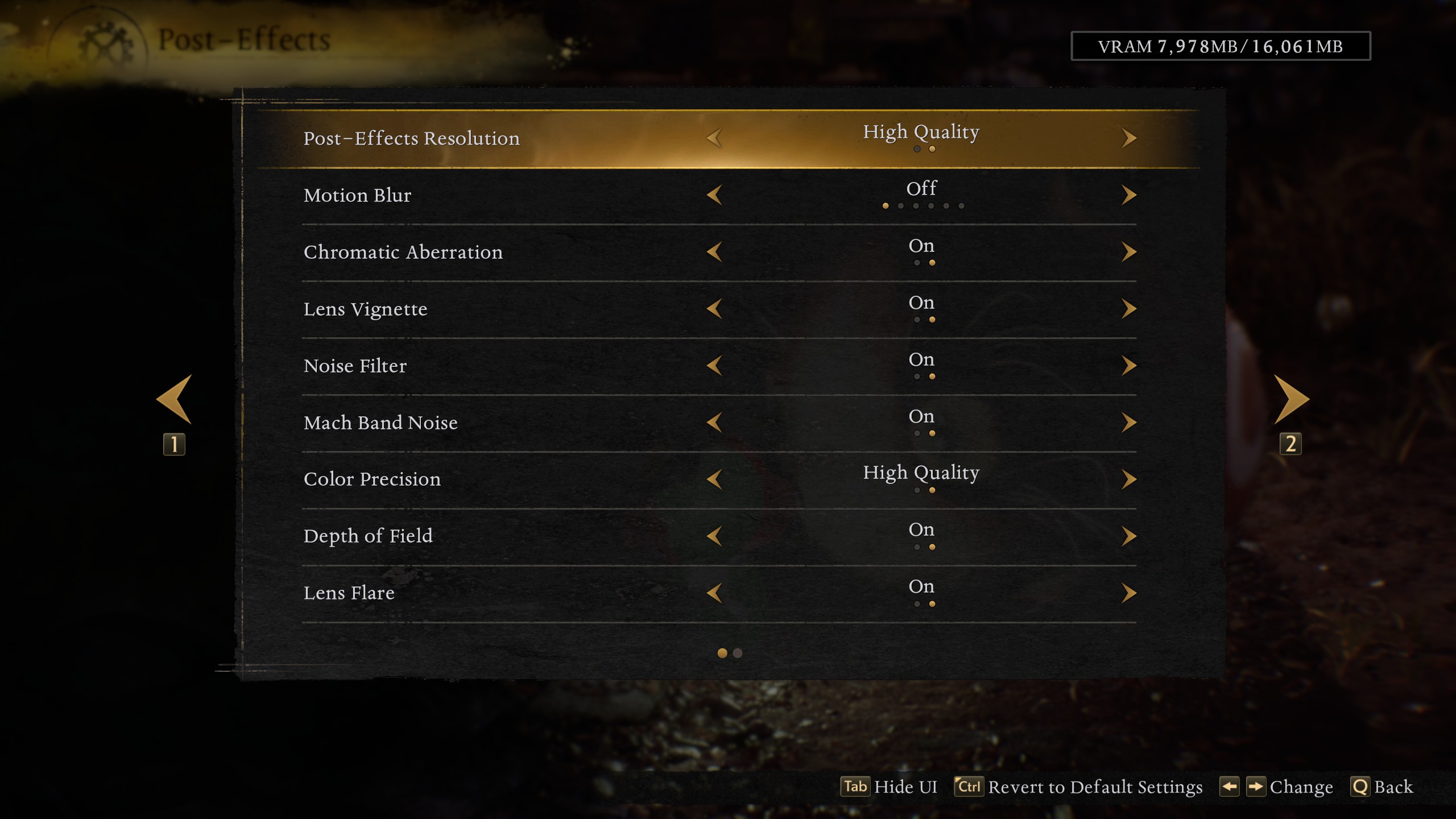
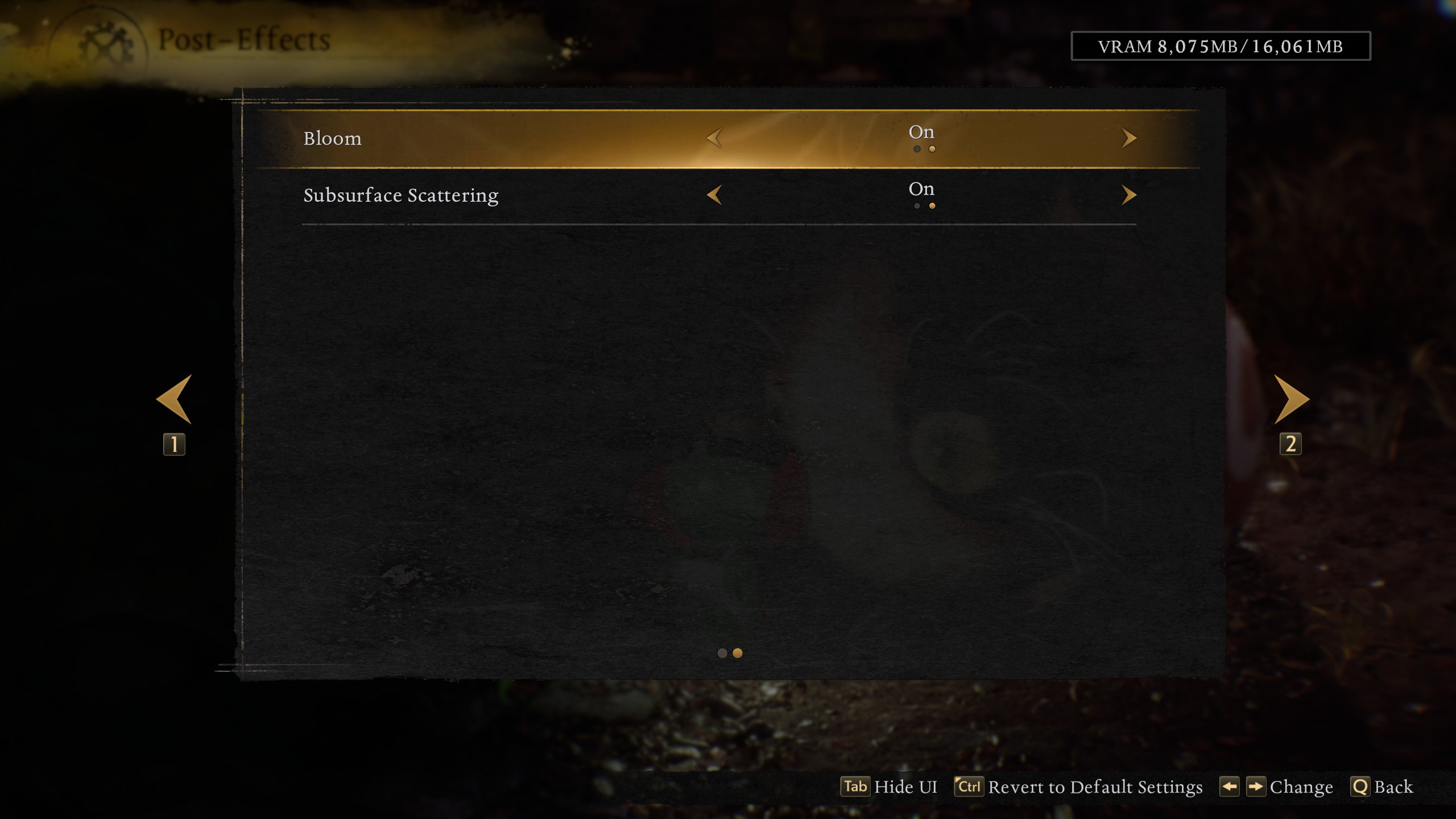
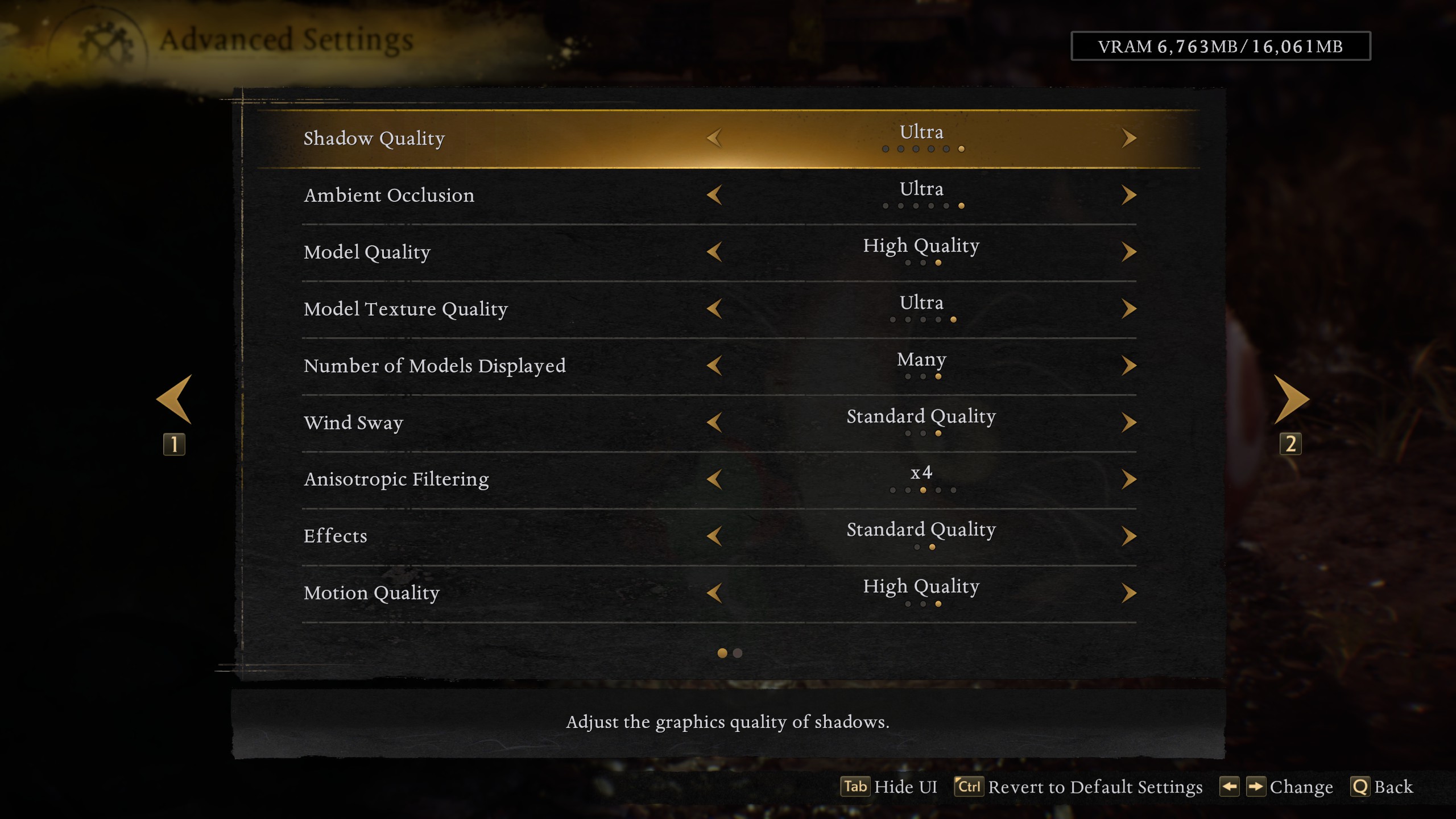
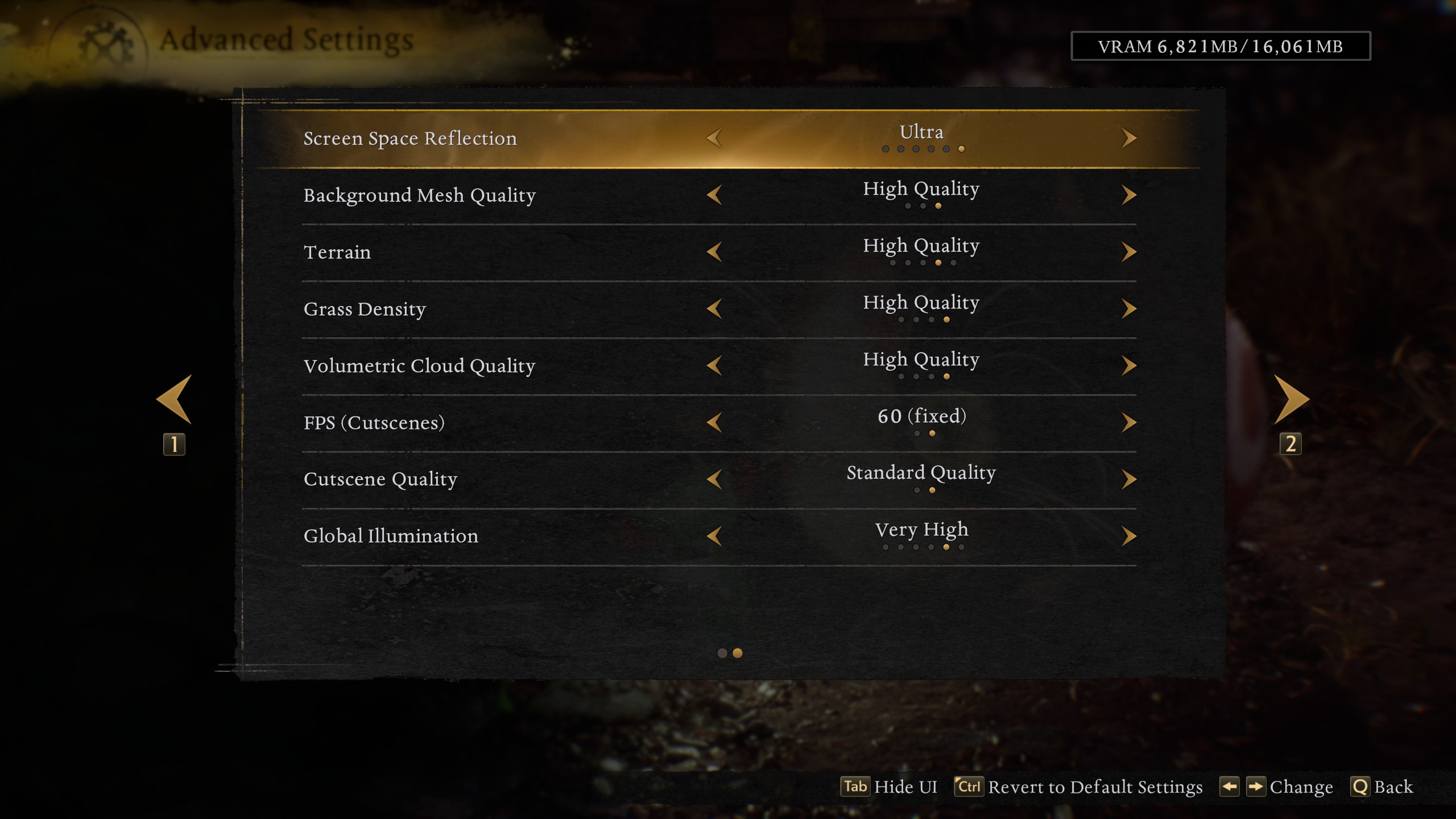
You can also choose to run cutscenes at 60 frames per second instead of the default 30, making them smoother. However, some cutscenes without the character Takechiyo are pre-recorded at 30 fps and can’t be changed. If you enable the 60 fps option, you might notice a jarring switch between different frame rates during these scenes.
We received a review copy for the PC version and also had access to the online servers. The game features a co-op multiplayer mode for up to three players, but I tested it solo because my internet connection wasn’t very stable. Similar to previous Nioh games, you can find the graves of other players and see how they died. You can also leave a helpful grave for others, allowing them to summon your character as an ally, just like in Nioh 2.
Nioh 3 includes the Photo Mode that was added to Nioh 2 after its release, so it’s available right from the start. You can easily create amazing photos by adjusting the camera angle, adding blurs, and applying color filters – no extra editing needed! Plus, you can even jump into Photo Mode during a fight if you’ve set up the key commands first, and an example of how to do that is shown below.
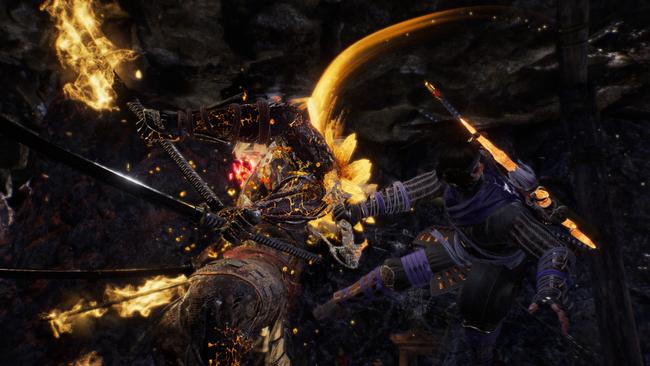
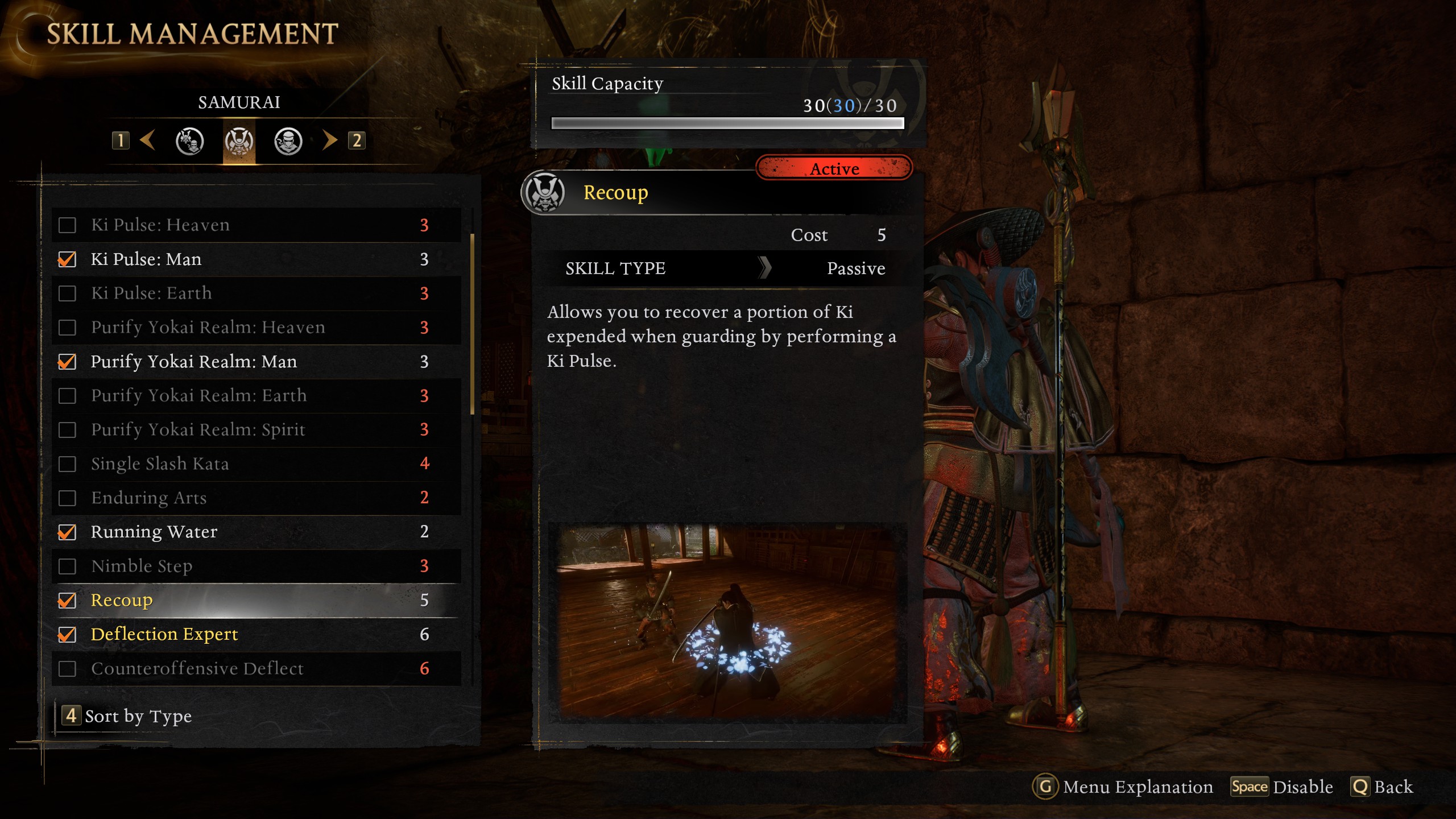
The combat is definitely the best part of Nioh 3. I had some worries based on early demos, but they were addressed as I played, thanks to a lot of new customization options. You find these options—passive abilities that change how your character plays—in treasure chests throughout the game. There’s a limit to how many skills you can equip, based on your skill points, but you can freely switch them around to create a playstyle that suits you.
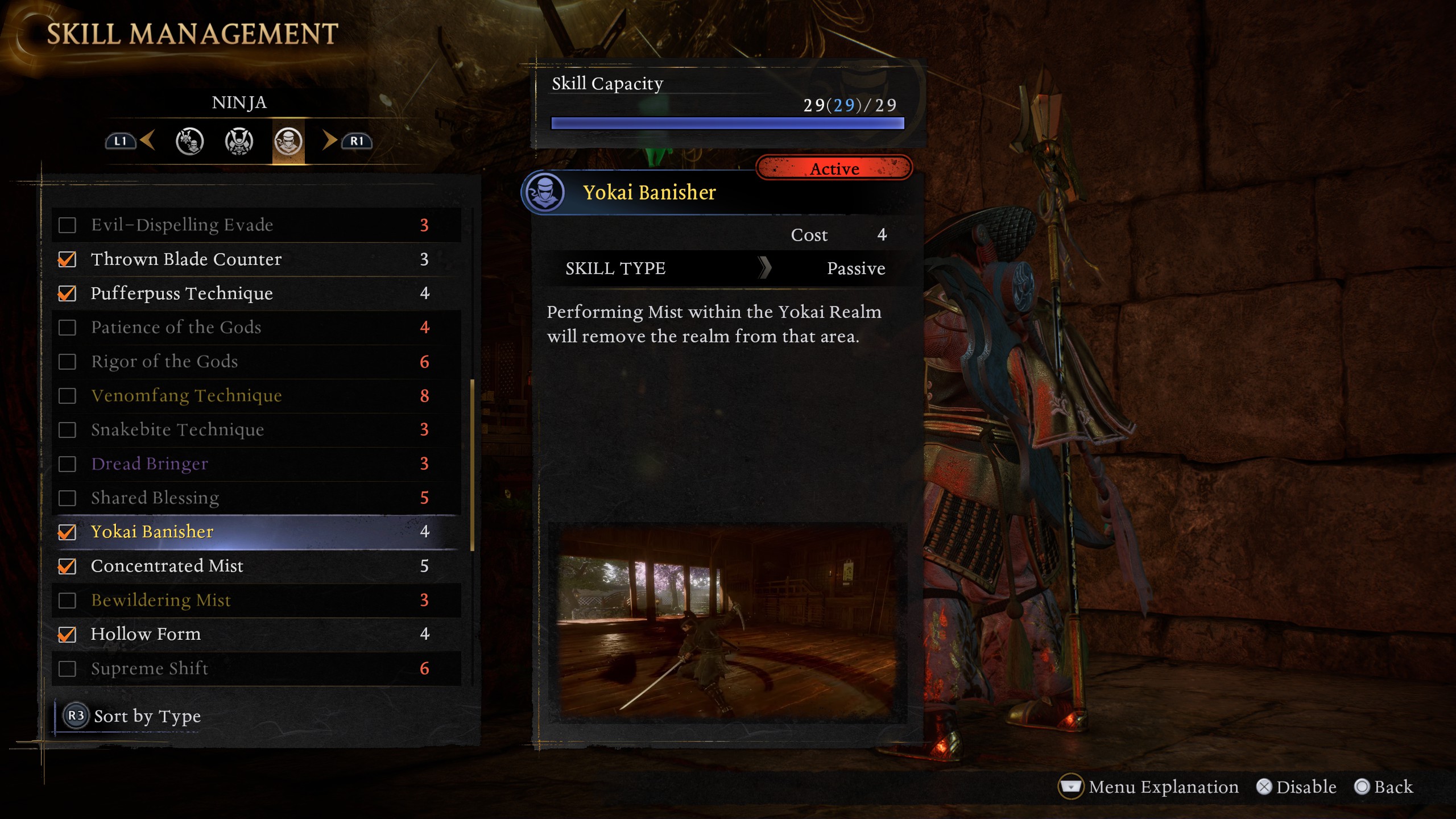
Nioh 3 heavily promoted a new ‘Ninja Style’ of gameplay, contrasting with the traditional style now called ‘Samurai Style’. My first concern with Ninja Style was its inability to cleanse Yokai Realms, which seemed like a significant drawback. However, I discovered an optional Ninja skill that allows me to do just that. This feature helped me appreciate the Ninja Style, as it recovers Ki much faster than the Samurai Style.
The game offers an optional skill called Mist, which works like Ki Pulse for Ninjas. When an enemy touches Mist’s afterimage, you regain more Ki, making it very similar to Ki Pulse. Additionally, while precise timing is important for Deflect and Burst Break parries, there are skills that make the timing windows more forgiving.
I’ve also observed that some abilities previously tied to specific weapons are now available as optional skills. As someone who enjoys a defensive playstyle focused on blocking in Samurai Mode, I particularly like a skill that creates energy from stamina used when blocking. This skill used to require a specific type of weapon in the previous game, but now I can use it with any weapon, which is great!
Nioh 3 has removed Blessed and Yokai Weapons, replacing them with Crucible Weapons. These new weapons allow you to learn unique martial arts. However, like fighting in Crucible areas, taking damage while affected by a Crucible will cause Life Corrosion – a reduction in your maximum recoverable health. You can counteract this by attacking enemies or using healing items.
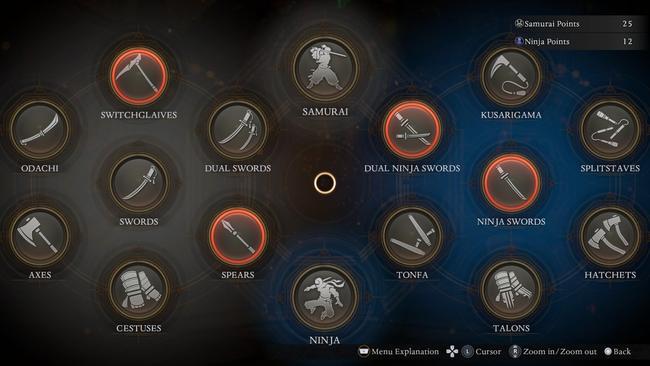
The game begins with a limited selection of weapons and only one combat stance as part of the tutorial. You’ll unlock the rest of the weapons and additional stances as you play. While this makes the beginning feel more restricted compared to previous games, your options will expand over time. Each style – Ninja and Samurai – has its own unique weapons. Samurai weapons let you switch stances, while the same button combinations for Ninja weapons activate special Ninjutsu abilities and tools.
Nioh 3 includes all the weapons from previous Nioh games and their expansions. Building on Nioh 2’s 11 melee weapon types, Nioh 3 introduces Ninja versions of the Sword and Dual Swords, and separates the Fist weapons into Cestuses for Samurai and Talons for Ninja. This brings the total to 14 melee weapon types, with 7 available for each character Style.
During your first time playing, you’ll eventually find and deal with everything interactive on the maps, like creatures to collect and dangerous areas. Besides fighting bosses and completing Crucibles, you’ll spend most of your time in Nioh 3 ‘clearing’ different zones. After finishing the main story – which took me around 80 hours with all the side quests – a harder post-game mode unlocks. This restores enemy bases, either automatically or with your help, meaning there will always be new hostile zones to explore and clear.
You can always pet Scampusses and Chijikos, even after finding all their usual locations! Colorful Scampusses are always available in the Eternal Rift, and you can summon a Chijiko to pet using a special emote you can unlock.
One of the biggest letdowns in Nioh 3 is how few friendly characters you encounter. Even after you’ve worked to restore areas, there’s hardly anyone to interact with, even in places you’ve saved. You can really only have conversations with the main story characters once you’ve completed their side quests, and with the Masters you’ve defeated.
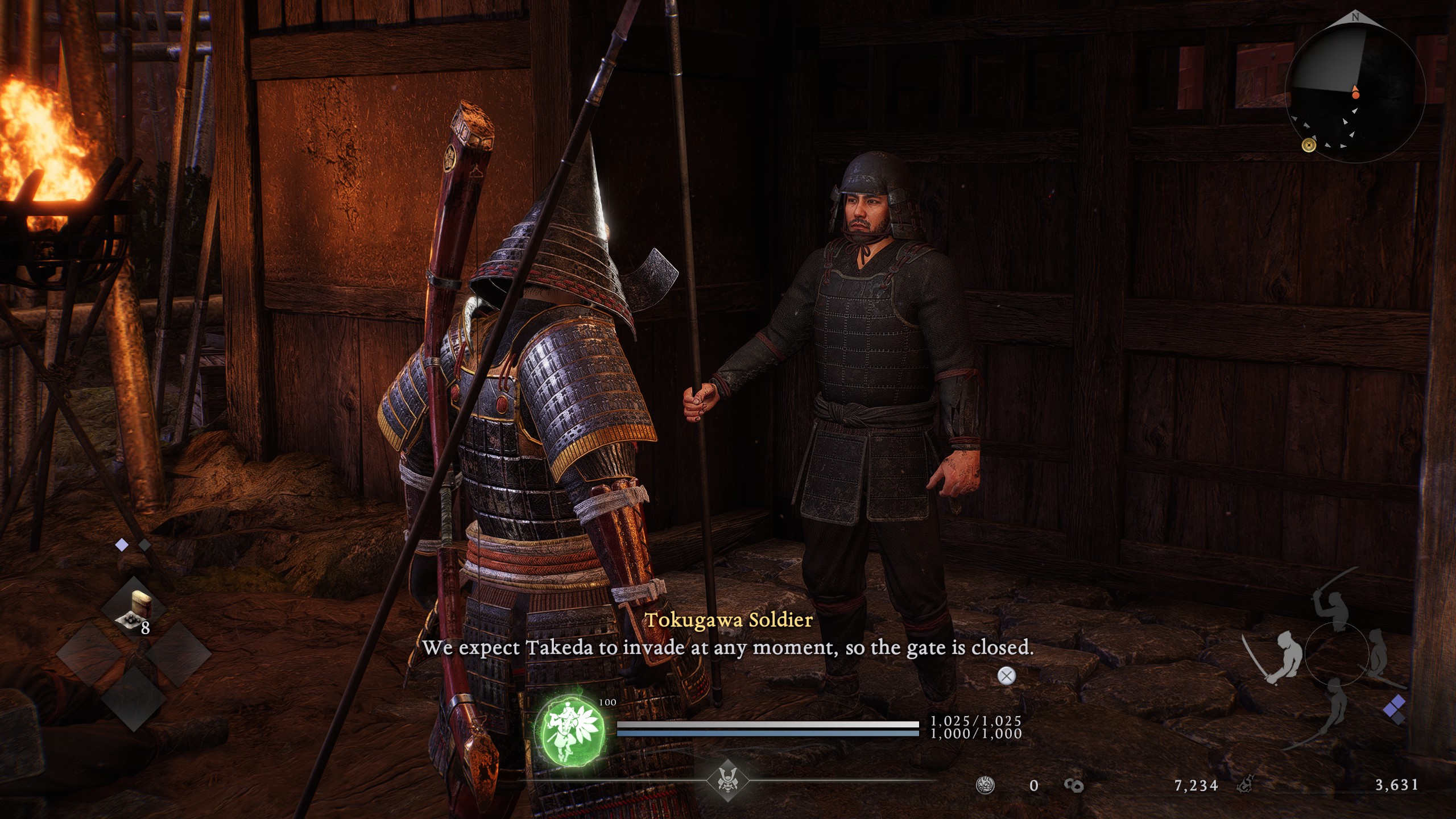
Early in the game, I briefly encountered some Tokugawa soldiers guarding a post against an approaching Takeda army, and they were actually interactive. But once I moved past that area, they disappeared, leaving the outpost empty like most other places in the game. It’s also disappointing that minor ally generals, like Sakai Tadatsugu and Sakakibara Yasumasa, who appear in battles, aren’t anywhere to be found in the rebuilt castle town. Team Ninja could have easily added them there, giving the town more life.
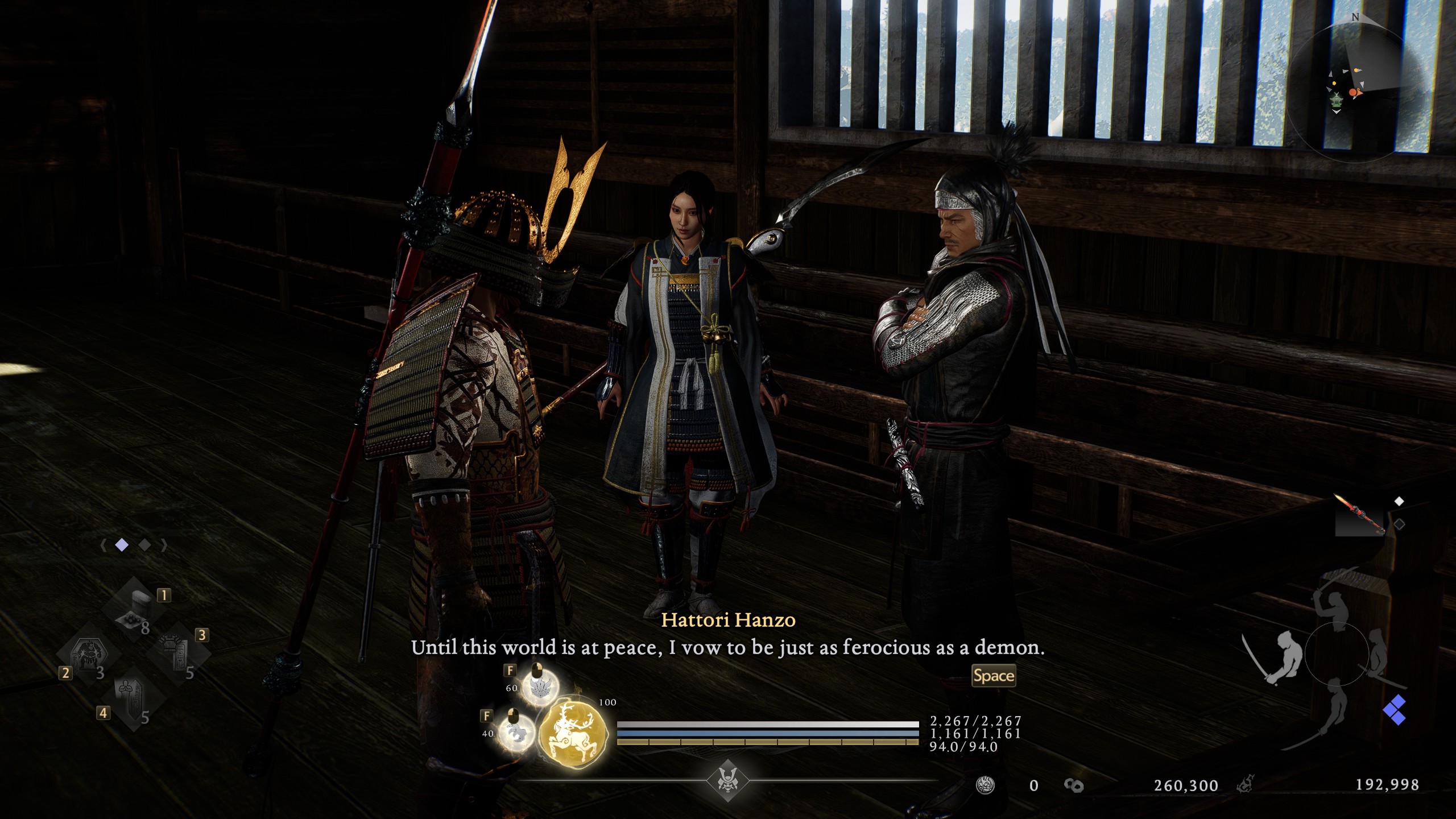
Okay, so I was playing, and I cleared this first area, Hamamatsu, getting rid of all the bad guys. But it was really strange. I expected to see people coming back, soldiers starting to rebuild, you know, a sense of things getting better. Instead, it was just… empty. Like, yeah, the monsters were gone, but it didn’t feel like I’d saved anyone. There was no sense of peace or restoration, and honestly, it pulled me right out of the game. It started feeling less like a real place and more like just a map for finding stuff.
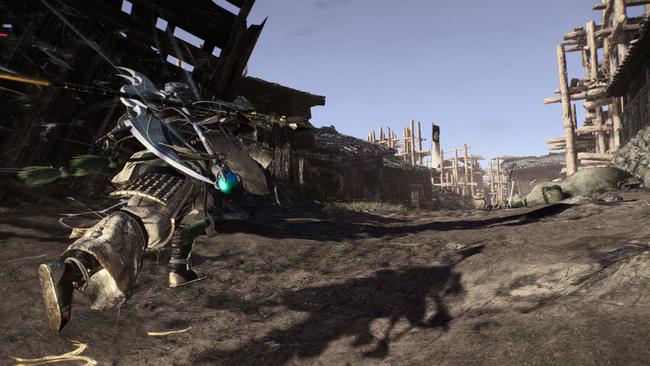
Similar to my disappointment with Dynasty Warriors Origins, I was frustrated to see characters from previous games left out of this new installment, especially when they could have easily been included. For example, Torii Mototada, a long-serving retainer of Tokugawa Ieyasu who appeared in the first Nioh, was absent. While his exclusion from Nioh 2‘s Battle of Anegawa was understandable since the Tokugawa clan wasn’t central to that story, his complete absence in Nioh 3 is noticeable and makes the limited cast of characters feel even smaller.
Many players have asked if William, a character from previous games, makes an appearance in Nioh 3, either as a quick cameo or a boss fight. Unfortunately, he doesn’t – he’s only briefly mentioned by a few characters. This makes sense historically, as the real William Adams wasn’t involved in the 1572 conflicts and had passed away in 1620, before the events of Nioh 3 begin in 1622. His son, Joseph, who was in Nioh 2, also doesn’t appear. In fact, Nioh 3’s character roster feels smaller compared to earlier games, even though the story jumps across different time periods.
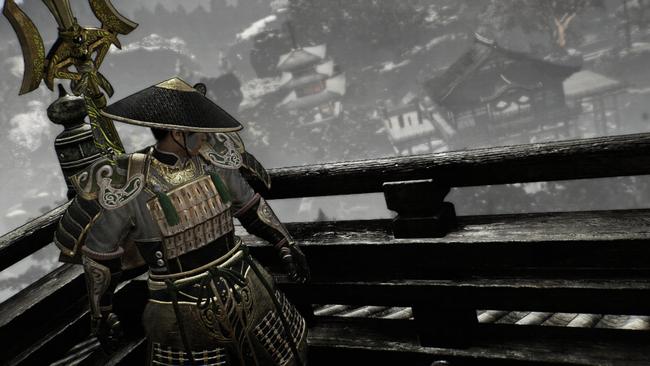
The original Nioh was a surprising and impressive launch after years of development, and Nioh 2 improved on its gameplay and story. However, Nioh 3 feels somewhat forced, experimenting with the established formula and leading to inconsistent results. While fans who enjoy the challenging combat will find plenty to love – the action is even more diverse this time around – those hoping for a strong narrative and immersive world might be disappointed. Hopefully, Team Ninja will learn from this experience as they move forward, especially if they ever develop a sequel to Wo Long.
Versions tested: PC. Nioh 3 is also available on PlayStation 5.
Read More
- Netflix’s Little House On The Prairie Reboot: Release Date, Cast & Everything We Know
- Off Campus Season 1 Soundtrack Guide
- Infinity Nikki Candlelight Reverie Challenge and Rewards Guide
- Gold Rate Forecast
- Silver Rate Forecast
- Brent Oil Forecast
- Prime Video’s New R-Rated Spy Thriller Is Officially No.1 On Streaming Despite Poor Reviews
- KPop Demon Hunters Meets Avatar: The Last Airbender In Netflix’s 3-Part Fantasy Series
- EUR ZAR PREDICTION
- The Hunting Wives Star Teases “Wild” Major Character Death in Season 2
2026-02-04 17:11