The potential merger between Netflix and Warner Bros. Discovery is now seen as much more than just a business deal. What started as a simple consolidation between two major entertainment companies has sparked a larger conversation about who controls cultural narratives, the impact of media influence, and whether one company should have so much power over the stories told in America.
The main issue is Netflix trying to buy important parts of Warner Bros. Discovery. This would join the biggest streaming service with one of the oldest and most famous movie and TV studios. While large deals like this usually raise questions about fair competition, some conservative groups believe this merger could have much bigger implications than just how much of the market one company controls.

Policy groups connected to the Heritage Foundation are spearheading the discussion around the Netflix-Warner Bros. Discovery deal. Their experts believe the deal’s impact goes beyond just business competition, potentially affecting culture and beliefs in the long run.
They believe Netflix is more than just a streaming service; it’s become a hugely influential platform for spreading progressive ideas, potentially the most powerful in modern media. The proposed deal with Warner Bros. Discovery (Netflix WBD) would significantly increase that impact.
Why Conservatives Are Focusing on Ideological Power, Not Just Market Share
A recent report from the Oversight Project – a policy initiative connected to the Heritage Foundation – highlights growing concerns about Netflix. The report encourages federal regulators to recognize Netflix not just as an entertainment company, but as a powerful cultural influencer with the ability to significantly shape public opinions and values due to its massive reach.
The reports recommend that federal regulators carefully review the merger between Netflix and Warner Bros. Discovery. They also address the potential cultural impact, boldly stating that Netflix is “the most powerful platform ever for spreading political and ideological messages.”

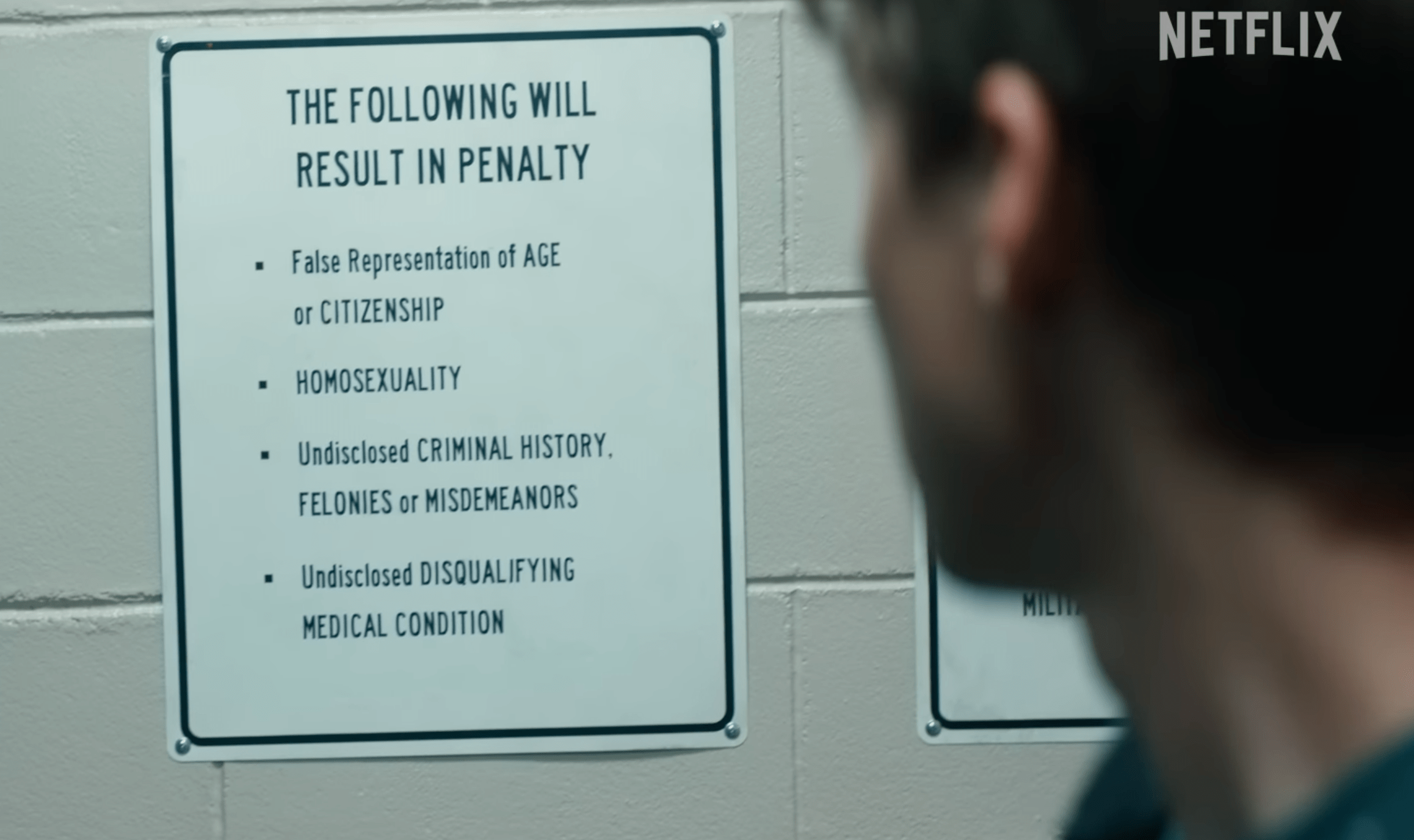
The way Netflix talks isn’t accidental. It shows a belief that streaming services do much more than just provide entertainment. Thanks to its worldwide availability, the way it recommends shows, and the sheer amount of content it offers, Netflix is thought to be influencing culture on a level never seen before in media. The company has consistently promoted certain ideas through shows aimed at children, like Strawberry Shortcake and The Transformers, as well as popular series like Stranger Things and documentaries produced with Barack Obama.
Those raising concerns about Netflix acquiring Warner Bros. Discovery aren’t suggesting censorship. They’re wondering if combining these media giants would give one company unprecedented control over the stories we see and how they’re told.
They believe antitrust laws need to consider more than just prices and competition. They should also address the power these companies have, particularly as entertainment content increasingly shapes social and political conversations.
The Warner Bros. Discovery Factor
Warner Bros. Discovery offers much more than just a larger library of streaming content. They own a vast collection of classic films and popular TV shows, well-known brands like HBO, and established connections with movie theaters and international partners.
If Netflix and Warner Bros. Discovery merged, the resulting company would have an unmatched ability to distribute content through streaming and traditional channels worldwide. However, some worry this could stifle creativity, limit opportunities for independent filmmakers, and make it harder for new and different perspectives to gain traction.
Those concerned about this deal aren’t necessarily objecting to the shows and movies Warner Bros. makes. Their main worry is that giving Netflix control of so much content would give one company even more influence over what stories get told and how we see the world.
Capitol Hill Takes Notice
The proposed merger between Netflix and Warner Bros. Discovery is facing scrutiny in Washington D.C., with many members of Congress indicating it won’t be approved without a thorough review. Senate committees are planning hearings to assess the deal’s potential impact on things like workers’ rights, movie theaters, how much consumers pay, and the overall health of the entertainment industry.

This increased attention to corporate mergers is happening while President Trump is in office. He has a history of questioning large mergers that could lead to monopolies, and he’s repeatedly raised concerns about industry consolidation that might hurt competition or American jobs.
The opposition to the Netflix and Warner Bros. Discovery deal isn’t about political parties. It stems from a general worry about powerful companies gaining too much control, particularly when that control affects what we watch and the stories being told.
A Power and Precedent Debate
Some news reports have dismissed conservative concerns as simply part of the culture wars, but those who want a closer look at Netflix say the issue is much more important than that. They insist that questioning Netflix’s size and power isn’t about limiting free speech or unfairly using regulations against the company.
Instead, it is an argument about precedent.
As a big fan of shows and movies, I’m a little worried about Netflix potentially buying up Warner Bros. Discovery. Some experts are saying that if regulators don’t really look closely at this deal, it could set a dangerous precedent. It might mean that when these media giants merge, things like the diversity of stories we see and the ideas those stories promote won’t be considered at all – and that just doesn’t feel right.
While many recognize Netflix’s achievements, the potential deal between Netflix and Warner Bros. Discovery could fundamentally change the entertainment industry, altering how content is made, shared, and promoted forever.
What Comes Next for the Netflix WBD Deal?
It will probably take many months of checks by regulators, discussion among politicians, and attention from the public to decide if the Netflix and Warner Bros. Discovery deal can go ahead. The decision won’t just be about how much of the market the combined company would control, but also about the bigger impact of having so much power over streaming entertainment concentrated in one place.
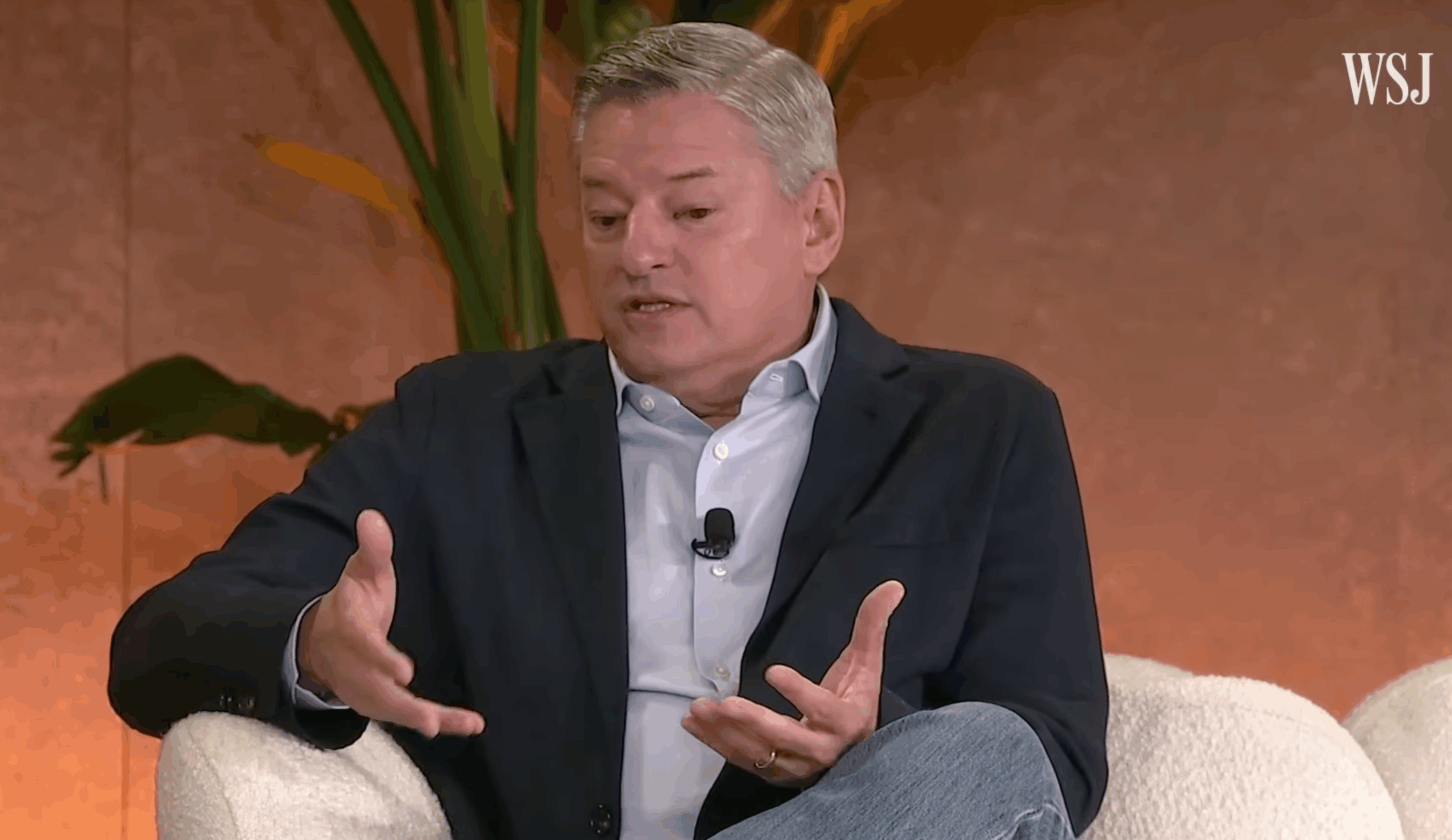
It’s become really clear to me that the Netflix and Warner Bros. Discovery deal is about way more than just the entertainment industry. It feels like everyone’s watching to see what this means for power, how much media consolidation is okay, and what the future of watching TV and movies will even look like. It’s a huge moment, and I think it will set a precedent for how we view these things going forward.
Conservatives aren’t worried about Netflix having an opinion, but rather if any one company should have so much influence over what stories are told globally.
Read More
- Netflix’s Little House On The Prairie Reboot: Release Date, Cast & Everything We Know
- Off Campus Season 1 Soundtrack Guide
- Silver Rate Forecast
- Prime Video’s New R-Rated Spy Thriller Is Officially No.1 On Streaming Despite Poor Reviews
- Gold Rate Forecast
- Brent Oil Forecast
- Infinity Nikki Candlelight Reverie Challenge and Rewards Guide
- EUR ZAR PREDICTION
- Bulgakov’s Take: Koreans Bet the Farm on Chips, Crypto, and Chaos
- Inkford Hermitage Chest Locations In HSR (Honkai: Star Rail)
2026-02-03 20:58