Many cultures distinguish between ghosts and ancestors based on whether people still remember and honor them. The film Rock Springs begins by exploring ghosts as a manifestation of grief – a common theme in this genre. The story follows Emily, a recent widow, who moves with her daughter, Gracie, and her mother-in-law to a secluded cabin in Wyoming near the woods. However, the film quickly moves beyond typical ghost story tropes. Writer and director Vera Miao skillfully builds a haunting atmosphere while thoughtfully examining difficult themes like trauma, historical injustices, and the resilience of communities formed by those living far from their original homeland.
The movie unfolds in chapters, beginning with Gracie, a young girl who has become silent after her father’s death. The family struggles to connect, both due to their grief and the challenges of different cultures. Gracie’s grandmother, a Chinese immigrant who only speaks Mandarin, tries to help Gracie cope by teaching her traditional prayers for the deceased. Meanwhile, Gracie’s sister, Emily, is Vietnamese and was raised by white parents, adding another layer of disconnection. This fragmented family dynamic is reflected in the film’s storytelling, which shows events repeatedly from various characters’ points of view.
Both the mother and daughter realize they moved during the seventh month of the lunar calendar, a time when spirits are believed to roam. They’re especially cautioned about “hungry ghosts,” which are said to be able to snatch people away.
The movie starts slowly and feels unoriginal. For much of the beginning, it borrows ideas and styles from other horror films, which might frustrate viewers hoping for something new or scary. It takes a while for Rock Springs to find its own voice and build tension, even after key moments like Gracie’s fascination with a strange doll or her unsettling encounters in the woods.
The film doesn’t fully reveal its purpose until about halfway through, with a powerful scene depicting Rock Springs as it was 140 years ago. This sequence focuses on Wong, playing a Chinese immigrant working in the Rock Springs coal mines alongside his nephews (including Jimmy O. Yang). The scene shows the men relaxing on their day off when they are violently attacked by a mob of white miners. Their homes are burned, and several are killed. This brutal sequence, filmed and edited differently from the rest of the movie, is what viewers will likely remember most. Miao boldly challenges the audience to confront these horrors directly, refusing to look away.
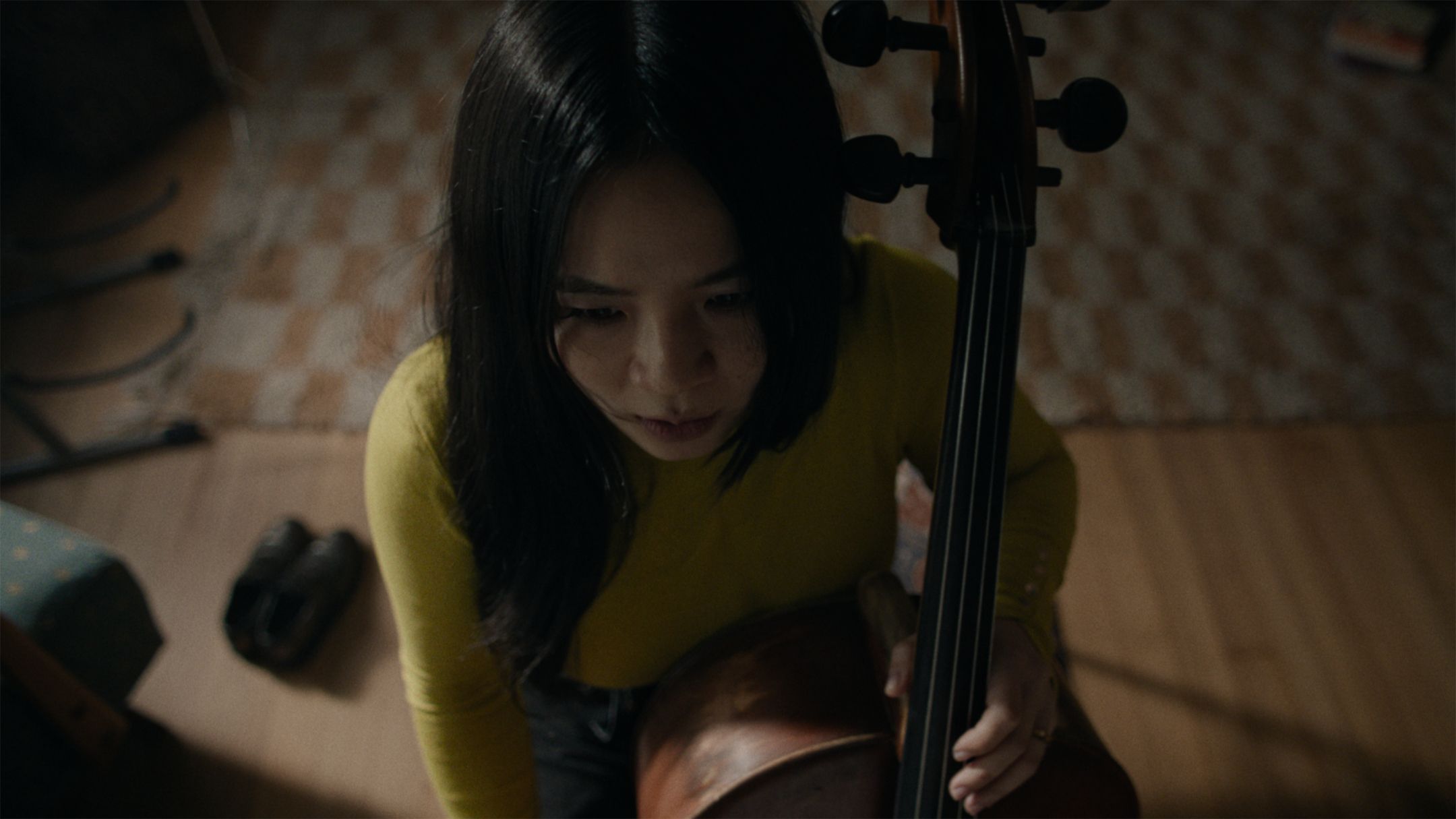
The effects of past traumas continue to surface today, often manifesting as subtle, hurtful behaviors instead of overt violence, helping us understand the pain that lingers. As the story of Rock Springs unfolds, Miao skillfully builds suspense and a chilling atmosphere. A scene featuring Emily playing the cello is particularly effective, creating a sense of dread as she repeatedly looks over her shoulder, fearing her deceased husband is watching. These moments work together seamlessly. Tran gives a powerful performance as a mother grappling with her identity as an Asian American, profound loneliness, and the challenge of holding her family together across generations.
The movie definitely has some flaws. The story feels fragmented, and the way the “hungry ghosts” are depicted is a bit strange. When they’re finally shown, it turns out they aren’t ghosts in the traditional sense—it’s actually just one large, monstrous creature.
Choosing a tragic past to explain the haunting is understandable, but depicting the ghost as a monstrous creature resembling Monstro Elisasue – especially when the father’s ghost appeared pale and human – feels odd. Furthermore, representing multiple victims as a single, combined entity makes you wonder what deeper meaning that choice holds.
Miao clearly wants us to think carefully about how we deal with difficult events from the past. Even though Rock Springs is unsettling and visually disturbing at times, Miao directs it with a surprising amount of sensitivity. It’s more than just a scary movie; it suggests a way to move forward and heal. This is especially clear in the ending, where the actor Tran’s performance combines beautifully with Miao’s overall approach to remembering and paying respect to those who came before us.
Connecting ghost stories to forgotten historical tragedies feels right. When done effectively, these stories can educate people about events they didn’t know – I, for example, learned about the 1885 Rock Springs massacre through the film – and offer a way for those already familiar with the history to process it and begin to heal. While the film takes some time to fully engage and has a few odd choices, Rock Springs is ultimately a worthwhile and surprisingly timely film. Strong performances from Tran and Wong elevate this thoughtful debut, and the director’s focus on revealing past horrors is powerfully connected to understanding present-day issues.
Rock Springs premiered January 25, 2026 at Sundance Film Festival.
Read More
- Netflix’s Little House On The Prairie Reboot: Release Date, Cast & Everything We Know
- Off Campus Season 1 Soundtrack Guide
- Silver Rate Forecast
- Prime Video’s New R-Rated Spy Thriller Is Officially No.1 On Streaming Despite Poor Reviews
- Gold Rate Forecast
- Brent Oil Forecast
- EUR ZAR PREDICTION
- EUR USD PREDICTION
- 币安人生 PREDICTION. 币安人生 cryptocurrency
- Amazon Primes new GenAI cartoon looks like K-Pop Demon Hunters with aliens
2026-01-31 09:06