
Christopher Nolan is known for his ambitious, large-scale films, but arguably none are as visually stunning and intellectually captivating as Inception. While audiences found Tenet‘s science confusing and historians pointed out flaws in his historical fantasy film, a major logical flaw in one of his other movies has surprisingly gone unnoticed.
This isn’t about the complex dream worlds in the movie Inception, which are more of a thought experiment anyway. The movie itself explains how dream layers, the ‘architect,’ and the idea of being ‘kicked’ out work. However, when the movie reaches its climax with a series of coordinated ‘kicks,’ it becomes so confusing that even fans of director Christopher Nolan will likely find it hard to follow. If you’ve ever felt the ending of Inception didn’t quite add up, you were right.
The Movie Makes It Clear: A ‘Kick’ is Used To Pull A Dreamer Out
A Sleeping Body Will (Almost) Always Awaken When Pushed, Dropped, or Kicked

The core problem with this error and misunderstanding lies with “The Kick” – the idea that a specific action can wake someone from a dream. This “Kick” is based on a survival instinct connected to the inner ear. Essentially, if a sleeping person experiences significant movement – like being dropped, thrown, or suddenly jolted – their body will instantly wake them up from their dream.
The movie immediately shows how the dream world works: Cobb (Leonardo DiCaprio) falls backwards into a bathtub and wakes up, but we quickly learn that even that was a dream. This highlights how the characters can move deeper into multiple layers of dreaming. If done correctly, a physical ‘kick’ within a dream will only impact the dreamer’s body in the real world.
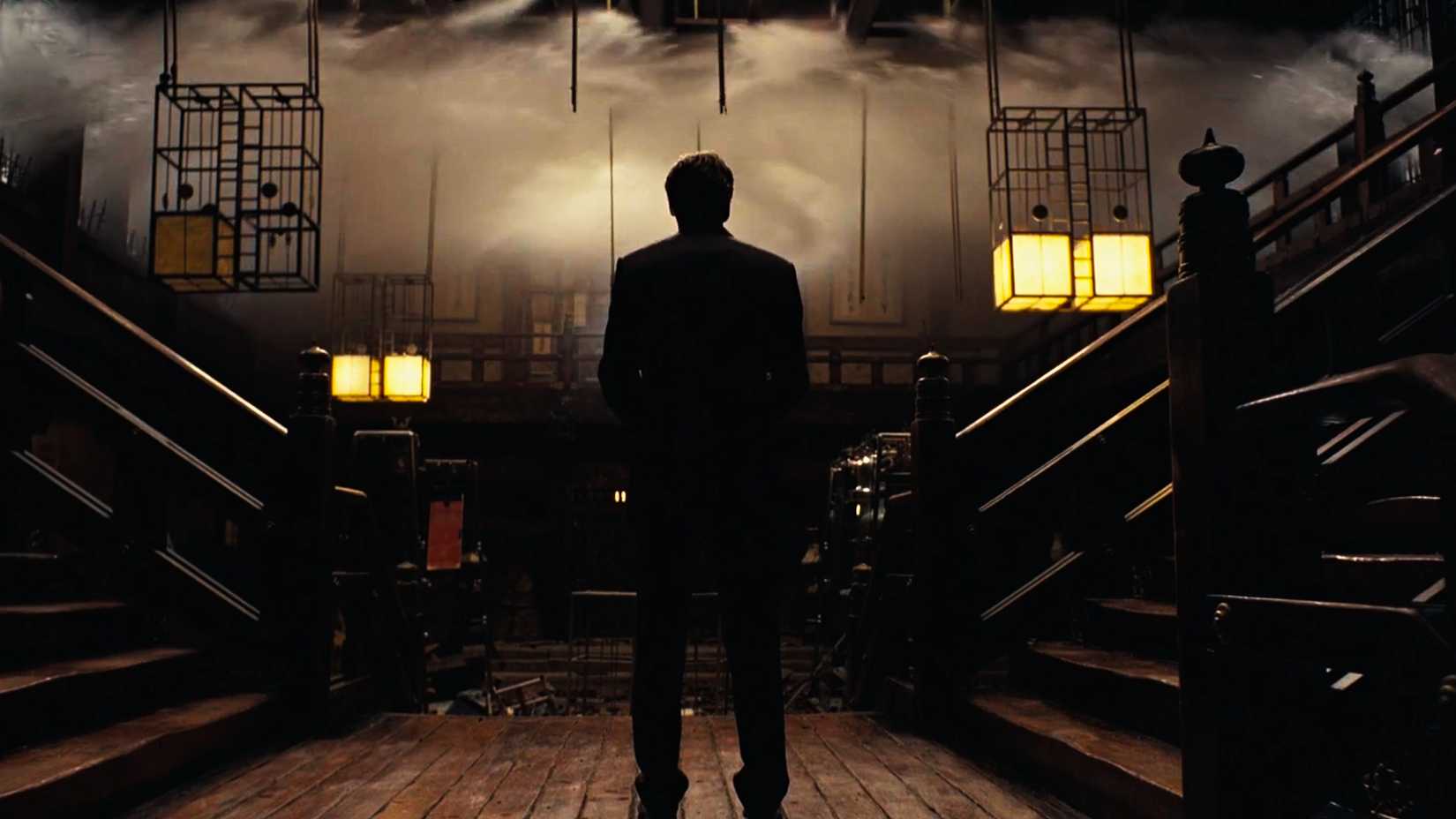
The film creatively shows how surroundings or even subtle movements while asleep can affect a dream’s content, and how being woken up can either abruptly end a dream or let it fade. For example, when Cobb unexpectedly fills a bathroom with water, it causes a sudden flood that instantly disrupts the dream Saito and his team are experiencing.
Even though we later learn that dying in a dream will wake someone up, it’s important to understand that Saito’s team being flooded and nearly drowning doesn’t actually wake Cobb. The flooding is just his dream reflecting the fact that his body kicked in the real world, as his body’s movement happens simultaneously with that part of the dream.
To Guarantee The Final Dream Heist, Cobb Increases The Risks
The Rules Change, But Not The Nature of Kicking Dreamers
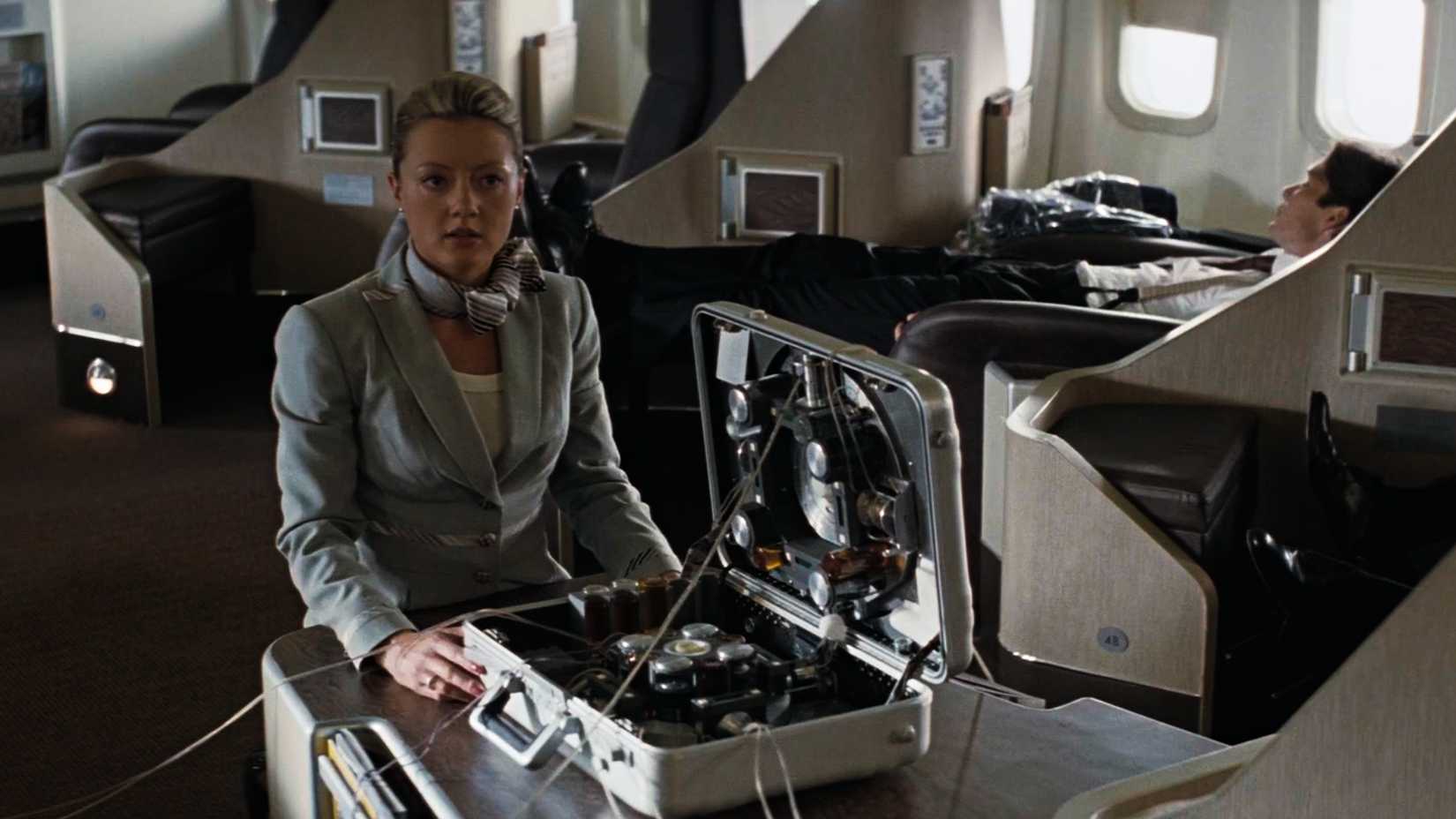
Even though dreams within dreams make things more difficult, the basic way to wake up remains consistent. A surge of adrenaline, triggered by a disturbance in the inner ear, jolts someone from sleep. With careful timing, this jolt can also wake a person only to a specific dream level. Therefore, a complex, multi-layered dream could be instantly ended by simply waking the dreamer’s physical body. This is so crucial that Arthur (Joseph Gordon-Levitt) jokingly suggests a drastic exit strategy – being shot in the head – after the mission is complete.
Cobb’s plan to go multiple layers deep into dreams is risky, so he takes a crucial, secret precaution. He has Yusuf sedate the entire team, including Robert Fischer, with a powerful drug, ensuring they won’t wake up easily. A normal attempt to wake them – like a nudge in the real world – wouldn’t be enough to reach them at such depths. Therefore, Cobb has devised a plan to coordinate a ‘kick’ that will simultaneously affect all three dream levels.
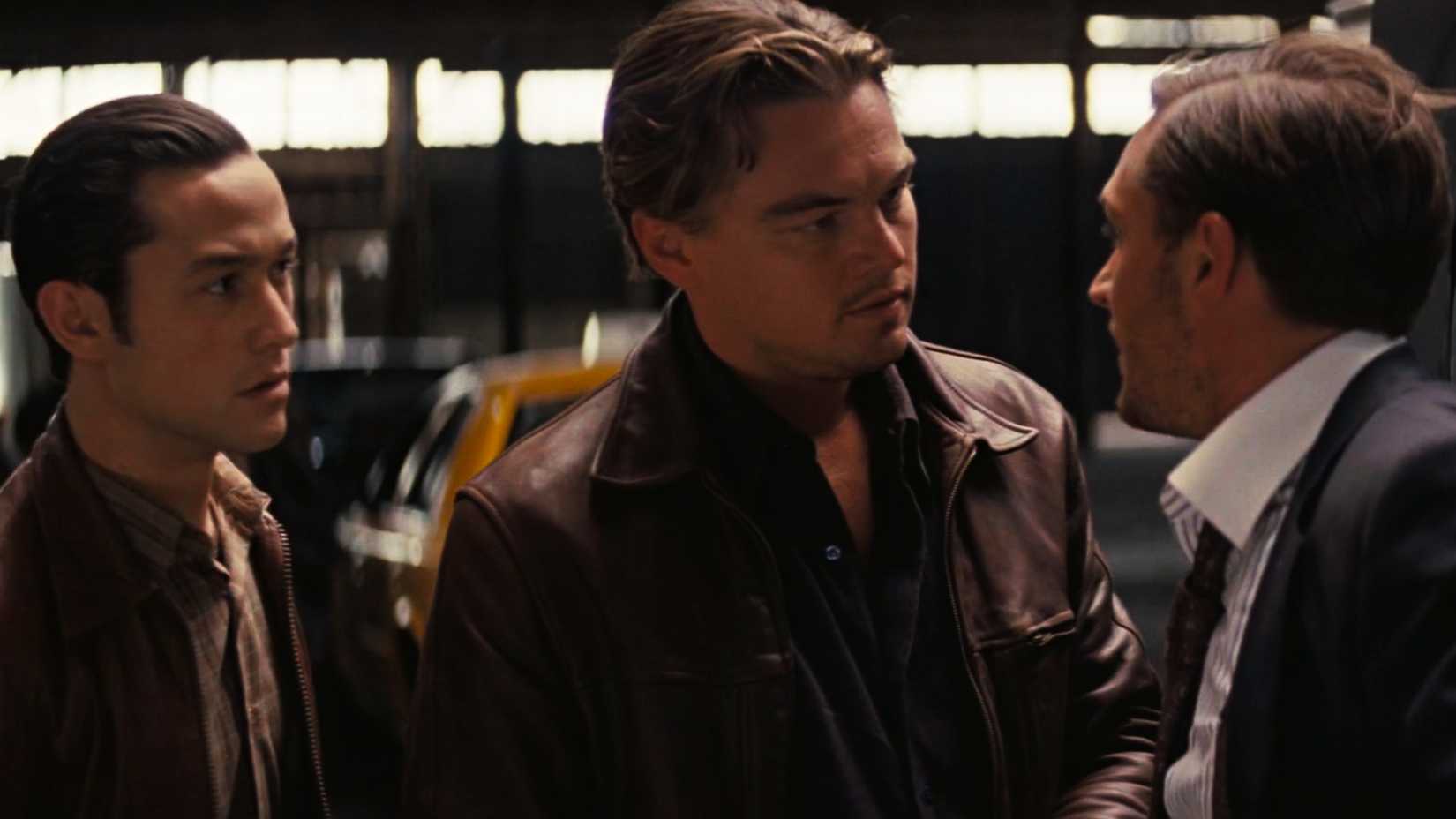
The plan involves three distinct actions, each designed to weaken a layer of the dream and help us wake up in the real world.
- Arthur pulls them from the third level to the second (with hotel room explosion/elevator drop).
- Yusuf pulls them from the second level to the first (driving their van off a bridge/hitting the water).
- The timer on the airplane device awakens them from the first level, as normal.
Those specific actions are all that’s required to bring the team back to the initial dream level, allowing them to wake up naturally as the medication takes effect during their long flight. However, that’s when everything falls apart.
Why Would The Hospital/Snow Base Need To Be Blown Up?
Eames Rigged The Building To Collapse, Even Though No Kick is Needed
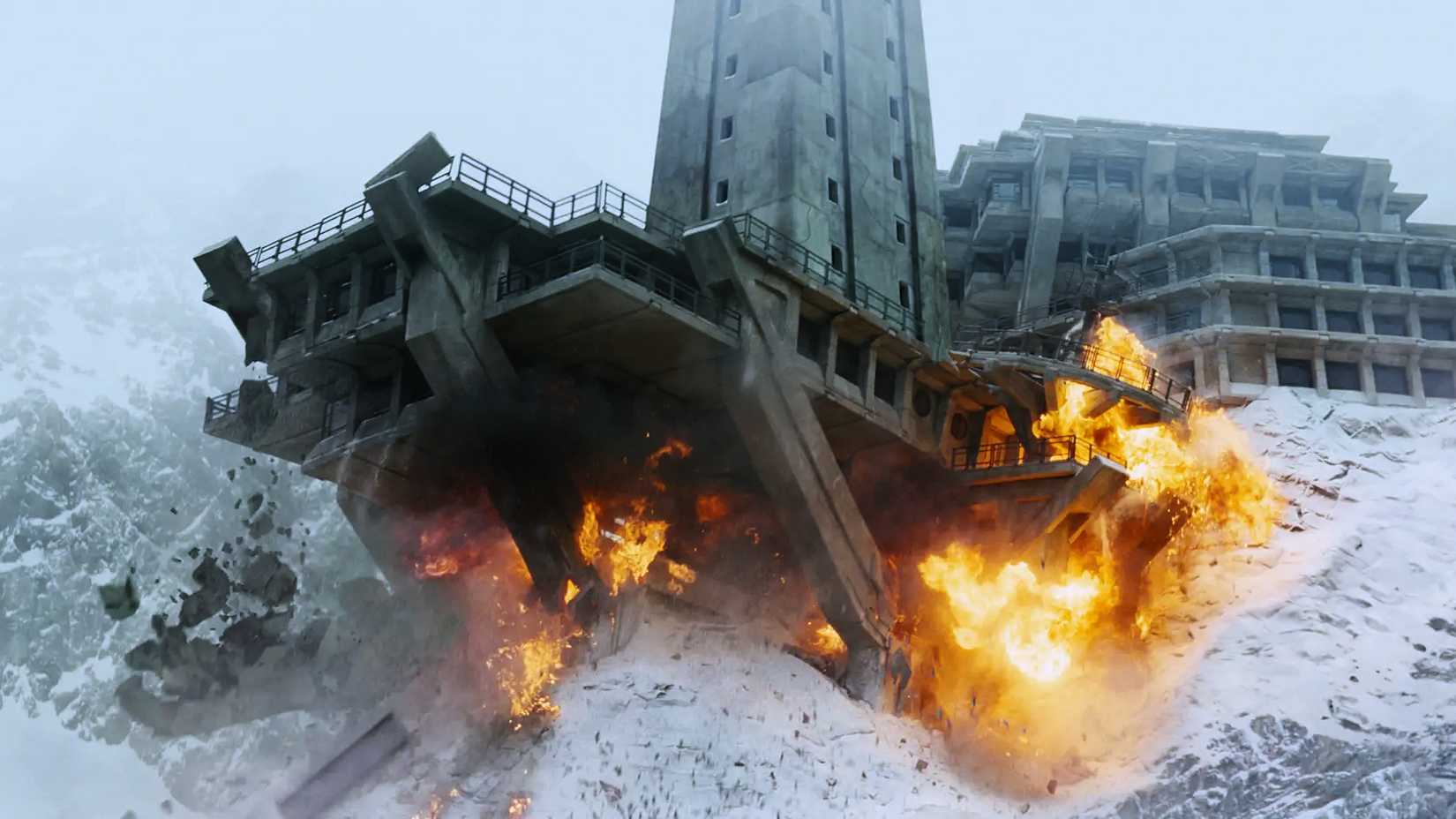
Discussions about ‘levels,’ ‘kicks,’ and ‘countdowns’ often make understanding the complex dream sequence in Inception more difficult and distract from the actual problems with the plot. The core issue becomes apparent when the mission starts to fail on the final dream level, within the snowy hospital. It appears that both the characters and the filmmakers lost track of the established rules of their own dream world.
Now that we’ve reached the deepest part of the dream created by Eames (Tom Hardy), the steps needed to successfully perform ‘inception’ are now fully explained.
- Allow Fischer to meet his father (Pete Postlethwaite).
- Verify the idea has been planted in Fischer’s subconscious.
- Wait for Arthur to play the music to alert Eames.
- Let Arthur ‘kick’ them back into their dreaming bodies in the hotel.

However, the rules of the dream world seem to change unexpectedly, implying someone can wake themselves up. After Fischer is killed by Mal (Marion Cotillard), Cobb calls off the mission and tells Eames to set explosives within the dream’s fortress. But it’s unclear why he’s doing that.
The plan doesn’t involve rescuing Cobb or Ariadne (Elliot Page) from limbo – that possibility hasn’t even been brought up yet, and even a ‘kick’ wouldn’t work to pull someone out of that dream state. However, when Ariadne points out they could find Fischer and give him a kick while he’s in limbo, the situation becomes even more confusing.

While dying in limbo does offer a way out, and timing it with Eames restarting Fischer’s heart fits the dream world’s rules, this is the first time a limbo death has been described as a ‘kick’ to wake someone up. Ariadne initially struggles to understand this, but then appears to accept this new, inconsistent logic, as she says next:
“As soon as the music ends, you blow up the hospital, and we all ride the kick back up the layers.”
Those who need to return to the hospital consistently do so, but the way kicks are used and understood has become flawed. This is especially noticeable for attentive viewers who realize the core logic of dreaming in Inception has been flipped – and the movie never explains why.
The Mistake Means ‘Riding The Kick’ Breaks The Film’s Logic
The Sequence (As Presented) Implies Dreamers Are ‘Jumping’ Up, Not Being Pulled

The biggest puzzle – why Eames destroys the hospital – highlights a pattern in Nolan’s films: he prioritizes impressive visuals over making sure the audience fully understands what’s happening. This won’t be the only instance of this trade-off. The perfectly timed kicks come together as expected, but the way the characters react afterward reveals that these kicks are actually happening in reverse and are therefore flawed.
- The hospital drops, waking Fischer in the elevator.
- Eames drops, waking him in the elevator.
- Ariadne wakes in the hospital just in time to drop, waking in the elevator.
- Ariadne is caught in the elevator explosion, and wakes in the van.
While any portrayal of these events could technically be considered correct since they all happen at once, starting with Eames unexpectedly initiating the ‘kicks’ and finishing with Ariadne’s peaceful awakening in the van creates confusion. This differs from how Cobb and Arthur reacted to kicks earlier in the film, and ultimately presents a misleading or inaccurate sequence of events.
As a movie lover, I really get why people are drawn to the incredible dream sequences and that huge, explosive finale in Inception. It’s a fantastic film! But I also understand why some fans felt that ending didn’t quite add up – like the internal logic just fell apart. If you were one of those viewers who felt a little frustrated or confused by how things wrapped up, I hope this explanation sheds some light on what might have gone wrong.
Read More
- Netflix’s Little House On The Prairie Reboot: Release Date, Cast & Everything We Know
- Off Campus Season 1 Soundtrack Guide
- YouTuber arrested after viral AI bodycam videos spark real police complaints
- Silver Rate Forecast
- Prime Video’s New R-Rated Spy Thriller Is Officially No.1 On Streaming Despite Poor Reviews
- Brent Oil Forecast
- EUR ZAR PREDICTION
- Bulgakov’s Take: Koreans Bet the Farm on Chips, Crypto, and Chaos
- Gold Rate Forecast
- Peaky Blinders: The Immortal Man’s Tommy Shelby Is a Better Father Than Michael Corleone
2026-01-30 05:06