As a huge cinema and TV fan, I have to say George R.R. Martin really knocked it out of the park with his characters – even years after the show ended, we’re still talking about them! Okay, the finale was… controversial, let’s put it that way. But honestly, it didn’t ruin the whole experience. If anything, it’s opened the door for more stories in that incredible world he built, and I’m already excited to meet new characters and get completely invested all over again.
Following Game of Thrones, House of the Dragon arrived, bringing a dramatic era of Targaryen history to the screen, though it wasn’t without its flaws. Like Game of Thrones before it, the series wasn’t perfect, and some characters differed from their portrayals in the original books.
Cersei Was Far From the Monster She Was in the Books
When Game of Thrones debuted, it quickly attracted both drama and fantasy enthusiasts. The HBO series brought a grittier, more realistic feel to a genre that hadn’t previously been widely popular. The show was known for its complex characters, and often, those who tried to do the right thing faced harsh consequences.
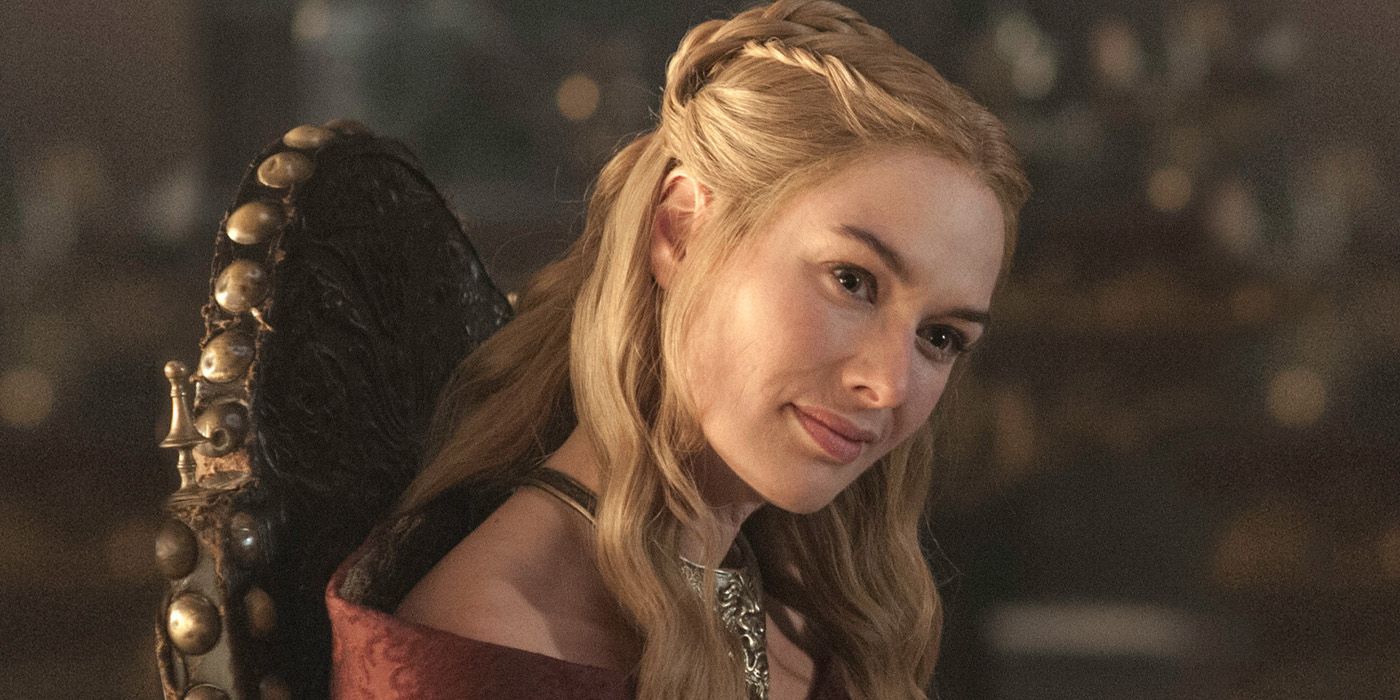
Those skilled at the game of thrones truly enjoyed it, and no one embodied this more than Cersei. Lena Headey’s portrayal of Cersei was unforgettable, and the character perfectly symbolized the problems within the Seven Kingdoms.
I’ve always known Cersei had a privileged upbringing, born into the wealthiest family in the realm – she truly wanted for nothing. It was an open secret that she and her twin brother had a relationship that would later cause huge problems for who should rule. Honestly, she was a terrible person – both incredibly cruel and unbelievably arrogant, a dangerous combination. And she never hid her desire to see her younger brother, Tyrion, ruined; she was always plotting against him.
Despite being a villain, Game of Thrones tried to show Cersei’s human side. The show included moments where she seemed vulnerable, aiming to help viewers understand her motivations. The story she shared with Catelyn Stark about grieving her child was meant to evoke sympathy.
Some scenes felt odd, especially those that seemed to excuse or even celebrate their unhealthy relationship. While Lena Headey is a talented actress, these moments didn’t align with how her character was portrayed in the books. It felt like Game of Thrones often softened the edges of its female villains.
While the show Game of Thrones often depicted graphic violence, it surprisingly avoided portraying women as physically messy or causing chaos. However, Cersei Lannister, even in the books A Song of Ice and Fire, was clearly a villain. She didn’t need to use brute force – like setting dogs on enemies – to demonstrate her wickedness, and she was undoubtedly responsible for the cruelty of her son, Joffrey.
Cersei, much like her eldest son, was deeply flawed and lacked compassion for others. George R.R. Martin didn’t intend to create a hateful female character, but he did allow Cersei to embody her most negative traits. His approach wasn’t driven by gender bias, but rather by a focus on character development, regardless of gender.
Cersei’s descent into madness became clear in the fourth book, A Feast for Crows, as it was the first time readers experienced her thoughts directly. After that, her condition rapidly deteriorated, leaving no question about her instability. As her paranoia grew, she increasingly imagined Tyrion was trying to assassinate her.
Following Tywin’s death, Cersei became increasingly desperate, ultimately leading to her own downfall. The show presented her as a complex, almost sympathetic character, but the books depict her differently. Her relationship with Jaime wasn’t portrayed as romantic; instead, she constantly dismissed his counsel, driven by her growing paranoia. This caused Jaime to recognize how unhealthy their relationship had become, and he eventually ended it.
When Cersei was arrested for incest and improper relations, she pleaded with Jaime for assistance. He had always been devoted to her, but this time, Jaime recognized her true nature and wouldn’t help. This is a departure from the television series, which emphasized their relationship and ultimately resulted in their deaths together. The original intention wasn’t to depict Cersei as a sympathetic character, but as a formidable and dangerous force born from the power of the throne.
Rhaenyra Is Falling in the Same Trap as Cersei
Honestly, even the issues with the Game of Thrones finale couldn’t kill my excitement for anything connected to that world. That’s why I was thrilled when House of the Dragon got the go-ahead so quickly. It’s great to delve deeper into the Targaryen family, and what I really appreciated was the new angle – this time, the story centered on a woman fighting for her rightful place on the Iron Throne. It felt fresh and compelling.
The show explored how traditional societal structures and violence impacted the women featured in it. It would have benefitted from focusing on fewer characters. The source material, Fire & Blood, provided a clear path for character development.
While the story ultimately reached a conclusion, the female characters felt underdeveloped. Similar to his other works, George R.R. Martin portrayed these characters with all their flaws, without offering any moral judgment. For example, Game of Thrones featured characters who were ruthless in their quest for power.
The book also argues that Aegon was the rightful heir over his half-sister. While it’s good the show tried to create complex characters, House of the Dragon actually made them feel less impactful. Specifically, Rhaenyra Targaryen doesn’t quite live up to the fierce and powerful image fans associate with her family.
Okay, so as a huge fan of House of the Dragon, I was a little frustrated with Rhaenyra in the season finale. It felt like she should have gone all-in with a really aggressive strategy – you know, ‘scorched earth’ – but she tried to negotiate instead. The episode really threw her for a loop, putting her in the toughest spot yet. Meanwhile, her cousin Aemond was already racing to Storm’s End, trying to rally support for his mother’s claim to the throne. It set up a seriously tense showdown!
When Lucerys tried to escape, Aemond’s dragon, Vhagar, killed him, an event that seemed certain to start a war. The episode ended with Rhaenyra receiving the news, leaving viewers on the edge of their seats. However, the show surprisingly didn’t portray Rhaenyra’s expected, furious reaction. As both a mother and a queen, she had every reason to declare war on the Greens after her teenage son was killed, but House of the Dragon chose not to show that side of her.
A common issue emerged with shows like Game of Thrones: female characters weren’t permitted to be fully villainous. They were often forced to be reasonable and diplomatic, even when male characters in similar situations wouldn’t be. The expectation was that women should be allowed to be just as flawed, ruthless, and morally complex as men, but it became clear these adaptations wouldn’t allow that.
House of the Dragon Has Divorced Itself From the Source Material
Both House of the Dragon and Game of Thrones started with strong potential, built on the detailed characters and world George R.R. Martin created. However, as the shows progressed, they increasingly deviated from the original books and made significant mistakes, even early on.
Rhaenyra’s storyline didn’t quite match the strong character she was in the book, and she wasn’t the only one who felt different on screen. Daemon Targaryen was also very different from how he was portrayed in the novels. Much of the season focused on Daemon being upset that Rhaenyra was chosen as the heir, and he spent the whole time brooding in a castle that might have been haunted.
Daemon’s arc this season focused on pledging his loyalty to Rhaenyra, a storyline not found in the original book. While her husband never questioned Rhaenyra’s claim to the throne in Fire & Blood, their relationship still had significant problems.
The deaths of Helaena’s children were far more impactful and had greater repercussions in the book. In the show, Rhaenyra’s strong reaction against the idea of killing family members felt unconvincing, especially considering she was leading a war that was essentially a conflict between Targaryens. This felt inconsistent with her portrayal as a confident claimant to the throne. These changes from the source material, Fire & Blood, have been criticized and have reportedly caused some controversy.
Adaptations often improve on source material by making changes, but House of the Dragon seems to be straying from its core identity. The show is meant to be gritty and violent, and altering Rhaenyra’s character—and the characters of other women—ultimately harms the series.
Read More
- Off Campus Season 1 Soundtrack Guide
- X-Men ’97 Finally Gave Gambit the Hero Moment He Deserved
- 46 Years Later, The Mandalorian & Grogu Answers A Major Empire Strikes Back Question
- 10 Worst End-Game Couples In Sitcom History
- HoI4 fans harsh reactions to the announcement of another DLC pack
- Chainsaw Man Volume 24’s Cover Art Reveals a Brand-New Denji
- Emily Henry Says to ‘Trust the Vision’ For Beach Read Adaptation
- Hatsune Miku cosplayer goes viral selling $15 cups of “foot juice” to thirsty anime fans
- DoorDash responds after customer uses AI to make food look bad and get a refund
- Gold Rate Forecast
2026-01-29 01:38