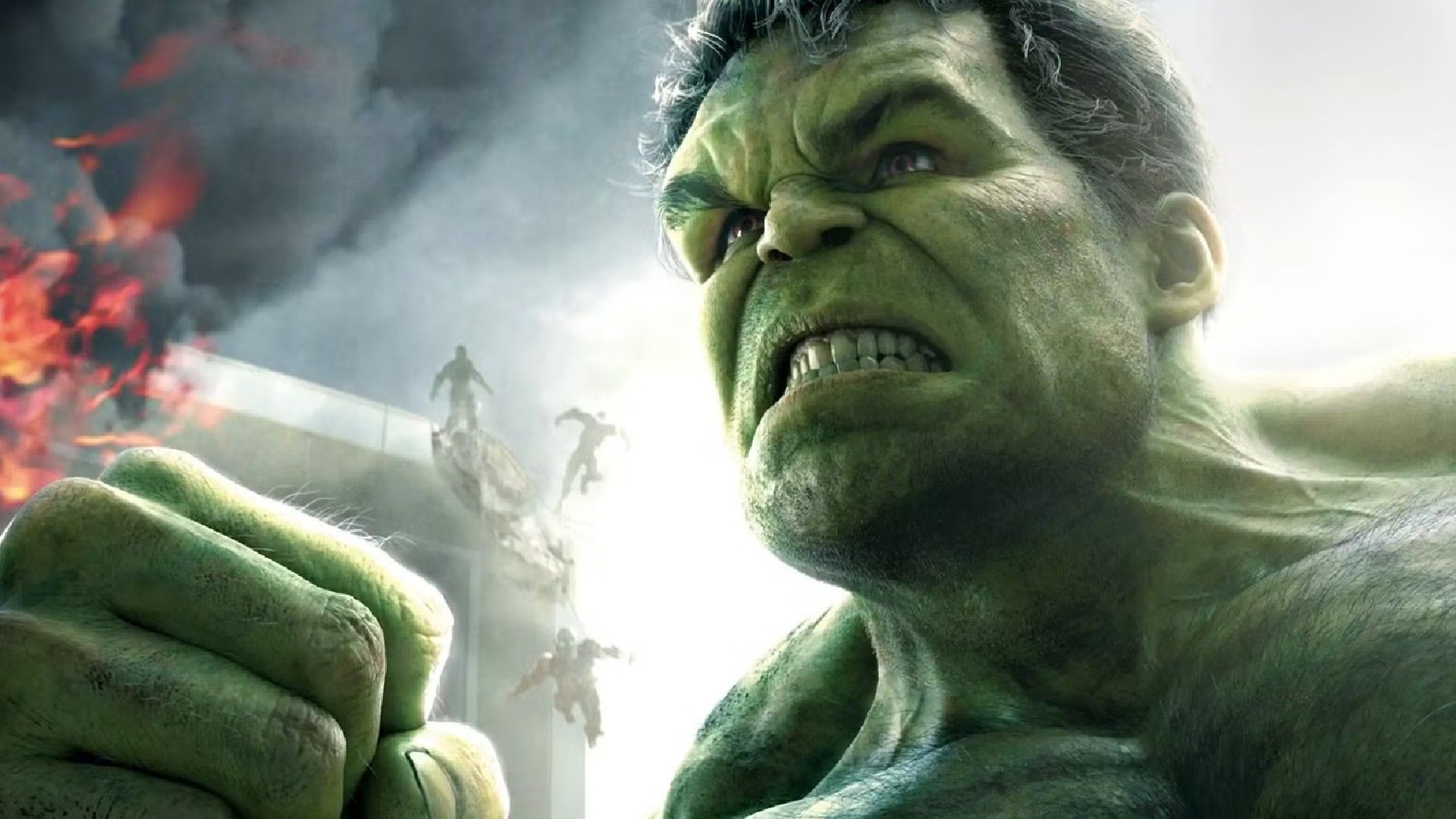
The Hulk is unique among popular superheroes because his appearance has changed so much over the years. Since his identity is all about transforming physically, each new movie or show gives a fresh take on his look. These versions not only show how special effects have improved, but also reflect changing ideas about what’s realistic and what the Hulk’s role should be in the Marvel Cinematic Universe.
Over the years, different versions of the Hulk have explored various genres – some focused on horror or tragedy, while more recent portrayals leaned towards comedy and relatable human stories. Even seemingly small details like his size, color, face, how he moves, and what he wears have become significant as the character has changed. From a truly terrifying monster in early adaptations, the Hulk has evolved across TV, movies, and reboots into a much more familiar – and less frightening – figure.
Lou Ferrigno’s Hulk
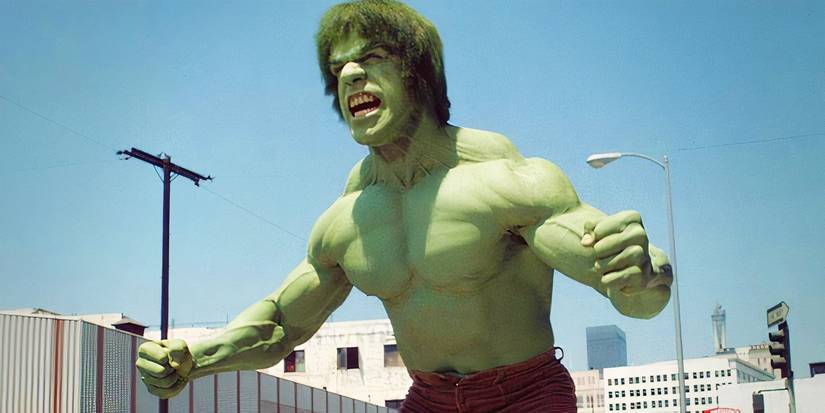
The Hulk from the 1970s TV series The Incredible Hulk is still the most disturbing live-action portrayal of the character. What makes this version unique is that it didn’t use computer effects. Instead, Bill Bixby played Dr. David Banner, while bodybuilder Lou Ferrigno physically embodied the Hulk. This approach makes this Hulk feel less like a powerful hero and more like a terrifying, physical manifestation of a curse.
As a huge fan of the classic Hulk, I always thought Lou Ferrigno was perfect casting. At 6’5″, the guy was legitimately massive, but he never felt fake or unbelievable. They covered his incredible physique in this pale, almost sickly green paint, and that wild yak hair wig… it didn’t make him look like some mythical creature, it made him look genuinely terrifying! His movements weren’t smooth, they were jerky and full of rage, and honestly, it gave him this really unsettling, dangerous vibe – like he stepped right out of a horror movie. It wasn’t a fantastical Hulk, it was a scary one!
Unlike modern superhero films, this early version of the Hulk relied entirely on practical effects – every stunt and physical action was performed by actor Lou Ferrigno, often resulting in torn pants (though usually not purple!). This Hulk wasn’t about grand, epic battles; instead, he appeared in gritty, realistic settings like back alleys and small towns. The result was a rough, flawed, and genuinely unsettling portrayal, making it the most frightening version of the character ever filmed.
Ang Lee & Eric Bana’s Hulk

Ang Lee’s film Hulk took a different approach, portraying the Hulk not just as a strong monster, but as a powerful force driven by his inner psychology. Eric Bana’s version of the Hulk was incredibly large and muscular, and he could grow even bigger when he got angrier—sometimes up to 15 feet tall. This idea of the Hulk’s size increasing with his rage is something that many adaptations don’t fully explore, despite being true to the comic books.
Lee personally helped create the Hulk’s movements, giving him a surprisingly fluid, almost martial arts style that seemed strange for such a large character. This version of the Hulk was visually striking, with bright green skin, an oversized square head, and distinctive purple pants.
Even though the Hulk was huge and powerful, his face often looked confused or innocent, making him seem surprisingly cute instead of scary. He could leap with incredible force, but he came across as clumsy and a bit lost. The movie was a grand spectacle, visually impressive, and certainly sparked a lot of debate – but it was also undeniably daring.
Ed Norton’s Hulk
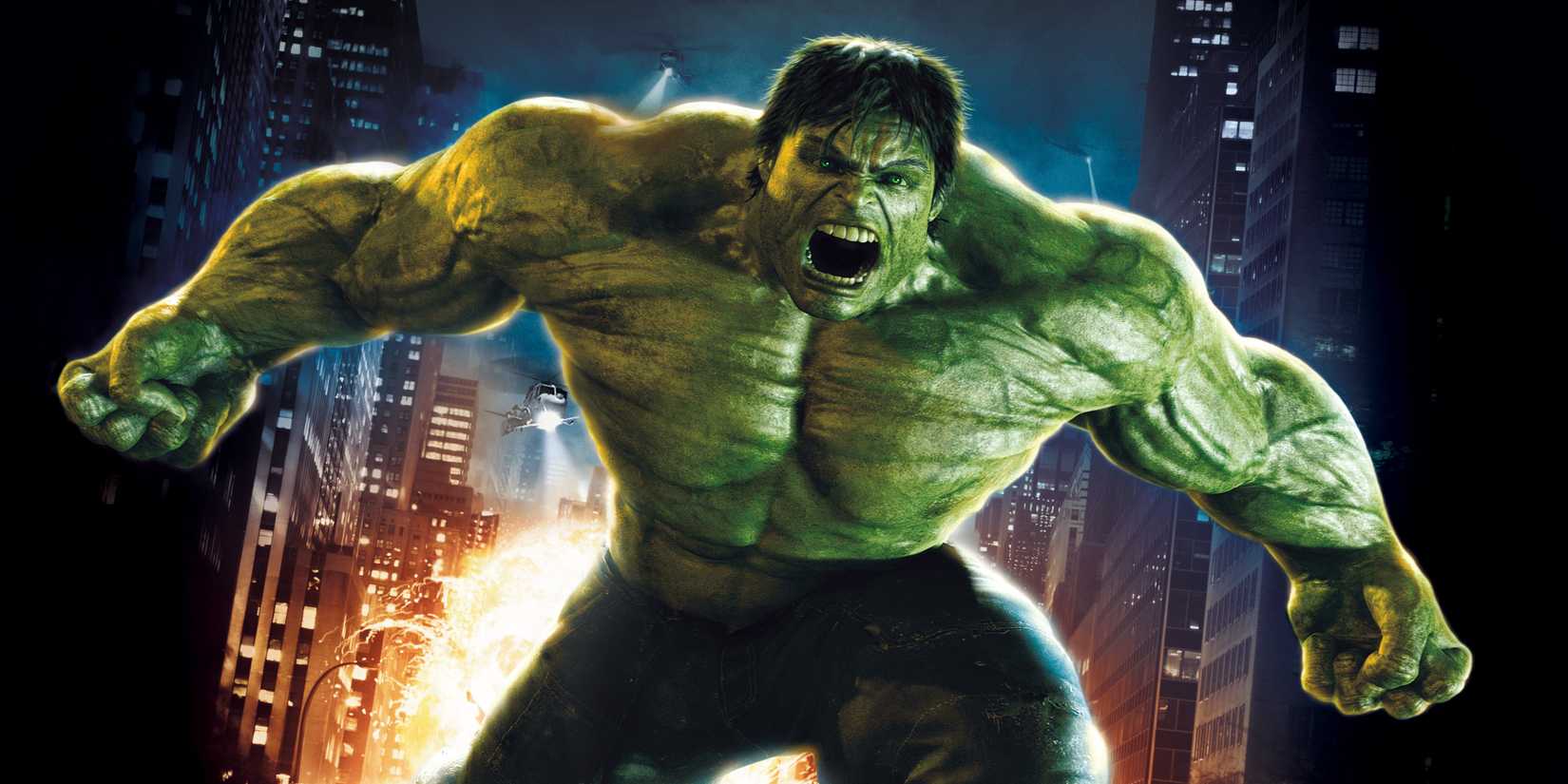
The Incredible Hulk shifted the portrayal of the character, making him more threatening and believable. While still massive at around nine feet tall, Edward Norton’s Hulk was smaller than the previous version, but felt much more powerful. The earlier idea of the Hulk growing bigger when angry was removed, and instead, he maintained a consistent size that highlighted his physical danger.
This version of the Hulk was more muscular and realistically built, matching the film’s darker, more serious style. His face looked more like Bruce Banner’s, with a more human shape and a flat, severe brow that emphasized his aggressive nature. His skin was a duller, lighter shade of green, intentionally avoiding the bright, colorful look of previous portrayals.
Even his pants were a muted purple. This version of the Hulk was truly frightening, with a snarling, angry, and animalistic expression. Lou Ferrigno reprised his role as the voice, providing a familiar and weighty presence. Though not as visually extravagant, this Hulk successfully combined believability with a sense of threat, making him feel like a truly dangerous and destructive power, rather than just a visual effect.
Mark Ruffalo’s Savage Hulk

When Mark Ruffalo first appeared as the Hulk in The Avengers, he really set the standard for how we’d see the character moving forward in the MCU. He was a bit different from the previous Hulk, Edward Norton’s version – a little shorter, around 8 feet 2 inches, and more streamlined. They went with a deeper, more realistic forest green for his skin. While still incredibly strong, Ruffalo’s Hulk felt less about sheer size and more about being powerfully agile – his jaw was squarer and more rugged, but his build was leaner overall.
Mark Ruffalo’s performance capture work gradually made the Hulk seem more expressive and less like a simple monster. Initially, Lou Ferrigno voiced the character, but Ruffalo later took on the vocal duties as well, adding to the more human portrayal. Visually, the Hulk’s shorts changed from a brighter purple to darker, almost black shades with just a touch of purple remaining.
Throughout the Marvel Cinematic Universe, the Hulk’s appearance and personality changed gradually. He became significantly larger and more imposing in Thor: Ragnarok. This version of Hulk emphasized his fighting abilities, like in the Gladiator scene, and highlighted the differences between Hulk and Bruce Banner as Banner struggled with who he was.
Mark Ruffalo’s Smart Hulk
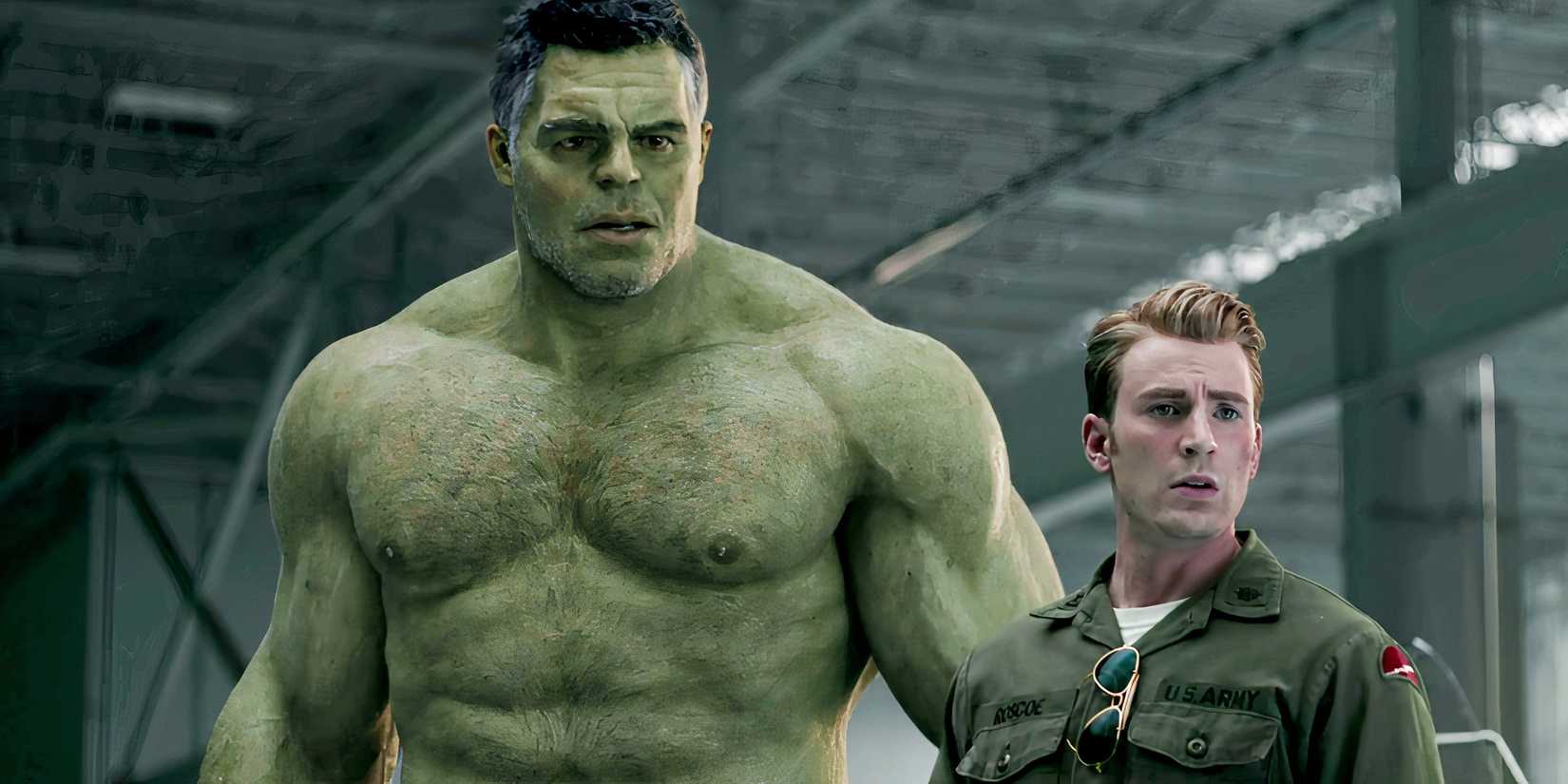
As a huge movie fan, I was really surprised by the new version of the Hulk we got in Avengers: Endgame. They called him Smart Hulk, and visually, he was a total game-changer! He wasn’t the towering, rage-filled monster we’d seen before. Instead, he was around eight feet tall – actually smaller than previous Hulks – and, honestly, looked a lot like Mark Ruffalo, just… green and incredibly muscular. It was like seeing a giant, green version of the actor himself, which was a really interesting take on the character!
Though still strong and imposing, his body appears less muscular and more relaxed. His face is now kinder, more open, and welcoming, completely removing any hint of threat. This change emphasizes that Banner has complete control, but it also means Hulk no longer evokes the same sense of primal fear.
The Smart Hulk version of the character emphasizes control and intelligence, but this unfortunately moves away from the original, frightening nature of the Hulk. He’s presented less as a wild, unpredictable power and more like a very strong and tall scientist. Later, in She-Hulk: Attorney At Law, Hulk was made smaller and weaker – a change that was criticized because it seemed to be done simply to make She-Hulk appear more powerful in comparison.
Mark Ruffalo’s Suppressed Hulk

We saw Bruce Banner looking completely normal in quick appearances in Shang-Chi and the beginning of She-Hulk. This new phase for the character is marked by what isn’t happening – he’s not transforming into Hulk. He’s using a device on his wrist to completely prevent Hulk from appearing, making it the first time we’ve seen Hulk totally absent from his body.
This changes Bruce Banner’s connection with the Hulk, focusing on technological control instead of inner peace. The device highlights Banner’s wish to completely suppress the Hulk, rather than learn to live with it. Although this works well for the story, it removes the iconic visual of a Hulk constantly on the verge of appearing. We lose the feeling that the Hulk could burst out at any time, eliminating a core part of the character’s tension.
Banner instead feels weakened and overly protected. This period shows how much the Marvel Cinematic Universe had moved away from portraying Hulk as a powerful expression of anger, turning him into an issue that could be easily suppressed instead of truly dealt with or even feared. Luckily, this didn’t continue for long.
Tatiana Maslany’s She-Hulk

The new series She-Hulk presents a fresh take on how Hulk’s powers affect the body. Jennifer Walters, standing at about 6 feet 7 inches, is incredibly strong and tall, but maintains a human build. A standout feature is that she’s the first live-action Hulk to have naturally green hair, a departure from previous versions where dark hair appeared green due to lighting.
She-Hulk is fit and toned, with noticeable strength but without the extreme bulkiness of typical bodybuilders. This design choice keeps her true to the comic book source material, focusing on a sense of power and self-assurance rather than just physical threat. She’s only a bit taller than the original Hulk, played by Lou Ferrigno, which shows how her size is intentionally kept in check.
But this careful approach has a downside. Her incredible strength doesn’t always seem as convincing as it could, particularly when compared to the Hulk’s sheer size. She-Hulk appears powerful and in control, which supports her story of independence and moves the series further away from the scary roots of the Hulk’s origins.
Harrison Ford’s Red Hulk

Red Hulk brings back the truly frightening side of the character. At around eight feet tall, he’s even bigger than most recent versions of the Hulk, restoring the sense of physical power that had been lost. With a head shape similar to the Hulk portrayed by Edward Norton and a massively muscular build, Red Hulk appears as nothing more than raw strength made physical.
Let me tell you, Harrison Ford’s performance as General Ross, brought to life through motion capture, is absolutely chilling. It really nails the character’s shift, making him feel like a truly imposing figure. And visually? This Hulk is powerful. It’s almost…fitting. Seeing Ross physically become the monster he dedicated his life to tracking down is a brilliant stroke. They’ve really leaned into the physicality – this Hulk is massive, all bulging muscles and aggressive posture. He just looks brutal, and it works incredibly well.
Red Hulk is completely different from Smart Hulk. Where Smart Hulk balances human intelligence with brute strength, Red Hulk is purely a monstrous force – terrifying and powerful. This design choice was deliberate, meant to highlight the stark contrast with the more subdued Hulk seen previously and firmly re-establish Hulk as a truly formidable, monstrous fighter in the Marvel Cinematic Universe.
Read More
- Off Campus Season 1 Soundtrack Guide
- Chainsaw Man Volume 24’s Cover Art Reveals a Brand-New Denji
- DoorDash responds after customer uses AI to make food look bad and get a refund
- Euphoria Season 3’s New R-Rated Sydney Sweeney Scene Proves The Show Is Trolling Us
- Hideo Kojima says Metal Gear Solid 2 became the future he hoped would not happen
- Dragon Quest II HD-2D Remake: Where to get the Magic Key
- HSR Banner Schedule (Honkai Star Rail)
- Gold Rate Forecast
- All Golden Ball Locations in Yakuza Kiwami 3 & Dark Ties
- How to Get to the Undercoast in Esoteric Ebb
2026-01-25 01:32