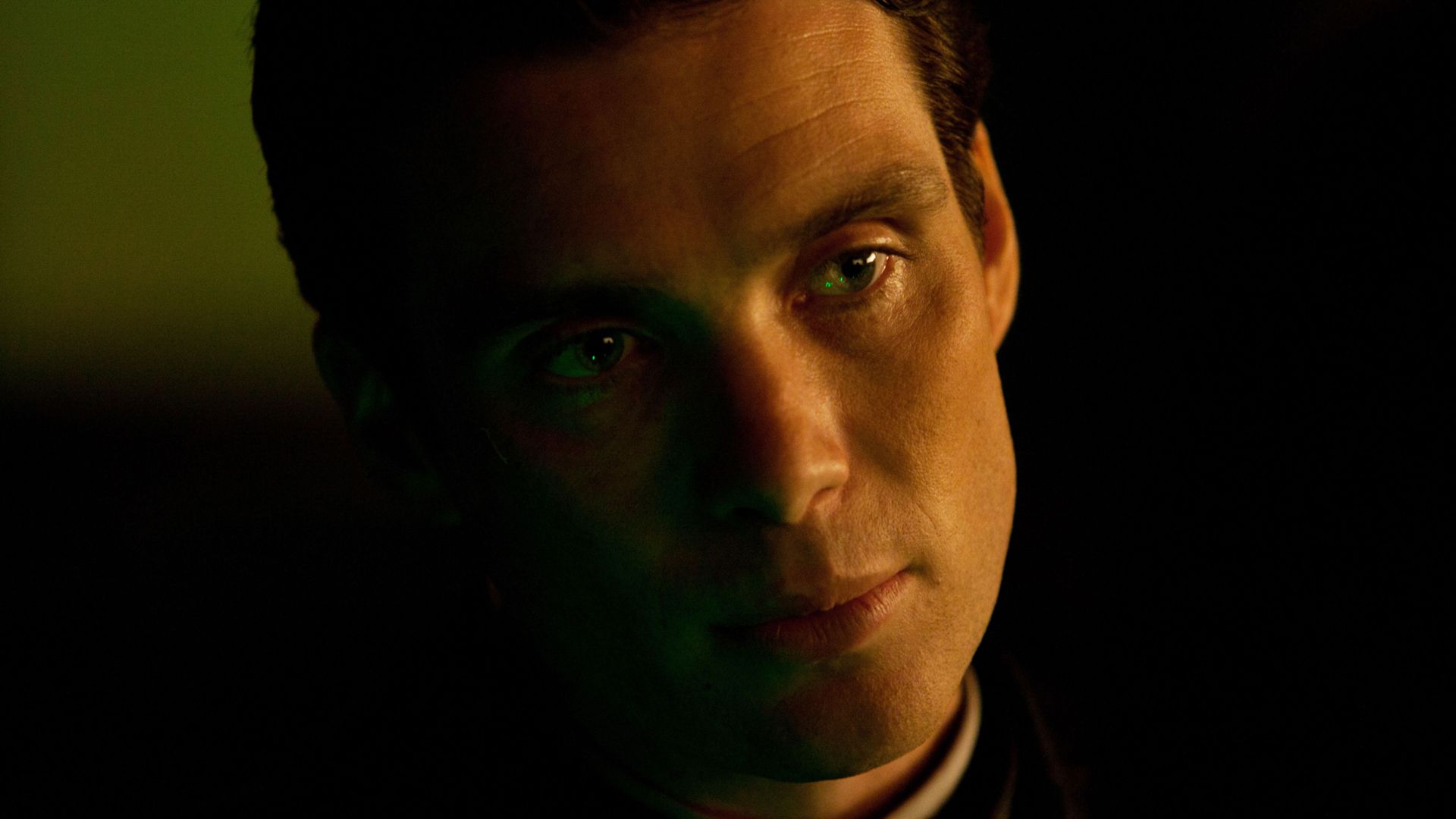
Before Cillian Murphy gained acclaim for Oppenheimer or his role in Peaky Blinders, he starred in the 2011 sci-fi film In Time. While the movie wasn’t a critical success – it has a 37% rating on Rotten Tomatoes and suffers from a weak script and plot – Murphy still managed to shine as Raymond Leon, a tough police officer in a dystopian future. Despite its flaws, the film had an interesting premise, and Murphy’s performance stood out even within the chaos.
Despite a decent 6.7 rating on IMDb, the movie In Time is often seen as a film with huge potential that wasn’t fully realized. While the concept – where time literally is money – was brilliant, the movie’s execution falls short. The action feels awkward, and the script relies too much on obvious time-related jokes, which distract from the story. However, director Andrew Niccol manages to salvage the film despite its flawed action sequences and a somewhat weak romantic connection between Justin Timberlake and Amanda Seyfried.
An Impressive Sci-Fi Premise That Lost to Bad Execution
The world of In Time is a strange one: people stop aging when they reach twenty-five. On their twenty-fifth birthday, a clock on their arm begins counting down from a year. When the clock reaches zero, they instantly die. In this movie, time literally is money.
In this imagined future, people don’t earn money to live – they trade their remaining lifespan for everything they need. Each simple act, like buying coffee, taking the bus, or paying rent, costs precious seconds off your life. Director Andrew Niccol, who’s known for films like Gattaca and as a co-writer of The Truman Show, creates this world with a harsh and deliberate setting.
The city is divided into exclusive, wealthy enclaves called “Time Zones.” In contrast, the Dayton district is a fast-paced, impoverished area where people are always rushing, unable to afford the time to simply walk. The visuals, captured by renowned cinematographer Roger Deakins, create a gritty, warm atmosphere reminiscent of a rundown industrial zone.
In Dayton, people struggling with poverty might feel constantly rushed, barely having enough time to work and return home to their families. This creates a stressful and urgent feeling. The story then shifts to New Greenwich, a wealthy area where residents seem to have all the time in the world. The difference between these two worlds is immediately noticeable and impactful.
The world is depicted in cool, clinical shades of blue and white. People move slowly and without urgency, having effectively limitless lifespans. As the character Henry Hamilton observes, the wealthy don’t truly live – they merely exist. Their biggest fear isn’t death, but accidents, which are the only thing that can end their lives. The film powerfully illustrates this stark contrast between the haves and have-nots.
This text argues that powerful groups maintain their status by deliberately making life harder for those with fewer resources. It suggests that things like rising prices for basic necessities – such as food and transportation – are intentionally used to keep disadvantaged communities struggling and prevent them from improving their circumstances. Essentially, it’s a strong condemnation of how inflation and debt can be used to suppress people.
The movie struggles to maintain its initial suspense. By the final act, it shifts from a clever critique of society into a more conventional, ‘Bonnie and Clyde’-style crime story. The characters, Will Salas (Justin Timberlake) and Sylvia Weis (Amanda Seyfried), begin robbing banks to redistribute time, which feels heroic at first. However, this action contradicts the economic principles the film previously highlighted.
Even if you were to endlessly prolong a desperate situation, those in power would simply devalue the effort. This film unfortunately focuses more on action sequences than on its underlying themes. Security at the crucial time banks is surprisingly weak, and the protagonists overcome obstacles more through chance than skill. The narrative loses its impact, replacing the initial thought-provoking atmosphere with repetitive countdowns that feel forced and detract from any meaningful critique of capitalism.
Why Cillian Murphy Is the Film’s Moral Center
Raymond Leon has a remarkable effect on every film he’s in – the energy immediately shifts and becomes more exciting. While other characters are caught up in action, Murphy’s character feels like he’s in a classic detective story, fighting a losing battle. This is emphasized by his distinctive look, thanks to costume designer Colleen Atwood, who outfitted him in a long, sleek leather coat, setting him apart from the rest of the cast.
He stands out wherever he goes, but never in a good way. In the rough streets of Dayton, he seems like a threat, while in the wealthy town of New Greenwich, he feels like he doesn’t belong. He’s an outsider in both places. While the actor Timberlake brings a lot of energy and physical strength to his roles, Murphy typically plays things more subtly, relying on quiet intensity – something he’s known for in many of his performances. He has a knack for playing characters who move with a cool, focused calm, never appearing hurried or stressed.
Murphy brilliantly portrays the weariness of a man who, despite physically appearing to be twenty-five, has lived the equivalent of seventy-five years. He crafted the character around this core conflict. He’s explained that, like the film’s hero, Leon is a product of the streets who ultimately chooses stability over conflict.
Murphy explained that Leon supports a deeply flawed system because it’s his only source of income, despite recognizing its injustice. This internal conflict makes him a tragic figure. He understands the system is unfair and that the wealthy exploit it, but he genuinely believes the strict control imposed by the Timekeepers is essential to prevent total chaos. Ultimately, he’s convinced that a certain level of harshness is necessary for the world to survive.
In a particularly tense scene, he crashes a high-society party to arrest Will. He quickly dismisses any polite conversation, bluntly stating, “I’m not interested in justice, only in what I can prove.” This line is central to the actor’s performance; he delivers it with a cold, emotionless stare, showing absolutely no self-importance or pride.
Murphy injects a much-needed sense of drama and intensity into the film, something the rest of it is missing. While Timberlake and Seyfried offer lighter performances, Murphy powerfully portrays the emotional burden of a long life spent witnessing death.
The Ending Fails, But Murphy’s Arc Tells the Real Story
The film reaches its most dramatic point with the downfall of Raymond Leon. Even as the story becomes increasingly unbelievable with one robbery after another, Leon stays grounded in reality. He relentlessly chases the couple, disregarding rules and putting himself in danger. Driven by a single purpose, he transforms into a force of nature, speeding across the desolate landscape in his electric Dodge Challenger.
The chase ends just outside Dayton, with Leon finally cornering the heroes on foot. He believes he’s won, having caught them with a gun. Usually, a cop in this situation would let a fugitive go, remembering a time when they were on the other side of the law. But Leon freezes. He glances at his forearm and notices the red blinking light on his clock.
He was so focused on chasing others that he neglected his own well-being, and ultimately, his life slipped away. It was a tragic, yet strangely beautiful, end. The irony is stark: the man who spent his life maintaining time was undone by his own lack of self-care. The system he faithfully served didn’t acknowledge his dedication, simply dismissing him when he failed to meet its requirements.
This scene is the most impactful moment of the film’s ending. Despite the movie presenting a happy conclusion where the heroes succeed and save the day, Leon’s death reveals a more unsettling idea: that within a system that relies on taking advantage of others, even those who carry it out are ultimately expendable.
I really think In Time tries to be a thrilling action movie, but it quickly becomes something much deeper. It’s actually a story about what happens when you just try to play by the rules in a system that doesn’t care about people – a system that sees us as things to be used up. I felt so invested in Leon, because he genuinely believed that if he just complied, the system would take care of him. It was heartbreaking to see him die, proving that belief completely wrong. It really made me think about how capitalism treats people.
Andrew Niccol’s In Time is a bit of a disappointment. It has moments of brilliance, hinting at a truly great film, but ultimately gets bogged down in familiar Hollywood tropes. However, Cillian Murphy’s performance is compelling enough to make it worth checking out.
Read More
- United Airlines can now kick passengers off flights and ban them for not using headphones
- How to Complete Bloom of Tranquility Challenge in Infinity Nikki
- Gold Rate Forecast
- Katanire’s Yae Miko Cosplay: Genshin Impact Masterpiece
- All Itzaland Animal Locations in Infinity Nikki
- 8 Actors Who Could Play Blackbeard In One Piece Live-Action Season 3
- A Dark Scream Theory Rewrites the Only Movie to Break the 2-Killer Rule
- How to Get to the Undercoast in Esoteric Ebb
- NEXO PREDICTION. NEXO cryptocurrency
- $2B AI cow collars use “cowgorithm” to herd cattle with no fences
2026-01-24 20:13