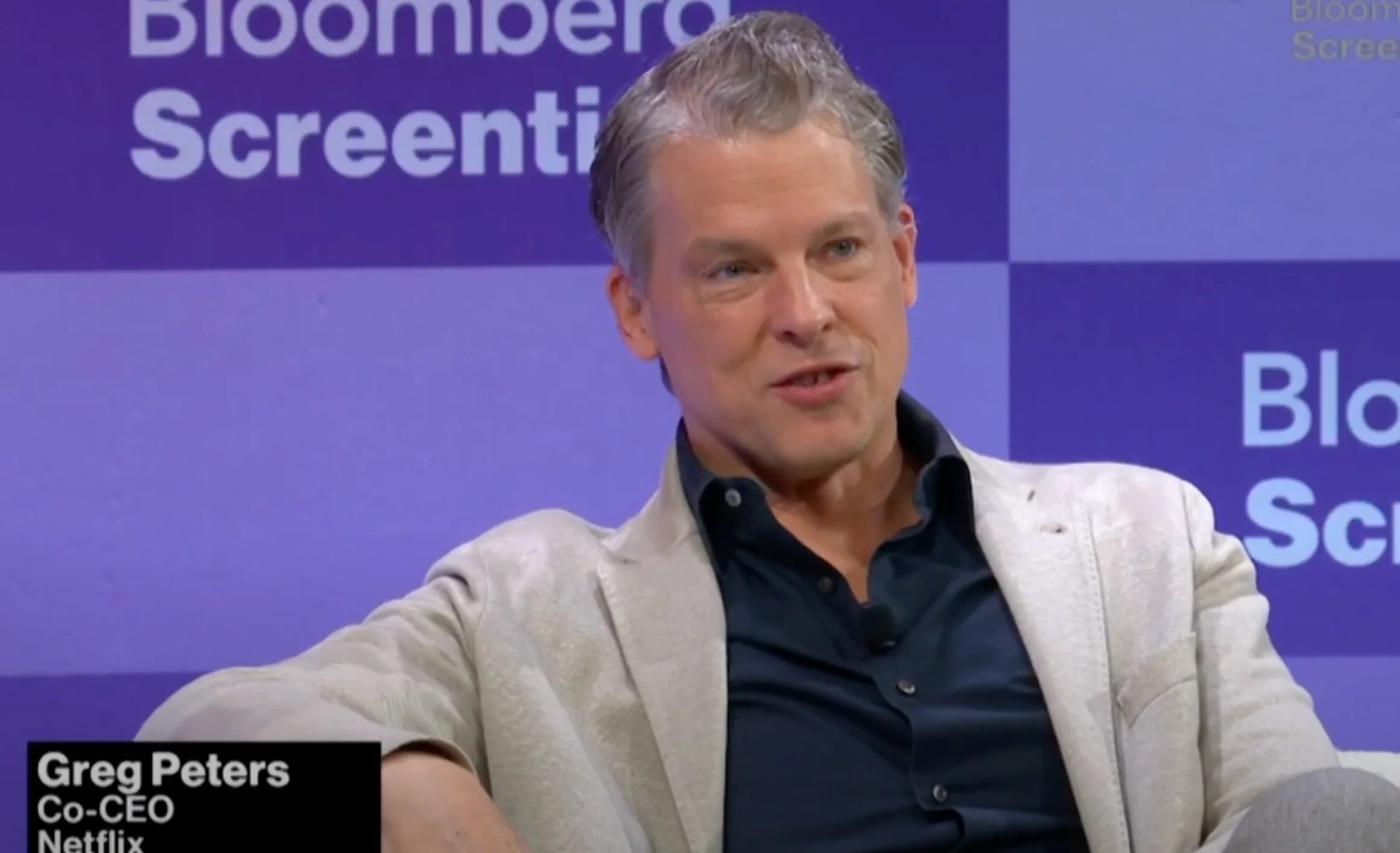
The battle for Warner Bros. Discovery is heating up, and the rivalry between Netflix and Paramount is now very public. What started as private discussions and legal maneuvering has escalated into an open conflict.
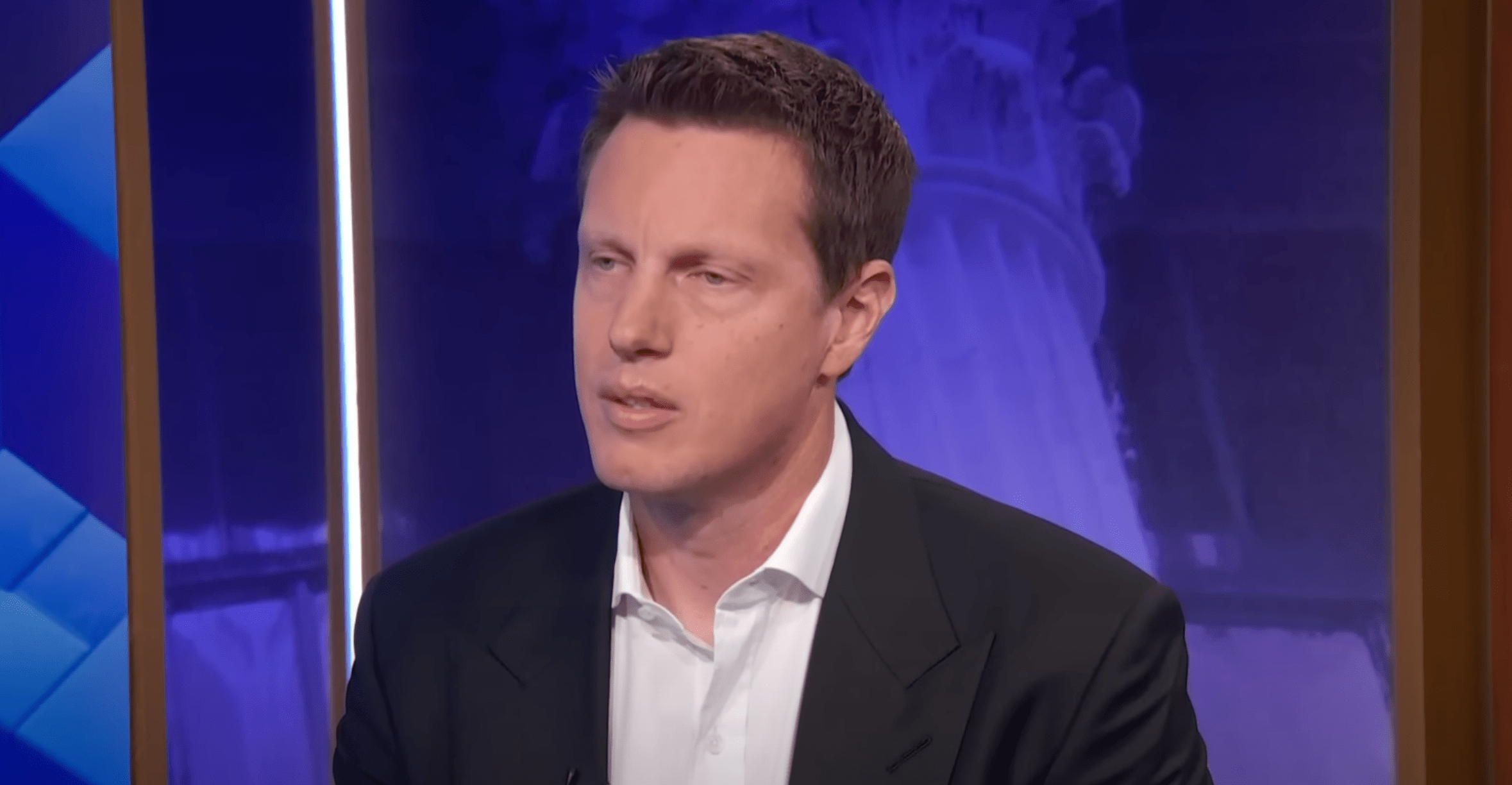
Netflix co-CEO Greg Peters has publicly questioned Paramount’s attempt to acquire Warner Bros., stating that the financial details don’t seem realistic and the deal’s structure doesn’t make logical sense.
Statements made by executives to the Financial Times, and subsequently reported by The Hollywood Reporter, have intensified a major power struggle within Hollywood.
Netflix Paramount Clash Turns Public
Netflix believes Paramount’s offer, spearheaded by Skydance CEO David Ellison, has serious problems, mainly because of the amount of debt involved.
According to Peters, David Ellison’s Paramount Skydance is already facing a significant amount of debt.
The company’s co-CEO believes Paramount’s offer of $30 per share – paid entirely in cash – is risky due to the existing debt, and will likely require help from outside sources to succeed.
This support comes from Taylor Ellison’s father, Larry Ellison, the founder of Oracle, who has promised to personally guarantee the deal’s success.
Peters was direct in stating that Paramount might struggle to fund the acquisition without external help.
He stated that without Larry Ellison’s personal funding, Paramount would have no way to succeed with this project.
Debt, Leverage, and the Core of the Dispute
The main issue in the conflict between Netflix and Paramount is financial strength—how much borrowing Paramount would need to compete with Netflix in a potential bid.
Experts on Wall Street thought Paramount might increase its bid, but Peters quickly rejected that possibility.
He wondered what advantages they’d need to succeed if they were promoted. He doubted it would go well.
Unlike its competitor, Netflix is offering a simple, all-cash deal worth $83 billion for Warner Bros.’ studio and streaming services, which include HBO.
Paramount has made a bid of $108 billion, which includes Discovery’s TV channels and the Discovery+ streaming service. This is a larger and more complicated offer than others.
Paramount Fires Back Through RedBird Capital
Paramount quickly responded to those criticisms. Gerry Cardinale, who’s a major investor with RedBird Capital and a significant shareholder in the potential Skydance deal, strongly disagreed with the idea that Paramount is taking on too much debt with this bid. He basically said the concerns about leverage are unfounded.
He stated that their financial position is much stronger than what’s being suggested. Cardinale then criticized Netflix’s offer, suggesting it’s more complicated and less straightforward than it appears, calling it an illusion or a disappearing act – like something out of a magic show.
The comment implied that Netflix’s cash offer might include some hidden financial dealings, a claim Netflix hasn’t officially addressed except through comments made by Peters.
Why Netflix Says the Paramount Bid Fails
Peters presented the problem as a matter of trust and reliability – not just within the company’s leadership, but also with those at the very top of Warner Bros. Discovery and its investors.
“The Paramount bid doesn’t pass the sniff test in my mind,” he admitted.
Peters also suggested that Netflix’s views are shared by key decision-makers at Warner Bros. Discovery.
That’s the decision the Warner Brothers board made, and I believe their shareholders agree.
The information seems to be backed up by available data. As of January 21st, only about 168.5 million shares of Warner Bros. Discovery stock – out of nearly 2.45 billion total shares – had been offered in response to Paramount’s attempt to gain control through a proxy fight.
A Hostile Push That Hasn’t Gained Traction
David Ellison tried to convince shareholders to sell their stock before Warner Bros. Discovery’s next meeting. However, this attempt hasn’t gained much traction so far.
Peters highlighted the low bids received as proof that the market doesn’t have much faith in Paramount’s offer, which supports Netflix’s confidence that its bid is still the better option.
What the Netflix Paramount Battle Signals for Hollywood
The disagreement between Netflix and Paramount isn’t just about those two companies; it shows a bigger change in how power works in Hollywood. Netflix is demonstrating that it thinks having a large reach, strong finances, and careful spending are more important than the traditional, sprawling structure of older media companies.
Paramount believes that combining with other companies, even if it involves some risk, is essential to stay competitive in the challenging world of streaming and movie theaters.
Okay, things are really heating up now! The shareholder vote is coming, and the offers are officially in, so this isn’t just talk anymore – it’s about real money and everyone’s watching. From what I understand, Netflix thinks Paramount’s offer just doesn’t stand up to a closer look, and they’re prepared to fight for their future.
Read More
- Off Campus Season 1 Soundtrack Guide
- X-Men ’97 Finally Gave Gambit the Hero Moment He Deserved
- Chainsaw Man Volume 24’s Cover Art Reveals a Brand-New Denji
- 46 Years Later, The Mandalorian & Grogu Answers A Major Empire Strikes Back Question
- HoI4 fans harsh reactions to the announcement of another DLC pack
- 10 Worst End-Game Couples In Sitcom History
- Gold Rate Forecast
- DoorDash responds after customer uses AI to make food look bad and get a refund
- Emily Henry Says to ‘Trust the Vision’ For Beach Read Adaptation
- Katanire’s Yae Miko Cosplay: Genshin Impact Masterpiece
2026-01-24 19:58