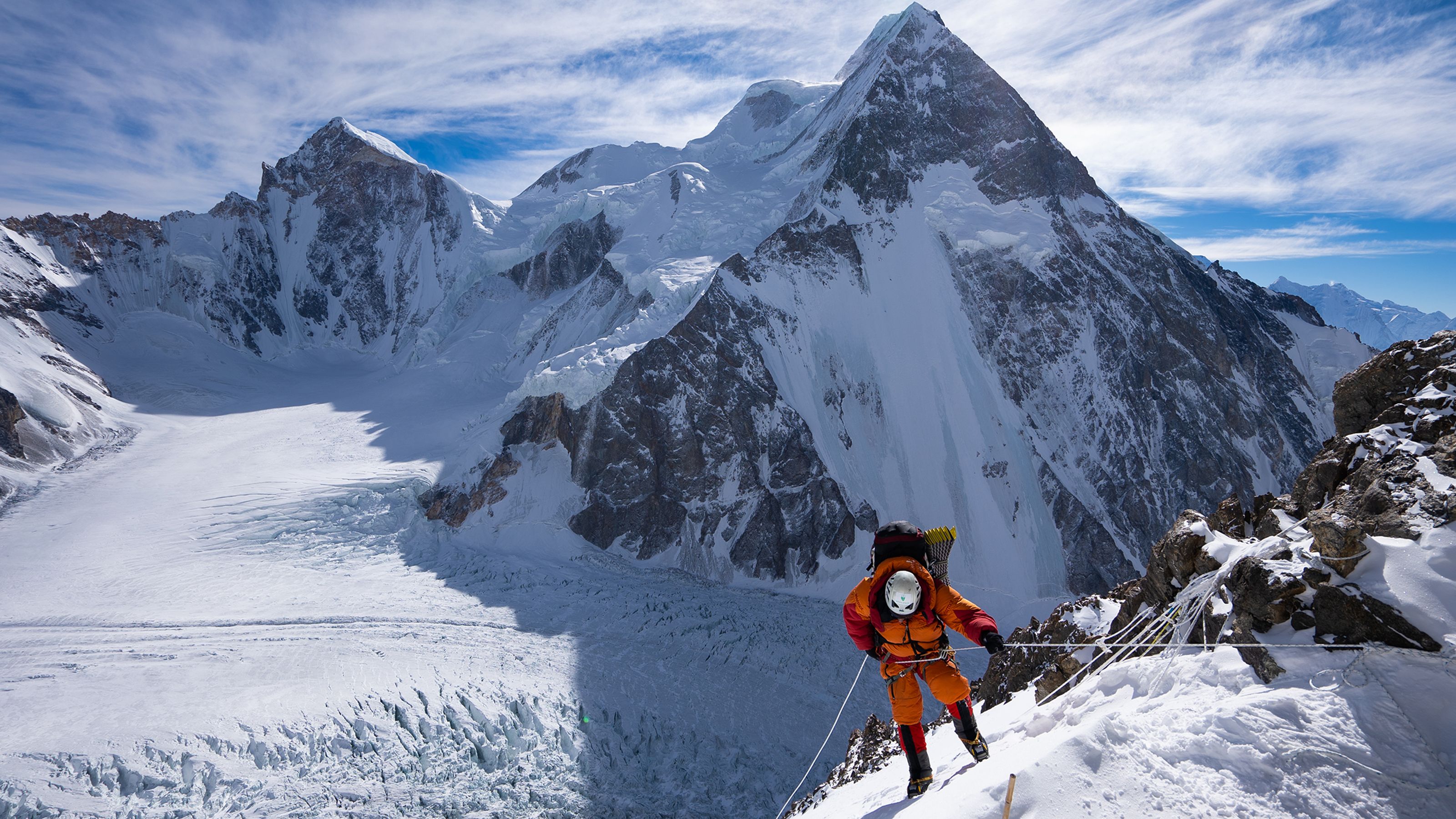
Amir Bar-Lev’s documentary is a deeply unsettling look at extreme sports, and one of the most grim portrayals you’ll find. It’s frightening to witness the story of five climbers who died on a dangerous Nepalese mountain, not because of the climb itself, but due to a series of poor choices and careless mistakes. Beyond its surface story, The Last First is a surprisingly tense film that uses the tragedy as a powerful metaphor for many of the problems facing society today.
High-risk climbing might seem far removed from issues like nationalism, prejudice against foreigners, excessive social media use, unchecked capitalism, and colonialism. However, in 2021, while the COVID-19 pandemic heavily impacted daily life and businesses globally, a group of skilled climbers – and, unfortunately, some inexperienced ones – found themselves in a dangerous and heartbreaking situation.
The Last First Demonstrates Both the Triumph and the Tragic Hubris of High Risk Sports
The central challenge in this story is the attempt to be the first person to climb K2 in winter. Of the world’s fourteen mountains over 8,000 meters high, K2 is the only one that hasn’t been successfully climbed during the winter months. Unlike Mount Everest, which is now heavily commercialized and relatively safe, offering climbers a chance for social media photos, K2 remains a truly daring and dangerous climb reserved for only the most experienced.
Let me tell you, the pandemic threw a huge wrench into the story of this climb. Initially, it was a very small, focused attempt – just Icelandic climber John Snorri, along with Pakistani mountaineer Ali Sadpara and his son, Sajid, setting up base camp. Then, Angela Benavides at Explorersweb.com mentioned what they were up to, and suddenly, it was a free-for-all! What started as a quiet, personal challenge quickly turned into a crowded scene, with athletes arriving from all over – Italy, Chile, Spain, and especially Nepal. And Nepal sent their biggest star, Nirmal Purja – or ‘Nims’ as everyone knows him – a real rockstar and bit of a rebel in the climbing world, adding even more drama to the mix.
When businesses feel pressured to compete, it can lead to risky choices. This happened with Seven Treks, a climbing tourism company struggling during the COVID-19 pandemic. In a desperate attempt to stay afloat, they allowed inexperienced climbers to join their expeditions, creating a dangerously crowded and ill-prepared basecamp on K2.
Amir Bar-Lev’s documentary focuses less on the sport itself and more on how human actions damage the natural environment.
The intense desire to summit K2 reached its peak because it was such a rare and challenging achievement. With no other major climbing goals available, Winter K2 became the ultimate prize. However, the mountain was incredibly dangerous, leading climbers to discuss a collective approach – a seemingly cooperative decision that masked Nim’s true intention: to secure all the credit for himself and his Nepali teammates.
Nims and his team achieved their goal by leaving very early in the morning, a move that sparked controversy. However, that’s only one piece of what happened. Many climbers began to descend, but Sadpara faced increasing pressure from the Pakistani government. Meanwhile, clients of Seven Treks were reluctant to abandon their expedition. The arrival of filmmaker Elia Saikaly added even more complexity, and within this chaotic situation, errors were made, ultimately leading to a devastating tragedy.
Filmmaker Bar-Lev, collaborating with editor Joe Carey, lets the people he films tell their own stories, often challenging initial assumptions. For example, Nim’s pride in Nepal’s achievements first seems like simple nationalism, but quickly reveals a more complex history of European and Western interference. Similarly, while Seven Treks was criticized for letting climbers attempt the summit despite the risks, it becomes clear they actually issued strong warnings against it.
Climbing news heavily highlighted Nims’ successful summit of K2, and while fatalities aren’t uncommon on winter K2 attempts – with roughly one in four climbers dying – that doesn’t diminish the tragedy. A new documentary powerfully illustrates just how devastating the five deaths were, revealing they weren’t due to a single mistake or individual. Instead, a chain of decisions, combined with the extreme conditions of the mountain, created a chaotic situation. The film makes clear there wasn’t one person or event to blame.
The intense rush from extreme sports is often compared to the feeling of using drugs. High-level climbing, in particular, demonstrates the incredible capabilities of the human body. However, recent events in 2021 reveal a darker side to pushing those limits. Just as drugs can lead to reckless and self-centered behavior, the pursuit of extreme physical feats can also lead people to act in ways that are considered unacceptable in everyday life.
The Last First: Winter K2 screened at the 2026 Sundance Film Festival.
Read More
- Off Campus Season 1 Soundtrack Guide
- X-Men ’97 Finally Gave Gambit the Hero Moment He Deserved
- Chainsaw Man Volume 24’s Cover Art Reveals a Brand-New Denji
- 46 Years Later, The Mandalorian & Grogu Answers A Major Empire Strikes Back Question
- 10 Worst End-Game Couples In Sitcom History
- HoI4 fans harsh reactions to the announcement of another DLC pack
- DoorDash responds after customer uses AI to make food look bad and get a refund
- Gold Rate Forecast
- Emily Henry Says to ‘Trust the Vision’ For Beach Read Adaptation
- Katanire’s Yae Miko Cosplay: Genshin Impact Masterpiece
2026-01-22 20:39