Author: Denis Avetisyan
A new artificial intelligence model analyzes electrocardiograms to predict a surprisingly wide range of diseases, moving beyond traditional cardiac diagnostics.
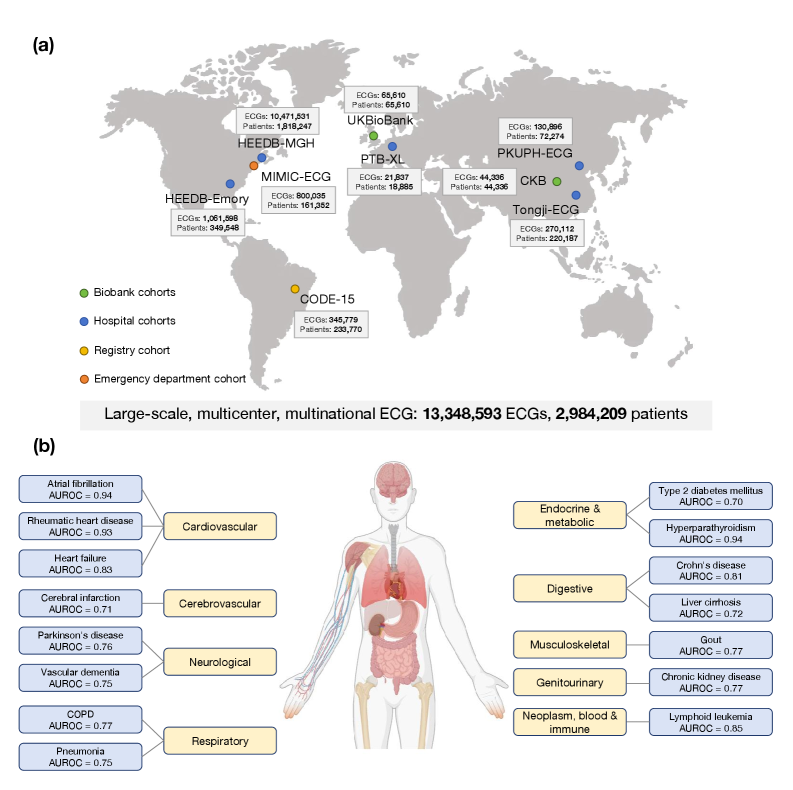
AnyECG, a foundation model for electrocardiography, demonstrates accurate multi-disease diagnosis and holistic health profiling, encompassing both cardiovascular and non-cardiovascular conditions.
While artificial intelligence has advanced electrocardiography’s diagnostic capabilities, most models remain narrowly focused on single disease identification, overlooking the prevalence of comorbidities and future health risks. Here, we present AnyECG: Evolved ECG Foundation Model for Holistic Health Profiling, an AI-powered model trained on a vast multi-center dataset to provide systemic predictive capability across 1172 conditions. Our results demonstrate that AnyECG achieves high diagnostic performance-with AUROCs exceeding 0.7 for over 300 diseases-and reveals novel disease associations, enabling both concurrent disease detection and long-term risk prediction. Could this represent a paradigm shift towards proactive, holistic health monitoring via routine electrocardiograms?
The Subtle Signals of Systemic Illness: Beyond Conventional Detection
Conventional diagnostic practices frequently encounter limitations when faced with the nuanced presentations of systemic illnesses, often resulting in postponed or incorrect diagnoses. The challenge arises because early indicators can be exceptionally subtle, falling outside the thresholds considered abnormal by standard testing protocols. Many conditions don’t present with dramatic symptoms initially, instead manifesting as minor deviations in physiological signals or vague, nonspecific complaints. This creates a significant diagnostic gap, as clinicians may attribute these early signs to everyday fluctuations or dismiss them altogether. Consequently, diseases can progress undetected for extended periods, reducing the effectiveness of interventions and potentially leading to more severe health outcomes. Addressing this requires a shift towards more sensitive and comprehensive diagnostic approaches capable of recognizing these faint, yet critical, warning signs.
The subtle interplay between the autonomic nervous system and inflammatory responses often obscures early signs of systemic illness, presenting a significant challenge to conventional diagnostics. Conditions rooted in autonomic dysfunction – impacting heart rate variability, blood pressure regulation, and even digestion – don’t always manifest with easily identifiable symptoms. Furthermore, inflammatory cascades, even at subclinical levels, can disrupt physiological baselines in complex ways, masking the origins of disease. Standard tests frequently prioritize discrete, measurable values, potentially overlooking the nuanced patterns and interconnectedness that characterize these conditions. This limitation highlights the need for diagnostic tools capable of recognizing the intricate relationships between these systems, rather than focusing solely on isolated markers of disease.
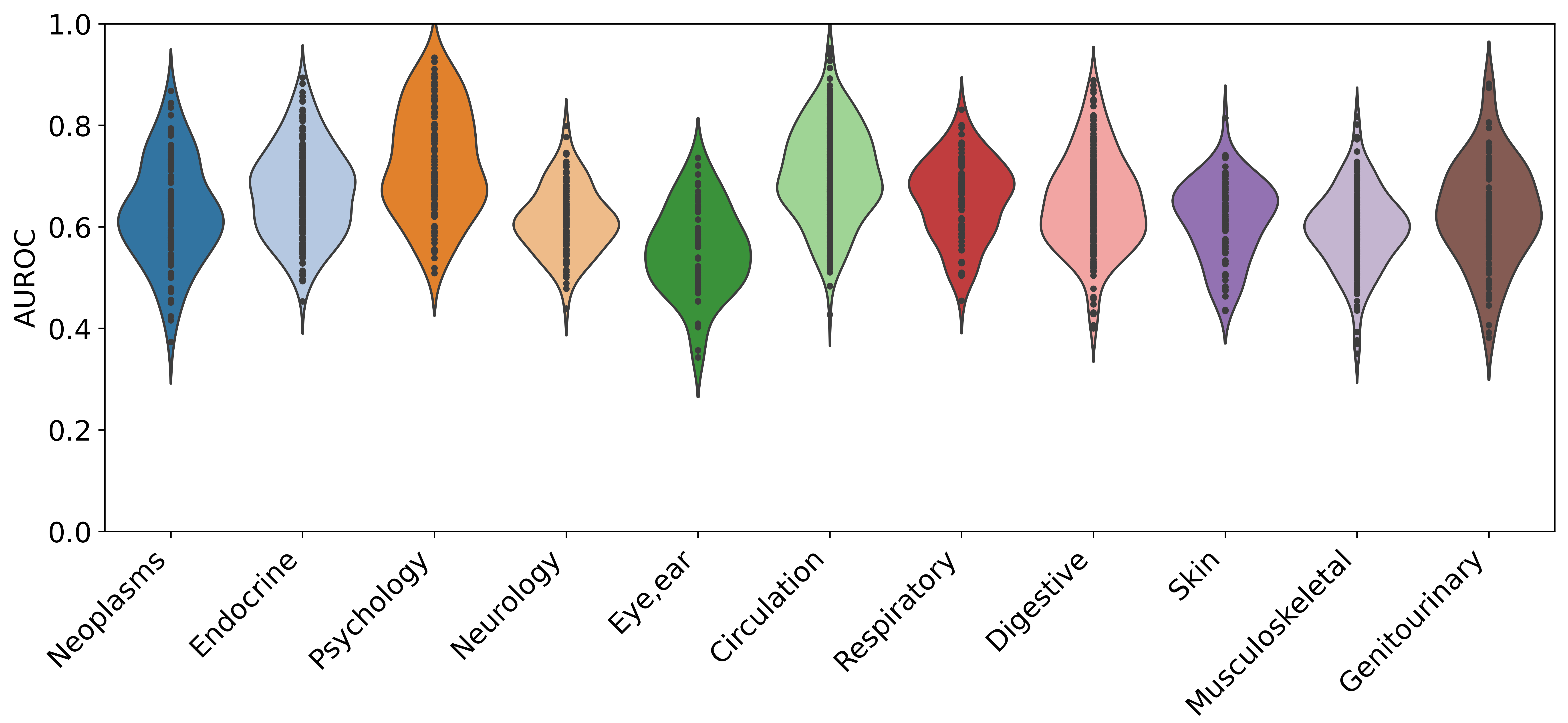
The timely identification of systemic illness frequently hinges on the ability to discern subtle patterns concealed within complex physiological data, such as the electrocardiogram (ECG). Recognizing this challenge, AnyECG employs advanced analytical techniques to move beyond traditional diagnostic limitations. A recent evaluation demonstrated its capability to achieve an Area Under the Receiver Operating Characteristic curve (AUROC) of 0.65 or greater for an impressive 588 out of 1172 distinct ICD-10 diagnostic codes. This performance suggests a substantial capacity to detect a broad spectrum of conditions, potentially enabling earlier interventions and improved patient outcomes by extracting meaningful insights from the inherent complexity of physiological signals.
AnyECG: Deciphering the ECG Landscape for Systemic Insight
AnyECG is a deep learning model developed for direct disease diagnosis utilizing electrocardiogram (ECG) data. This model operates by analyzing the complex waveforms recorded by an ECG to identify patterns associated with a wide range of pathologies. Unlike traditional diagnostic approaches that often require interpretation by a trained cardiologist, AnyECG aims to automate this process by leveraging the capabilities of artificial neural networks to discern subtle indicators of disease directly from the raw ECG signal. The model’s architecture is designed to process the complete ECG recording as input, enabling the identification of both established and nuanced disease markers.
AnyECG utilizes transfer learning techniques, specifically building upon the pre-trained weights and architecture of the ECGFounder model. This approach significantly reduces the amount of data and computational resources required for effective training; instead of learning from scratch, AnyECG refines existing knowledge to the specific task of broad-spectrum disease diagnosis from ECG signals. The ECGFounder model provides a foundational understanding of ECG characteristics, enabling AnyECG to achieve high diagnostic performance with a smaller, task-specific dataset than would be necessary for a model trained independently. This transfer learning strategy accelerates development and improves generalization capabilities.
AnyECG’s diagnostic capability is derived from training on a substantial ECG dataset, allowing the model to detect nuanced indicators of disease. This training regimen enables the identification of patterns associated with 588 distinct ICD-10 codes, achieving an Area Under the Receiver Operating Characteristic curve (AUROC) of ≥ 0.65 for each code. This performance level facilitates a systemic diagnostic approach using ECG data, extending its utility beyond traditional cardiac assessments to encompass a broader range of medical conditions.
Validating Diagnostic Precision: Quantitative Evidence for AnyECG
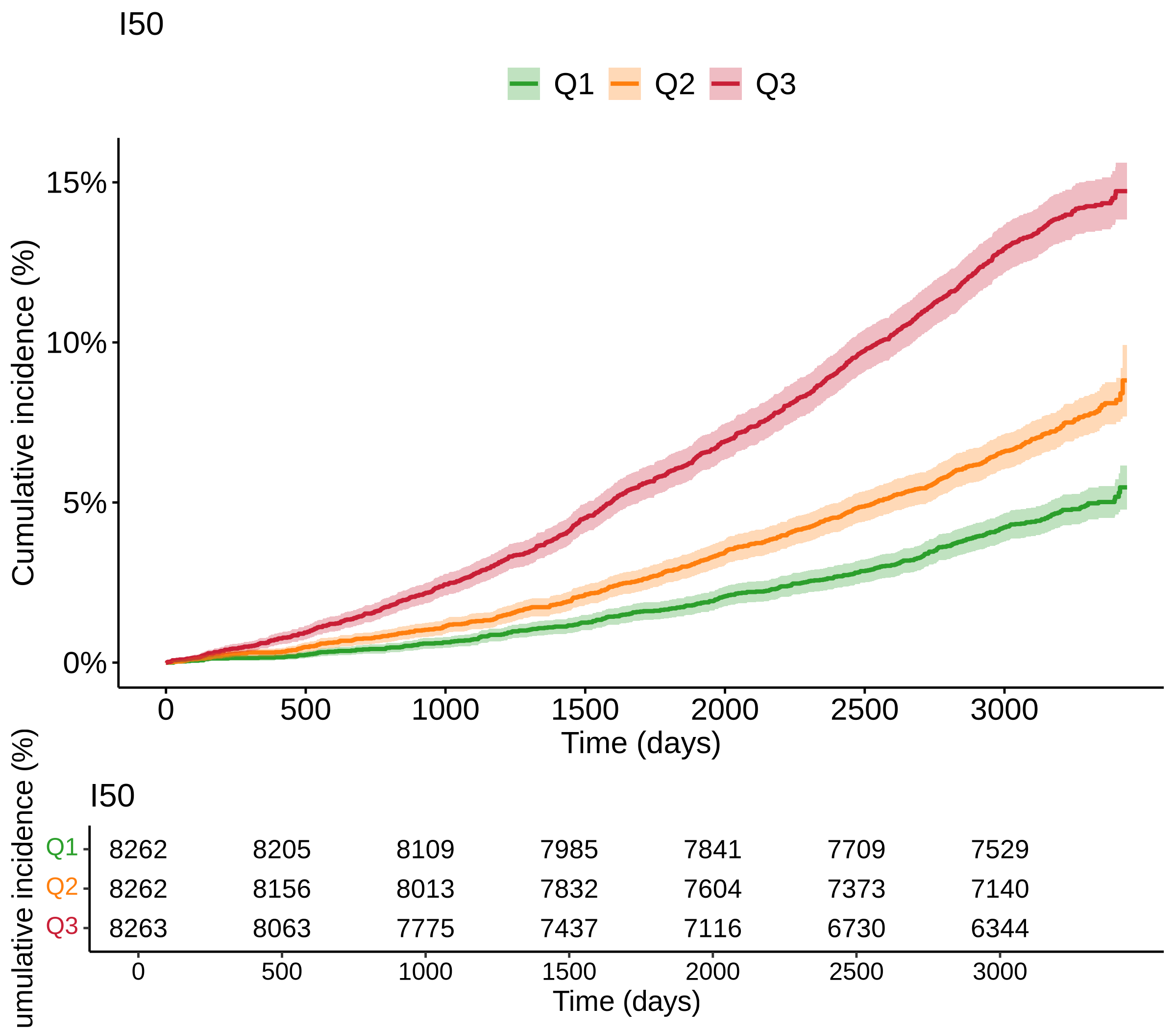
AnyECG’s diagnostic performance is quantitatively assessed using the Area Under the Receiver Operating Characteristic curve (AUROC) metric, which measures the model’s ability to distinguish between patients with a given condition and healthy controls. For hyperparathyroidism, AnyECG achieved an AUROC of 0.941, indicating a high degree of accuracy in differentiating affected individuals from those without the condition. This value is further supported by a 95% Confidence Interval (CI) ranging from 0.903 to 0.977, providing a statistical measure of the reliability and stability of the observed performance.
AnyECG’s diagnostic capability is fundamentally linked to the utilization of standardized International Classification of Diseases (ICD) Diagnostic Codes. This reliance ensures that the model’s interpretations of ECG data are clinically relevant and aligned with established medical terminology. Specifically, the model is trained and validated using datasets labeled with ICD codes, facilitating seamless integration with existing healthcare information systems and electronic health records. The use of these standardized codes also enables interoperability, allowing AnyECG’s diagnostic outputs to be readily understood and utilized by other clinical tools and healthcare professionals who operate within the ICD framework.
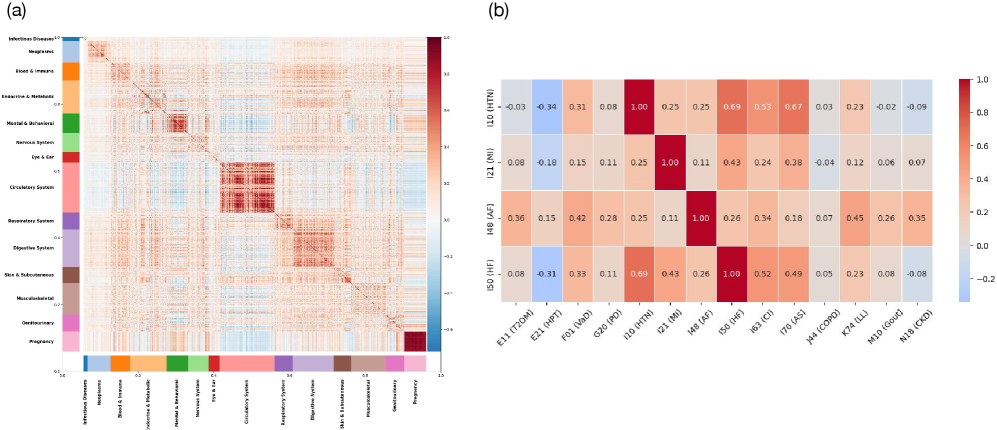
Beyond single disease identification, AnyECG demonstrates capability in recognizing complex comorbidity patterns as evaluated by Area Under the Receiver Operating Characteristic (AUROC) metric. Specifically, the model achieves an AUROC of 0.803 (95% CI: 0.798-0.807) for type 2 diabetes mellitus, 0.817 (95% CI: 0.774-0.857) for Crohn’s disease, 0.856 (95% CI: 0.849-0.861) for lymphoid leukemia, and 0.773 (95% CI: 0.759-0.786) for chronic obstructive pulmonary disease. These values indicate the model’s ability to differentiate between patients with these conditions and healthy controls, even when multiple comorbidities are present.
Beyond Prediction: Towards a Future of Proactive, Systemic Healthcare
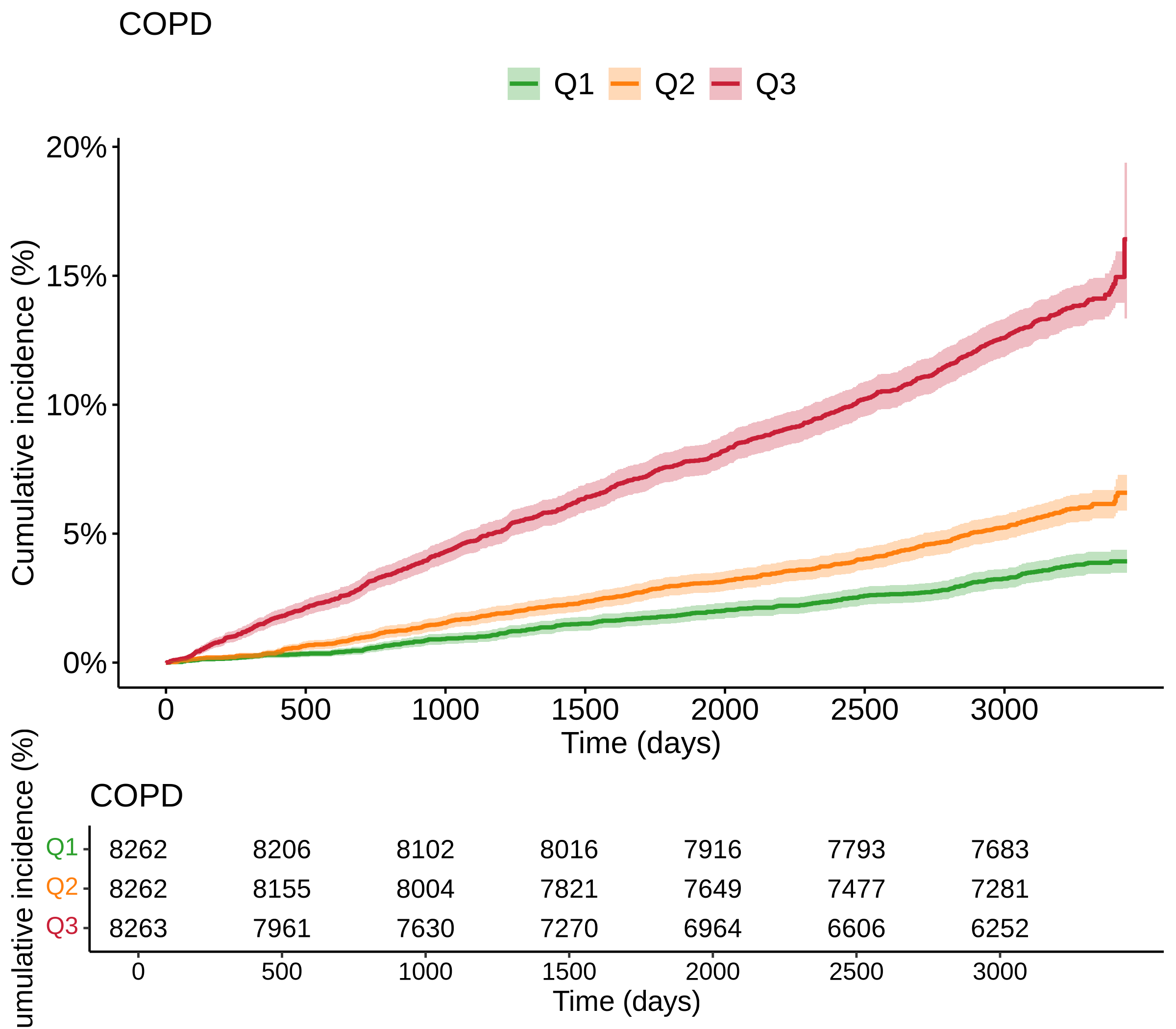
Beyond its current diagnostic capabilities, AnyECG is engineered to detect the earliest signatures of future disease. The system analyzes electrocardiograms not simply for present abnormalities, but for subtle, often overlooked indicators that precede the onset of systemic illness. These indicators, manifesting as minute deviations in electrical activity, can signal developing conditions long before traditional symptoms appear. By leveraging advanced algorithms and machine learning, AnyECG aims to predict potential health risks, enabling clinicians to intervene proactively and potentially alter disease trajectories. This shift from reactive treatment to predictive prevention represents a significant advancement in cardiac care and broader healthcare management, promising improved patient outcomes and a reduction in long-term healthcare costs.
AnyECG moves beyond traditional cardiac assessment to function as a holistic systemic diagnostic instrument. The system doesn’t simply identify heart abnormalities; it meticulously analyzes the electrocardiogram for subtle patterns indicative of broader physiological imbalances. These patterns, often preceding overt symptoms, can signal the early stages of systemic illnesses – conditions affecting multiple organ systems. By correlating nuanced ECG variations with comprehensive datasets of systemic disease indicators, AnyECG aims to provide clinicians with a powerful tool for identifying individuals at risk, even before conventional diagnostic methods can detect a problem. This capability positions AnyECG as a proactive screening mechanism, potentially revolutionizing the early detection and management of a wide range of health conditions.
The potential for earlier interventions, facilitated by proactive healthcare systems like AnyECG, represents a paradigm shift in medical practice. By detecting subtle indicators of developing conditions before symptoms manifest, clinicians gain a critical window for preventative measures and personalized treatment plans. This preemptive strategy moves beyond reactive care, focusing on mitigating disease progression and improving long-term patient outcomes. Such early detection isn’t simply about treating illness; it’s about enhancing quality of life, reducing the burden on healthcare systems, and ultimately, fostering a future where proactive wellness replaces reactive sick care. The ability to identify risk factors and implement timely interventions promises to not only extend lifespans but also to drastically improve the healthspan – the period of life spent in good health.
The development of AnyECG exemplifies a system where complex global effects – accurate, multi-disease diagnosis – emerge from seemingly small, local rules: the patterns within electrocardiogram data. This foundation model doesn’t attempt to control disease prediction through pre-programmed directives, but rather influences it by learning and adapting to the inherent order within the data itself. As Albert Einstein once noted, “The intuitive mind is a sacred gift and the rational mind is a faithful servant. We must learn to trust the former and tame the latter.” AnyECG trusts the ‘intuitive’ patterns in ECG data, allowing them to reveal a comprehensive health profile beyond singular disease identification, demonstrating that order doesn’t necessitate rigid architectural design, but arises from the interplay of individual data points.
Where Do the Signals Lead?
AnyECG, as a foundation model, doesn’t solve diagnosis. It shifts the terrain. The power isn’t in a single, perfect prediction, but in the emergent properties of a system trained on the sheer volume of cardiac rhythms. The forest evolves without a forester, yet follows rules of light and water; similarly, diagnostic accuracy isn’t imposed, but arises from the complex interplay of learned representations. The immediate path lies not in expanding the list of detectable pathologies, but in understanding how this model encodes health and disease – what subtle patterns differentiate resilience from vulnerability.
Current limitations, however, are not technical but conceptual. A holistic profile, while ambitious, risks becoming another echo chamber of correlation. True progress demands moving beyond identifying ‘disease’ to modeling ‘state’- recognizing that the boundary between health and pathology is porous and dynamic. The model’s potential is stunted if it’s solely used to confirm existing diagnoses rather than revealing previously unseen gradients of physiological function.
Ultimately, the value of AnyECG, and similar models, won’t be measured in isolated accuracy scores, but in its capacity to destabilize the very notion of ‘normal’. Order is the result of local interactions, not directives. The future lies in recognizing that the signal isn’t about disease, it is the expression of a complex, self-organizing system- and understanding that system requires a humility that transcends simple classification.
Original article: https://arxiv.org/pdf/2601.10748.pdf
Contact the author: https://www.linkedin.com/in/avetisyan/
See also:
- Off Campus Season 1 Soundtrack Guide
- DoorDash responds after customer uses AI to make food look bad and get a refund
- Gold Rate Forecast
- Hideo Kojima says Metal Gear Solid 2 became the future he hoped would not happen
- How to Get to the Undercoast in Esoteric Ebb
- Ethereum Eyes Break Above $2,420 as Rally Hangs in the Balance
- HSR Banner Schedule (Honkai Star Rail)
- Umamusume has been transformed into a D&D game with new race
- 10 Most Universally Beloved Sci-Fi Movie Villains, Ranked
- Euphoria Season 3’s New R-Rated Sydney Sweeney Scene Proves The Show Is Trolling Us
2026-01-19 17:53