Spoilers ahead for the plot and ending of 28 Years Later: The Bone Temple.
Okay, so here’s the thing: Danny Boyle kind of let the biggest surprise of 28 Years Later: The Bone Temple slip over the summer. While talking to Business Insider about the sequel, he revealed Cillian Murphy would be making an appearance. He even hinted that Murphy’s return was strategically planned to help secure funding for a third film! Now, for those who remember 28 Days Later back in 2002, seeing Murphy back in this universe – let’s not call them zombies, okay? – is a real treat. The ending of The Bone Temple is clearly designed to get fans excited, even if some of us already knew he was coming back. It’s a clever move, and it definitely worked on me – I was thrilled to see him!
Boyle likely revealed that detail because he’s committed to finishing the trilogy. While the first two films, 28 Years Later and 28 Years Later: The Bone Temple, were filmed consecutively, the third installment wasn’t officially approved until December. He was probably trying to generate excitement for the already-finished movies by hinting at the eventual return of Murphy, who has become a more famous actor – even winning an Oscar – since his original role as a bike messenger named Jim. Regardless of whether audiences expected it, Murphy’s cameo works well. Similar to the open ending of the first 28 Years Later, the final moments of The Bone Temple strongly suggest a sequel – one that hadn’t been filmed at the time. The scene also provides a welcome break from the intense violence and brings back the heart and humanity that define the series.
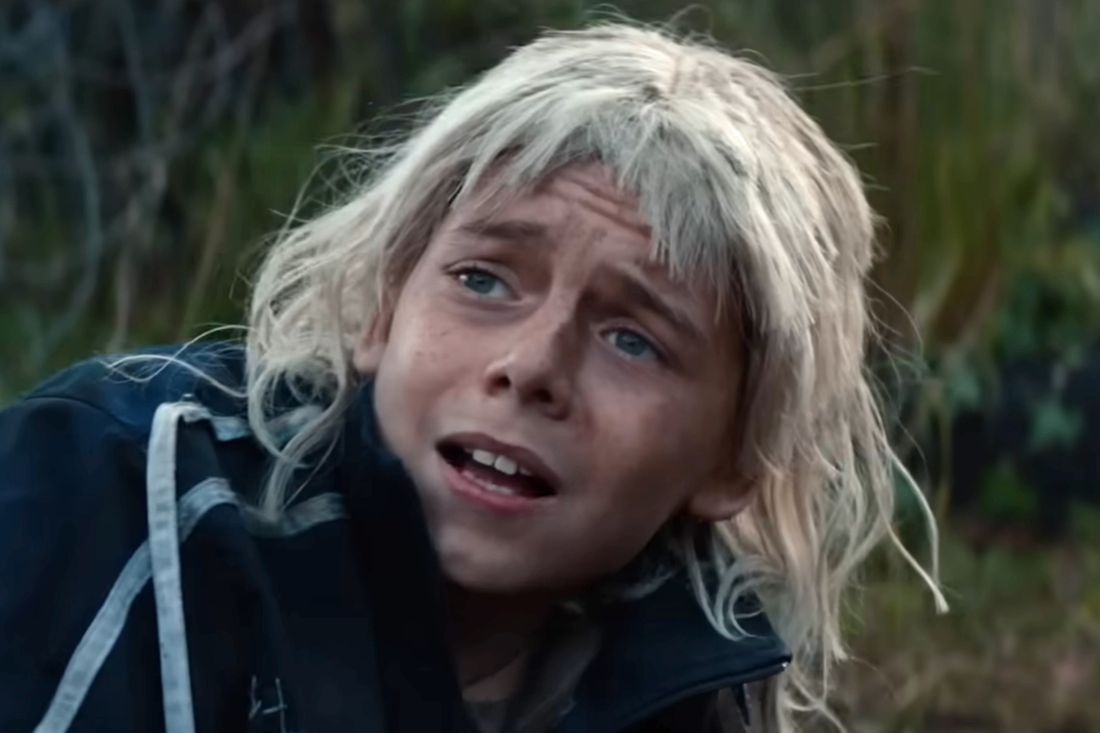
The first 28 Years Later ended on a surprisingly energetic note – with Sir Lord Jimmy Crystal and his followers performing martial arts moves against the infected – hinting that the sequel would be less serious. The Bone Temple is indeed funnier than the original, but it’s also much more violent. The film opens with young Spike being forced to fight for his life to join Jimmy’s group, known as the Fingers. He succeeds, accidentally stabbing his opponent in the leg. However, becoming a Finger doesn’t end his troubles. Jimmy is a dangerous psychopath who believes his father, whom he calls Old Nick (an old-fashioned term for the Devil), speaks to him. Jimmy and his followers travel the land, torturing and killing innocent people as sacrifices. The film’s most disturbing scene reveals their preferred method of “charity”: flaying their victims alive.
Spike gets into serious trouble with Sir Jimmy and his followers when he refuses to cooperate and helps a pregnant woman escape. His destiny now rests with Old Nick – not the voice in Sir Jimmy’s head, but Satan himself, whom Spike’s only friend, Jimmy Ink (Erin Kellyman), believes she’s located. She actually finds Dr. Ian Kelson (Ralph Fiennes), who previously explained in 28 Years Later that he uses iodine to protect himself from the virus. Sir Jimmy eventually realizes Kelson isn’t the real Devil, but forces him to pretend to be in order to survive. Kelson puts on an elaborate performance, complete with fire and a rendition of Iron Maiden’s “The Number of the Beast.” However, when he spots Spike in the crowd, he deviates from the plan and demands a sacrifice – his own “son.” Sir Jimmy, furious, exposes Kelson as a fraud and stabs him, but it isn‘t enough to save himself. Accepting the reality of the Jimmy cult, Jimmy Ink kills the remaining loyal followers and then crucifies her former leader upside down. She allows Spike a final, emotional goodbye with Kelson before they both leave, hopefully abandoning the wigs, torture, and madness behind.
While a relatively hopeful conclusion for such a dark movie, The Bone Temple doesn’t quite end there. The final scene revisits Jim, now seemingly living a quiet life, teaching history to his daughter. He emphasizes the importance of remembering World War II, quoting, “Those who forget history are doomed to repeat it.” (It’s a small comfort that Jim believes fascism was completely eradicated in 2002, given everything that’s happened.) Their lesson is interrupted by the sound of someone running, and they see Spike and Jimmy Ink fleeing from the infected. Jim’s daughter asks if they should help, and the film ends with his affirmative response: “Of course we do.”
It’s easy to assume this recent plot point was just a way to attract viewers to the next film—and it probably was, at least in part. However, the scene also carries a meaningful message. The 28 Years Later films have consistently explored the collapse of society, highlighted by the infected who have lost all sense of normalcy. In The Bone Temple, Sir Jimmy and his group actively try to destroy Spike’s identity, forcing him to give up his name, values, and sense of self. Therefore, it’s significant that the story ends with a focus on family—something Spike left behind when he set out on his own in the previous movie. While seeing Jim again evokes nostalgia, it also offers a sense of reassurance. After enduring a barrage of violence and cruelty from Sir Jimmy and his followers, Jim arrives to restore balance. He’s a man who willingly risks his own safety to help others, even complete strangers.
The similarities between Jim and Sir Jimmy are intentional, likely considered by writer Alex Garland from the start of the 28 Years Later series. Sir Jimmy represents the kind of fascist leadership Jim warns his daughter about – a powerful figure who demands complete obedience and focuses only on growing his influence. The first 28 Years Later film highlights the dangers of isolation, with Britain left to fight on its own and Spike choosing to go it alone. The Bone Temple then explores the risks of forming exclusive groups. Only at the very end do we see a hopeful alternative – a future built on community and working together. In 28 Days Later, Jim dealt with a similar strongman, Major West, and survived by creating a new family with Selena and Hannah. This experience deeply shaped Jim, and it’s a lesson he’s now trying to teach his daughter.
The movie doesn’t give us much time to reconnect with Jim, leaving many questions about his life over the past 28 years unanswered. However, his appearance in The Bone Temple and the impact of his final words offer a sense of hope. In a world facing ongoing challenges, the film’s ending is reassuring: while things will never be the same, humanity still has the chance to rebuild and thrive.
Read More
- Off Campus Season 1 Soundtrack Guide
- Euphoria Season 3’s New R-Rated Sydney Sweeney Scene Proves The Show Is Trolling Us
- Gold Rate Forecast
- All Golden Ball Locations in Yakuza Kiwami 3 & Dark Ties
- DoorDash responds after customer uses AI to make food look bad and get a refund
- Jon Bernthal Explains Why Marvel Let Him Make The Darkest Punisher Story Ever
- The 2026 Cannes Film Festival Standing-O-Meter
- Uncovering Financial Fraud with the Power of Networks
- Dutton Ranch Review: Paramount+’s New Western Takes All The Best Parts Of Yellowstone & Makes Them Better
- ETH Holders Cash In: Is the Party Over, or Just Getting Started?
2026-01-16 02:55