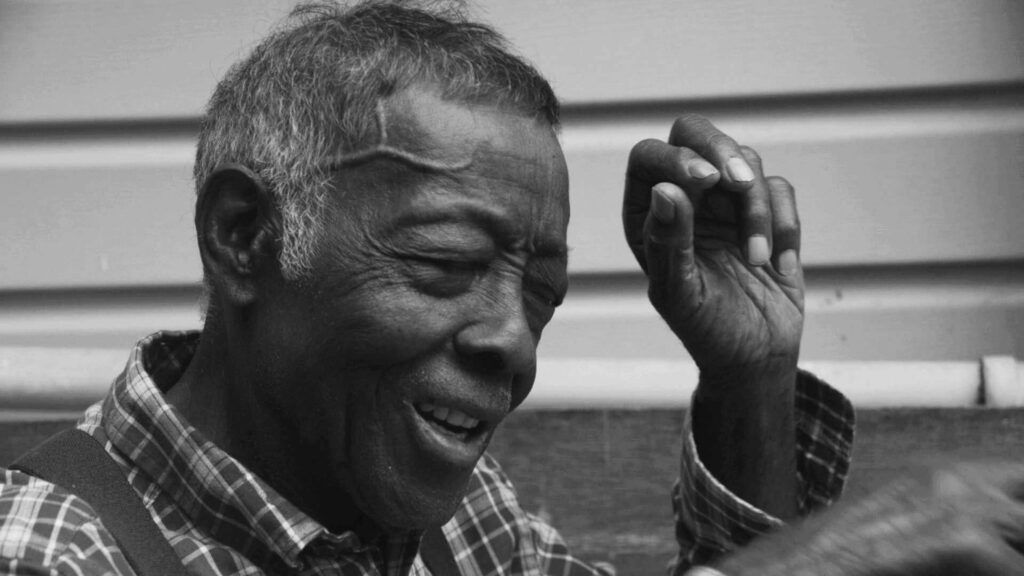
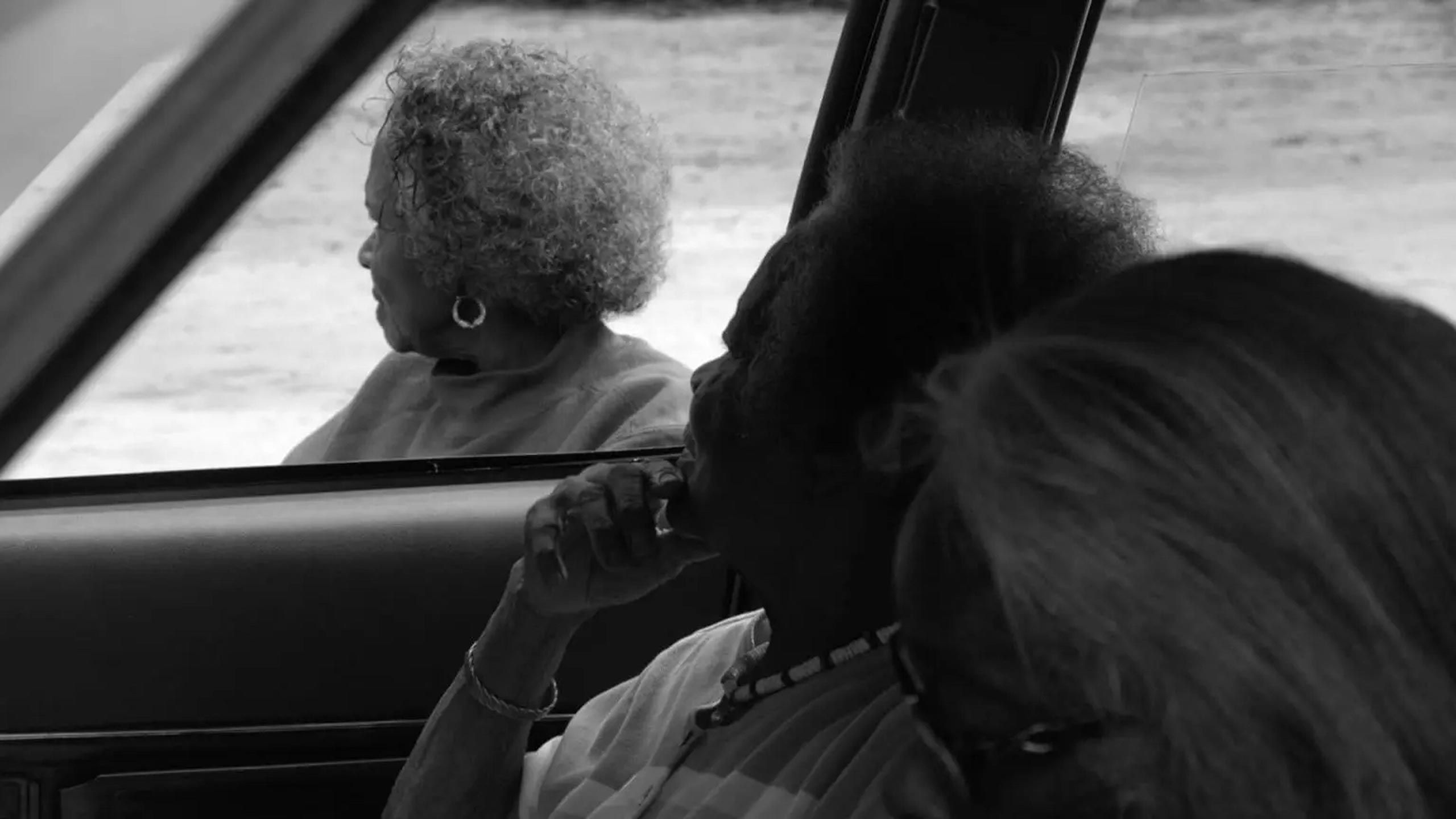
Brittany Shyne’s documentary beautifully captures the lives of Black farmers in rural Georgia with a warm and personal touch. The film immediately draws you in, starting with a scene inside a car on the way to and from a family funeral at a Baptist church. As a grandmother shares her beliefs about heaven with her granddaughter, the camera subtly captures a touching moment of family love and connection.
I was completely captivated by this film. Within just a few minutes, it beautifully conveys so much – the cycle of life and death, progress, and the complex mix of hope and sadness. It subtly, yet powerfully, highlights the deep-rooted racial discrimination these farmers have faced for generations. There’s a clear sense of justified frustration and disappointment directed at President Biden, who didn’t follow through on promises made during his campaign. But what really struck me was how the film communicated all of this through incredibly striking and focused imagery – it wasn’t about what was said, but what you felt while watching.
Farmers Walter and Cary, driving worn-out cars and needing to ash their cigarettes, represent a way of life slowly disappearing. The film focuses on details – like the rough, leathered hands of another farmer, Willie Jr. – creating a mosaic-like experience. Rather than telling one continuous story, the filmmaker offers glimpses into the lives of these people, giving viewers a deeply immersive look at a vanishing rural subculture.
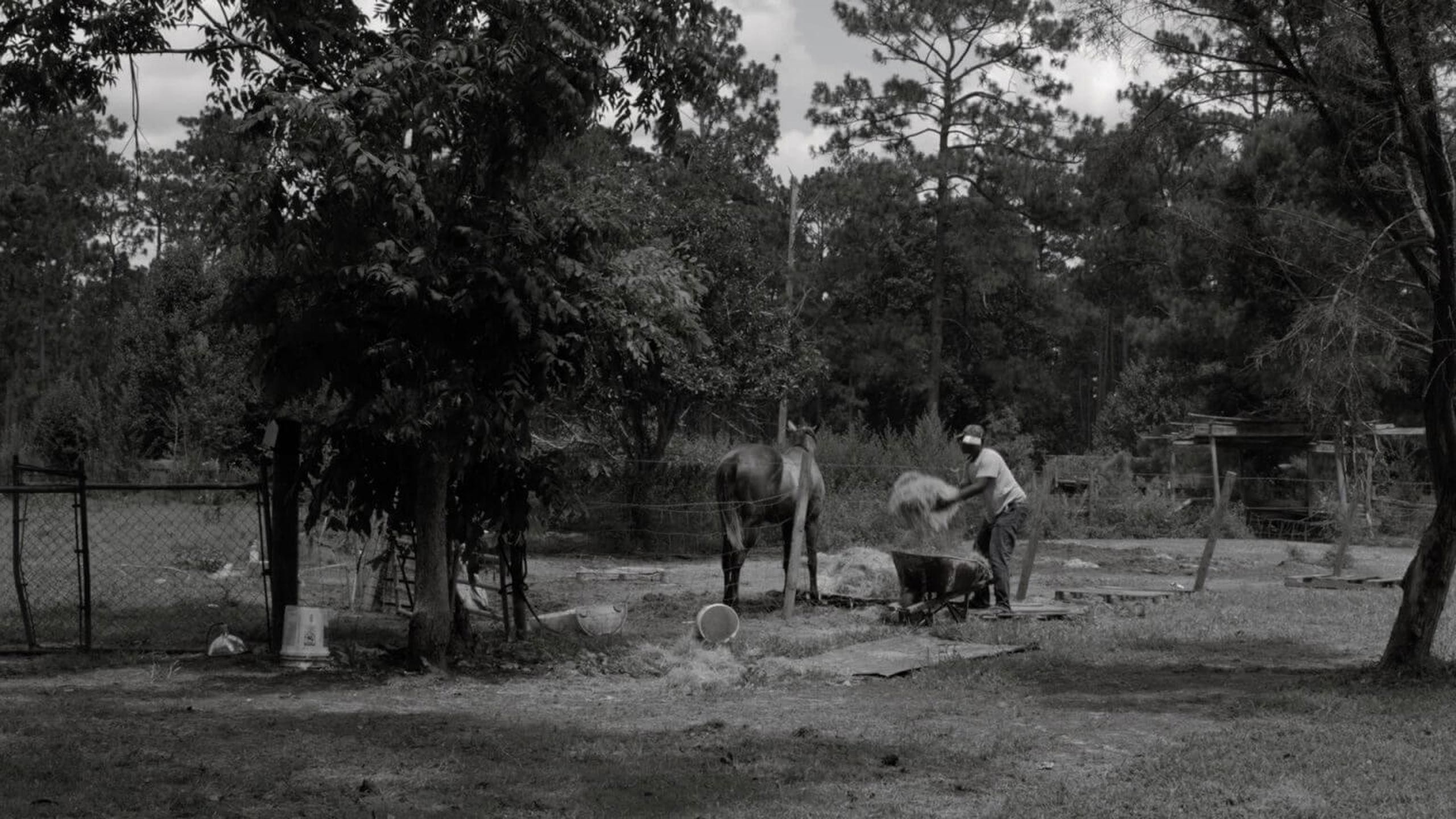
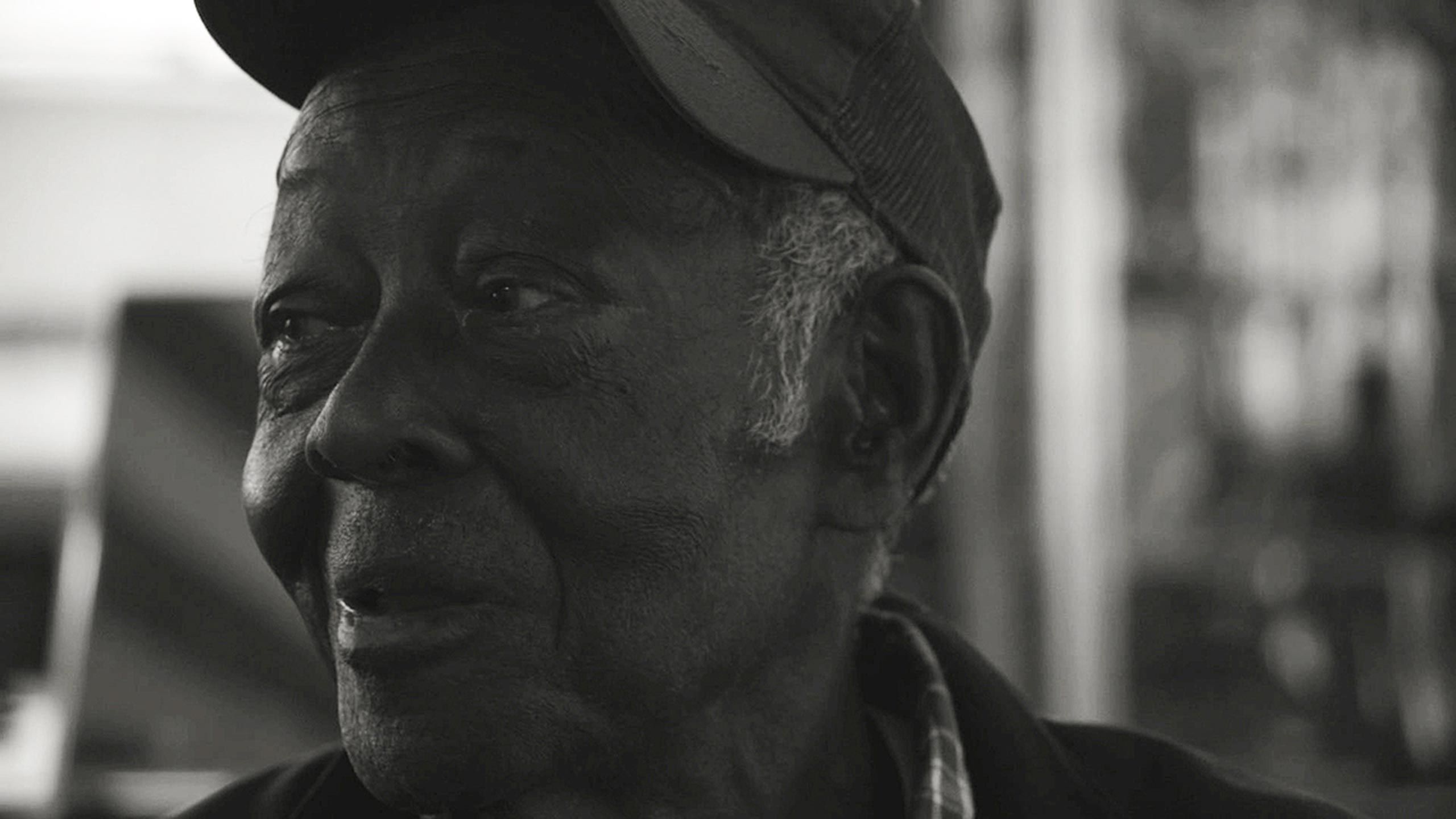
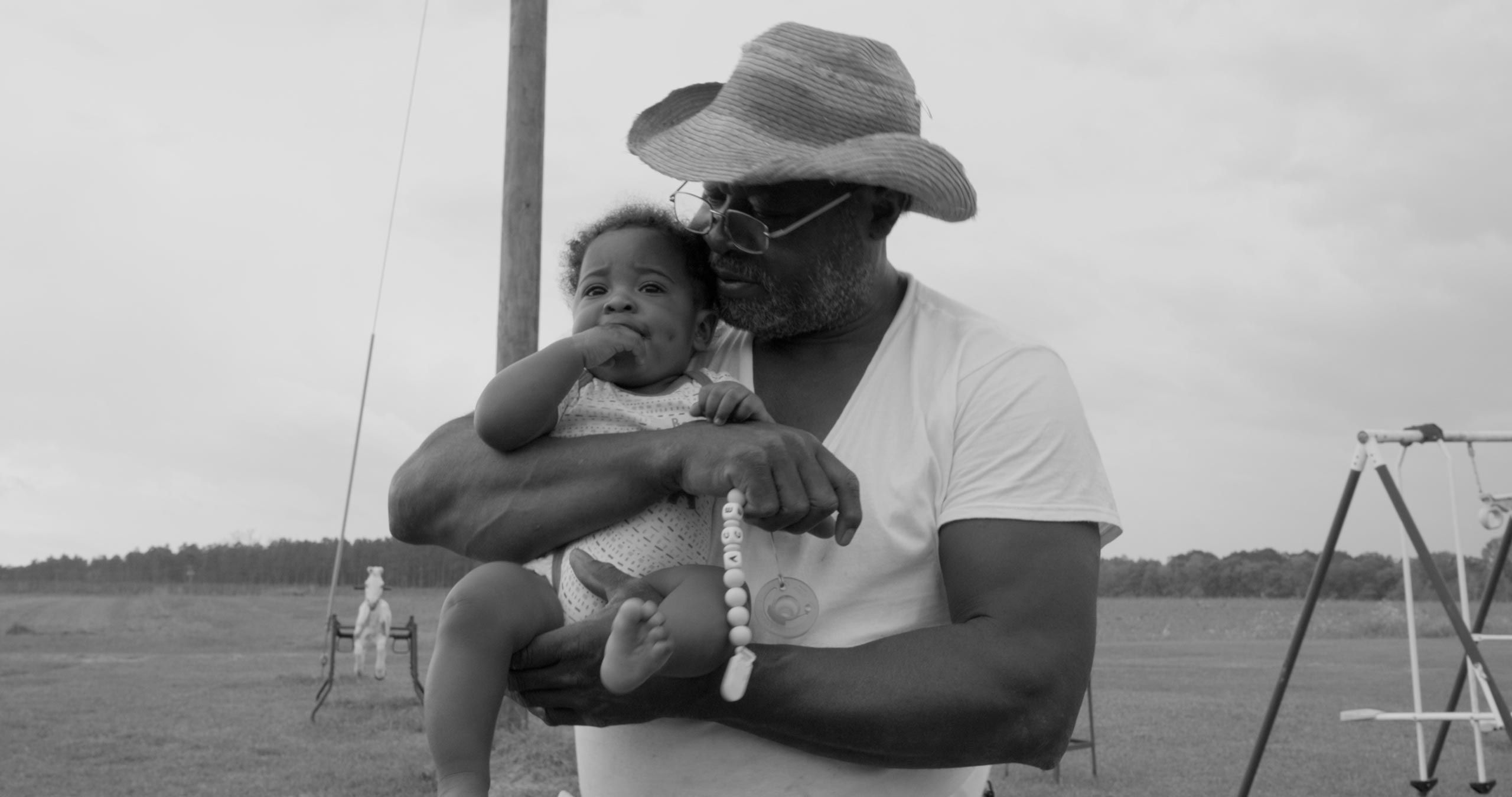
Many Black farmers have lost control of their land over time. In 1910, they owned 16 million acres, but now that number is around 1.5 million. This decline is largely due to systemic political issues. As Willie Jr. recounts, his father worked tirelessly just to afford the initial payment on their farm, and little has improved since then. Black farmers consistently receive far less federal funding than White farmers, and there’s a lack of strong advocacy for them at the national level.
Despite dealing with difficult subjects, the film Seeds feels surprisingly gentle, focusing instead on the hard work and dedication of the people involved.
Shyne’s film has a visual style reminiscent of photographer Walker Evans, but focuses on the struggles of Black farmers. Its quietness, minimal music, and themes of political hardship are strongly reminiscent of Bela Tarr’s film Sátántangó. Like that film, Seeds portrays rural people facing difficulties and clinging to the fading hope that the government will keep its promises of financial aid.
Despite dealing with difficult subjects, the documentary Seeds feels gentle and heartfelt, largely because it focuses on the hard work and dedication of the farmers. We see intimate moments beyond the fields – Charlie goes to the doctor for his eyesight, the farmers’ wives treat themselves to salon visits, and Willie cherishes time with his granddaughter, Alani, often reminiscing about her mother.
Shyne’s film uses music – a blend of beautiful, echoing voices and harsh, mechanical sounds – strategically, reserving it for powerful scenes. One particularly striking moment shows a restored cotton-picking machine moving confidently through tall grass. This scene deeply resonates because it suggests the lives of workers for whom significant achievements are uncommon, built instead on small, almost imperceptible efforts.
Seeds opens at the FIlm Forum in New York on January 16th.
Read More
- Off Campus Season 1 Soundtrack Guide
- Euphoria Season 3’s New R-Rated Sydney Sweeney Scene Proves The Show Is Trolling Us
- Gold Rate Forecast
- How to Get to the Undercoast in Esoteric Ebb
- Brent Oil Forecast
- Olympian Says Heated Rivalry Tugged At His Heartstrings
- Why is there no Jujutsu Kaisen this week? Missing Season 3 Episode 8 explained
- Jailbreak codes (April 2026)
- What is Omoggle? The AI face-rating platform taking over Twitch
- Popeye Slasher Horror Film Officially Kicks Off Production on ‘Bigger & Bloodier’ Sequel
2026-01-12 18:02