Generally, TV shows aim to entertain. But some shows intentionally try to puzzle viewers, withholding information and requiring close attention to even small details. For many, this sense of mystery is what makes the show enjoyable.
These shows often feature confusing timelines, ambiguous rules, and enigmatic characters. This complexity transforms even straightforward stories into mind-bending puzzles that demand viewers develop theories and re-watch episodes. While challenging our patience, they also seem to be abandoning it, rewarding close attention and repeated viewings.
The Leftovers Is Confusing by Refusing Answers
The show’s power comes from what it doesn’t explain. It starts with 2% of the population simply vanishing, and this unexplained event becomes the core puzzle. From the beginning, it’s clear the series won’t offer a tidy explanation – there’s no science, no clear reason, and ultimately, no resolution.
The central mystery continues to shape the world within the show, but it remains unresolved. The show builds confusion through subtle moments and clues. Characters struggle with hallucinations, bizarre coincidences, and deeply held convictions, yet the line between what’s real and what isn’t stays blurred. The show blends dreams and reality, making even memories seem questionable.
The film hints at deeper meanings, prompting viewers to interpret the characters’ actions and consider their personal connection to the story’s emotional core. Despite this ambiguity, the plot generally moves forward in a clear and realistic way, with a stronger emphasis on character development than on complex twists and turns.
Sometimes the show can feel a bit unusual, but the creators always deliver genuine emotion. Every character is dealing with sadness, regret, or a search for meaning, and they’re all trying to cope with loss. Even when things get weird, the characters react in believable ways, which makes them feel real and relatable. This careful balance keeps the show from becoming overwhelming. The mystery unfolds naturally, without becoming needlessly complicated or confusing.
Westworld Turns Time Into a Puzzle
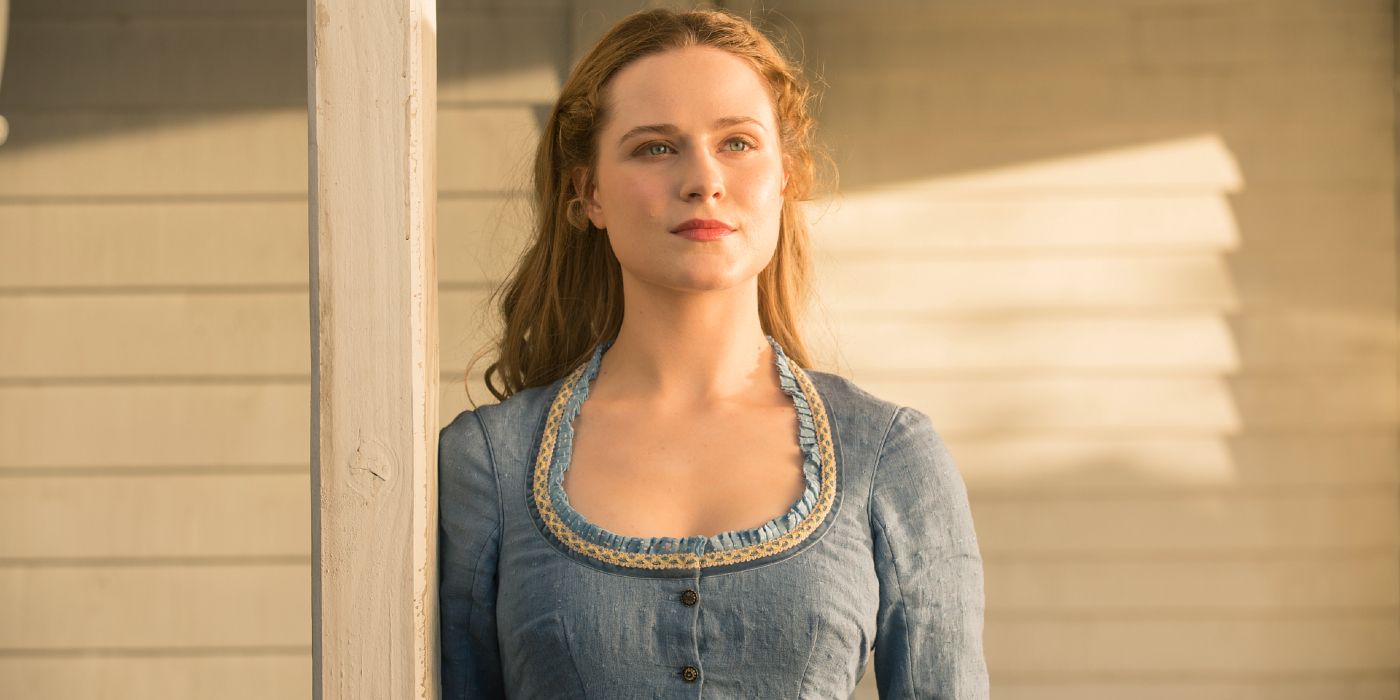
The show features incredibly realistic androids. At first, the story seems simple – people visit a park where robots carry out their programmed tasks. But quickly, things become very unclear and complex. Westworld explores ideas about time, memory, and what makes us who we are. A major source of confusion is the way the show plays with time, rearranging events without warning.
Okay, so this show really messes with your head. Visually, it’s incredibly consistent – scenes from different seasons could be from the same day, which is cool at first. But it quickly becomes disorienting because the characters don’t age, and the show doesn’t immediately tell you when things are happening. You naturally assume everything is unfolding concurrently, but you’re constantly being thrown off. What’s even more unsettling is how blurred the lines are between what’s real and what’s artificial. They’re dealing with robots getting implanted with fabricated memories and feelings, and humans constantly shifting identities – names change, roles change, it’s all very fluid and keeps you guessing. It’s a mind-bending experience, to say the least.
Just when you think you know a character, they might surprise you and become the enemy. The dialogue is intentionally confusing, with characters speaking in puzzles and reusing words in unexpected ways. Even small details are important to the overall plot – miss them, and you’ll be lost. As the show goes on, the story gets increasingly intricate, and entirely new worlds begin to appear.
The show has changed its approach, shifting the focus from the contained park setting to the wider world. Some viewers are struggling to follow the new direction as the story evolves. It demands close attention, and intentionally presents a complex, maze-like narrative. Those who enjoy a good puzzle will appreciate this, but others might find the plot difficult to follow.
Twin Peaks Turns Small-Town Life Into a Dream
When a young woman dies, an FBI agent arrives to investigate. As evidence mounts and suspects emerge, the agent begins to question everything, venturing beyond logical explanations. The town’s mysteries hint at something otherworldly, suggesting forces beyond our understanding are at play.
The story is confusing because of its strange characters and unsettling events. People speak in confusing ways, and some seem to know things they shouldn’t. Dreams feel as real as life, and often, people rely on potentially unreliable visions for direction. To add to the disorientation, the past, present, and future blur together without warning.
The film hints at deeper meanings, prompting viewers to interpret the symbolism behind certain scenes. This makes the audience question what’s truly important and how much is simply a reflection of their own emotions. Despite this ambiguity, the story feels realistic and unfolds in a clear, chronological order. The film prioritizes character development over a complicated plot.
Sometimes the show can feel a bit confusing, but the characters’ genuine emotions always shine through. They’re all dealing with sadness, regret, or a search for meaning, and are trying to cope with loss. Even when things get weird, they react in ways that feel real, which makes them relatable. This careful balance keeps the show from becoming overwhelming, and prevents the central mystery from escalating too quickly.
Dark Makes Time the Main Character
The missing people aren’t simply vanishing – they’re being affected by time travel. What started as a puzzling mystery quickly becomes incredibly complex, blending events from the past, present, and future. It’s easy to get lost as characters appear at different ages, family histories become tangled, and the same people seem to exist in multiple generations – sometimes even as both a grandfather and a son. The repetition of names across these generations adds to the confusion.
It’s a really interesting show, but it can be tricky to follow. Everyone looks different across the various time periods, and the show jumps around between timelines without much warning. You really have to pay attention, because if you miss even a small detail, it’s easy to get lost and confused. I find myself constantly rewinding to make sure I haven’t missed anything important!
The rules for time travel are there, but they change. Different versions of the rules show up.
The story explores different realities and has a unique structure where answering one question leads to many more. Despite this complexity, the series maintains a peaceful and understated tone, revealing information gradually as needed. While subtle visual hints are provided, the audience is encouraged to actively think and connect the dots. Ultimately, the narrative centers around the complex relationship between destiny and personal choice.
Stories often show characters attempting to escape their destinies, but usually they end up confronting them anyway. The series feels like a complex trap, especially for viewers. It demands patience and a strong memory, and its confusing nature develops slowly but convincingly. Finishing the series can be a very satisfying experience, like completing a difficult puzzle.
Lost Becomes Confusing Through Endless Expansion
The show constantly introduces new mysteries, quickly shifting from a simple survival story into a complicated puzzle with no easy solutions. As the show unfolds, the confusion grows, and we learn about a hidden past through flashbacks. Later on, things get even more complex with glimpses into the future and explorations of different possible timelines.
When a story involves time travel, it alters what happened in the past. This can lead to familiar characters becoming different people in alternate timelines, constantly challenging what the audience thinks they know. While shows like The Leftovers often leave questions unanswered, Lost appears to be providing explanations.
People struggle to understand their place in the world. There’s disagreement about the true nature of the island, with scientists and those who believe in the supernatural offering different explanations. Secretive groups hint at long-held plans, but every solution only leads to more mysteries. The lines between fact and belief are blurring, as what once seemed like science transforms into spirituality and then something even more abstract.
The show “Lost” leaves viewers questioning big ideas like destiny, choice, life, death, and the nature of time. Instead of providing clear answers, the ending opens up many possibilities, ensuring the central mysteries remain open to interpretation. The show isn’t confusing because it hides its meaning, but because it creates so many different layers of meaning. Ultimately, “Lost” tries to do too much within its format, resulting in an unresolved story.
Read More
- Off Campus Season 1 Soundtrack Guide
- Euphoria Season 3’s New R-Rated Sydney Sweeney Scene Proves The Show Is Trolling Us
- Gold Rate Forecast
- All Golden Ball Locations in Yakuza Kiwami 3 & Dark Ties
- DoorDash responds after customer uses AI to make food look bad and get a refund
- Jon Bernthal Explains Why Marvel Let Him Make The Darkest Punisher Story Ever
- Dutton Ranch Review: Paramount+’s New Western Takes All The Best Parts Of Yellowstone & Makes Them Better
- Taco Bell combines two fan-favorite menu items in new Cantina Chicken Mexican Pizza
- YouTuber arrested after viral AI bodycam videos spark real police complaints
- 10 Most Universally Beloved Sci-Fi Movie Villains, Ranked
2025-12-29 00:13