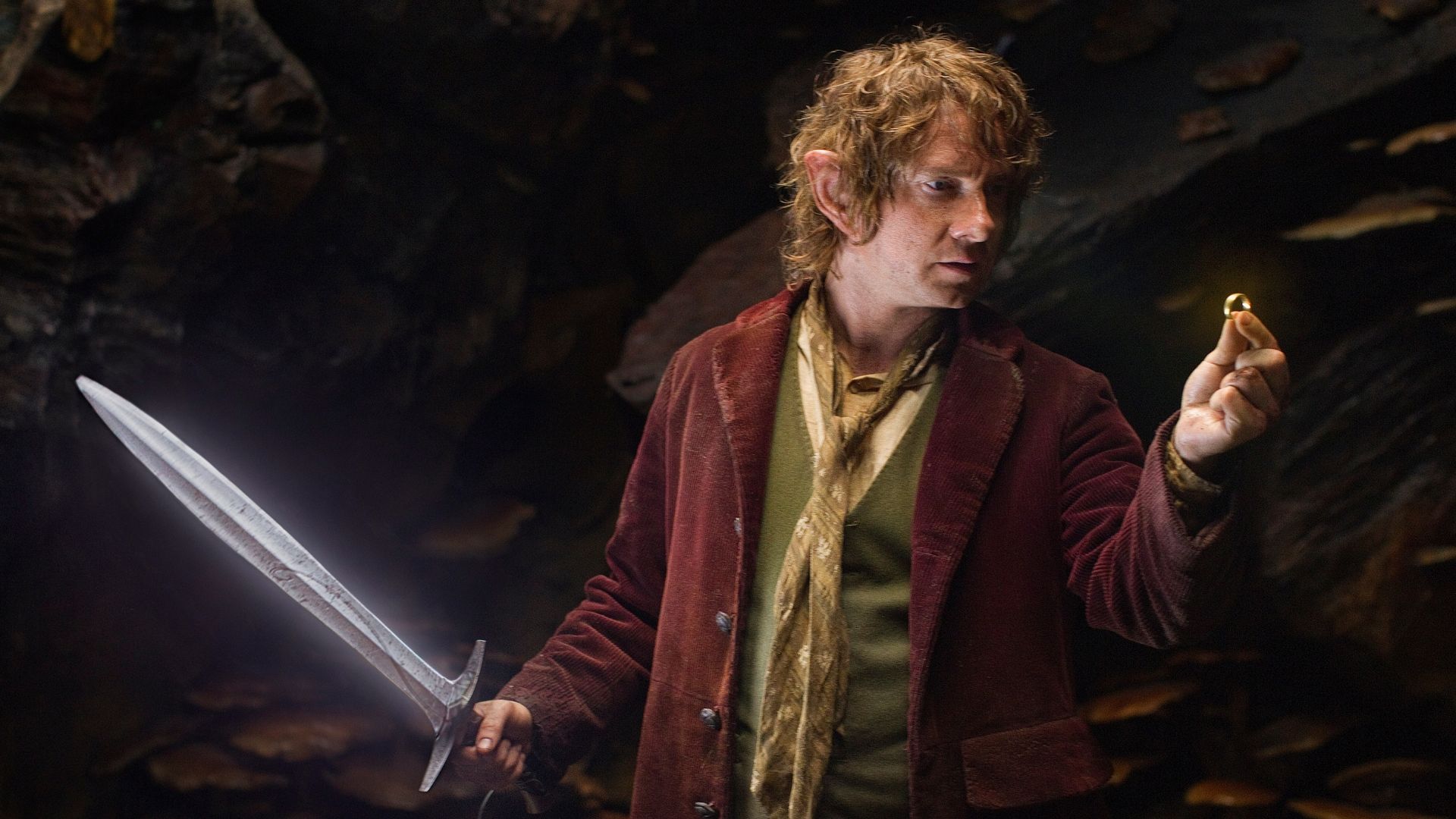
J.R.R. Tolkien, a famous author known for his fantasy novels, created stories that continue to be popular today. His work has influenced many books, TV shows, and movies, including several adaptations of his own writings. In the early 2000s, director Peter Jackson turned Tolkien’s epic book, The Lord of the Rings, into a hugely successful film trilogy.
In 2012, Peter Jackson revisited the world of Middle-earth with a new movie trilogy based on J.R.R. Tolkien’s 1937 novel, The Hobbit. The story follows Bilbo Baggins, Frodo’s uncle (technically a cousin), as he joins a group of dwarves on a quest to take back their home and treasure from Smaug, a dragon living in the Lonely Mountain. Jackson divided the book into three films: An Unexpected Journey (2012), The Desolation of Smaug (2013), and The Battle of the Five Armies (2014). While inspired by the book, the trilogy isn’t a strict adaptation; it often feels more like a prequel to Jackson’s Lord of the Rings films. This is especially noticeable in the darker, more dramatic ending, which differs significantly from the tone of the original Hobbit book.
What Happens at the End of the ‘Hobbit’ Trilogy
New Line Cinema
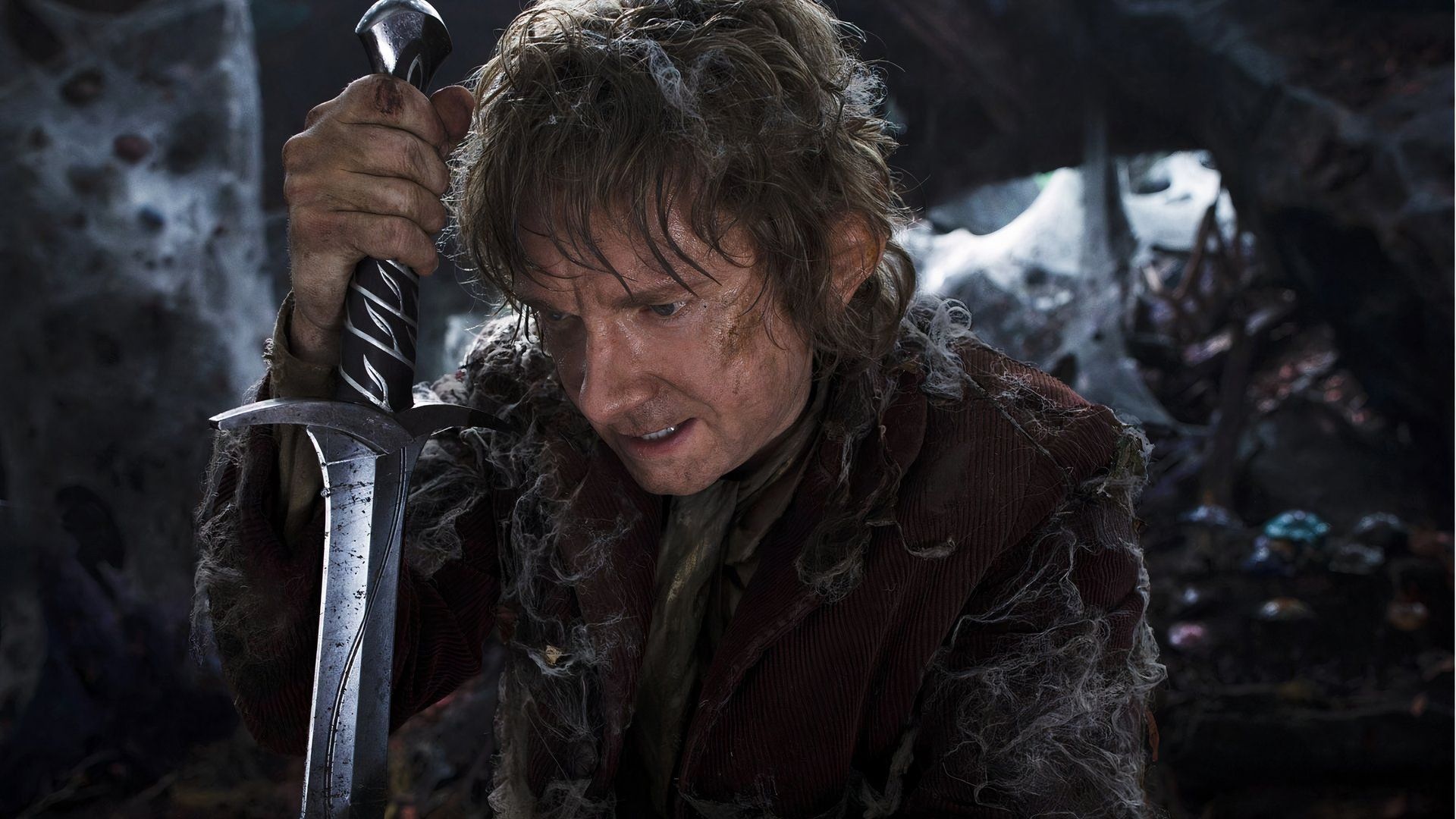
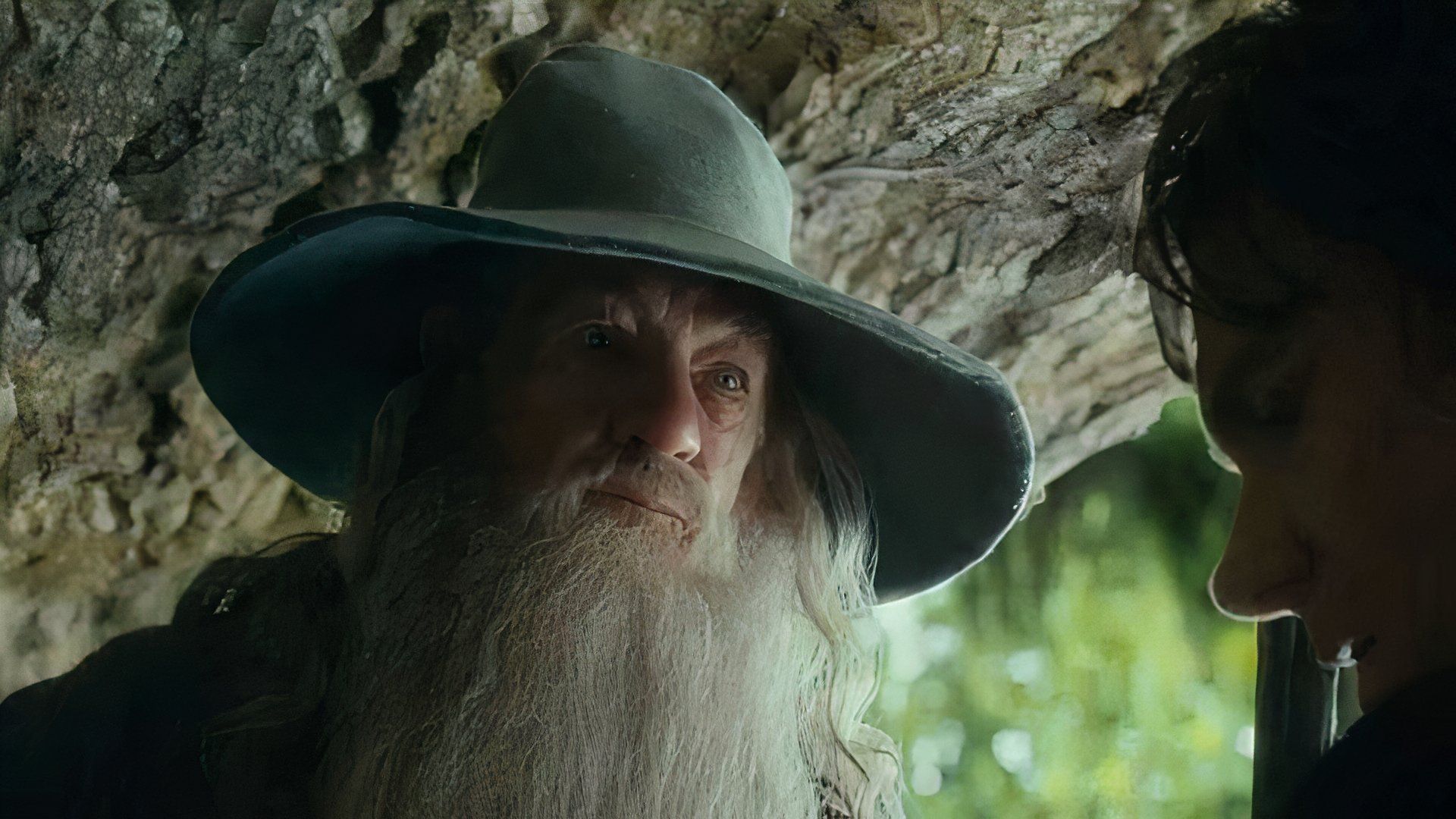
After the fierce battle where Thorin, Fili, and Kili are killed, Bilbo and Gandalf say goodbye. Gandalf gently scolds Bilbo for attributing his safe journey to luck, reminding him that magic rings are powerful and shouldn’t be taken lightly. Gandalf reveals he knows Bilbo found a ring in the goblin tunnels and has been watching over him ever since.
Bilbo claims the ring simply fell from his pocket during the battle, and Gandalf accepts this explanation – unaware it’s actually the One Ring, lost for thousands of years. Gandalf praises Bilbo, calling him a good person, but adds that he’s small in a very large and dangerous world. This quote, taken directly from The Hobbit, hints that Gandalf senses the ring’s power and the potential for corruption. While Bilbo has already proven himself capable despite his quiet life, Gandalf understands the world holds threats Bilbo may not even imagine.
Bilbo returns to the Shire only to discover his possessions are being sold, as everyone believes he’s dead. As a gentle melody from Howard Shore’s score plays, Bilbo secretly touches the Ring in his pocket. The scene then jumps forward 60 years, showing an elderly Bilbo studying the Ring. Gandalf’s voice calls from outside, leading into the start of their long-awaited reunion in The Lord of the Rings: The Fellowship of the Ring.
How This Conclusion Is Darker Than Tolkien’s Ending
New Line Cinema
In The Hobbit, Bilbo doesn’t take much of the treasure guarded by the dragon Smaug, but he does bring home enough to become a comfortable, wealthy hobbit and live well for the rest of his life. Back in Bag-End, he finds his home is unexpectedly being auctioned off, much like in The Battle of the Five Armies. He doesn’t realize how dangerous the One Ring is and proudly displays it. Ultimately, Bilbo enjoys his newfound love of adventure and writes about everything that happened. His journey across Middle-earth also makes him curious to learn more about the world. This ending is much lighter and more conclusive than the movie version, which feels more like a setup for the following Lord of the Rings films.
Bilbo’s lie about having the Ring at the end of The Battle of the Five Armies feels unusual for his character. Gandalf isn’t fooled – he’s been watching Bilbo and knows a ring survived the battle. Instead of admitting he has it, Bilbo stubbornly sticks to his story. Back at home, Bilbo briefly hesitates when he reaches for the Ring, showing he’s conflicted. Ultimately, however, his desire to keep the Ring overwhelms him, and the music becomes increasingly dramatic.
Why This Narrative Change Ruins Bilbo’s Arc
New Line Cinema
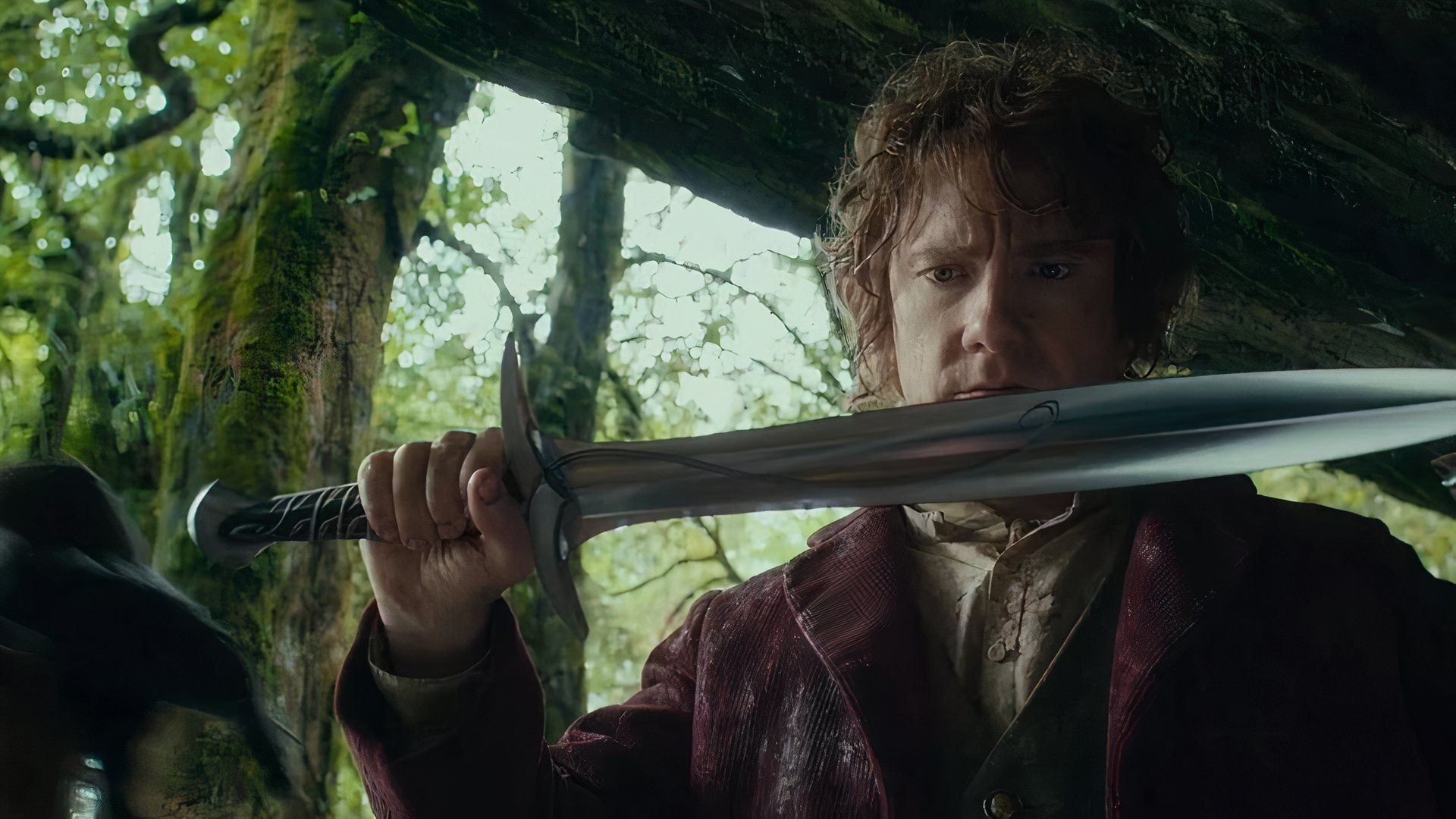
This alteration harms the natural growth of Bilbo’s personality. He understands the ring is special – even if he doesn’t realize how truly evil it is – and recognizes it has magical properties. He proved this when he used it to escape Gollum in the tunnels under the Misty Mountains. Instead of getting rid of it, however, Bilbo holds onto it tightly.
Subscribe for deeper Tolkien adaptation analysis and context
Explore richer readings of Tolkien adaptations by subscribing to the newsletter. It delivers in-depth analysis and contextual essays on topics like Bilbo’s arc, film-versus-book choices, and what those shifts mean for Middle-earth.
Subscribe for deeper Tolkien adaptation analysis and context
When you sign up, you’ll receive emails about our newsletter and special offers. By continuing, you agree to our Terms of Use and Privacy Policy, but you can opt out of these emails at any time.
The Ring slowly and secretly influences Bilbo’s thoughts. But he’s also met many powerful, magical beings—some of whom gained their power unfairly. Take Smaug, for instance: he destroyed the city of Erebor and stole the dwarves’ treasure, then hoarded it for two centuries. Getting that silver, gold, and jewelry back from Smaug and returning it to the dwarves is a key element of the story.
Despite witnessing the dangers of power, Bilbo still takes what he thinks is a magical object and deceives Gandalf about it. This decision creates problems for Frodo later on – who unexpectedly becomes a key figure in the story – but it’s Bilbo’s lie in The Hobbit: The Battle of the Five Armies that truly hinders his personal development. Luckily, Middle-earth doesn’t have to wait too long – only about sixty years – for the Ring to finally be destroyed in Mount Doom.
Read More
- Netflix’s Little House On The Prairie Reboot: Release Date, Cast & Everything We Know
- Off Campus Season 1 Soundtrack Guide
- Infinity Nikki Candlelight Reverie Challenge and Rewards Guide
- Gold Rate Forecast
- Prime Video’s New R-Rated Spy Thriller Is Officially No.1 On Streaming Despite Poor Reviews
- Silver Rate Forecast
- Brent Oil Forecast
- KPop Demon Hunters Meets Avatar: The Last Airbender In Netflix’s 3-Part Fantasy Series
- EUR ZAR PREDICTION
- Amazon Primes new GenAI cartoon looks like K-Pop Demon Hunters with aliens
2025-12-25 20:06