Television often explores imaginative possibilities, presenting futures that are hopeful, grim, or scary. These shows can have satisfying conclusions, or leave viewers puzzled and pondering. Especially memorable are the darker endings, which stay with us long after the credits roll.
These bleak science fiction conclusions delve into big questions about right and wrong, destiny, and the nature of reality itself. They highlight how vulnerable people are, the increasing strength of technology, and the complexity of issues without simple answers. These endings challenge what viewers anticipate, leaving them unsettled. Often, the darker elements of sci-fi feel strikingly true to life, acting as either a cautionary tale or a reflection of our own world.
ReBoot’s Ending Leaves Mainframe in Peril
The series concludes with a particularly unsatisfying cliffhanger, leaving many questions unanswered. It takes place in a virtual world named Mainframe, where Bob and his companions work to protect the system from viruses and defeat evil forces.
The danger really ramps up by the fourth season. In Episode 8, “Crouching Binome, Hidden Virus,” the team finally defeats the Daemon, their strongest enemy, seemingly ending his threat for good. For a short while, it looks like they’ve won, and the city breathes a sigh of relief.
Okay, so things briefly look up, but don’t get too comfortable. Megabyte, the big bad, makes a quick escape and immediately starts plotting his next move. The digital world is still a mess, and honestly, it feels like even bigger problems are brewing. The episode ends on a real cliffhanger, and it’s not one of those where you get a little closure. Nope, ReBoot just leaves you hanging with a ton of questions and a whole lot of tension. It’s frustrating, but in a way that makes you desperate to see what happens next.
The Beloved Alien Faces Capture in ALF
I remember loving ALF growing up! It was such a fun show, especially back in the ’80s. But honestly, the way it ended really surprised me – it took a much darker turn than I expected. I’ll never forget the final episode, “Consider Me Gone,” where ALF finally got his chance to return to Melmac, which is what all of us fans had been hoping for all along.
The show, known for its fun and chaotic moments, hinted at a heartwarming reunion with emotional resolution. However, the latest episode was surprisingly disappointing. Instead of a clever escape, ALF is cornered by government agents and captured without any humor or satisfying conclusion.
A beloved alien hero known for his humor and personality is in serious trouble. This is a big shift for a show that was usually lighthearted and cheerful. The last episode left viewers hanging with an unresolved cliffhanger that went unanswered for quite some time. Eventually, a TV movie called Project ALF brought back a few of the original actors to wrap up the story of his capture, but it didn’t fully resolve the emotional impact of that earlier, frustrating ending.
In Dark Matter, the Galaxy Teeters on Collapse
For three seasons, viewers were captivated by the crew of the Raza as they navigated intricate mysteries, shifting alliances, and dangers in space. The season finale was particularly intense. In Season 3, Episode 13, titled “Nowhere to Go,” the team faced betrayal, increasing alien threats, and the breakdown of humanity’s defenses.
Every second feels crucial as the characters face choices that will determine the future, all while the universe is falling apart. With invaders closing in and the human defense crumbling, the story concludes without a resolution. The audience is left to imagine the likely destruction of the Raza and everything its crew fought to protect.
The story concludes without resolution, creating a lasting cliffhanger. The ending is particularly bleak, offering no easy comfort. While many shows wrap up with at least some positive outcome, Dark Matter doesn’t shy away from suggesting total destruction is possible.
The season ends with a frightening and uncertain conclusion, highlighting the characters’ difficult choices and the costs they paid. It’s a stark reminder that even bravery isn’t enough to guarantee safety in this world, and the central danger ultimately persists, unvanquished and without a clear resolution.
12 Monkeys Shows the Cost of Saving the World
Watching the show, I was so relieved when Cole and Cassie finally succeeded! In Season 4, Episode 11, “The Beginning,” they actually stopped the plague that threatened to destroy everyone. For a moment, it felt like everything had worked out and the world had a real chance, which was such a hopeful feeling after everything they’d been through. But even with that win, I knew things wouldn’t be simple, and there would still be losses along the way.
But achieving this comes at a great cost. Cole must sacrifice his own existence to ensure the timeline remains stable. He’s effectively erased from the new reality, leaving Cassie to live with the consequences of their choices. Although there are moments suggesting they might both survive, the ending remains ambiguous, hinting that any happiness they find could be fleeting and easily broken.
The final episode explores what it truly means to be a hero. Saving the world often requires difficult personal sacrifices, and in this case, a major character pays the ultimate price – they are completely removed from existence.
The film 12 Monkeys leaves you with a poignant feeling. While the characters achieve a win, it comes at a great cost, reminding us that even altering the past or trying to control the future won’t erase pain. The ending forces us to consider the boundaries of what we can achieve through power and sacrifice, and the complexities of the human spirit.
Lost Examines Life, Death, and Unanswered Mysteries
The series concludes with a dreamlike and emotionally resonant ending that leaves some questions unanswered. In the final episode, Jack dies after confronting his enemy on the island. Other main characters, like Kate, Sawyer, and Hurley, seemingly pass on to a different state of being, with their ultimate fates remaining unknown.
The story’s conclusion provides a sense of emotional release, but many questions remain unanswered. We’re still left wondering about the island’s secrets, the long-term effects of what the survivors did, and the larger story behind everything.
The show’s last episode challenges viewers to rethink what they thought the series was about. Throughout the story, death and life are closely linked, and sometimes surviving feels like a kind of loss.
The ending doesn’t solve the story’s mysteries; instead, it’s a thoughtful exploration of life, death, and whether we truly have control over our fate. It deliberately leaves viewers with questions, embracing the unknown rather than providing simple answers when the extraordinary and the inexplicable collide.
Westworld Ends With a Bleak Future
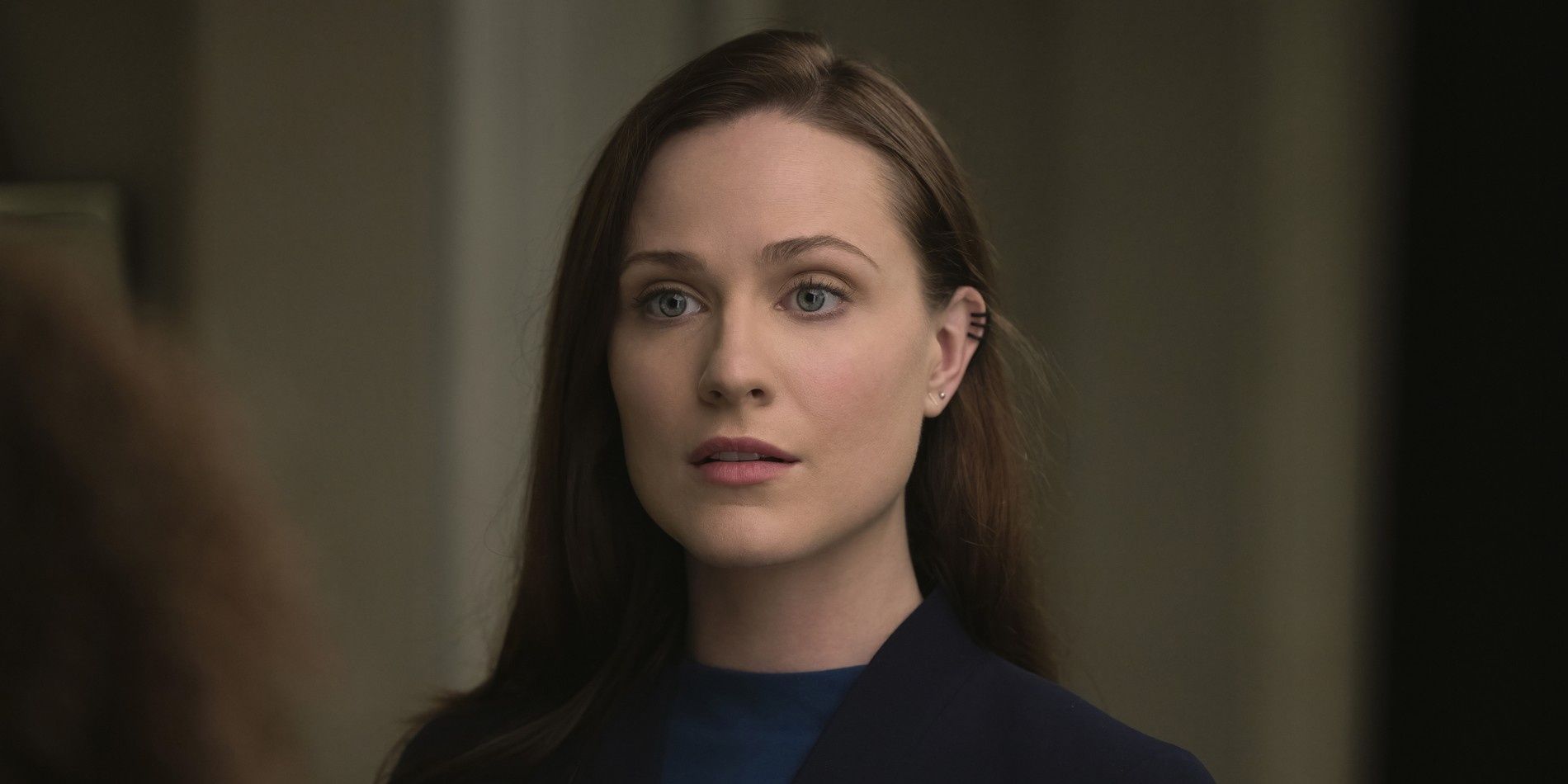
The series ends on a bleak and devastating note. The final episode, “Que Será, Será,” depicts the complete destruction of both humans and hosts, revealed to be the result of simulations created for the amusement of wealthy individuals on a planet nearing its end.
Dolores tries one last, desperate act to preserve life by building a simulated world as a kind of test. However, the show suggests that life will ultimately end anyway. It emphasizes how fragile life is, showing that even advanced intelligence and technology can’t prevent destruction when things fall apart.
The finale of Westworld doesn’t offer hope or a fresh start, but rather a feeling that its tragic conclusion was unavoidable. The final scenes prompt viewers to consider the limits of what humans strive for, the temporary nature of societies, and the certainty of death. Unlike most sci-fi series endings, it’s a surprisingly bleak and unforgettable experience.
Battlestar Galactica’s Triumph Has a Heavy Price
Watching the end of Battlestar Galactica always gets me right in the feels – it’s incredibly sad, but also so hopeful! I especially remember when the survivors finally landed on that new Earth in Season 4’s “Daybreak, Part 3,” and they just… let go of all the technology that had caused so much pain. It felt like a real turning point, a fresh start for humanity, and honestly, it still gives me chills thinking about it.
The victory was costly, marked by many deaths, including that of Laura Roslin, and leaving survivors deeply scarred. Even the unexpected return of Starbuck raises questions about whether history will simply repeat itself. While peaceful for now, this new world remains vulnerable and its future is uncertain.
Mr. Robot’s Main Character Disappears
This revelation fundamentally alters how you view the entire series. The season four finale, “Hello, Elliot,” reveals that Elliot Alderson isn’t the primary character at all. He’s actually a personality created by a dissociative mind, and the true Elliot has been hidden away.
CBR Report
CBR Report
Watching the show, it really felt like a slow shift, dealing with big ideas like who we are, dealing with past hurts, and how easily our view of reality can be messed with. It became clear that the ‘Elliot’ we’d been following was actually sacrificing his own struggles so the real Elliot could finally be free. While it might be what the original Elliot needed, it was honestly heartbreaking as a viewer. I really connected with the alter, and seeing that version of him disappear – the one who told the whole story – left a huge emotional hole. It just felt like saying goodbye to a friend.
Fringe Sacrifices the Timeline
The final episode, “An Enemy of Fate,” is both heartwarming and sad. The Fringe team successfully stops the Observers, saving the timeline and preventing a terrible future. This allows Peter and Olivia to be reunited with their daughter and ensures the planet’s safety.
Choosing a different timeline leads to a deeply emotional goodbye, and feels like the biggest risk in the entire game. Walter is forced to leave and can never return. Those in this new timeline have no memory of the events, accomplishments, or connections from the previous one.
The flashback revealed the characters bravely fought and sacrificed themselves for a greater purpose, yet their heroism is unknown to the peaceful world they saved. While they achieved victory, the happiness feels incomplete because of the sadness and loss felt over Walter’s death, a loss the audience shares in remembering with them.
The Hero Never Comes Home in Quantum Leap
The season 5 finale revealed a surprising and difficult truth: Dr. Sam Beckett, the time-traveling protagonist, is actually choosing to leap through time himself.
For years, he sacrificed his own happiness to help others, and just when he finally had a chance to return home, he chose to help someone else again. The series ends with a poignant message: “Dr. Sam Beckett never returned home.”
The final episode of Quantum Leap is a moving story about sacrifice and owning up to your actions, but it’s also deeply sad. While most heroic stories end with a happy return or a sense of resolution, this episode offers neither, leaving viewers with a feeling of loss.
Read More
- Netflix’s Little House On The Prairie Reboot: Release Date, Cast & Everything We Know
- Off Campus Season 1 Soundtrack Guide
- YouTuber arrested after viral AI bodycam videos spark real police complaints
- Silver Rate Forecast
- Prime Video’s New R-Rated Spy Thriller Is Officially No.1 On Streaming Despite Poor Reviews
- Brent Oil Forecast
- Peaky Blinders: The Immortal Man’s Tommy Shelby Is a Better Father Than Michael Corleone
- EUR ZAR PREDICTION
- Gold Rate Forecast
- Bulgakov’s Take: Koreans Bet the Farm on Chips, Crypto, and Chaos
2025-12-23 06:12