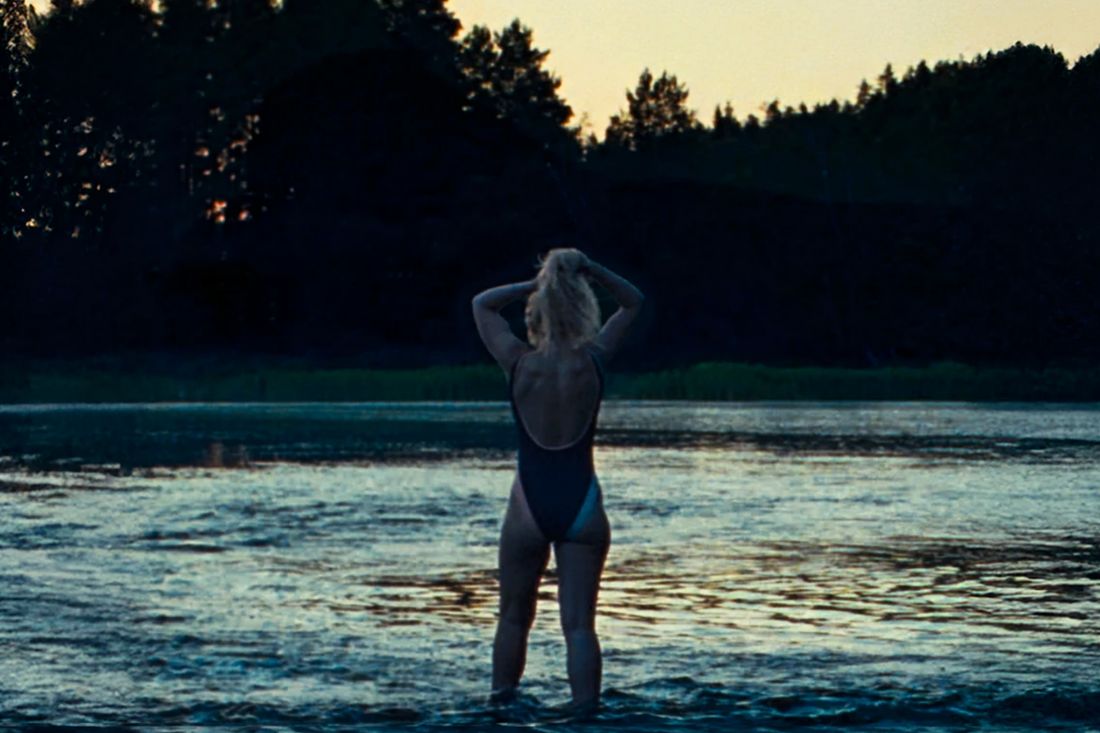
In the film The Chronology of Water, Kristen Stewart’s directorial debut, the character Lidia Yuknavitch, played by Imogen Poots, reflects on finding escape in water, comparing it to the solace found in books. As she walks into a lake after a weekend that helped her heal, Lidia voices this thought. She wonders how often she’s submerged herself, hoping to be reborn – to shed her past and emerge as something new, free from the constraints of identity and gender.
The image of a woman walking into the water when she’s reached her breaking point is a common one. She might stand there, lost in thought, or let the waves wash over her, perhaps as a way to escape her problems, find a fresh start, or even simply disappear. Sometimes it’s a desperate attempt to calm down, a dramatic outburst, or a need for a moment of intense feeling. Ultimately, it’s about a woman needing to find solace – and a bit of rebellious energy – by standing in the sea, fully clothed and letting her emotions run wild.
It’s been 25 years, and a familiar theme is popping up everywhere in pop culture. We’re seeing a lot of female characters dramatically walk into water – whether it’s the ocean, a river, or a lake. Rose Byrne does it in “If I Had Legs I’d Kick You,” Tessa Thompson in “Hedda,” and a character on “Hacks” even thinks about it. The film “Sound of Falling” features multiple characters with the same fantasy, Sophia Lillis’s character in “All Her Fault” does it, and Lidia in “Chronology” is constantly immersing herself in water. Even Taylor Swift touched on the idea in her song “The Fate of Ophelia.”
So, you’re looking for a body of water to dramatically walk into – clothes and all – as a way to symbolize your struggles? Let’s explore your options and help you choose the perfect one.
A Placid Lake
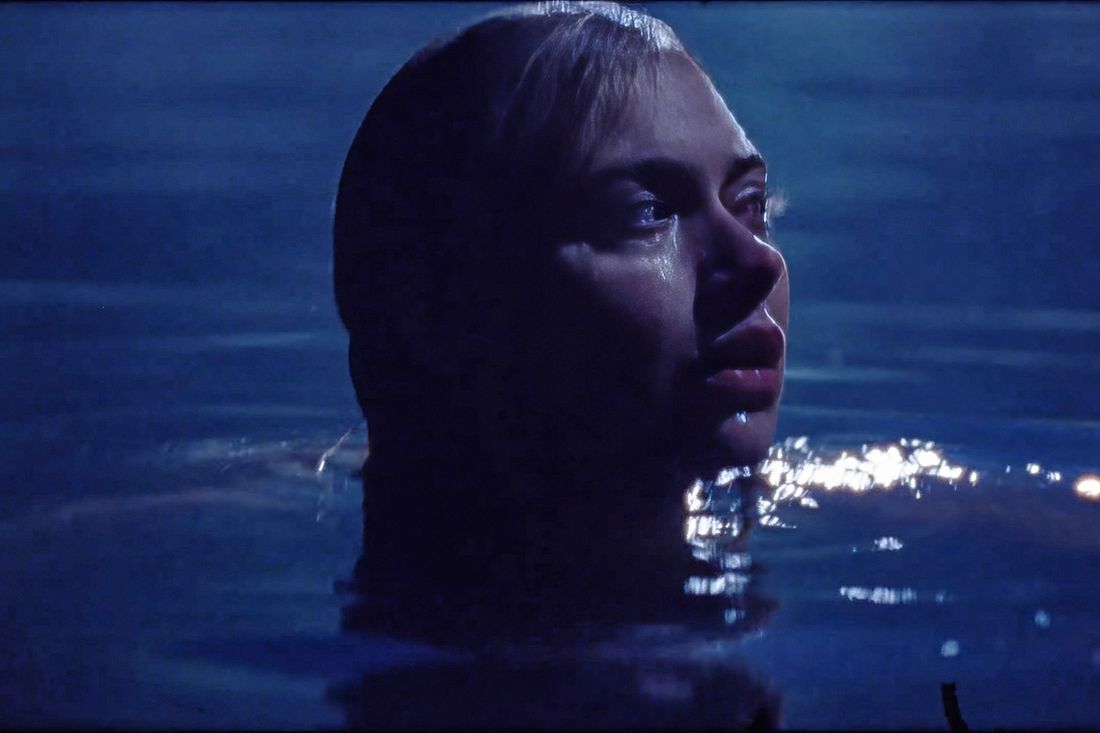
For Lidia Yuknavitch, as portrayed in The Chronology of Water, entering a lake or pool feels like stepping into another world – a bit like the movie The Matrix. This is especially true because her life on land begins as a painful struggle with abuse and addiction. The film, based on Yuknavitch’s own memoir, shows how she discovered her voice and strength after enduring terrible experiences. Water plays a crucial role in her healing process. She’s noticeably more at ease underwater than on land, leading her professor to jokingly ask if she’s a mermaid. Initially, water offers her an escape, but it eventually becomes a source of therapy. Through swimming, standing in water, and ultimately through writing, Lidia confronts her trauma, accepts her pain, and begins to heal.
Calm lakes are a good place to wade in fully clothed, as it’s simpler to walk out than it would be in the ocean, which has unpredictable tides. If you’re dealing with temporary but overwhelming problems and need a symbolic, physical release, I recommend trying this. A lake with a mountain backdrop is ideal. Just make sure someone is there with a towel when you get out.
A Stormier Lake
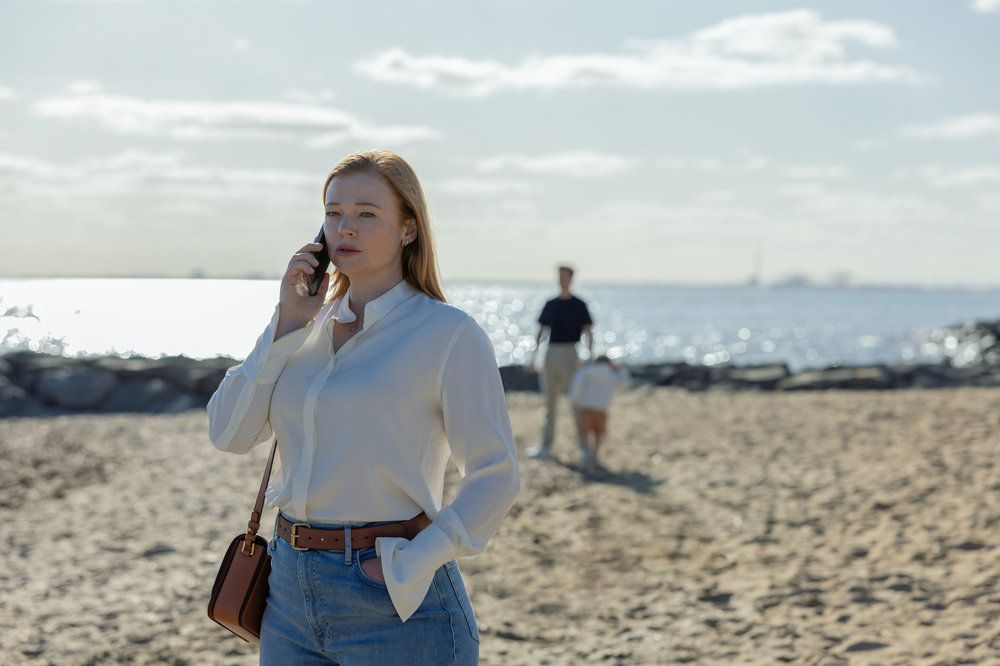
The new thriller, All Her Fault, joins a crowded field of shows about wealthy, secretive families. It centers on Marissa and Peter, a couple who appear to have it all – successful careers in finance, a beautiful home on Lake Michigan, and a simmering resentment for each other. When their son, Milo, is kidnapped, their carefully constructed lives fall apart, exposing a web of suburban drama involving parental conflicts, financial troubles, and family betrayals. At the heart of the chaos is Carrie (Sophia Lillis), a troubled young woman who believes Milo is actually her child and orchestrates the kidnapping. After a series of increasingly shocking events – including theft, murder, and a deadly confrontation – Carrie’s desperate plan falls apart. In a dramatic moment, she walks into Lake Michigan, seemingly intent on drowning herself, but at the last second, changes her mind and decides to fight back instead.
Everyone makes mistakes. If you’re dealing with something terrible, like kidnapping, a rougher situation suggests you’re not just seeking purification, but punishing yourself. Taking that child was wrong, even if there was a mix-up at the hospital. But it’s alright – you can find forgiveness in the chaos.
The Pacific
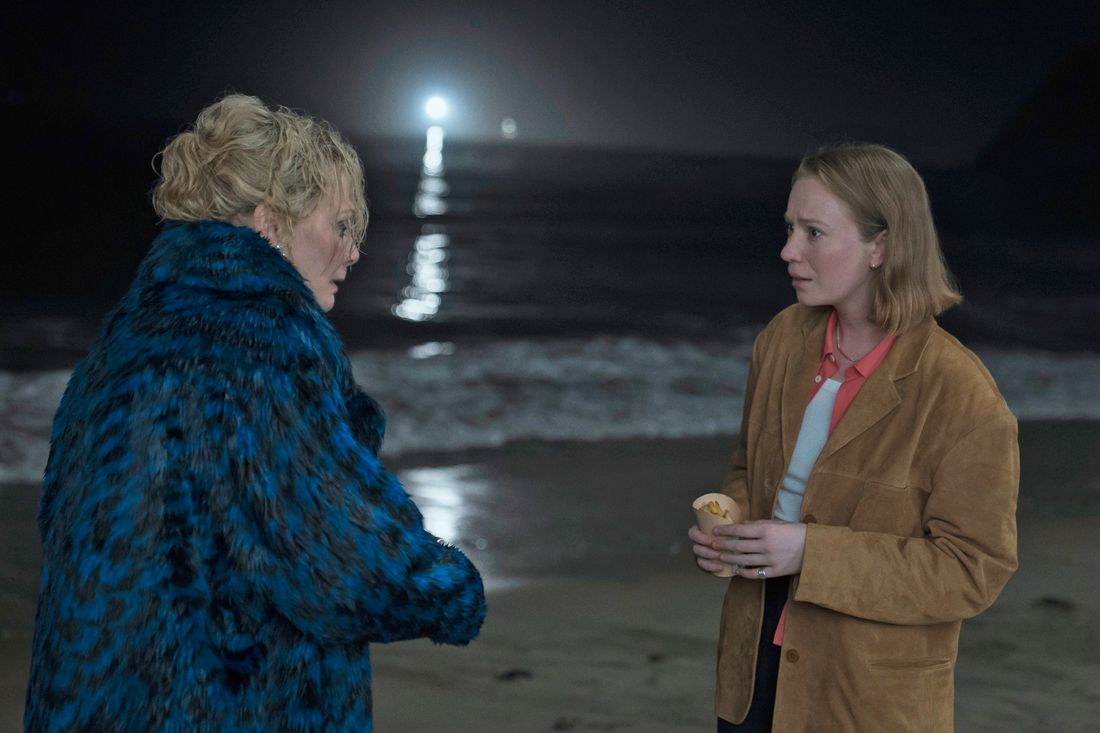
In the fourth season of Hacks, Ava (Hannah Einbinder) experiences a really bad day. Within hours, her ex makes fun of her on TV, her boss Deborah (Jean Smart) criticizes her work and cancels her appearance, and her polyamorous partners break up with her. To make things worse, she discovers her writing team has been excluding her—they have a group chat she’s not in and enjoy ordering pricey fish during lunch. After finding out one of her team members skipped work to get a tooth gem, Ava completely loses it, throwing a whole fish at the wall, crashing through a parking gate, and driving away.
This episode had me genuinely worried about Ava! For a good chunk of the time, nobody could find her, and the show brilliantly led me down the garden path – was she gone, had she run away, or worse? Turns out, she’d gone to the ocean, of all places, for a bit of dramatic soul-searching. The scene where Deborah frantically runs into the water after what she thinks is Ava is hilarious and terrifying all at once – it’s actually another woman training for a polar bear plunge! The real kicker, though, is the dialogue. Deborah, understandably panicked, shouts about Ava trying to drown herself, and Ava delivers this incredible line: “I’m not suicidal. I just want to die!” It’s a surprisingly honest and relatable moment that perfectly encapsulates the show’s ability to blend dark humor with genuine emotional depth. It’s easily one of my favorite lines of the series.
She continued, saying, “I’m not going to hurt myself, and if I were considering suicide, it wouldn’t be a dramatic act like walking into the ocean. I’d probably just take pills or do something shocking, like wearing a suicide vest on Watch What Happens Live. ” She later explained, while warming up under a heat lamp, that she had simply driven away, trying to escape everything. She admitted ending up at the beach was cliché and embarrassing in retrospect, calling it the typical first impulse after a difficult emotional experience.
Sometimes the most obvious idea is the right one. If you’re feeling overwhelmed and dealing with a lot of different issues – even silly ones like regretting tooth gems – the Pacific Ocean is a great place to gain perspective. Standing by its vastness can help you realize how small your problems are compared to the immense, timeless sea, which existed long before you and will continue long after. It’s a humbling reminder, even if your biggest worry is something trivial like a mishap on a TV show.
A River
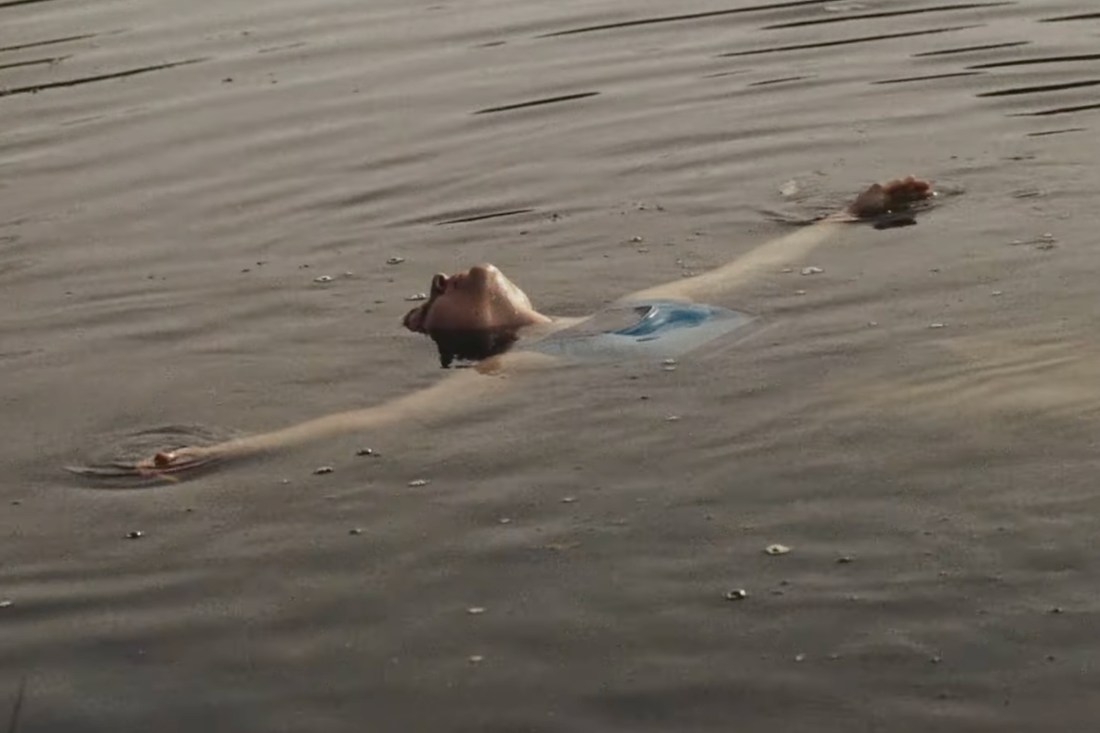
Mascha Schilinski’s critically acclaimed film, Sound of Falling, follows the lives of women across generations on a single family farm, from the 1940s to the present day. The women share their stories through voice-over narration, offering a matter-of-fact account of their personal histories. The film is both dreamy and unsettling, moving fluidly through time and exploring moments of both beauty and hardship in their lives. It often focuses on the challenges of being a woman and facing one’s own mortality – from a young girl’s first encounter with death, to a teenager grappling with her changing body, and a mother struggling with sudden paralysis.
The river running beside the farm is a recurring symbol throughout the story. Each character has a unique connection to it: some use it for recreation like paddleboarding, while others find peace beside its waters. For some, it represents an escape – a tragic alternative to facing the realities of war. One young girl, feeling neglected by her mother during a swim, powerfully imagines walking into the river and being lost forever. We see her fantasy play out: she wraps herself in a towel, rolls down the bank, and lets herself sink into the dark water. Her mother then discovers her body, and her scream pierces the air.
Of course, this was all just her imagination. She quickly shakes off her thoughts and walks home feeling annoyed. But soon, she’s cozy in a towel, happily eating a sandwich. “I love the way skin smells a little earthy, like a river,” she says with a smile. I call this the “Home Alone” solution. That feeling – the urge to dramatically walk into a river so your family will finally pay attention – is a surprisingly strong and common childhood impulse. It’s a good option when you feel overlooked, or maybe if you’re a Leo!
A Pond
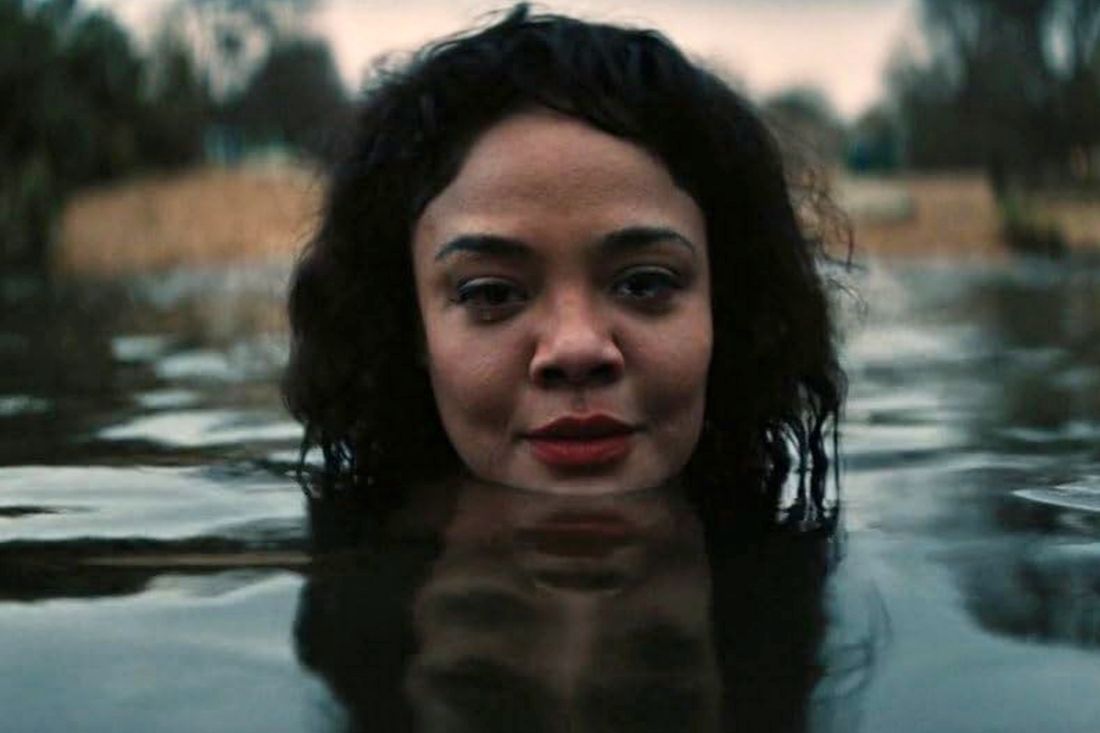
Nia DaCosta’s Hedda, a modern take on Henrik Ibsen’s Hedda Gabler, unfolds during a lavish but ill-fated party. Tessa Thompson delivers a chilling performance as Hedda, a woman secretly grappling with her sexuality who deliberately stirs up trouble for those around her, reflecting her own inner turmoil. She’s hosting the party with her husband (Tom Bateman), but she’s also invited her former lover, Eileen Lovborg (Nina Hoss), who is about to publish a groundbreaking book with the help of her new partner, Thea Clifton (Imogen Poots). Things quickly spiral out of control, and Hedda’s efforts to disrupt everyone’s lives are shockingly successful. By the film’s end, Lovborg has lost both her manuscript and her lover, and tragically suffers a self-inflicted gunshot wound.
Hedda isn’t as satisfied with how things are unfolding as she expected. When she learns Lovborg is injured and might die, she immediately goes to the pond near her home, weighs herself down with stones, and walks into the water. While the original play depicts Hedda’s death, DaCosta opted for a more open-ended conclusion. As Hedda stands in the water, up to her neck, she hears that Eileen has survived. A mysterious smile appears on Hedda’s face just before the screen goes black. DaCosta explained to USA Today that her decision to let Hedda live stemmed from the belief that, despite Hedda’s reprehensible actions, her pain and vulnerabilities are understandable.
You’ve intentionally caused your ex significant distress, and now you need to confront that. Find a secluded spot – perhaps a pond on someone’s property after a large event – and reflect on your actions. Acknowledge that even while behaving badly, your own pain and weaknesses played a role, and that doesn’t invalidate your feelings.
The Atlantic
I was completely gripped by Mary Bronstein’s film, If I Had Legs I’d Kick You. It’s a raw, devastating look at a woman spiraling out of control. By the end, Linda, played brilliantly by Rose Byrne, has truly hit rock bottom. Her apartment is falling apart, her daughter is struggling with a serious eating disorder and needs a feeding tube, and Linda herself is just trying to numb the pain with whatever she can find. It’s heartbreaking. What really struck me was when one of Linda’s clients, Caroline, vanishes, leaving her baby behind and sending Linda a disturbing video of Andrea Yates, the mother who tragically drowned her children. Bronstein really digs into the darkness here, even referencing a chilling quote from Yates about the weight of causing harm. The film culminates in a tense confrontation between Linda and Caroline, a desperate chase on the beach, and ultimately, Linda letting Caroline run towards the ocean. It’s a haunting, unforgettable scene and left me reeling.
Not long after, Linda reaches her breaking point with the constant struggles in her life. In a shocking and disturbing act, she removes her daughter’s feeding tube. She then rushes home to find her husband, who has been absent and unsupportive throughout most of the story, attempting to fix a leak in the ceiling. When he returns to the hotel and discovers what Linda has done, he’s devastated. Feeling cornered and desperate, Linda sees only one option left: to go to the water.
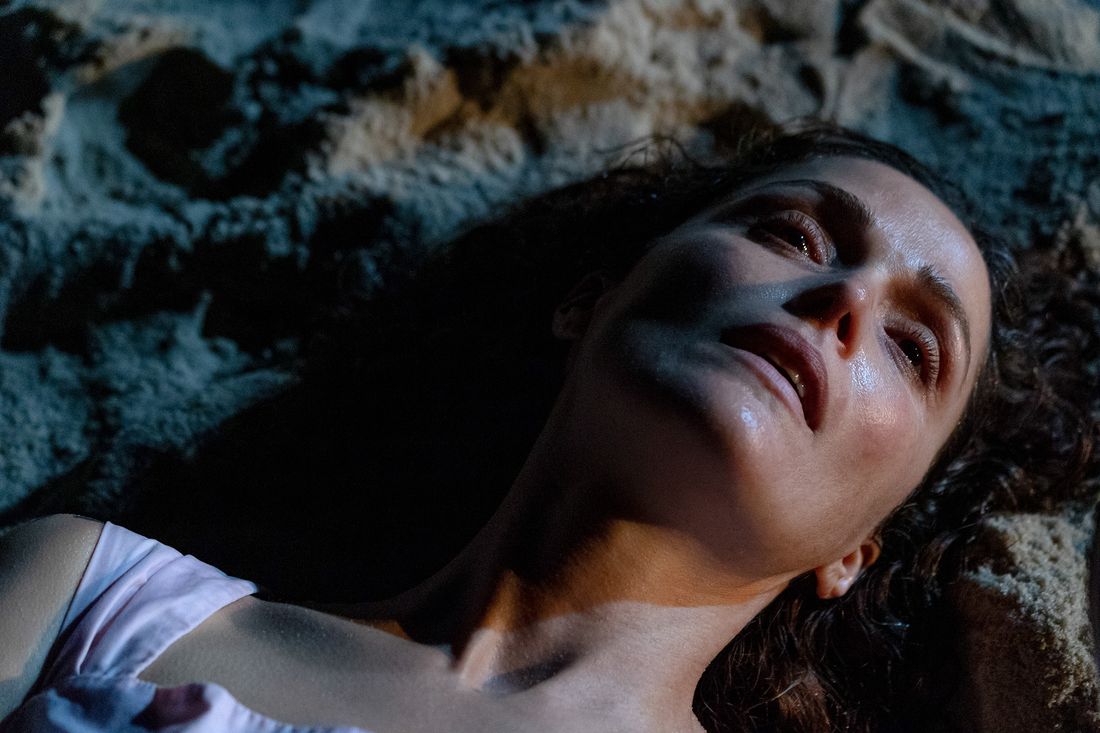
The woman repeatedly tries to drown herself in the Atlantic, but the ocean forces her back each time, refusing to let her succumb. The film concludes with her collapsed on the beach, looking up at the sky and promising her daughter she will change. The director, Bronstein, intended the ending to be hopeful, despite its dark undertones. She was inspired by Virginia Woolf, who often wrote about the ocean and tragically took her own life by walking into the sea with rocks in her pockets. Bronstein found the act both horrifying and, strangely, romantic.
The most dramatic outcome imaginable would be being swept ashore by the Atlantic Ocean. This highlights a growing trend: in 2025, instead of going to the sea, the sea might come to you.
Read More
- Netflix’s Little House On The Prairie Reboot: Release Date, Cast & Everything We Know
- Off Campus Season 1 Soundtrack Guide
- YouTuber arrested after viral AI bodycam videos spark real police complaints
- Silver Rate Forecast
- Prime Video’s New R-Rated Spy Thriller Is Officially No.1 On Streaming Despite Poor Reviews
- Brent Oil Forecast
- Gold Rate Forecast
- Bulgakov’s Take: Koreans Bet the Farm on Chips, Crypto, and Chaos
- Peaky Blinders: The Immortal Man’s Tommy Shelby Is a Better Father Than Michael Corleone
- EUR ZAR PREDICTION
2025-12-22 16:57